Are you worried that your bunk bed rails aren’t high enough to keep you or your kids safe? You’re not alone.
Many people find standard bed rails too low, leaving a gap that can cause restless nights or even risky falls. The good news? You can easily make your bed rails higher without buying a new bunk bed. You’ll discover simple, effective ways to boost your bed rails’ height, giving you peace of mind and a better night’s sleep.
Keep reading—your safety and comfort depend on it.
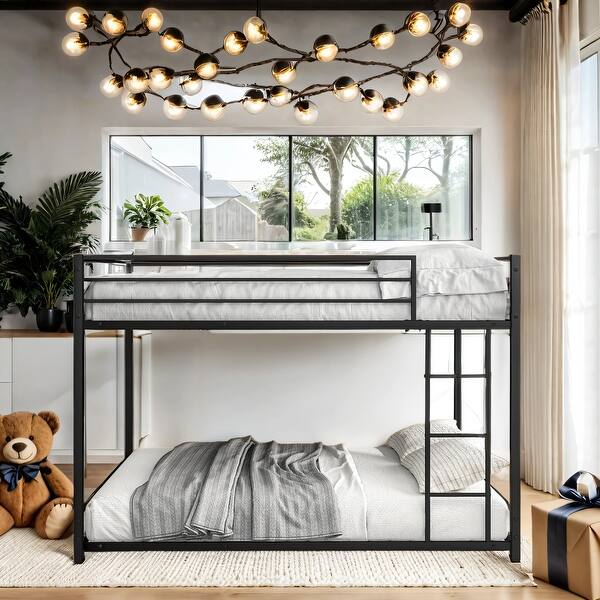
Credit: buybuybaby.bedbathandbeyond.com
Reasons To Raise Bunk Bed Rails
Raising the rails on a bunk bed is an important step for safety and comfort. Higher rails provide better protection and fit different needs. Understanding the reasons to raise bunk bed rails helps you make the best choice for your home.
Small changes can make a big difference in how secure and comfortable the bed feels. Here are the key reasons why raising bunk bed rails matters.
Preventing Falls
Higher rails reduce the risk of falling out of bed. Kids often move a lot during sleep. Taller rails act as a strong barrier. This helps keep sleepers safe through the night. Falls can cause injuries, so prevention is key.
Accommodating Taller Sleepers
Taller sleepers need more space and support. Standard rails may feel too low or unsafe. Raising the rails gives extra room and comfort. It stops taller children from feeling cramped. This adjustment helps everyone sleep better.
Enhancing Overall Safety
Higher rails improve the bed’s overall safety. They prevent accidents and increase stability. The bed feels more secure and reliable. This is important for peace of mind. Parents and sleepers both benefit from this change.
Choosing The Right Materials
Choosing the right materials is key to safely raising bed rails on a bunk bed. The right materials ensure the rails stay strong and stable. They also keep the bed safe for use. Pick materials that fit your bed’s style and size. Strong and durable materials are best for this upgrade.
Types Of Rails And Extensions
Wood is a popular choice for bed rails. It is easy to cut and shape. Pine, oak, and maple work well. Metal rails offer strong support and last long. Aluminum and steel are common metals used. Plastic rails are lightweight but less sturdy. Consider extensions made for bunk beds. These extensions add height safely and fit well. Match the extension type with your rail material.
Tools Needed For The Upgrade
Basic tools make this project easier. You will need a measuring tape to get accurate lengths. A saw is necessary to cut wood or metal rails. A drill helps to attach rails and extensions firmly. Screwdrivers or power drivers tighten screws securely. Sandpaper smooths rough edges on wood. Safety gear like gloves and goggles protect you during work.
Step-by-step Guide To Raising Rails
Raising the bed rails on a bunk bed can make it safer for kids or adults. Higher rails help prevent falls during sleep. This step-by-step guide will show you how to raise your bed rails easily and securely. Follow these simple steps to improve your bunk bed’s safety.
Measuring Existing Rail Height
Start by measuring the current height of the bed rails. Use a tape measure from the mattress base to the top of the rail. Write down this number. Knowing the exact height helps you decide how much to raise the rails. Measure both sides for accuracy.
Marking Extension Points
Next, mark where the rail extensions will go. Use a pencil to mark the points on the existing rails. Ensure the marks align evenly on both sides. This step makes sure the extensions fit well and look balanced. Double-check your marks before moving on.
Attaching Extensions Securely
Choose sturdy materials for the rail extensions. Attach them at the marked points using screws or brackets. Tighten all screws firmly to avoid wobbling. Check that the extensions are level and stable. Test the new rail height before using the bunk bed.
Alternative Safety Enhancements
Safety is the top priority for bunk beds. Making bed rails higher helps prevent falls. There are other ways to improve safety without changing the rails’ height. These options add extra protection and comfort for your child.
Adding Padding To Rails
Padding the rails softens hard edges. It reduces the risk of bumps and bruises. Use foam or fabric covers made for bed rails. Secure the padding tightly so it does not slip.
Padding adds a cozy feel to the bed. It also helps children feel safer while sleeping or playing.
Installing Safety Nets
Safety nets create a barrier along the bed’s edge. They catch children if they roll off the bed. Nets are easy to install on most bunk beds.
Choose nets with strong mesh and secure fasteners. Check the net regularly for wear or damage. Safety nets provide peace of mind without changing the bed frame.
Using Bed Rail Guards
Bed rail guards slide over the existing rails. They add height and prevent slipping. Some guards have extra grip or soft padding.
Guards are simple to install and remove. They fit many bed types and sizes. Use bed rail guards to boost safety quickly and easily.
Maintenance And Inspection Tips
Keeping bed rails secure and sturdy is key for bunk bed safety. Regular maintenance helps prevent accidents and extends the life of the rails. Simple checks and timely actions keep the rails strong and reliable.
Regular Safety Checks
Check the bed rails often for cracks, bends, or loose parts. Look closely at joints and screws. Make sure the rails fit tightly and do not move easily. Test the rails by gently shaking them. If they feel weak, do not wait to fix them.
Tightening Loose Parts
Use a screwdriver or wrench to tighten screws and bolts. Loose parts can make the rails unsafe. Tighten connections every few weeks or after heavy use. Avoid over-tightening, which can cause damage. Keep tools handy for quick fixes.
When To Replace Rails
Replace rails if you see cracks, deep scratches, or broken parts. Rust or metal bending means the rails are weak. Old rails may not hold as well. Choose new rails that fit your bunk bed model. Safety is more important than saving old parts.

Credit: buybuybaby.bedbathandbeyond.com

Credit: www.amazon.com
Frequently Asked Questions
How Can I Safely Raise Bed Rails On A Bunk Bed?
To safely raise bed rails, use extension kits or add sturdy wood panels. Secure all parts firmly to avoid gaps. Always check weight limits and stability after modification to ensure safety.
What Materials Work Best For Extending Bunk Bed Rails?
Wood and metal are ideal materials for extending bed rails. Wood offers easy customization, while metal provides strong support. Choose materials that match your bed frame and ensure secure attachment.
Are There Diy Methods To Increase Bunk Bed Rail Height?
Yes, DIY methods include attaching wooden planks or PVC pipes to existing rails. Use brackets and screws for stability. Always sand edges smooth and test rail strength before use.
How Much Higher Should Bunk Bed Rails Be Raised?
Rails should be raised at least 5 to 7 inches above the mattress top. This height prevents accidental falls while allowing comfortable movement. Adjust according to mattress thickness and user age.
Conclusion
Raising bed rails on a bunk improves safety and comfort. Simple tools and careful steps make the job easy. Measure well before starting to avoid mistakes. Secure the rails tightly to keep them stable. Check the height regularly to ensure safety.
This small change helps prevent falls during sleep. Enjoy peace of mind with higher bunk bed rails. Keep your child safe and your home worry-free.