Are you looking to create a fun and practical sleeping space for your kids? Building a children’s bunk bed can be a great way to save room and add a touch of adventure to their bedroom.
But where do you start? This guide will walk you through simple steps to make a sturdy, safe, and stylish bunk bed that your kids will love. Keep reading, and you’ll discover easy tips and tricks to turn your idea into reality—no special skills needed! Your children’s new favorite bed is just a few steps away.
Choosing The Right Design
Choosing the right design for a children’s bunk bed is key to creating a safe and fun space. The design should fit the room well and match the child’s needs and style. Thoughtful choices make the bed both practical and enjoyable for kids.
Space And Size Considerations
Measure the room carefully before selecting a bunk bed design. Consider ceiling height and floor space. Make sure there is enough room for children to climb and play safely. A compact design works well for small rooms. Larger rooms allow for extra features like built-in desks or storage.
Style Options For Kids’ Rooms
Choose a style that matches the child’s personality and room theme. Classic wooden bunk beds suit many tastes. Modern metal frames offer a sleek look. Some beds have fun shapes like castles or cars. Pick a style that will keep your child excited about their space.
Materials To Use
Use strong, durable materials to ensure safety and longevity. Solid wood is sturdy and lasts long. Metal frames are tough but can feel cold. Avoid cheap materials that may break easily. Smooth finishes help prevent splinters and injuries. Choose non-toxic paints and coatings for health safety.
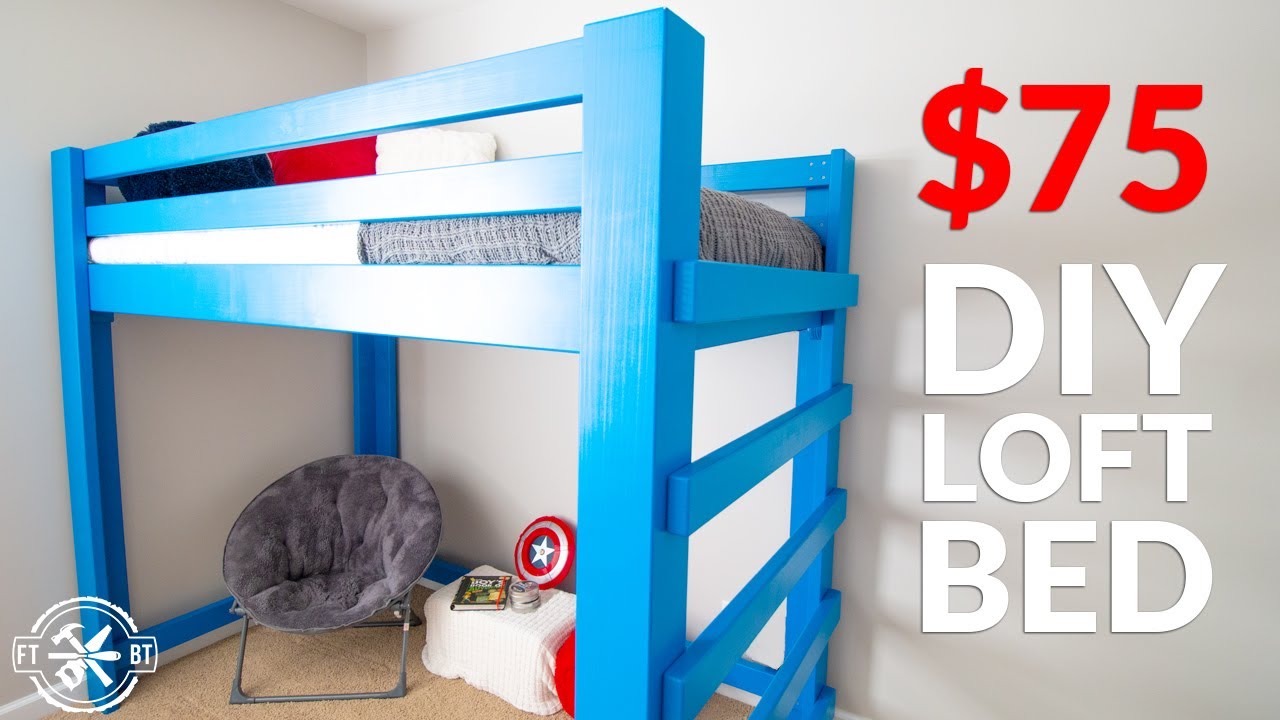
Credit: www.youtube.com
Gathering Tools And Supplies
Starting a children’s bunk bed project needs careful planning. Gathering the right tools and supplies saves time and makes the build safer. Choosing good materials ensures the bed lasts long and stays sturdy. Prepare everything before cutting any wood or assembling parts. This step helps avoid mistakes and keeps the work smooth.
Essential Tools Checklist
Have these tools ready before you start building:
- Measuring tape for accurate dimensions
- Power drill with drill bits
- Screwdriver set
- Handsaw or circular saw
- Wood clamps to hold pieces steady
- Sandpaper or electric sander
- Level to keep surfaces even
- Safety gear like goggles and gloves
Each tool plays a key role in the process. Using proper tools makes your work easier and safer.
Selecting Quality Wood And Hardware
Pick solid wood such as pine or oak. These woods are strong and easy to work with. Avoid soft or damaged wood. Check for cracks or knots that weaken the structure. Use screws and bolts instead of nails for better hold. Choose hardware made of metal for durability. Make sure all parts fit well together. Good materials help keep the bunk bed safe for children.
Preparing The Workspace
Preparing the workspace is an important first step before building a children’s bunk bed. A clean and organized area helps work go smoothly. It also keeps the project safe and efficient.
Taking time to set up your space makes the building process easier. This section covers two key parts: safety measures and organizing materials and tools. Both are needed for a good start.
Safety Measures
Clear the area of any clutter or obstacles. This prevents tripping or accidents during work. Make sure the space is well-lit so you can see details clearly. Wear safety goggles and gloves to protect your eyes and hands. Keep a first aid kit nearby in case of minor injuries. Avoid loose clothing that can get caught in tools. Check that power tools are in good condition and cords are not frayed. Keep children and pets away from the workspace to avoid distractions or accidents.
Organizing Materials And Tools
Gather all wood pieces, screws, nails, and brackets before you start. Arrange them close to your workbench for easy reach. Lay out all tools, such as drills, screwdrivers, hammers, and measuring tape. Group similar items together to save time searching. Use small containers or trays to hold screws and nails. Double-check you have all parts listed in your bunk bed plan. Keep a trash bin nearby to discard scraps and packaging. A neat workspace helps you focus and speeds up the building process.
Building The Bed Frame
Building the bed frame is the first important step in making a children’s bunk bed. It creates a strong base that holds the mattress and supports the whole structure. The frame must be sturdy and safe for kids. Good planning and precise cutting help make a solid frame. Follow each step carefully for the best results.
Cutting Wood Pieces
Start by measuring the size of the bed. Mark the wood pieces clearly. Use a saw to cut the wood to the correct lengths. Cut two long side rails and two shorter end rails for each bunk. Also cut vertical posts to hold the frame up. Smooth the edges with sandpaper to avoid splinters.
Assembling The Base
Lay the side and end rails flat on a clean surface. Join them to form a rectangle using wood screws. Make sure the corners are square using a carpenter’s square. Attach the vertical posts at each corner. These posts will hold the upper bunk later. Tighten all screws firmly for a strong base.
Adding Support Beams
Support beams add strength to the bed frame. Cut several short beams to fit inside the frame width. Space them evenly across the base. Screw each beam securely to the side rails. Check that all beams are level. These beams prevent the mattress from sagging and keep the bed stable.
Constructing The Ladder And Guardrails
Constructing the ladder and guardrails is a key step in building a children’s bunk bed. These parts ensure safety and easy access to the top bunk. A strong ladder and secure guardrails protect your child while they climb and sleep. Careful planning and precise work make the bed sturdy and safe.
Safe Ladder Design
Design the ladder with wide, flat steps for better footing. Space the steps evenly, about 10 to 12 inches apart. Use smooth wood to prevent splinters. Attach the ladder at a slight angle for easier climbing. Ensure the ladder is firmly fixed to the bed frame. Check that the steps can hold your child’s weight safely.
Installing Secure Guardrails
Guardrails stop your child from falling off the top bunk. Build guardrails at least 5 inches above the mattress. Use thick, strong wood to make the rails sturdy. Attach the guardrails tightly to the bed frame. Make sure there are no sharp edges or gaps wider than 3.5 inches. Test the guardrails by applying pressure to ensure they hold well.
Finishing Touches
Finishing touches bring your children’s bunk bed to life. These final steps ensure safety and beauty. A smooth, well-painted bed invites kids to enjoy their new space. Focus on sanding and painting to create a durable, attractive finish. These tasks protect the wood and make the bed last longer.
Sanding And Smoothing
Start by sanding all surfaces carefully. Use fine-grit sandpaper to remove rough edges and splinters. Smooth wood feels safe and looks neat. Sand corners and edges thoroughly to avoid injuries. Wipe the dust away with a clean cloth after sanding. This step prepares the wood for painting or sealing.
Painting And Sealing Options
Choose non-toxic paint or wood stain for children’s furniture. These options protect the wood and are safe for kids. Apply paint in thin, even layers for the best look. Let each coat dry fully before applying the next one. Seal the paint with a clear, child-safe finish. This adds strength and protects against scratches.
Safety Checks And Maintenance
Safety checks and maintenance keep a children’s bunk bed secure and long-lasting. Regular care helps prevent accidents and ensures the bed stays strong. Parents should know what to look for and how to care for the bed properly.
Inspecting Stability
Check the bunk bed’s frame for any loose screws or bolts. Tighten all fasteners to keep the bed steady. Look for cracks or damage in the wood or metal parts. Test the bed by gently shaking it to see if it wobbles. Make sure the ladder and guardrails are firmly attached. Stability is key to preventing falls and injuries.
Regular Maintenance Tips
Clean the bed regularly to remove dust and dirt. Avoid using harsh chemicals that can weaken the material. Check the mattress support slats for signs of wear or bending. Replace any broken parts right away. Lubricate moving parts like screws or joints to stop squeaking. Keep the area around the bed clear to avoid tripping hazards. Routine care makes the bunk bed safe and comfortable for kids.

Credit: joinerydesignco.com

Credit: www.reddit.com
Frequently Asked Questions
What Materials Are Needed To Build A Children’s Bunk Bed?
You need quality wood, screws, nails, wood glue, sandpaper, paint, and safety rails. Choose sturdy, non-toxic materials for safety and durability.
How Much Time Does It Take To Build A Bunk Bed?
Building a bunk bed usually takes 8 to 12 hours. This depends on your experience and tool availability.
What Safety Features Should A Children’s Bunk Bed Include?
Install guardrails on all sides of the top bunk. Ensure ladders are secure and edges are smooth to prevent injuries.
Can I Customize A Bunk Bed To Fit Small Rooms?
Yes, customize dimensions and design to maximize space. Consider loft-style beds or built-in storage options for small rooms.
Conclusion
Building a children’s bunk bed can be fun and rewarding. Follow each step with care and patience. Use safe materials and check all connections. A sturdy bunk bed saves space and brings joy to kids. Take your time and enjoy the process.
Soon, your children will have a cozy, special place to sleep. Keep safety as your top priority throughout the project. This simple guide helps you create a strong, useful bed. Try it out and see the difference it makes at home.