Are you looking for a smart way to save space without sacrificing comfort? A folding bunk bed might be exactly what you need.
Imagine having a bed that folds away when you don’t use it, freeing up your room instantly. Whether you have kids, guests, or just limited space, this solution can change the way you live. In this guide, you’ll learn simple steps to make your own folding bunk bed that fits your style and space.
Ready to transform your room and impress everyone with your DIY skills? Keep reading, and let’s get started!
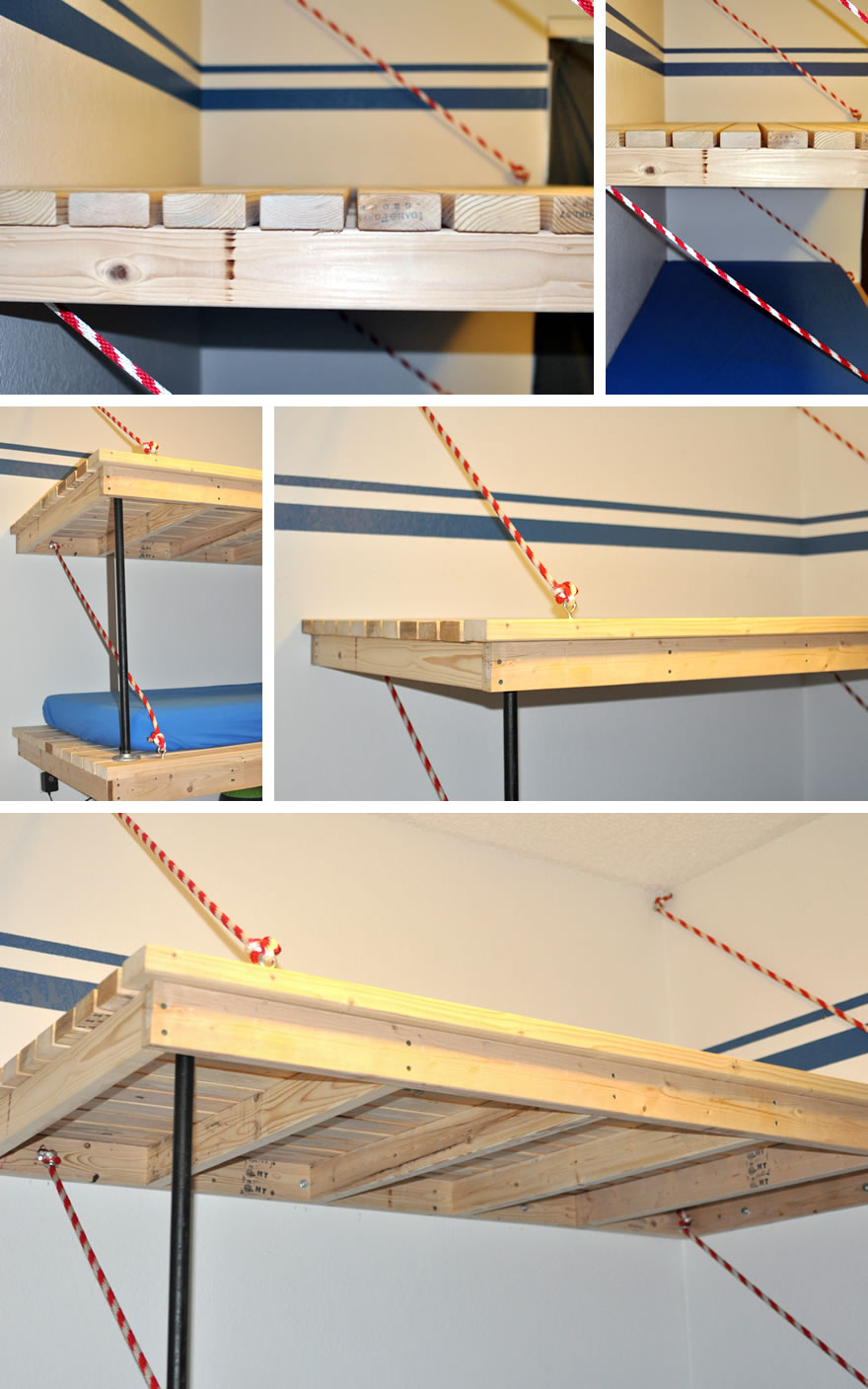
Credit: christianross.net
Materials Needed
Building a folding bunk bed needs the right materials. Choosing good materials makes the bed strong and safe. This section lists all you need for the project. The materials fit the bed design and help it fold smoothly. Keep the list close for easy reference.
Wood Types And Sizes
Select sturdy wood for the bed frame. Pine is common, affordable, and easy to work with. Oak or maple offer higher strength but cost more. Use 2×4 lumber for the main frame. Cut plywood sheets for the bed base. Ensure all wood pieces are straight and free of cracks. Proper sizes keep the bed stable and balanced.
Hardware Essentials
Use strong hinges to allow folding movement. Choose heavy-duty metal hinges for durability. Include locking brackets to keep the bed in place when open. Use screws that match wood thickness to avoid splitting. Add corner braces for extra support at joints. Quality hardware ensures safety and smooth operation.
Tools Required
Gather essential tools before starting. A saw is needed to cut wood pieces accurately. A drill helps make holes for screws and hardware. Screwdrivers are necessary to fasten screws securely. Sandpaper smooths rough edges to prevent splinters. A tape measure ensures precise measurements for all cuts. Having the right tools saves time and effort.

Credit: www.youtube.com
Planning Your Design
Planning your folding bunk bed design is the first step to success. A clear plan helps you build safely and efficiently. It saves time and materials. Think about the space, frame, and folding parts before starting.
Measuring Your Space
Measure the room carefully. Note the height, width, and length available. Check for doors, windows, and vents that might block the bed. Allow extra space for movement around the bed. Accurate measurements prevent mistakes later.
Sketching The Frame
Draw a simple frame design on paper. Include the bed’s height, length, and width. Mark where the mattress will sit. Show how the bed folds against the wall. Sketching helps visualize the final product clearly.
Choosing The Folding Mechanism
Select a strong folding mechanism for safety. Common options include hinges or sliding rails. Pick one that supports the bed’s weight easily. Test the mechanism for smooth opening and closing. A good choice makes folding quick and secure.
Cutting And Preparing Wood
Cutting and preparing wood is a key step in making a folding bunk bed. It shapes the parts and ensures a good fit. Taking time here saves problems later. Accuracy and safety matter most.
Use the right tools and prepare your workspace. Clean, flat surfaces help with precise cuts. Measure twice, cut once. Proper preparation leads to strong, smooth wood pieces.
Marking And Measuring
Start by measuring the wood pieces needed. Use a tape measure and pencil for clear marks. Mark all cut lines carefully. Double-check measurements before cutting. Clear lines guide your saw and reduce mistakes.
Safe Cutting Tips
Wear safety glasses and gloves before cutting. Use clamps to hold wood steady. Cut slowly with a sharp saw. Keep fingers away from the blade. Take breaks if needed to avoid tiredness. Safety keeps the project smooth and accident-free.
Sanding And Finishing
After cutting, sand all edges and surfaces. Use medium then fine sandpaper. Smooth wood feels safer and looks better. Remove dust with a brush or cloth. Apply finish or paint to protect wood. This step makes your bunk bed last longer.
Building The Frame
Building the frame is the first step to make your folding bunk bed strong and safe. This part holds the whole bed together. A solid frame keeps the bed stable and easy to fold. Focus on accurate measurements and sturdy wood. Take your time to ensure each part fits well. Follow each step carefully for the best results.
Assembling The Base
Start by cutting the wooden pieces for the base. Use thick, strong wood for support. Lay the pieces flat on the floor. Connect them with screws or bolts. Make sure the corners are square and tight. The base must hold weight without bending. Check that the frame is level before moving on.
Constructing The Bunk Supports
Next, build the vertical supports for the upper bunk. Cut long wooden beams to the right height. Attach them firmly to the base corners. Add horizontal braces between the supports for extra strength. These braces stop the frame from shaking. Double-check all joints are secure and tight. This step ensures the bunk stays stable when folded.
Installing Safety Rails
Safety rails protect the person sleeping on the top bunk. Cut rails long enough to cover the bed sides. Attach them to the upper bunk frame with screws. Make sure rails are high enough to prevent falls. Sand all edges smooth to avoid splinters. Test the rails by gently pushing them. They should not move or wobble.
Adding The Folding Mechanism
Adding the folding mechanism is a key step in making a folding bunk bed. This part allows the bed to fold smoothly and save space. Choosing the right parts and fixing them correctly is important. The bed must be safe and easy to fold. Follow simple steps to install the folding mechanism.
Selecting Hinges And Brackets
Pick strong hinges that support weight well. Look for heavy-duty metal hinges. They hold the bed frames firmly. Brackets help keep the bed stable when folded. Choose brackets that fit your bed size. Make sure they allow easy folding without stuck parts.
Attaching Folding Components
Mark where the hinges will go. Use a pencil and ruler for accuracy. Drill holes carefully to avoid wood cracks. Screw hinges firmly to the frame. Attach brackets to the right spots. Check all screws are tight and secure. Keep parts aligned to avoid folding issues.
Testing The Fold Function
Try folding the bed slowly at first. Notice if it moves smoothly or feels stuck. Adjust screws or hinge positions as needed. Make sure the bed locks in place when open. Check stability and balance before use. Repeat testing until folding works easily and safely.

Credit: stbarthvillarental.com
Finishing Touches
Finishing touches bring your folding bunk bed to life. These final steps improve both look and safety. Focus on painting, adding comfortable bedding, and securing the bed to walls. Each task helps make your bed ready for daily use.
Painting Or Staining
Choose paint or stain that suits your room style. Painting adds color and protects the wood. Staining keeps a natural wood look and highlights grain. Use a brush for even coats. Let each layer dry well before the next. Apply a clear sealant for extra durability.
Adding Mattresses And Bedding
Select mattresses that fit the bed’s size perfectly. Thin, firm mattresses work best for folding beds. Add soft sheets and cozy blankets for comfort. Use lightweight bedding for easy folding and storage. Keep bedding simple to avoid bulk when folding.
Securing The Bed To Walls
Fix the bed frame firmly to the wall. Use strong brackets or anchors for safety. Secure both upper and lower bunk supports. Check stability before using the bed. Proper wall attachment prevents accidents and keeps the bed steady.
Frequently Asked Questions
How Do You Start Building A Folding Bunk Bed?
Begin by selecting sturdy wood and gathering essential tools. Measure your space carefully. Cut and sand wood pieces precisely for safety and fit.
What Materials Are Best For Folding Bunk Beds?
Use hardwood like oak or maple for durability. Choose high-quality hinges and screws to support weight and movement safely.
How To Ensure Folding Bunk Bed Safety?
Secure all joints tightly. Use locking hinges to prevent accidental folding. Add guardrails and test weight capacity before use.
Can Folding Bunk Beds Save Space Effectively?
Yes, they fold vertically or horizontally to free floor space. Ideal for small rooms or multi-use areas.
Conclusion
Making a folding bunk bed can save space and add comfort. Follow each step carefully for best results. Use strong materials to ensure safety and durability. Take your time to measure and cut accurately. The bed folds easily, making your room neat and tidy.
This project fits well in small rooms or guest spaces. Enjoy the extra sleeping area without losing floor space. Try this idea to improve your home’s functionality today.