Are you wondering how long your little one should sleep in a toddler bed? Finding the right sleep routine for your child can be tricky, and you want to make sure they’re comfortable and safe.
Knowing how long your toddler needs to stay in their bed can help you create better sleep habits and avoid common struggles like bedtime battles or restless nights. Keep reading to discover the ideal sleep duration for toddlers in their beds and get tips to make bedtime smoother for both you and your child.
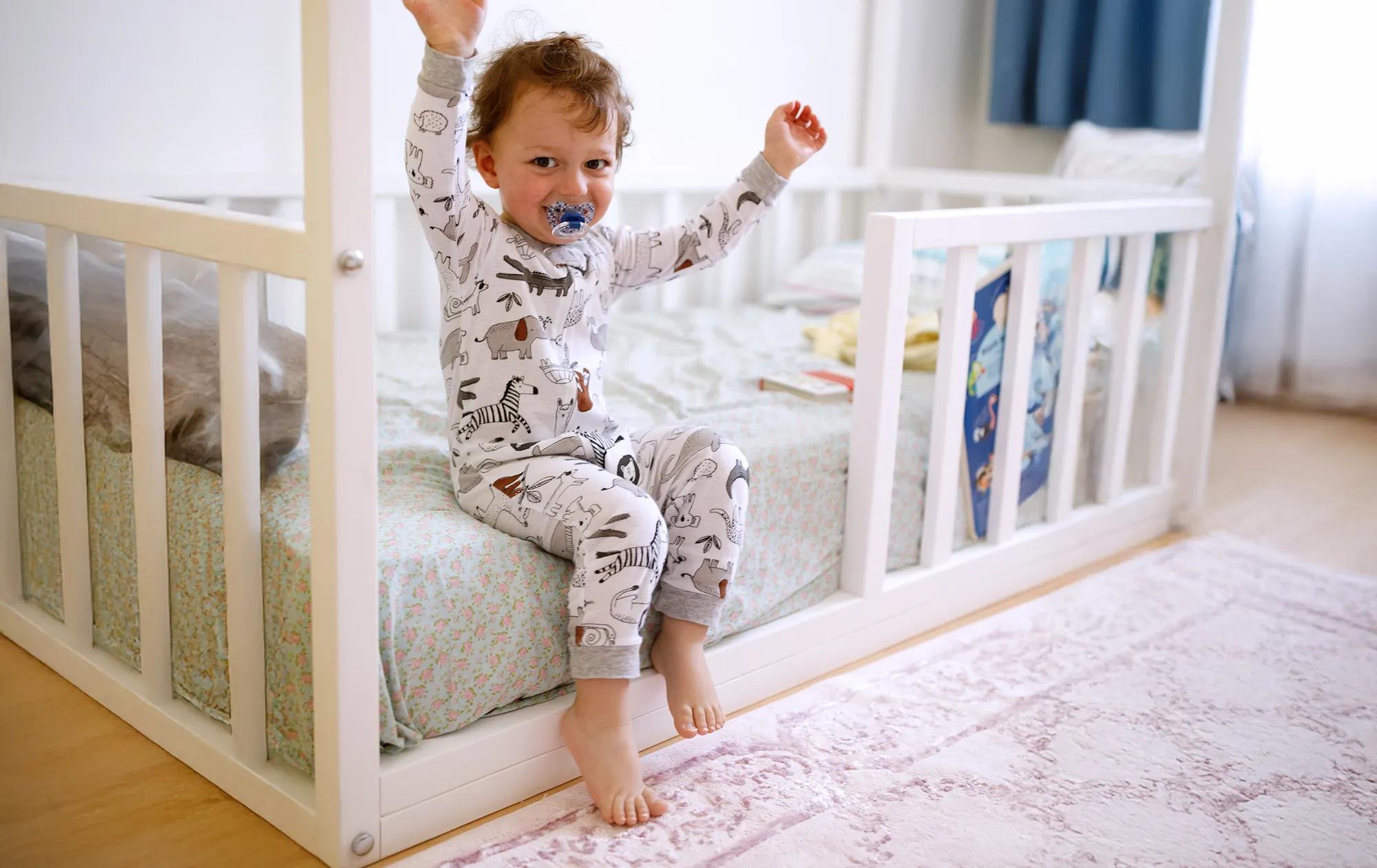
Credit: health.clevelandclinic.org
Toddler Bed Transition Age
Moving your child from a crib to a toddler bed is a big step. This change depends on your child’s growth and behavior. The right time varies for each child. Understanding when to transition helps make the switch smooth and safe.
Signs Your Child Is Ready
Your child may start climbing out of the crib. This can be unsafe and shows readiness. They might ask for a “big kid” bed. Nighttime potty training can also be a sign. Watch for increased independence during the day. These clues show your toddler is ready to move on.
Ideal Age Range
Most children switch between 18 months and 3 years old. Some may change earlier or later. The average is around 2 years old. This age fits many toddlers’ size and skills. Keep your child’s safety and comfort in mind. Follow their unique pace, not just age.

Credit: www.flyawaydesigns.com
Recommended Sleep Duration
Toddlers need enough sleep to grow and stay healthy. Sleep helps their brain develop and their bodies rest. Knowing how long a child should sleep in a toddler bed is important. It guides parents to create good sleep habits early on.
Sleep needs change as toddlers grow. A toddler’s total sleep includes naps and nighttime rest. Balancing these helps children feel happy and active.
Age-based Sleep Needs
Toddlers aged 1 to 2 years need about 11 to 14 hours of sleep daily. This amount supports their rapid growth and learning. By age 3, sleep needs slightly decrease to 10 to 13 hours per day.
Each child is different, but these ranges work for most toddlers. Consistent sleep schedules help toddlers adjust to their new beds.
Naps And Nighttime Sleep
Toddlers usually take one or two naps during the day. These naps total about 1 to 3 hours of sleep. Nighttime sleep makes up the rest of their daily sleep time.
As toddlers grow, naps become shorter and less frequent. By age 3, many children stop napping and sleep longer at night. Good naps support better nighttime sleep and mood.
Factors Affecting Sleep Length
Several factors influence how long a toddler sleeps in their bed. These factors can change from day to day. They affect the quality and length of sleep. Understanding these helps parents support better sleep habits for toddlers.
Developmental Changes
Toddlers grow quickly. Their sleep needs change as they develop. Brain growth, motor skills, and emotional changes play a role. Sometimes toddlers need more sleep. Other times, they need less.
Teething or learning to walk can disrupt sleep. Nightmares or fears may also shorten sleep. These are normal parts of development. They affect how long a child stays asleep in their bed.
Routine And Environment
A consistent bedtime routine helps toddlers fall asleep faster. Quiet activities before bed calm the mind. A dark, cool room supports longer sleep periods.
Noise, light, or temperature changes can wake toddlers. Regular sleep and wake times set a healthy rhythm. This routine affects how long toddlers sleep in their bed each night.
Common Sleep Challenges
Transitioning to a toddler bed brings new sleep challenges for both parents and children. Toddlers may face difficulty staying in bed or falling asleep. Understanding common issues helps create better sleep habits.
Nighttime Wakings
Nighttime wakings are usual during toddlerhood. Toddlers might wake up scared or confused in a big bed. They may call for parents or try to leave the bed. This can disturb their sleep and yours.
Keep the room calm and dark to ease their return to sleep. A nightlight can comfort a toddler without brightening the room too much. Consistent routines also help reduce frequent wakings.
Bedtime Resistance
Bedtime resistance is common as toddlers test limits. They may refuse to stay in bed or delay sleep by asking for more stories or water. This behavior can extend bedtime and cause stress.
Set clear rules and stick to a bedtime routine. Calm activities before bed prepare toddlers for sleep. Firm but gentle guidance helps toddlers accept bedtime more easily.
Tips For Better Sleep
Helping toddlers sleep well in their new bed is important for their growth. Good sleep habits create comfort and calmness. Parents can use simple tips to improve sleep quality. These tips make bedtime easier and more peaceful for both toddlers and parents.
Below are practical ways to help toddlers rest better in their toddler beds.
Establishing A Routine
Set a fixed bedtime every night. Consistency helps toddlers know when to sleep. Start with calm activities like reading or soft music. Avoid screen time at least one hour before bed. A regular routine signals the body to relax and get ready for sleep.
Creating A Sleep-friendly Space
Make the toddler’s bed area quiet and dark. Use blackout curtains if needed to block light. Keep the room cool and comfortable. Remove toys that might distract or excite the child. A clean and cozy space helps toddlers feel safe and ready to rest.

Credit: www.whattoexpect.com
When To Consult A Specialist
Knowing when to seek help from a specialist about your toddler’s sleep is important. Some sleep problems need expert advice. Early support can help your child rest better and grow well.
Sleep Disorders
Some toddlers may have trouble falling asleep or staying asleep. Snoring, gasping, or restless sleep can signal issues. Sleep apnea or other disorders may affect breathing during sleep. A specialist can check for these problems. Proper diagnosis leads to better treatment and safer sleep.
Behavioral Concerns
Nighttime fears or frequent waking may worry parents. Some toddlers resist bedtime or cry a lot. These behaviors can cause stress for the child and family. A sleep expert or pediatrician can suggest ways to improve sleep habits. They help manage anxiety or habits that disturb sleep.
Frequently Asked Questions
How Many Hours Should A Toddler Sleep In A Toddler Bed?
Toddlers typically need 11 to 14 hours of sleep in a 24-hour period. This includes nighttime sleep and naps. A toddler bed supports this by providing a safe, comfortable space for uninterrupted rest. Consistent sleep schedules help toddlers thrive physically and mentally.
When Is The Right Age To Transition To A Toddler Bed?
Most children move to a toddler bed between 18 months and 3 years. Signs include climbing out of the crib or needing more space. Transition timing depends on your child’s development and safety needs. It ensures better sleep quality and independence.
How Long Do Toddlers Usually Stay In A Toddler Bed?
Toddlers often stay in a toddler bed from about 18 months to 5 years old. This varies based on size, comfort, and readiness for a bigger bed. The toddler bed bridges the gap between a crib and a regular bed, supporting growth stages.
What Factors Affect Toddler Sleep Duration In A Toddler Bed?
Sleep duration depends on bedtime routines, comfort, safety, and the child’s health. A familiar toddler bed helps toddlers feel secure and sleep longer. Disruptions, such as illness or environmental changes, can reduce sleep time temporarily.
Conclusion
Toddlers usually sleep in a toddler bed for about 2 to 3 years. Each child is different, so sleep time may vary. Parents should watch their child’s comfort and safety. A good sleep routine helps toddlers rest well. Moving to a toddler bed is a big step.
It supports their growing independence and comfort. Keep the bedtime calm and steady. This helps toddlers adjust without stress. Sleep quality matters more than exact hours. Help your child feel safe and cozy. This makes bedtime easier and peaceful.