Are you struggling to figure out the perfect bedtime for your toddler? You’re not alone.
Knowing when your little one should go to bed can make a huge difference in their mood, behavior, and overall health. Imagine having evenings where your toddler sleeps peacefully, giving you the calm and rest you both need. You’ll discover simple, clear answers to the question: “What time should my toddler go to bed?
” Keep reading to unlock the secrets to better sleep for your child—and more peaceful nights for your whole family.
Ideal Bedtime For Toddlers
Setting the right bedtime for toddlers helps their growth and mood. Toddlers need enough sleep to stay healthy and happy. A good bedtime makes mornings easier for parents and kids alike. Establishing a consistent sleep schedule supports their development and daily energy.
Recommended Sleep Hours
Toddlers usually need between 10 and 14 hours of sleep every day. This total includes naps and nighttime sleep. Most toddlers sleep about 11 to 12 hours at night. Extra naps help them rest and avoid fussiness. Meeting these sleep hours improves behavior and learning.
Age-based Bedtime Ranges
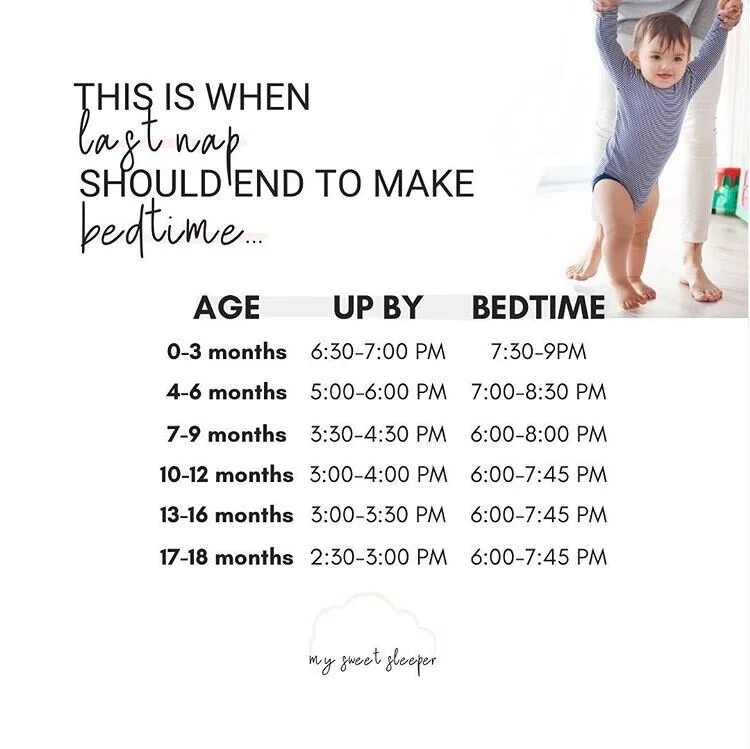
For toddlers aged 1 to 2 years, bedtime is often between 7:00 and 8:00 PM. Kids aged 3 to 5 years do well with bedtime from 7:30 to 8:30 PM. These times support their natural sleep rhythms. Adjust bedtime slightly based on your toddler’s tiredness and wake-up time.

Credit: www.the-sun.com
Signs Your Toddler Is Sleepy
Knowing when your toddler is sleepy helps set the right bedtime. Sleep signs show your child is ready to rest. Spotting these signals makes bedtime smooth and calm.
Common Sleep Cues
Toddlers often rub their eyes when tired. Yawning is another clear sign of sleepiness. They might also look away or lose focus. Some kids get quiet and less active. These cues show their body wants to sleep soon.
Behavioral Indicators
Look for crankiness or sudden mood changes. Toddlers may get clingy or want comfort. They can become restless and fidgety. Some start to whine or cry without reason. These behaviors suggest your child needs sleep now.
Creating A Consistent Bedtime Routine
Creating a consistent bedtime routine helps toddlers feel safe and ready for sleep. It sets clear signals that bedtime is near. A steady routine makes falling asleep easier and improves sleep quality. Toddlers thrive on repetition and predictability. Regular sleep habits support their growth and mood.
Soothing Pre-bed Activities
Choose calm activities before bed to help your toddler relax. Reading a short story is a good way to calm the mind. Gentle singing or soft music also soothes young children. Avoid screen time and active play at least 30 minutes before bed. Quiet time helps lower energy and prepares the body for sleep.
Setting A Sleep-friendly Environment
Make the bedroom a cozy and quiet place. Use dim lighting to signal the end of the day. Keep the room cool and comfortable for better rest. Remove loud toys and distractions that might wake your toddler. A familiar blanket or stuffed animal can provide comfort and security.

Credit: sarahockwell-smith.com
Handling Bedtime Challenges
Diet and exercise play a big role in your toddler’s sleep. What your child eats and how active they are affect how easily they fall asleep and how well they rest. Healthy foods can help calm the body and mind. Physical activity can make your toddler tired and ready for bed.
Choosing the right foods and encouraging play during the day supports better sleep habits. A balanced approach makes bedtime smoother and more peaceful for both toddlers and parents.
Foods That Promote Sleep
Some foods help your toddler relax and get ready for sleep. Dairy products like milk contain calcium, which helps the brain use sleep hormones. Bananas have magnesium and potassium, which relax muscles. Oatmeal is a good source of melatonin, a natural sleep aid. Avoid sugary snacks or drinks near bedtime because they can cause restlessness.
Physical Activity Tips
Daily active play helps toddlers use their energy. Outdoor activities like running or playing in the park are great. Aim for at least one hour of play every day. Avoid intense exercise close to bedtime because it can make your child too energized. Calm activities like walking or gentle stretching work better in the evening.
Impact Of Daytime Naps
Knowing when to adjust your toddler’s bedtime can help them sleep better. Toddlers grow fast and their sleep needs change. Watching their behavior and daily routine can guide you. Changing bedtime at the right time supports healthy sleep habits and happier days.
Signs Bedtime Needs Change
Your toddler may show signs that bedtime needs change. They might resist going to bed or cry more at night. Waking up very early or feeling tired during the day also means bedtime may be too early or too late. Notice if they need more or less sleep than before. These signs help you decide the best time for sleep.
Transitioning To New Sleep Schedules
Changing sleep schedules should be slow and steady. Move bedtime by 10 to 15 minutes every few days. This helps toddlers adjust without feeling upset. Keep a calm and quiet routine before sleep. Consistency makes the new schedule easier. Be patient as your toddler gets used to changes.
Credit: www.nicfaisalabad.com
Frequently Asked Questions
What Is The Ideal Bedtime For Toddlers?
Toddlers should ideally sleep between 7 to 9 PM. This timing supports their natural sleep cycles and growth.
How Many Hours Of Sleep Do Toddlers Need?
Toddlers need 11 to 14 hours of sleep in 24 hours. This includes nighttime sleep and naps for optimal health.
Why Is A Consistent Bedtime Important For Toddlers?
Consistent bedtimes help regulate toddlers’ internal clocks. It improves sleep quality, mood, and overall development.
Can Late Bedtimes Affect Toddler Behavior?
Yes, late bedtimes can cause irritability, hyperactivity, and difficulty concentrating. Early sleep promotes better behavior and learning.
Conclusion
Setting a good bedtime helps your toddler feel happy and rested. A regular sleep schedule supports growth and learning every day. Pay attention to your child’s tired signs to find the best time. Keep bedtime calm and quiet for easy sleep.
Healthy sleep habits bring better moods and energy for play. Remember, each child is unique; trust your instincts and stay consistent. Good sleep sets the stage for a bright tomorrow.