Choosing the right size blanket for your toddler’s bed can be tricky. You want something cozy and just the right fit—not too big, not too small.
But how many yards of fabric do you actually need to make a perfect toddler bed blanket? If you’ve ever wondered this, you’re in the right place. You’ll discover the simple answer and helpful tips to create a blanket your little one will love.
Keep reading to make your next blanket project easy and stress-free!
Credit: suzyquilts.com
Choosing The Right Size
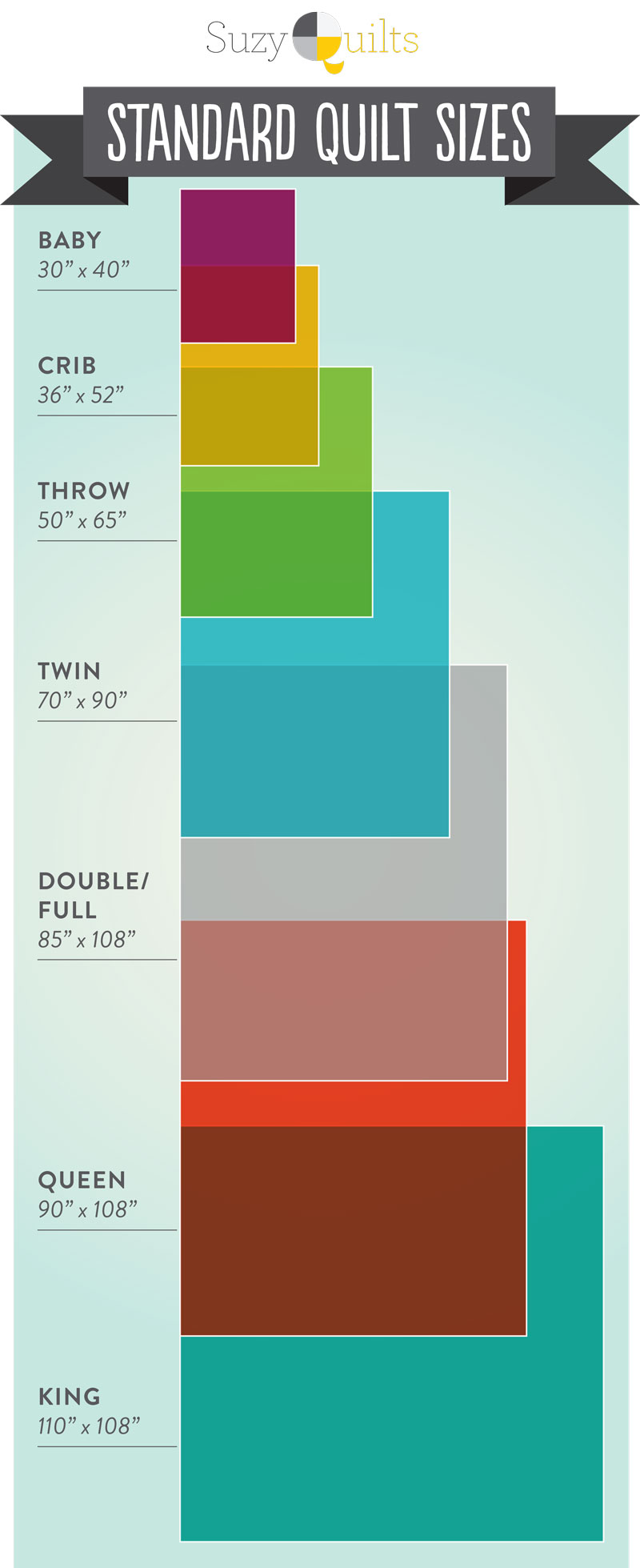
Choosing the right size for a toddler bed blanket is important for comfort and safety. A blanket that fits well keeps your child cozy without causing any risk. It should cover the child properly but not be too large to cause tangling. Understanding the bed size helps select the right blanket size.
Standard Toddler Bed Dimensions
Toddler beds usually have a mattress size of 28 inches by 52 inches. This size is smaller than a twin bed but larger than a crib mattress. Knowing these dimensions helps in picking a blanket that fits well on the bed. The mattress size is the base for selecting blanket measurements.
Blanket Size Recommendations
A good blanket size for a toddler bed is about 40 inches by 60 inches. This size provides enough coverage for warmth and comfort. It is larger than the mattress to allow easy tucking under the mattress edges. Avoid blankets that are too big, as they may pose a safety hazard. Choose soft, breathable fabrics to keep your child comfortable all night.

Credit: knitfarious.com
Fabric Types For Toddler Blankets
Choosing the right fabric for a toddler bed blanket is very important. The fabric affects how soft, warm, and safe the blanket feels. Different materials have unique qualities that suit toddlers’ needs. Knowing these can help pick the best blanket for your child.
Some fabrics focus on softness and comfort, while others offer breathability and safety. Both factors matter for a good night’s sleep and healthy skin.
Softness And Comfort
Toddler skin is delicate and needs gentle fabric. Cotton is a popular choice. It feels soft and smooth against the skin. Fleece is another option. It is warm and cozy, perfect for cold nights. Bamboo fabric is soft and has a silky touch. It also stays cool, making toddlers comfortable all night.
Avoid rough or scratchy materials. They can irritate sensitive skin. Softness helps toddlers relax and sleep better.
Breathability And Safety
Breathable fabric keeps air flowing around the toddler. This reduces sweating and overheating. Cotton and bamboo are highly breathable. They allow heat and moisture to escape easily. This prevents discomfort and skin problems.
Safety is key. Avoid heavy or thick blankets that can trap heat. Lightweight fabrics reduce the risk of suffocation. Choose blankets that are easy to wash. Clean blankets keep germs away and protect the toddler’s health.
Calculating Fabric Yardage
Calculating fabric yardage for a toddler bed blanket is key to a perfect fit. It helps avoid buying too much or too little fabric. Knowing the right amount saves money and effort. This section breaks down the steps to measure and add extra fabric carefully.
Measuring Blanket Dimensions
Start by measuring the length and width of the blanket. Use a tape measure for accuracy. Most toddler blankets measure about 40 by 60 inches. Write down these numbers before moving on.
Adding Seam Allowances
Seam allowances are extra fabric around edges for sewing. Add about 1 inch on each side. This means adding 2 inches to both length and width. This ensures the blanket is not too small after stitching.
Extra Yardage For Patterns Or Designs
Patterns or fabric with designs may need extra fabric. This helps match patterns across seams. Add around 10% more fabric for this. It keeps the blanket looking neat and stylish.
Credit: suzyquilts.com
Diy Toddler Blanket Tips
Creating a toddler blanket by yourself can be a fun and rewarding project. It lets you choose the right size, colors, and patterns. You can also learn simple sewing skills that help you make a cozy and safe blanket. This guide gives easy tips for making a toddler blanket that your child will love.
Choosing Patterns And Colors
Pick bright and cheerful colors for a toddler blanket. Kids like simple shapes and fun patterns. Avoid dark or dull colors that might feel cold or sad. Soft pastels or primary colors work well. Choose patterns with animals, stars, or dots for a playful look. Make sure the fabric is soft and safe for children’s skin.
Sewing Techniques For Beginners
Start with a basic straight stitch to join fabric pieces. Use a sewing machine or sew by hand carefully. Keep stitches even and close to the edge. Use pins to hold fabric before sewing. Choose cotton or fleece fabric for easy handling. Take your time and practice on scrap fabric first. It helps you get used to sewing simple shapes.
Finishing Touches
Add soft edges by folding fabric and sewing twice. This stops fabric from fraying and keeps the blanket neat. Consider sewing a small label with your child’s name. It makes the blanket special and easy to identify. Wash the blanket before use to soften the fabric. Check all seams to make sure they are strong and safe.
Safety Considerations
Choosing the right toddler bed blanket means thinking about safety first. Toddlers are curious and sensitive. A blanket must keep them warm without causing harm. Parents must check the blanket’s size, material, and design carefully. Small details can prevent accidents and keep toddlers safe during sleep.
Avoiding Choking Hazards
Check the blanket for small parts like buttons or loose threads. These can come off and cause choking. Avoid blankets with decorative items that a toddler might pull off. Make sure edges are secure and seams do not unravel easily. A smooth, simple design is best for young children.
Material Safety Standards
Choose blankets made from non-toxic and hypoallergenic materials. These fabrics reduce skin irritation and allergies. Look for blankets that meet safety standards for children’s products. Natural fibers like cotton are gentle and breathable. Avoid synthetic materials that might cause overheating or discomfort.
Care And Maintenance
Proper care and maintenance keep a toddler bed blanket soft and safe. Clean blankets help your child sleep comfortably. Taking small steps protects the fabric and color. This guide shares easy tips for washing and durability.
Washing Instructions
Check the label before washing. Use cold water to protect the fabric. Choose a gentle cycle on your machine. Use mild detergent without bleach. Avoid fabric softeners that can irritate skin. Dry the blanket on low heat or air dry. Wash the blanket separately to prevent damage.
Durability And Longevity
Regular gentle washing extends blanket life. Avoid harsh chemicals and hot water. Fold the blanket neatly when not in use. Store it in a dry, cool place. Repair small tears or loose threads quickly. Use blankets made from strong, natural fibers for longer use.
Frequently Asked Questions
How Many Yards Of Fabric For Toddler Bed Blanket?
Typically, 1. 5 to 2 yards of fabric is enough for a toddler bed blanket. This amount covers a 40″ x 60″ blanket size, allowing room for seams and hems. Choose soft, breathable fabric for comfort and safety.
What Size Should A Toddler Blanket Be?
A toddler blanket usually measures about 40 inches by 60 inches. This size fits most toddler beds comfortably and provides enough coverage for warmth without being too bulky or heavy for a child.
How To Calculate Fabric Yardage For Toddler Blankets?
Measure the blanket’s width and length in inches. Convert to yards by dividing each dimension by 36. Add extra for hems and seams. For toddler blankets, 1. 5 to 2 yards is generally sufficient based on standard sizes.
Can I Use Fleece Fabric For Toddler Bed Blankets?
Yes, fleece is a popular choice for toddler blankets. It’s soft, warm, and easy to wash. Plus, it doesn’t fray, reducing the need for hemming, which makes it ideal for quick sewing projects.
Conclusion
Choosing the right amount of fabric for a toddler bed blanket makes a big difference. About one to one and a half yards usually works well. This size fits most toddler beds comfortably without too much extra fabric. Remember to consider the blanket’s thickness and pattern.
Simple measurements help avoid mistakes. A well-sized blanket keeps your child cozy and safe. Now, you can pick the perfect fabric amount with confidence. Sweet dreams start with the right blanket size.