Are you wondering how long to make toddler bed rails to keep your little one safe and comfortable? Getting the right size is more important than you might think.
If the rails are too short, your child could roll off the bed. If they’re too long, they might feel trapped or uncomfortable. You’ll discover simple tips to measure and create the perfect bed rails. By the end, you’ll feel confident that your toddler’s bed is both safe and cozy.
Keep reading to learn exactly what you need to know!
Credit: www.amazon.com
Choosing The Right Bed Rail Length
Choosing the right bed rail length is key for your toddler’s safety and comfort. The rail must fit the bed perfectly to prevent gaps. A rail that is too long or too short can cause accidents. Understanding bed sizes and measurements helps you pick the best rail. This guide covers the basics to help you find the right length.
Standard Toddler Bed Dimensions
Most toddler beds have standard sizes. The common mattress size is 28 inches wide by 52 inches long. Bed rails are usually made to fit these dimensions. Knowing the standard size helps you avoid buying the wrong rail. Some toddler beds may vary slightly, so double-check your bed size.
Measuring Your Child’s Bed
Use a tape measure to get the exact bed length. Measure from the headboard to the foot of the mattress. Measure both sides if the bed is not symmetrical. Note down the length before shopping for rails. Accurate measurement prevents gaps and ensures the rail fits well.
Adjustable Vs Fixed Rails
Adjustable rails can change length to match different beds. They offer more flexibility if you plan to change beds. Fixed rails have one set length and fit specific bed sizes. Choose adjustable rails for growing toddlers or multiple beds. Fixed rails work well for one bed size only.

Credit: everestkitchennc.com
Safety Considerations For Bed Rails
Safety is the top priority when using bed rails for toddlers. Bed rails protect toddlers from falling out of bed. They must be strong, secure, and free of any risks. Careful attention to safety features helps prevent accidents and injuries. Parents should choose the right size and type of bed rails for their child’s bed. Understanding safety standards and common hazards makes bedtime safer for toddlers.
Preventing Falls And Injuries
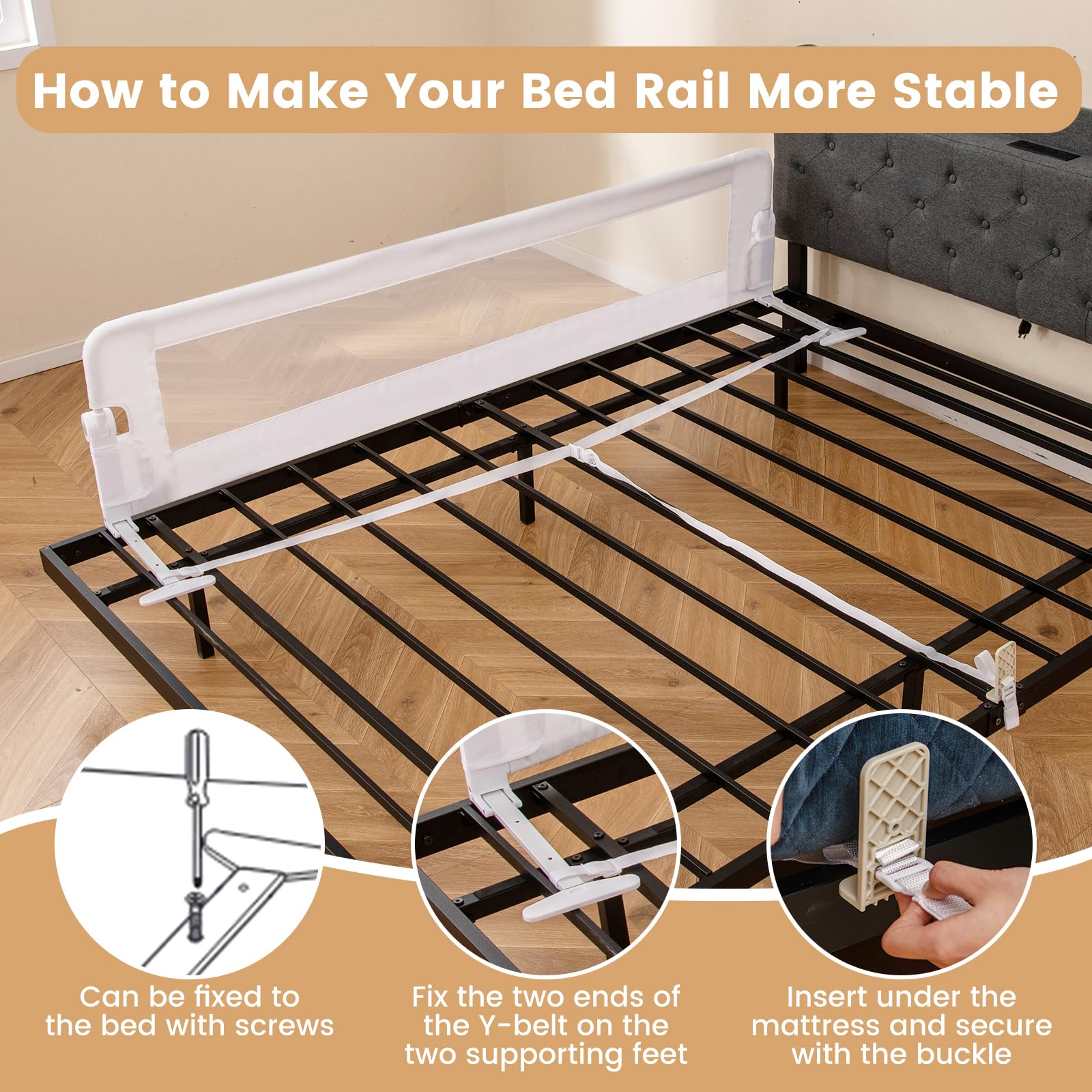
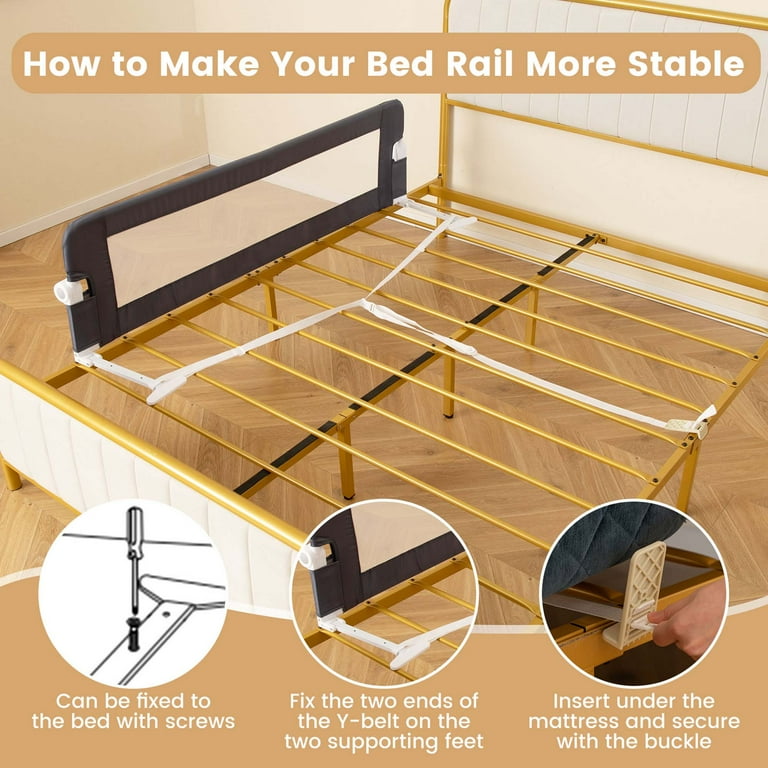
Bed rails must be tall enough to stop toddlers from rolling out. Rails should fit tightly against the mattress and bed frame. Loose or wobbly rails can cause falls. Check that all screws and locks are secure. Avoid gaps between the mattress and rails. These gaps can cause children to slip or get stuck. Always test the bed rail’s strength before use. Keep the bed away from windows or furniture that a child might climb.
Avoiding Entrapment Hazards
Entrapment occurs when a child gets stuck between the bed rail and mattress. This is dangerous and can cause injury or suffocation. Bed rails must have no wide gaps or spaces. The spaces should be small enough to prevent a child’s head or body from fitting through. Avoid rails with bars or slats that are too far apart. Use rails designed specifically for toddler beds. Regularly inspect the rails for damage or wear that creates gaps.
Material Safety Standards
Choose bed rails made from non-toxic, child-safe materials. Avoid paints or finishes that contain harmful chemicals. Look for rails tested to meet safety standards like ASTM or CPSC. These standards ensure the bed rails are strong and safe. Materials should be smooth and free of sharp edges or splinters. Plastic and wood are common materials but must be well-made. Clean bed rails regularly to keep them safe and hygienic.
Diy Toddler Bed Rail Length Tips
Making toddler bed rails at home lets you control the size and safety. Proper length keeps your child secure during sleep. Measuring carefully ensures the rails fit perfectly on the bed. Use simple steps to get the right rail length. Focus on your child’s bed size and sleeping habits for the best result.
Tools And Materials Needed
- Measuring tape
- Pencil and paper
- Wood or sturdy material for rails
- Saw for cutting
- Sandpaper to smooth edges
- Screws or nails
- Drill or hammer
- Safety gear like gloves and goggles
Step-by-step Measurement Guide
- Measure the length of the toddler bed frame.
- Decide how much of the bed side you want to cover.
- Mark the desired rail length on your wood material.
- Cut the rails to the marked length carefully.
- Sand all edges to avoid splinters and sharp spots.
- Check the fit by placing rails along the bed sides.
- Adjust length if the rails are too long or short.
Customizing For Your Child’s Needs
Consider your child’s sleeping style. Some move a lot and need longer rails. Others sleep mostly in the center and need shorter rails.
Think about the mattress thickness. Thicker mattresses may require taller rails. Shorter rails work for thinner mattresses.
Adjust rail height for easy climbing. Too tall can be hard to get in and out of bed. Too short may not protect well.
Common Mistakes To Avoid
Making toddler bed rails is important for your child’s safety. Many parents make mistakes that reduce this safety. Avoiding these errors helps create strong, secure rails. Let’s look at common mistakes to avoid.
Too Short Or Too Long Rails
Rails that are too short do not protect your child well. Your toddler may roll off the bed. Rails that are too long can be unsafe too. They may cause tripping or get caught on other furniture. Measure the bed carefully to get the right length.
Ignoring Bed Frame Compatibility
Not all rails fit every bed frame. Some rails are made for specific sizes and styles. Using the wrong rails can cause gaps or loose fitting. Check the bed frame size and type before making or buying rails. This ensures a tight, safe fit.
Skipping Safety Checks
Safety checks are vital before using bed rails. Check for sharp edges or splinters. Ensure rails are firmly attached and stable. Test the rails by applying pressure. Confirm there are no gaps your child could get stuck in. Regular checks keep your toddler safe every night.
Maintaining And Adjusting Bed Rails
Maintaining and adjusting toddler bed rails keeps your child safe and comfortable. Bed rails need care as your toddler grows and changes. Checking and fixing rails regularly avoids accidents. Simple adjustments can extend the life of bed rails.
Regular Safety Inspections
Check bed rails every week. Look for loose screws or broken parts. Tighten any loose bolts immediately. Make sure rails fit tightly to the bed frame. Remove any sharp edges or splinters. Clean rails to keep them free of dust and dirt. A quick check can prevent many risks.
When To Replace Or Upgrade Rails
Replace rails if they show cracks or broken parts. Upgrade if your child outgrows the current size. Newer rails may have better safety features. Replace rails if they no longer fit the bed securely. Always choose rails that match your toddler’s bed size. Safety is the top priority.
Adapting Rails As Your Child Grows
Adjust rail height to fit your child’s size. Lower rails as your toddler learns to climb in and out. Remove rails when your child no longer needs them. Choose rails that can be extended or shortened easily. Adapt rails to keep your child safe and comfortable. Growing toddlers need flexible bed rails.
Credit: www.walmart.com
Frequently Asked Questions
How Long Should Toddler Bed Rails Be?
Toddler bed rails should be about 39 to 45 inches long. This length safely prevents your child from rolling off. It fits standard toddler mattresses and provides a secure sleeping environment.
When Should I Install Toddler Bed Rails?
Install toddler bed rails when your child transitions from a crib. Usually, this is around 18 months to 3 years old. Rails help prevent falls and give your child a safe sleeping space.
Can Toddler Bed Rails Be Too Long?
Yes, rails that are too long can cause safety risks. Excess length might trap your child or create gaps. It’s important to choose rails that fit your bed’s size perfectly.
How High Should Toddler Bed Rails Be?
Toddler bed rails should be about 5 to 7 inches above the mattress. This height stops your child from falling out but allows easy climbing in and out.
Conclusion
Toddler bed rails keep your child safe during sleep. Choose rails that fit the bed size perfectly. Measure the bed carefully before making or buying rails. Rails should be tall enough to prevent falls but low enough to climb out easily.
Check the rails regularly for any loose parts or damage. Safe and sturdy rails help your toddler sleep peacefully. Remember, comfort and safety go hand in hand. A good bed rail supports your child’s growing independence. Keep these tips in mind for the best toddler bed rails.