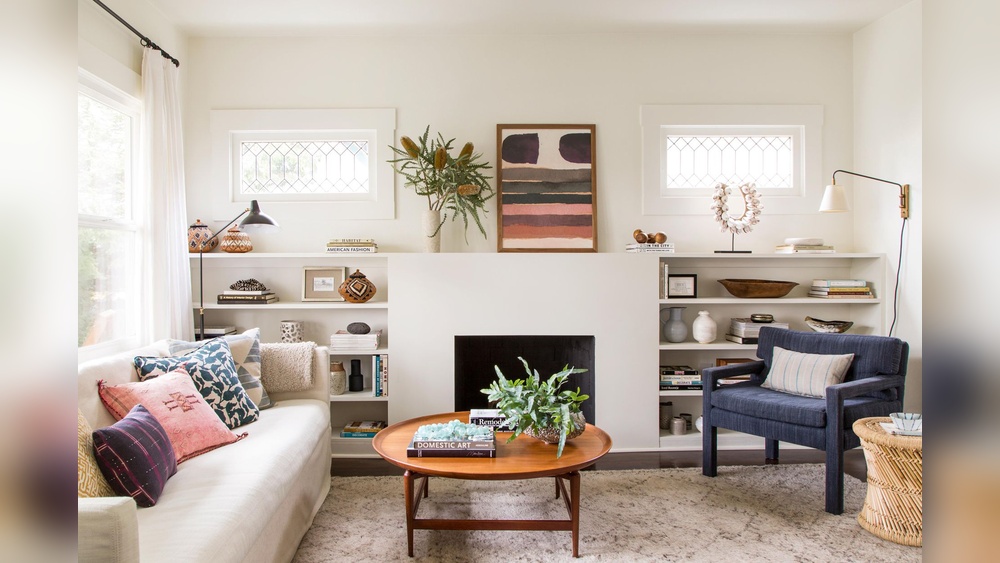
Struggling to make your small living room feel spacious and stylish? You’re not alone.
When every inch counts, setting up your furniture the right way can transform your space from cramped to cozy without sacrificing comfort or function. Imagine a living room where you can relax, entertain, and move around freely—all thanks to smart furniture choices and clever layouts.
In this guide, you’ll discover simple yet powerful tips to arrange your furniture that open up your small living room and make it feel inviting. Ready to unlock the full potential of your space? Let’s dive in and create a living room that truly works for you.
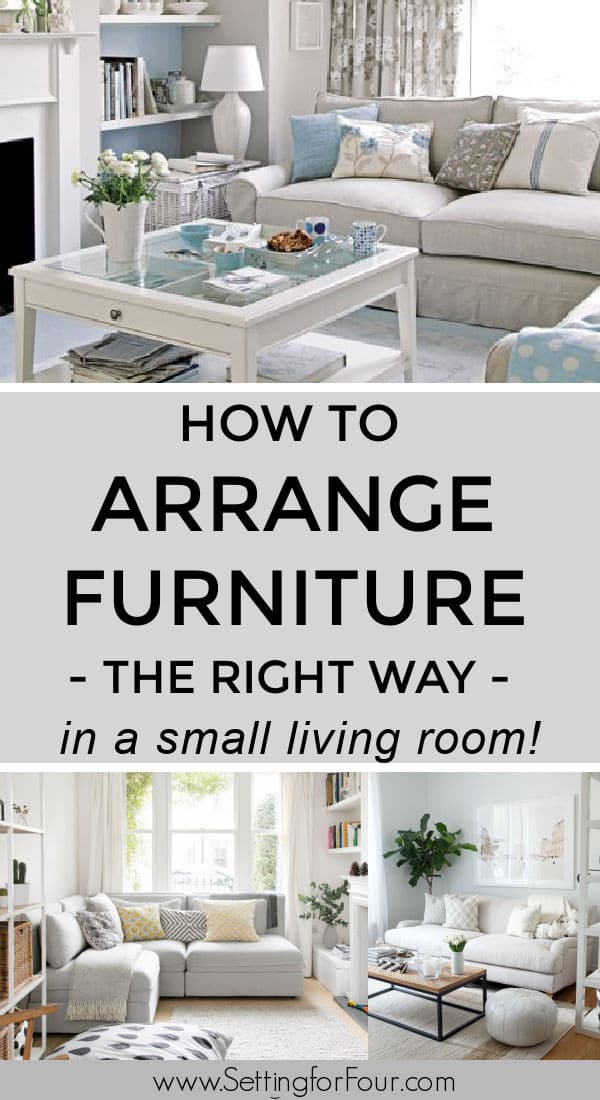
Credit: www.settingforfour.com
Focal Point Creation
Creating a focal point is key in setting up a small living room with furniture. It draws attention and organizes the space visually. The focal point becomes the heart of the room, making it feel balanced and inviting.
Without a clear focal point, the room may seem cluttered or disjointed. A well-chosen centerpiece helps you arrange furniture logically and comfortably. It also guides guests naturally through the room’s layout.
Choosing A Central Feature
Pick one main feature to highlight in the room. This could be a fireplace, a large window, or a media center. Choose something that fits the room’s style and size. The central feature should attract the eye immediately.
Consider the room’s natural light and view. A window with a nice outlook works well as a focal point. A bold piece of art or a statement mirror can also serve the purpose. Keep the feature simple to avoid overpowering the small space.
Arranging Around The Focal Point
Place your largest furniture pieces facing or near the focal point. For example, arrange the sofa towards the fireplace or TV. This creates a natural gathering spot for conversations or relaxation.
Keep pathways clear to maintain good flow around the room. Avoid blocking the view of the focal point with bulky furniture. Use smaller chairs or ottomans to fill gaps without cluttering.
Balance the space by adding side tables or lamps near seating areas. These elements support the focal point and enhance comfort. The goal is to make the room feel open, cozy, and functional.

Credit: www.roomandboard.com
Furniture Selection
Choosing the right furniture is key to setting up a small living room. It helps the space feel open and comfortable. Focus on pieces that fit well and serve multiple purposes. Avoid bulky furniture that overwhelms the room. Think about the room’s size and how you move around it.
Scaling Furniture To Space
Measure your living room before buying furniture. Small sofas or loveseats work better than large couches. Choose chairs that fit without crowding. Pick tables that do not block pathways. Keep enough space to walk easily. Proper scale makes the room look balanced and inviting.
Multi-functional Pieces
Select furniture that does more than one job. Ottomans with storage hold blankets or magazines. Sofa beds offer extra sleeping space for guests. Nesting tables save space and add flexibility. Multi-functional pieces reduce clutter and save room. This approach keeps the living area neat and useful.
Open-legged Designs
Furniture with legs shows more floor area. This design creates a lighter, airier feel. Avoid solid bases that block the view. Chairs, sofas, and tables with open legs help the room look bigger. Choose furniture with slim legs for a modern, clean look. Open-legged designs improve light flow and space perception.
Furniture Arrangement
Arranging furniture in a small living room requires smart planning. The right setup makes the space feel larger and more welcoming. Focus on how to balance comfort with open space. Each piece should have a clear purpose and place.
Floating Furniture From Walls
Pull furniture a few inches away from the walls. This creates a sense of depth and openness. Floating pieces allow easy movement around the room. It also helps to define different areas within the space. Avoid crowding furniture against walls to prevent a cramped look.
Conversation Zones
Create areas where people can talk comfortably. Arrange sofas and chairs in an L-shape or circle around a coffee table. This layout encourages interaction and warmth. Keep the seating close enough to hear each other without shouting. Use small tables to hold drinks and personal items.
Using Corners Effectively
Utilize corners to add more seating or storage. Place a chair or small sofa diagonally in a corner for a cozy nook. Corner shelves or cabinets maximize storage without taking floor space. This strategy keeps the main area open and uncluttered. Corners can become functional and stylish spots.
Space Definition
Defining space in a small living room helps organize furniture and improves flow. Clear boundaries make the room feel larger and more comfortable. Use simple methods to set areas for different activities. This approach guides furniture placement and creates a cozy atmosphere.
Anchoring With Rugs
Rugs anchor furniture by visually grouping pieces together. Choose a rug that fits under the front legs of sofas and chairs. This unifies the seating area and adds warmth. Rugs also add color and texture without crowding the room. A well-placed rug creates a clear zone for relaxing or socializing.
Defining Zones
Create zones for different tasks like watching TV or reading. Place furniture to separate these areas without blocking movement. Use shelves or low tables as natural dividers. Floating furniture away from walls helps shape distinct spaces. Define zones to make your small living room feel purposeful and spacious.
Vertical Space Utilization
Vertical space utilization is key in small living rooms. It helps keep the floor clear and the room feeling open. Using the walls and height smartly adds storage and style without crowding the space.
Think up, not out. This approach frees up precious floor area. It makes the room look taller and less cluttered. Clever use of vertical space turns small living rooms into functional, cozy spots.
Tall Shelving Options
Tall shelves make great use of vertical space. They store books, decor, and everyday items neatly. Choose slim, high shelves to avoid overwhelming the room.
Open shelving adds lightness and airiness. Closed cabinets at the bottom hide clutter. This combination keeps the room tidy and stylish. Place shelves beside sofas or TVs for easy access.
Wall-mounted Storage
Wall-mounted storage saves floor space and adds design interest. Floating shelves hold plants, photos, or small objects. They keep things off tables and floors.
Mount cabinets or cubbies for hidden storage. This helps organize items without bulky furniture. Use hooks or racks on walls for bags or coats. Wall storage keeps everything within reach and off the floor.
Light And Reflection
Light and reflection play a key role in making a small living room feel larger. Proper use of these elements brightens the space and adds depth. They help create an inviting atmosphere without overcrowding the room.
Mirror Placement
Mirrors reflect light and create an illusion of space. Place a large mirror opposite a window to bounce natural light around. Position smaller mirrors near light sources to enhance brightness. Avoid placing mirrors where they show clutter or busy areas. A well-placed mirror can double the room’s visual size and add style.
Light Color Palettes
Light colors make a room look open and airy. Use soft whites, pale blues, or light grays on walls and furniture. These colors reflect light well and reduce shadows. Choose fabrics and finishes that have a slight sheen to catch light. Avoid dark colors that absorb light and make the room feel smaller. Keeping the palette light helps the space feel fresh and calm.
Traffic Flow Management
Managing traffic flow in a small living room is essential for comfort and usability. Proper traffic flow means arranging furniture so people move easily without bumping into items. This helps the room feel open and inviting.
Good traffic flow prevents awkward navigation and keeps the space functional. It also highlights the room’s focal points and balances its layout. Let’s explore simple ways to manage traffic flow with furniture placement.
Pathways And Movement
Clear pathways allow smooth movement across the living room. Leave at least 24 to 30 inches of walking space between furniture pieces. Avoid placing large furniture in the direct path of doorways or main walking routes.
Arrange seating and tables to create natural walkways. Position chairs and sofas so people can move around easily without squeezing through tight spaces. Use rugs or lighting to guide movement visually.
Avoiding Cluttered Spaces
Clutter blocks traffic flow and makes a small room feel cramped. Choose fewer pieces of furniture with simple designs to reduce visual clutter. Keep surfaces clear and avoid overcrowding corners with too many items.
Use multi-functional furniture to save space, such as ottomans with storage or nesting tables. Maintain open areas for walking and avoid pushing all furniture against the walls, which can create crowded edges. Balance furniture placement to keep the room airy and easy to navigate.
:strip_icc()/living-room-large-area-rug-bcf9729c-14f549116b444f129b52258baf998392.jpg)
Credit: www.bhg.com
Frequently Asked Questions
How To Layout Furniture In A Small Living Room?
Create a focal point like a TV or window. Float furniture away from walls to improve flow. Choose scaled, multi-functional pieces. Use vertical storage and a large rug to anchor seating. Arrange seating for conversation and maximize light with mirrors and bright colors.
What Is The 2 3 Rule For Living Rooms?
The 2-3 rule for living rooms suggests arranging 2 to 3 seating pieces to create balanced, comfortable conversation areas. It promotes easy flow and social interaction.
What Is The 3-5-7 Rule In Decorating?
The 3-5-7 rule in decorating balances items in odd numbers for visual appeal: 3 large, 5 medium, and 7 small pieces. This creates harmony and interest in a space.
What Is The 3 4 5 Rule In Interior Design?
The 3-4-5 rule in interior design helps create balanced room layouts. Use a 3:4:5 ratio for furniture placement to ensure harmony and visual appeal. It guides spacing, proportions, and scale, making rooms feel well-organized and comfortable without overcrowding.
Conclusion
Setting up a small living room requires smart choices and clear planning. Focus on a main feature like a window or TV. Use furniture that fits the space and has more than one use. Leave some space between pieces to make the room feel larger.
Add a rug to tie everything together. Use tall shelves to save floor space. Light colors and mirrors help brighten and open the room. These simple steps create a cozy, stylish, and functional living area. Enjoy your small living room to the fullest.