
When you think about your living room, what comes to mind? Comfort, style, and a space where you can relax or entertain guests.
But what furniture should you choose to make your living room both functional and inviting? Whether you’re starting fresh or looking to refresh your space, knowing exactly what pieces to include can transform your living room into a place you love.
In this guide, you’ll discover the must-have furniture that fits perfectly in your living room, helping you create a balanced and welcoming environment. Ready to turn your living room into the heart of your home? Let’s dive in.

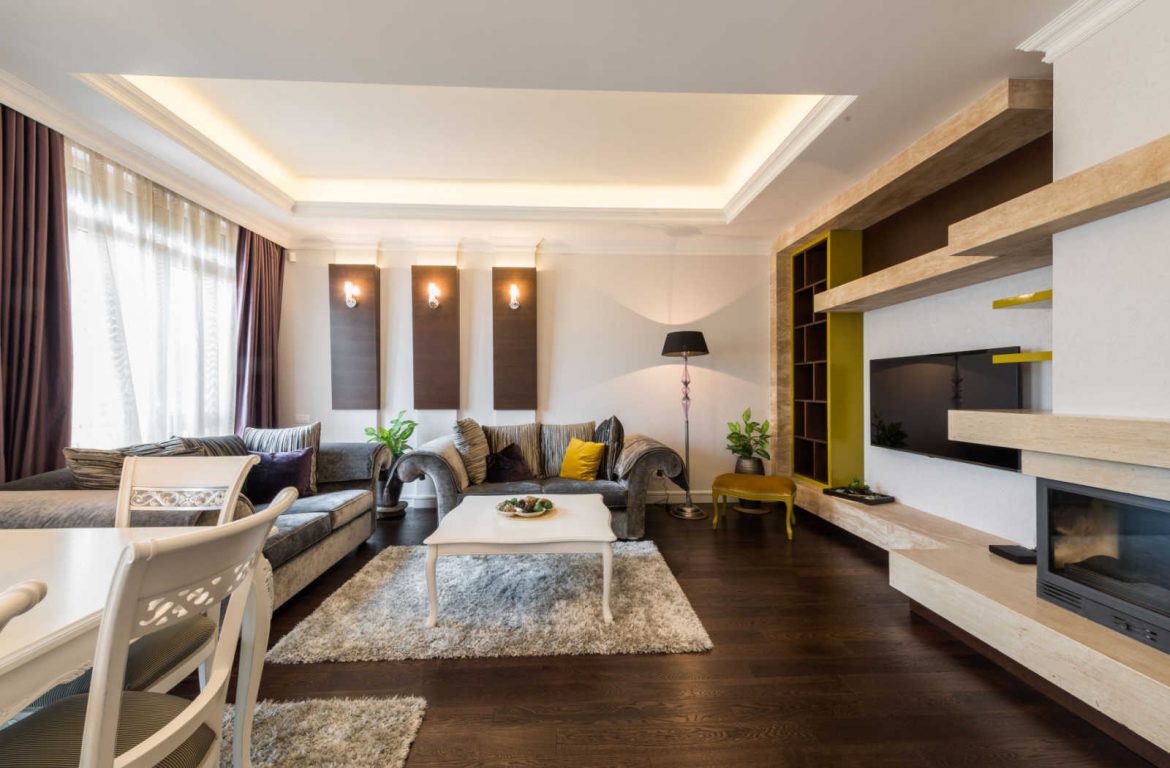
Credit: realestate.usnews.com
Key Living Room Furniture
Choosing the right furniture shapes the heart of your living room. It sets the mood and defines how you use the space. Every piece plays a role, from comfort to storage and style. Focus on key furniture items that balance function and beauty. This helps create a warm, inviting atmosphere for family and guests.
Sofas And Sectionals
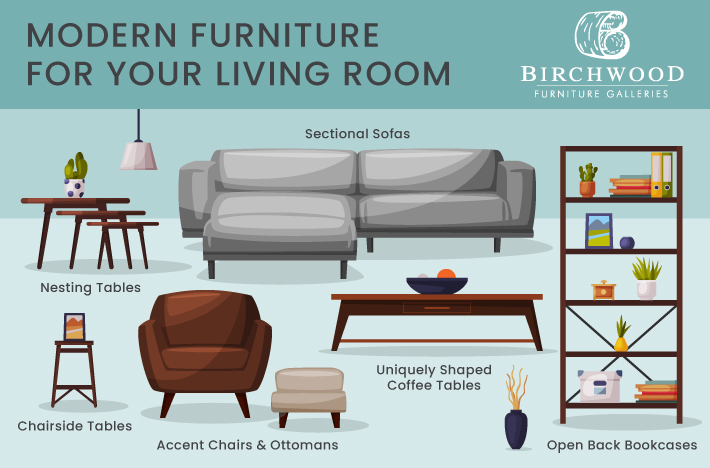
Sofas and sectionals offer the main seating in a living room. They provide comfort and style. Sectionals fit well in larger spaces and allow flexible seating. Sofas come in many sizes and designs to match your décor. Choose one that feels cozy and suits your room size.
Coffee Tables
Coffee tables sit in front of the sofa. They hold drinks, books, and décor items. Pick a coffee table that fits your space and style. It can be round, square, or rectangular. Storage options in coffee tables add extra convenience.
End Tables
End tables go beside sofas or chairs. They provide a spot for lamps, drinks, or remote controls. Small and practical, end tables help keep essentials close. Matching or contrasting with the coffee table creates a balanced look.
Tv Stands And Media Consoles
TV stands hold your television and media devices. Media consoles offer extra storage for games, DVDs, and wires. Pick a stand that fits your TV size and room style. Clean lines and functional storage keep the space neat.
Accent Chairs And Ottomans
Accent chairs add extra seating and style. They bring color or texture to the room. Ottomans provide comfort and can double as footrests or extra seating. Choose pieces that complement your sofa and overall theme.
Bookshelves And Storage Units
Bookshelves display books, photos, and decorative items. Storage units hide clutter and organize your space. Open shelves keep things visible, while closed cabinets protect items from dust. Use them to add personality and order to the room.
Lighting Fixtures And Lamps
Lighting sets the room’s mood and highlights furniture. Floor lamps, table lamps, and ceiling fixtures brighten the space. Layer different types of lighting for a cozy feel. Choose styles that match your décor and provide enough light.
Rugs And Textiles
Rugs define seating areas and add warmth. They soften hard floors and bring color or pattern. Textiles like throw pillows and blankets add comfort and style. Use them to tie the room’s colors and textures together.
Choosing Furniture By Room Function
Choosing furniture by room function helps create a living room that works well for your needs. Each living room serves different purposes. Some rooms focus on social gatherings, others on entertainment or quiet relaxation. Picking the right furniture for these uses makes the space more comfortable and practical.
Consider how you want to use your living room most. This will guide your furniture choices. Let’s explore furniture options based on common living room functions.
Seating For Socializing
Social living rooms need plenty of seating. Sofas, loveseats, and armchairs work well. Arrange seats to face each other. This setup invites conversation and connection. Add a coffee table in the center for drinks and snacks. Choose durable fabrics for frequent use.
Entertainment Focused Layouts
Rooms for watching TV or movies need comfortable seating facing the screen. Sectional sofas or recliners are great choices. Keep pathways clear for easy movement. Include storage for media devices and accessories. Lighting should not cause glare on the screen.
Relaxation And Reading Areas
Create cozy spots with soft armchairs or chaise lounges. Add side tables to hold books and drinks. Good lighting is essential—use floor lamps or table lamps. A small bookshelf can keep favorite reads handy. Choose calming colors and soft textures.
Multi-purpose Spaces
Some living rooms serve many roles. Use versatile furniture like sleeper sofas or ottomans with storage. Modular pieces adapt to different needs. Folding tables or stackable chairs save space. Keep the layout open to change the room easily. This flexibility suits busy households.
Arranging Furniture For Flow
Arranging furniture for flow in a living room is key to making the space comfortable and inviting. Proper layout helps people move easily and feel at ease. It also creates areas for different activities without clutter. Planning the flow means thinking about how furniture fits and how people use the room.
Creating Conversation Zones
Group seating to encourage talking and connection. Place sofas and chairs facing each other. Use a coffee table in the center to anchor the space. Keep the area cozy but not crowded. This setup invites guests to relax and chat naturally.
Maintaining Clear Walkways
Leave enough space for walking paths between furniture. Aim for at least 2 to 3 feet of clearance. Avoid blocking doors or windows. Clear walkways prevent trips and make the room feel open. This helps the room stay functional and easy to navigate.
Balancing Scale And Proportion
Choose furniture that matches the room size. Large pieces can overwhelm small spaces. Small furniture may look lost in big rooms. Mix different sizes carefully for balance. Keep a good ratio between seating, tables, and accessories.
Open Plan Considerations
Use rugs or furniture placement to define areas in open layouts. Create separate zones for living, dining, or work. Avoid clutter by selecting multi-use furniture. Keep flow clear between zones to maintain spaciousness. Open plans work best with thoughtful, flexible arrangements.
Credit: birchwoodfurniture.ca
Materials And Styles
Choosing the right materials and styles for your living room furniture shapes the room’s look and feel. Materials affect comfort, durability, and maintenance. Styles create the room’s mood, from cozy to sleek. Understanding fabrics, finishes, and design trends helps make smart choices.
Popular Sofa Fabrics And Finishes
Soft fabrics like cotton and linen bring comfort and breathability. Velvet offers a luxurious feel and rich colors. Leather is durable and easy to clean but can be cold. Synthetic fabrics resist stains and wear well. Finishes range from matte to glossy, influencing the sofa’s style and care needs.
Wood And Metal Choices
Wood adds warmth and natural beauty to furniture. Oak and walnut are strong and classic choices. Pine is affordable and light in color. Metals like steel and iron give a modern, industrial look. Metal frames are sturdy and often paired with cushions. Mixing wood and metal offers balance and texture.
Mixing Modern And Classic Styles
Combine sleek modern pieces with timeless classics for a unique look. A mid-century sofa pairs well with a vintage coffee table. Clean lines meet ornate details for contrast. Blending styles keeps the room interesting and personal. Focus on harmony in shapes and colors for best results.
Color Coordination Tips
Start with neutral bases like beige, gray, or white. Add pops of color through pillows or rugs. Match furniture tones to wall colors for unity. Use complementary colors to create energy. Keep balance by limiting bold colors to one or two items. Light colors make rooms feel bigger and bright.
Maximizing Storage And Functionality
Maximizing storage and functionality in a living room is essential for a neat and practical space. Well-chosen furniture helps keep items organized while enhancing the room’s usability. Smart storage solutions blend style with convenience, making daily life easier.
Bookshelves And Display Units
Bookshelves offer a great way to store books and showcase decor. They keep your living room tidy and add vertical interest. Display units can hold plants, photos, and collectibles. Open shelves create a light, airy feel. Closed cabinets hide clutter effectively. Choose designs that fit your room size and style.
Storage Ottomans And Benches
Storage ottomans provide seating and hidden space for blankets or toys. Benches with storage compartments work well near entryways or windows. These pieces save space and add comfort. They keep essentials close without crowding the room. Pick neutral colors to match other furniture easily.
Concealed Storage Solutions
Concealed storage includes furniture with hidden compartments. Coffee tables with drawers or lift-up tops hide remotes and magazines. Sofas with built-in storage keep pillows or games out of sight. Wall-mounted cabinets free floor space while storing items neatly. These solutions maintain a clean look and improve room flow.
Budget-friendly Furniture Tips
Choosing furniture for your living room can be costly. Budget-friendly tips help you save money without losing style or comfort. Small changes and smart choices make a big difference. Focus on what you need most and explore creative options.
This way, you get a cozy space without spending too much. Here are some easy tips to keep your costs low and your living room inviting.
Prioritizing Essential Pieces
Start with the basics. A sofa, a coffee table, and some chairs are must-haves. These pieces create a functional space for sitting and relaxing. Avoid buying too many items at once. Add extras later as your budget allows.
Choose furniture that fits your room size and style. Pick items that serve multiple purposes, like storage ottomans. This approach saves space and money.
Buying Secondhand Or Vintage
Used furniture often costs much less than new. Check thrift stores, online marketplaces, and garage sales. You can find unique pieces with character. Look for sturdy items that only need a little cleaning or fixing.
Vintage furniture adds charm and can last for years. This choice reduces waste and supports recycling. Always inspect items carefully before buying to avoid hidden damage.
Diy And Upcycling Ideas
DIY projects let you customize furniture on a budget. Paint old chairs or tables for a fresh look. Replace fabric on cushions to match your decor. Simple fixes can transform worn pieces into stylish ones.
Upcycling uses old items in new ways. Turn wooden crates into shelves or storage units. Use pallets for coffee tables. These ideas add personality and save money. Plus, they make your living room truly unique.
Measuring And Shopping
Measuring and shopping are key steps when furnishing a living room. You need the right size furniture that fits perfectly in your space. This process helps avoid overcrowding or empty spots. Shopping with measurements in hand makes buying easier and smarter.
Taking Accurate Room Measurements
Start by measuring the length and width of your living room. Use a tape measure and write down the numbers. Measure doorways and windows too. Note the height of your ceilings for tall furniture. Check for any obstacles like radiators or built-in shelves. Accurate measurements help you choose furniture that fits well.
Choosing Furniture To Fit Space
Pick furniture that matches your room size. Small rooms need compact sofas and chairs. Large rooms can hold bigger pieces and more items. Leave space for walking paths and comfort. Think about the shape and style that suits your room. Balance function and beauty with size and layout.
Where To Shop In Austin, Texas
Austin offers many places to buy living room furniture. Visit local stores like Living Spaces and Havertys for variety. Check out Crate & Barrel for stylish options. Rooms To Go and Ashley Furniture have affordable choices. Home Depot also sells practical furniture pieces. Explore stores to find the best fit for your home and budget.
Credit: birchwoodfurniture.ca
Frequently Asked Questions
What Furniture Is Usually In A Living Room?
A living room usually includes a sofa, coffee table, armchairs, TV stand, and side tables. Shelves and lamps add function and style.
What Is The 2 3 Rule For Furniture?
The 2-3 rule for furniture means arranging two to three seating pieces per area. It balances space and comfort, enhancing flow and interaction.
What Is Usually Present In A Living Room?
A living room usually contains a sofa, coffee table, chairs, TV stand, lamps, and decorative items like rugs and artwork.
What Is The 3 4 5 Rule In Interior Design?
The 3-4-5 rule in interior design helps create balanced furniture groupings. It suggests 3 main pieces, 4 accent items, and 5 decorative elements for harmony. This rule guides layout for comfort and visual appeal in living spaces.
Conclusion
Choosing the right furniture creates a cozy and functional living room. Start with essential pieces like sofas and coffee tables. Add chairs and storage to fit your space and needs. Remember to keep flow and comfort in mind. Measure your room before buying anything.
This approach helps make a living room you enjoy every day. Simple steps lead to a space that feels just right.
