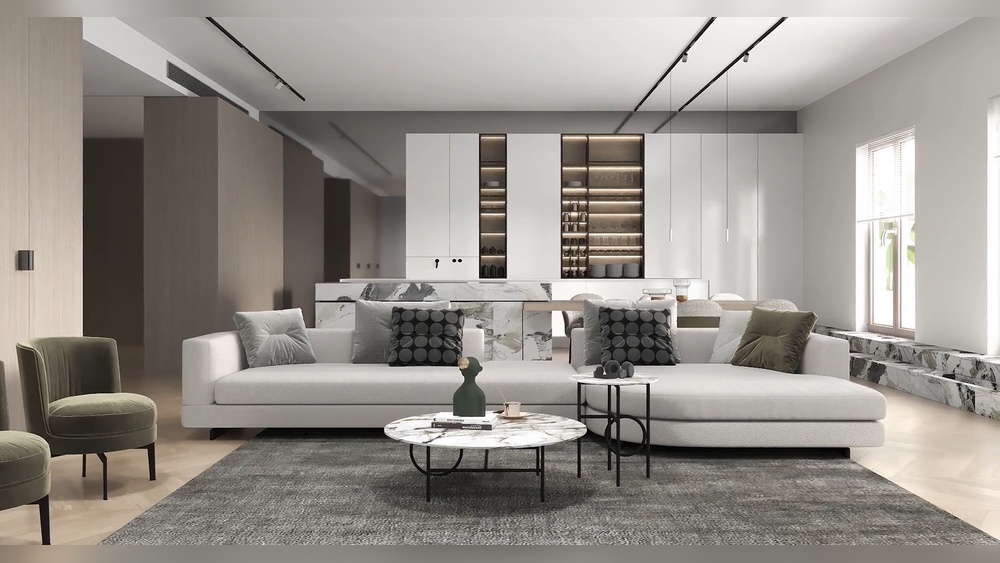
Setting up your living room furniture might seem simple, but getting it just right can transform your space into a comfortable, stylish haven. You want your living room to feel inviting, functional, and balanced—whether you’re relaxing alone or entertaining guests.
But how do you arrange your sofa, chairs, coffee table, and rugs so everything flows naturally and looks great? In this guide, you’ll discover easy, practical tips that help you avoid common mistakes and create a living room layout tailored perfectly to your needs.
Ready to turn your living room into your favorite spot in the house? Let’s dive in and make your space work for you.
Room Function
Understanding the function of your living room is key before arranging furniture. Every living room serves different purposes. Knowing its main use guides your furniture choices and placement. This approach creates a space that feels natural and comfortable.
Primary Activities
Identify the main activities in your living room. Do you watch TV, read books, or relax with music? Arrange seating to support these activities. For example, place sofas facing the TV or near a window for reading. Clear paths help movement and prevent clutter.
Family Needs
Think about your family’s daily habits. Kids may need space for play or study. Adults might want cozy spots for conversation. Choose furniture that fits everyone’s needs. Durable and easy-to-clean materials work well for busy families. Add storage options to keep the room tidy.
Guest Accommodation
Consider how often you host guests. Provide enough seating for visitors without overcrowding. Use flexible furniture like ottomans or foldable chairs. Create zones where guests can chat or relax. A welcoming layout makes your living room inviting for all.
Credit: www.youtube.com
Focal Points
Focal points guide how to arrange living room furniture effectively. They draw attention and create a natural flow in the space. Identifying the main focal point helps place sofas, chairs, and tables in a balanced way. Common focal points include fireplaces, TVs, and artwork. Each focal point demands a different approach to furniture placement for comfort and style.
Fireplace Placement
The fireplace often acts as the room’s centerpiece. Arrange seating to face or surround the fireplace. Keep enough space for easy movement around furniture. Use a rug to anchor the seating area near the fireplace. Avoid blocking the fireplace with large furniture. This setup creates a warm, inviting atmosphere for gatherings.
Tv Positioning
Place the TV where everyone can see it comfortably. Position seating directly across or angled toward the screen. Ensure the TV is at eye level when seated. Avoid glare from windows or lights on the TV screen. Use a media console or wall mount to save space. This layout improves viewing experience and keeps the room organized.
Artwork And Windows
Artwork and windows can serve as unique focal points. Place furniture to highlight art pieces without crowding them. Use lighting to enhance the artwork’s impact. For windows, arrange seating to enjoy natural light and views. Avoid blocking windows with large furniture. This approach balances aesthetics and function, making the room feel open and bright.
Popular Layouts
Choosing the right furniture layout can transform your living room. Popular layouts help create comfort and improve flow. They make the space inviting and functional. Each layout suits different room shapes and needs. Explore these common arrangements to find one that fits your style and space.
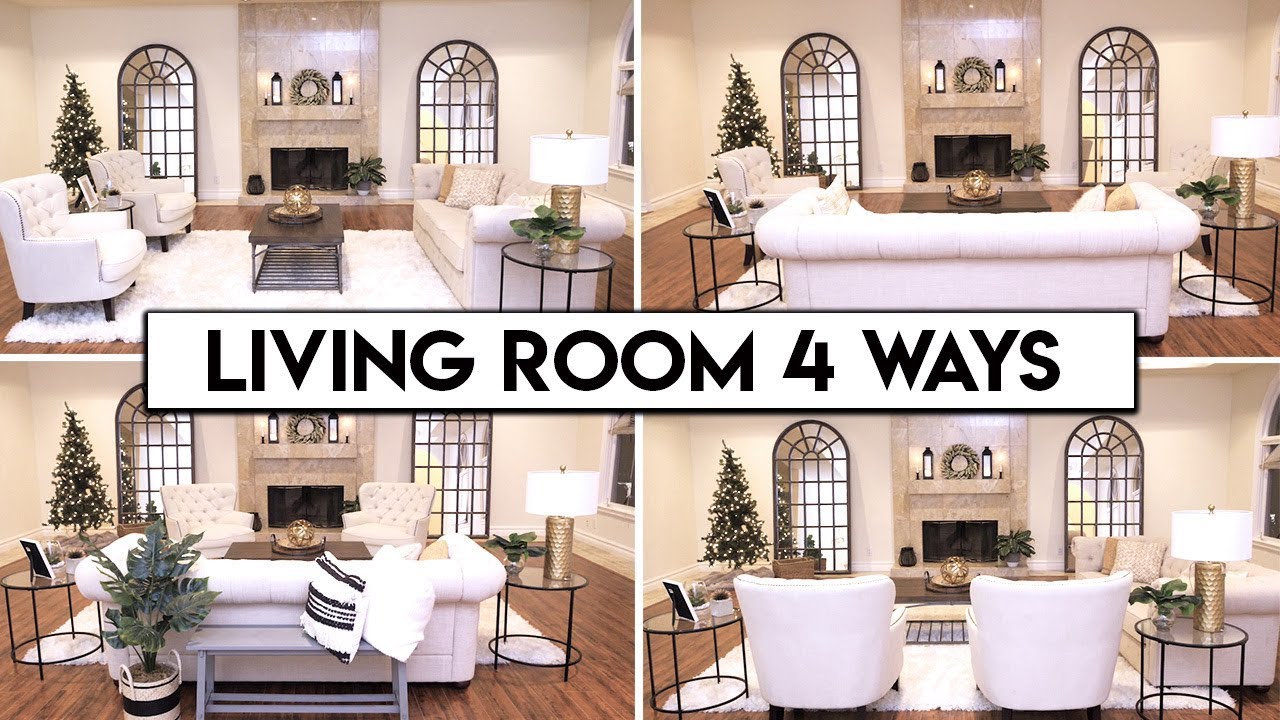
Symmetrical Arrangement
This layout places furniture in pairs facing each other. It creates balance and harmony in the room. Usually, sofas and chairs mirror each other across a coffee table. Symmetry works well for formal or traditional spaces. It helps make the room feel organized and calm.
L-shaped Grouping
Arrange furniture to form an L shape around a corner. This layout fits well in open or small rooms. It creates a cozy corner for conversations and relaxing. One piece often faces the TV or fireplace. The L-shape keeps the room open and easy to move around.
Floating Furniture
Floating means placing furniture away from walls. It works best in large or open rooms. This layout creates a central seating area. It encourages social interaction and better flow. Use rugs to define the space and anchor the furniture. Floating furniture adds a modern and spacious feel.
:strip_icc()/living-room-large-area-rug-bcf9729c-14f549116b444f129b52258baf998392.jpg)
Credit: www.bhg.com
Traffic Flow
Traffic flow in the living room means how people move around the space. Good traffic flow makes the room feel open and easy to use. It helps avoid bumping into furniture or feeling cramped. Setting furniture with traffic flow in mind improves comfort and usability. It allows everyone to move freely without obstacles.
Clear Pathways
Clear pathways guide people through the room smoothly. Leave enough space between furniture pieces for walking. A good rule is to keep at least 2 to 3 feet of space. Avoid placing furniture in narrow or busy areas. Clear paths reduce tripping risks and keep the room inviting. Arrange seating and tables so people can move easily.
Avoiding Obstacles
Obstacles block movement and cause frustration. Avoid placing furniture in front of doors or windows. Keep cords and rugs flat and out of the way. Watch for sharp corners or low tables that may cause accidents. Choose furniture sizes that fit well without crowding. Removing obstacles creates a safer and more open space.
Entry And Exit Points
Entry and exit points need special attention. These areas should stay open and easy to pass. Avoid placing large furniture near doorways. Leave room for doors to open fully without hitting furniture. Make sure the path to the exit is clear and visible. This helps with quick and easy access in and out of the room.
Size And Scale
Choosing the right size and scale for your living room furniture is key to a balanced and comfortable space. Furniture that fits well creates harmony and allows easy movement. Too large pieces crowd the room, while too small ones feel lost. Understanding size and scale helps you design a room that looks and feels just right.
Measuring Your Space
Start by measuring the length and width of your living room. Note any doors, windows, or heaters that affect furniture placement. Measure wall space for larger pieces like sofas or shelves. Use a tape measure or a laser tool for accuracy. Write down all measurements before buying furniture. This step avoids overcrowding and helps you plan better.
Furniture Proportions
Match furniture size with the room’s dimensions. Large sofas suit spacious rooms but overwhelm small ones. Choose chairs and tables that complement the sofa size. Keep enough space for walking paths and clearances. Balance tall items with low ones to keep visual interest. Proper proportions make the room feel open and inviting.
Two-thirds Rule
The two-thirds rule guides visual balance in furniture arrangement. For example, place a sofa on a rug that covers about two-thirds of its length. This makes the rug and sofa look connected, not separate. A coffee table should be roughly two-thirds the sofa’s length to keep proportions pleasing. Artwork above a console should cover about two-thirds of the console’s width. Following this rule helps create a natural, harmonious look in your living room.
:strip_icc()/neutral-living-room-white-fireplace-594af4cd-dfb9df1c2680468ab84c14d87b0b9eb9.jpg)
Credit: www.bhg.com
Balance And Harmony
Creating balance and harmony in your living room furniture arrangement makes the space inviting and comfortable. It means every piece fits well with others, and nothing feels too heavy or too light. A balanced room feels calm and looks organized. Harmony ties all parts of the room together, making it pleasing to the eye.
Visual Weight
Visual weight is how heavy or light an object looks in a room. Large dark furniture seems heavier than small light pieces. Arrange furniture so the heavy items do not crowd one side of the room. Spread them evenly to keep the room balanced.
Use the two-thirds rule for good proportions. For example, a sofa should be about two-thirds the length of the wall behind it. A coffee table should measure about two-thirds the sofa’s length. This keeps shapes and sizes in harmony.
Mixing Patterns And Textures
Mixing patterns and textures adds interest but requires balance. Combine soft fabrics with rough materials to create contrast. Choose one pattern as the main focus and use smaller patterns as accents.
Keep textures in harmony by matching the room’s style. For example, pair a velvet sofa with smooth leather chairs. Avoid too many bold patterns that compete for attention. Balance calm and lively elements for a cozy feel.
Color Coordination
Color coordination helps unify your furniture and decor. Use a simple color palette with two or three main colors. Repeat these colors in different furniture pieces and accessories.
Light colors make a room feel open and spacious. Dark colors add depth and warmth. Balance bright colors with neutral tones to avoid overwhelming the space. Color harmony makes your living room look well-planned and welcoming.
Rugs And Accessories
Rugs and accessories bring warmth and style to your living room. They help define spaces and add personality. Choosing the right rug size and placing accessories thoughtfully creates a balanced, inviting room. Small details make a big impact on the overall look and feel.
Right Rug Size
Select a rug that fits well under your furniture. A rug too small looks lost and unbalanced. Ideally, the rug should extend beyond the sofa edges. At least the front legs of sofas and chairs should rest on the rug. This creates a cohesive seating area. Leave enough floor space around the rug for easy movement.
Coffee Table Placement
Place the coffee table centered on the rug and near the sofa. Keep about 18 inches between the table and seating for comfort. The coffee table should be about two-thirds the length of the sofa. This size keeps the space proportional and functional. Avoid crowding the table with too many items.
Decorative Elements
Use pillows, throws, and plants to add color and texture. Choose accessories that complement the room’s style and colors. Group items in odd numbers for a natural look. Avoid cluttering surfaces; leave space to keep the room open. Mirrors and wall art add height and interest to bare walls.
Lighting
Lighting plays a vital role in arranging living room furniture. It sets the mood and enhances the room’s function. Proper lighting can make the space feel cozy, bright, or inviting. It also highlights your furniture and decor.
Use different types of lighting to create a balanced and comfortable atmosphere. Layered lighting helps you adjust the brightness for various activities. Consider how light interacts with furniture placement for the best effect.
Layered Lighting
Layered lighting means using multiple light sources at different levels. Combine ceiling lights, floor lamps, and table lamps. This variety adds depth and warmth to the living room. Layered lighting prevents harsh shadows and bright spots. It allows flexibility for different times of day and moods.
Task And Ambient Lights
Task lighting focuses on areas where activities happen. Place reading lamps near sofas or chairs. Use adjustable lights for hobbies or work in the living room. Ambient lighting provides overall illumination. Ceiling fixtures or wall sconces create a soft, even glow. Together, task and ambient lights support comfort and function.
Accent Lighting
Accent lighting draws attention to special features. Use spotlights to highlight artwork or plants. LED strips can add a modern touch behind furniture. Accent lights add style and personality to your space. They create visual interest and make the room feel lively.
Open Plan Considerations
Open plan living rooms blend multiple functions into one large space. Setting furniture here needs extra care. Each area must feel separate but connected. The goal is a smooth flow and comfort for all users. Clear zones help define activities without walls. A balanced style ties the space together. Furniture can act as natural room dividers. These points guide your living room setup in open plans.
Zoning Spaces
Create clear zones for different uses like lounging or dining. Use rugs or lighting to mark each area. Arrange seating to face a focal point in each zone. Keep pathways open for easy movement. Zoning helps the room feel organized and purposeful.
Consistent Style
Choose a style and stick to it across the space. Match colors, materials, and shapes in furniture pieces. Consistency makes the room look calm and unified. Avoid mixing too many styles that cause cluttered looks.
Furniture As Dividers
Use sofas or shelves to separate zones naturally. Back-to-back seating can divide living and dining areas. Open shelving creates boundaries without blocking light. This method keeps the room open but well-defined.
Practical Tips
Setting up living room furniture requires thoughtful planning. Practical tips help create a space that feels comfortable and functional. Simple steps make arranging furniture easier and more effective.
Measure Before Buying
Always measure your living room space before purchasing furniture. Know the exact size of walls and floor area. This prevents buying items that do not fit well. Measure doorways and walkways too. Ensure furniture allows easy movement around the room. Use a tape measure or a room planner app for accuracy.
Flexible Furniture
Choose furniture that can adapt to different needs. Pieces with wheels or lightweight materials are easy to move. Modular sofas and nesting tables offer versatility. Flexible furniture helps change the room layout quickly. It suits various activities like relaxing, working, or entertaining guests.
Maintenance And Durability
Pick furniture made from durable materials. Look for easy-to-clean fabrics and surfaces. Durable furniture lasts longer and saves money over time. Regular cleaning keeps furniture looking fresh. Check manufacturer care instructions for best practices. Durable and low-maintenance furniture suits busy households well.
Frequently Asked Questions
How Do I Layout My Living Room Furniture?
Start by choosing a focal point like a TV or fireplace. Arrange seating to promote conversation. Avoid pushing furniture against walls. Ensure clear traffic flow. Use rugs and tables sized proportionally to create balance. Measure your space before buying new pieces.
What Is The 2 3 Rule For Living Rooms?
The 2/3 rule for living rooms means sizing furniture or decor elements at two-thirds the length or width of related items. This creates visual balance, improves flow, and enhances aesthetic appeal in the space. Examples include sofa-to-rug and coffee table-to-sofa proportions.
What Is The 3-5-7 Rule In Decorating?
The 3-5-7 rule in decorating means using at least three patterns, five colors or textures, and seven decorative elements. This creates a balanced, layered, and visually appealing space. It helps avoid monotony and adds depth to your room’s design.
What Is The 3 4 5 Rule In Interior Design?
The 3-4-5 rule in interior design means using at least three patterns, four period styles, and five colors or textures. This creates a balanced, layered, and visually appealing space. It helps designers mix elements harmoniously for a stylish, cohesive look in any room.
Conclusion
Setting living room furniture well makes your space feel welcoming. Focus on balance, comfort, and clear pathways for movement. Arrange pieces to support conversation and highlight your room’s best features. Measure your space before buying new furniture to avoid crowding.
Choose layouts that fit your lifestyle and room size. Small changes can create a big difference in how the room feels. Enjoy a living room that works for you every day.