
Have you ever wondered if snakes can hide inside your living room furniture? Imagine settling into your favorite couch only to discover an unexpected, slithering visitor tucked away in the cushions.
It might sound like something out of a movie, but it’s a real concern for many homeowners, especially those living in areas where snakes are common. You’ll learn why snakes might choose your furniture as a hiding spot, how to spot the signs, and what you can do to keep your home—and your loved ones—safe.
Keep reading to uncover surprising facts that every homeowner should know about sharing space with these elusive reptiles.
Credit: www.homedepot.com
Snakes And Home Furniture
Snakes sometimes find their way inside homes. They seek warmth, shelter, or food. Furniture in living rooms can offer many hiding places. Understanding where snakes might hide is important for safety and peace of mind.
Many people wonder if snakes can hide in sofas or other furniture. Snakes are flexible and can squeeze into tight spaces. This makes certain furniture items potential hiding spots.
Can Snakes Hide In Sofas?
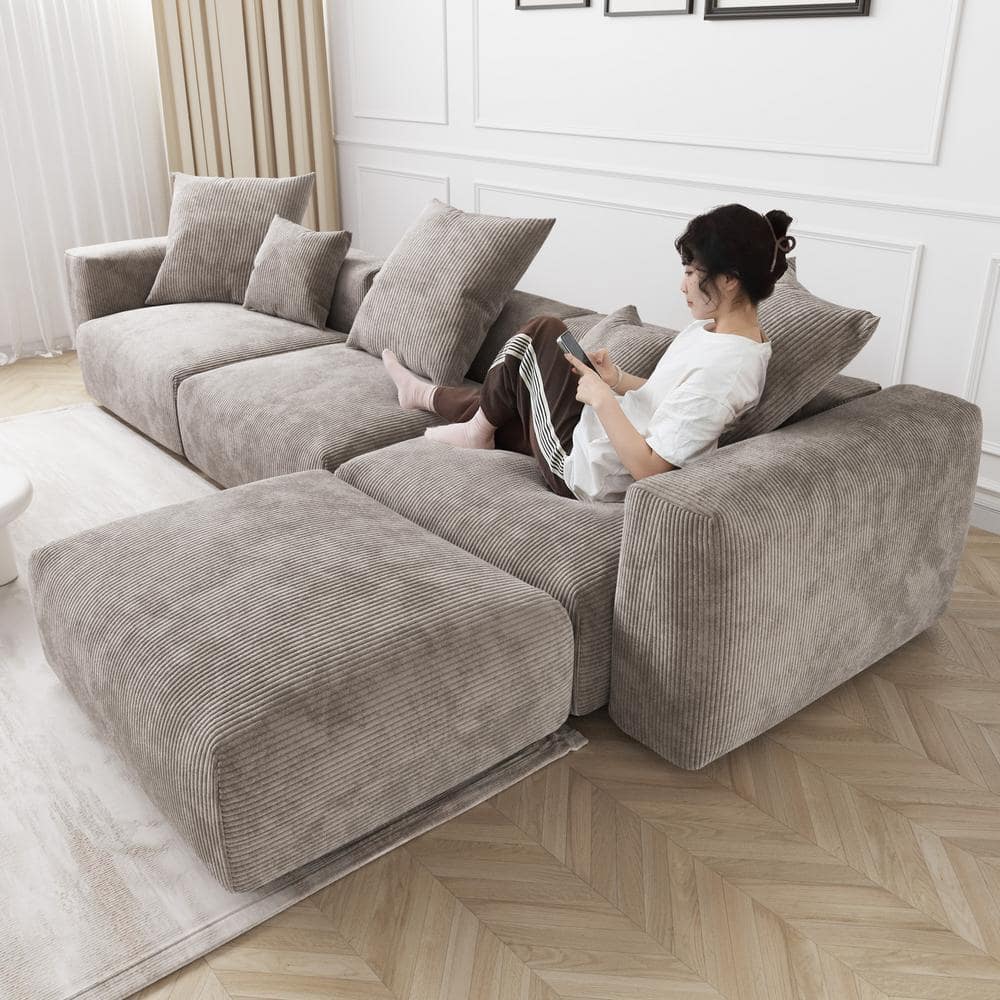
Sofas have soft cushions and hidden gaps underneath. Snakes can easily slip between cushions or under the frame. They prefer dark, quiet areas, which sofas provide. If a snake enters your living room, it might choose the sofa to stay hidden.
Checking under and between sofa cushions regularly helps detect any unwanted guests. Sofas placed near doors or windows are more likely to attract snakes. Keeping the area clean reduces the chance of snakes hiding there.
Common Furniture Hiding Spots
Snakes like small, dark spaces in furniture. Besides sofas, they can hide inside recliners, armchairs, and under coffee tables. Spaces beneath furniture legs or inside hollow furniture are perfect spots for snakes.
Furniture near food sources or plants increases the chance of snake visits. They may also hide behind bookshelves or inside cabinets. Knowing these spots helps in spotting and safely removing snakes from your home.
Why Snakes Enter Homes
Snakes can sometimes find their way into living room furniture. They seek warmth, shelter, or a quiet hiding spot. Detecting their presence early helps keep your home safe. Watch for specific signs that reveal a snake might be nearby.
Unusual Sounds From Furniture
Listen closely for soft rustling or scratching sounds. These noises may come from inside couches or chairs. Snakes move by sliding their scales, which can create faint noises. Strange sounds at night or when the room is quiet deserve attention.
Visual Clues And Movement
Look carefully for quick, smooth movements near or under furniture. Snakes often hide in dark, narrow spaces like under cushions or behind legs of sofas. You might see a glimpse of their shiny scales or a flickering tongue. Shadows or sudden shifts in shape can also hint at their presence.
Odor And Other Indicators
Snakes sometimes leave a musky or musty smell around their hiding spots. This odor is subtle but noticeable if you pay attention. Check for shed snake skins near furniture bases or corners. Small droppings or unusual marks on upholstery may also signal a snake’s visit.
Signs Of Snakes In Your Living Room
Having snakes inside living room furniture can lead to serious problems. These hidden guests pose risks that affect health, safety, and property. Understanding these risks helps keep your home safe and comfortable.
Health And Safety Concerns
Snakes can carry harmful bacteria and parasites. Their presence increases the chance of bites, especially if startled. Some snakes are venomous, making encounters dangerous. Allergies may worsen due to snake skin and droppings inside furniture.
Damage To Upholstery
Snakes moving through furniture can tear fabric and padding. Their sharp scales may scratch wooden or leather surfaces. Over time, this damage lowers the furniture’s value and comfort. Cleaning snake droppings from upholstery is difficult and unpleasant.
Impact On Pets And Family
Pets may become stressed or aggressive around hidden snakes. Small children risk being bitten if they unknowingly disturb a snake. Family members with fear of snakes may avoid certain rooms. The presence of snakes can disrupt daily life and peace at home.

Credit: projectmadenew.com
Risks Of Snakes In Furniture
Snakes in the living room can cause worry and discomfort. Preventing snakes from entering your home starts with a few simple steps. These steps focus on making your living room and house less attractive to snakes. Controlling the environment around and inside your home is key to keeping snakes away.
Sealing Entry Points
Snakes enter homes through small cracks and gaps. Inspect your walls, doors, and windows carefully. Use weather stripping and caulk to close all openings. Pay special attention to areas where pipes and cables enter the house. Sealing these gaps stops snakes from sneaking inside.
Controlling Rodent Population
Rodents attract snakes because they are food sources. Keep your living room clean and free from crumbs or food scraps. Store pet food in sealed containers. Set traps or use safe repellents to reduce mice and rats. Fewer rodents mean fewer snakes visiting your home.
Furniture Maintenance Tips
Snakes like to hide in dark and undisturbed places. Keep your furniture clean and move it regularly. Avoid piling clutter under or behind sofas and chairs. Check cushions and fabric folds for signs of pests or rodents. Good furniture care reduces snake hiding spots.
Preventing Snakes In Your Living Room
Discovering a snake in your living room furniture can be unsettling. Knowing the right steps to take ensures your safety and the snake’s well-being. Act quickly but carefully to handle the situation effectively.
Staying Calm And Safe
Keep calm and do not panic. Sudden movements can startle the snake. Slowly move away to a safe distance. Avoid touching or trying to catch the snake yourself. Keep children and pets away from the area. Observe the snake’s size and color without getting too close. This information helps professionals identify the snake later.
When To Call Professionals
Call animal control or a wildlife removal expert immediately. They have the tools and knowledge to handle snakes safely. Do not attempt to remove the snake yourself. Professionals know how to identify venomous species. They will relocate the snake without harm. Calling experts reduces risk of bites and accidents.
Temporary Measures At Home
Close doors to contain the snake in one room. Place towels or cloth at the bottom of doors to block gaps. Turn off lights to make the snake less active. Remove pets and children from the area. Keep a phone nearby to call for help if needed. Do not try to trap the snake under furniture or containers. Wait for professionals to arrive for safe removal.
Credit: www.architecturaldigest.com
Frequently Asked Questions
Do Snakes Hide In Couches?
Yes, snakes can hide in couches, especially in dark, quiet spaces. They seek warmth and shelter inside furniture.
Where Are Snakes Most Likely To Hide In A House?
Snakes often hide behind appliances, inside walls, under furniture, in basements, attics, or near water sources like bathrooms. They prefer warm, dark, and quiet spots.
How Do You Know If There’s A Snake In Your Ceiling?
You might hear scratching or rustling sounds from your ceiling. Notice any unusual movement or droppings near ceiling vents or lights. Warm spots or small holes could indicate a snake’s presence.
What Attracts Snakes Into Your House?
Snakes enter houses seeking food, warmth, and shelter. Rodents, pet food, clutter, and gaps in walls attract them inside.
Conclusion
Snakes can sometimes hide in living room furniture. They seek warmth, dark, and quiet spots. This makes couches and chairs attractive hiding places. Always check your furniture if you live in snake-prone areas. Keep your living space clean to avoid attracting rodents, which lure snakes.
Use sealed containers for pet food and remove clutter. Regular inspection helps spot snakes early and keeps your home safe. Being cautious prevents unwanted surprises in your living room. Remember, a snake in furniture is rare but possible. Stay alert and protect your home wisely.