Your wicker furniture adds charm and comfort to your outdoor space, but without proper care, it can quickly suffer from sun, rain, and moisture damage. If you want to enjoy your beautiful wicker pieces season after season, sealing them is a must.
Wondering how to seal wicker furniture for outdoor use so it stays strong and vibrant? You’re in the right place. In this guide, you’ll learn simple, effective steps to protect your wicker furniture from the elements, extend its life, and keep it looking fresh.
Keep reading to discover easy tips that will transform your outdoor setup and save you money on repairs or replacements!
Choosing The Right Wicker
Choosing the right wicker is the first step to ensure your outdoor furniture lasts. Different types of wicker offer various benefits and challenges. Understanding these differences helps you pick furniture that stands up to Austin’s weather. Your choice affects how you seal and maintain the pieces.
Natural Vs Synthetic Wicker
Natural wicker comes from plants like rattan or bamboo. It looks warm and classic. It feels light and natural but can be fragile outdoors. Moisture and sun can cause it to crack or fade over time.
Synthetic wicker is made from plastic fibers. It mimics the look of natural wicker but lasts longer outside. This type resists water, sun, and pests better. It requires less care and stays strong in harsh weather.
Durability And Weather Resistance
Synthetic wicker offers higher durability for outdoor use. It handles rain, heat, and cold without losing shape or color. Natural wicker needs extra protection like sealants to stay intact.
Choosing synthetic wicker reduces repair and maintenance time. It is ideal for busy homeowners who want easy care. Natural wicker suits covered or less exposed areas better. Both types can be sealed, but synthetic requires less frequent treatment.
Cleaning Before Sealing
Before sealing your wicker furniture for outdoor use, a thorough cleaning is essential. Dirt, dust, and grime can prevent sealants from adhering properly. Cleaning also removes mold and mildew that damage wicker over time. Prepare your furniture carefully to ensure a smooth, lasting finish.
Removing Dirt And Debris
Start by brushing off loose dirt with a soft brush or cloth. Use a vacuum with a brush attachment to reach tight spots. Mix mild soap with warm water and gently scrub the wicker using a sponge or soft brush. Rinse with clean water and let the furniture dry completely before sealing.
Handling Stains And Mildew
Stains and mildew need special attention. Create a solution of one part white vinegar to three parts water. Apply it to affected areas with a spray bottle or cloth. Let it sit for 15 minutes, then scrub gently with a soft brush. Rinse thoroughly and allow the wicker to dry in the sun to prevent mildew from returning.
Selecting Sealants
Choosing the right sealant is key to protecting your wicker furniture outdoors. The sealant creates a barrier against water, sun, and dirt. It helps the wicker last longer and look fresh. Different sealants offer unique benefits. Pick one based on your furniture’s material and where you place it.
Marine Varnish Benefits
Marine varnish is tough and made for harsh weather. It seals wicker tightly to stop water from soaking in. This varnish also resists cracking and peeling over time. It keeps furniture shiny and new-looking. Marine varnish works best for wicker exposed to rain and humidity.
Uv-resistant Sealants
UV-resistant sealants block harmful sun rays. They prevent wicker from fading and drying out. These sealants keep colors bright and fibers strong. Great for wicker in full sun or hot climates. UV protection lowers damage from long hours of sunlight.
Clear Lacquer Options
Clear lacquer gives a smooth, glossy finish. It enhances the natural look of wicker without changing color. Lacquer dries fast and adds a solid protective layer. Ideal for light use or covered outdoor spaces. It shields against dust and mild moisture.

Credit: www.wickerliving.com
Applying Sealant Properly
Applying sealant properly is key to protecting wicker furniture outdoors. It creates a barrier against moisture, sun, and dirt. Proper application extends the life of your furniture and keeps it looking fresh. Follow the right steps and use the correct tools to ensure full protection.
Tools And Techniques
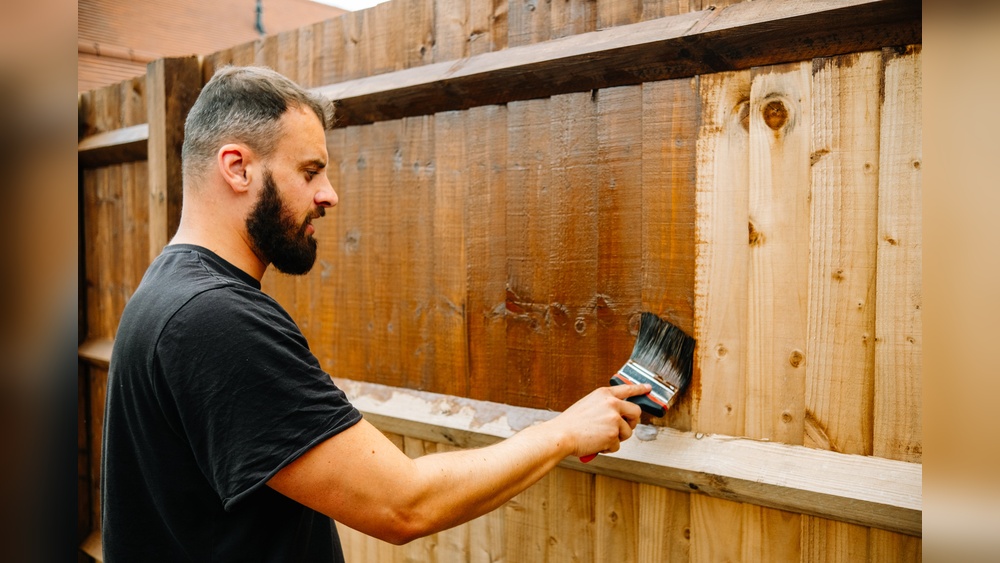
Use a soft brush or foam applicator for smooth coverage. Choose a brush that fits well into wicker crevices. Stir the sealant gently before use to avoid bubbles. Apply thin, even coats rather than thick layers. Thin coats dry faster and prevent drips. Work in a well-ventilated space to speed drying and reduce fumes.
Coating Every Surface
Cover all surfaces of the wicker, including underside and inside edges. Wicker has many gaps that can trap water if missed. Seal the legs and joints as well, since they face wear and moisture. Take your time and check for missed spots under bright light. Reapply sealant to these areas if needed for complete protection.
Drying And Curing Times
Allow each coat to dry fully before applying the next. Drying time depends on temperature and humidity but usually takes 4 to 6 hours. After the final coat, let the furniture cure for 24 to 48 hours. Curing hardens the sealant and boosts durability. Avoid using or placing furniture outdoors until it cures fully.
Protecting Furniture Outdoors
Protecting wicker furniture outdoors is essential for its longevity. Exposure to sun, rain, and humidity can cause damage. Proper care keeps the furniture looking fresh and strong. Simple steps can prevent wear and tear.
Using Breathable Covers
Choose covers made from breathable fabric. These allow air to flow while blocking moisture. Avoid plastic covers that trap humidity. Secure covers tightly to prevent wind from blowing them off. Cover furniture every time it is not in use.
Strategic Placement
Place wicker furniture in shaded areas. Shade reduces sun damage and fading. Avoid spots directly under trees to limit sap and debris. Position furniture under porches or awnings for extra protection. This lowers exposure to rain and harsh sunlight.
Elevating Furniture
Keep furniture off the ground using blocks or risers. Elevation prevents water damage from puddles or wet grass. It also improves air circulation underneath. This reduces moisture buildup and potential mold growth. Elevate furniture especially during rainy seasons.

Credit: songbirdblog.com
Storage Tips
Proper storage is key to keeping wicker furniture in good shape. Wicker is delicate and can get damaged by moisture, sun, or storms. Storing your furniture right helps it last longer and look great. Below are some helpful storage tips to protect your wicker furniture.
Indoor Storage Solutions
Storing wicker furniture indoors is the best way to protect it. Find a cool, dry place like a garage or shed. Avoid damp areas that can cause mold and mildew. Clean the furniture before storing it. Use breathable covers to keep dust off. Do not wrap furniture tightly in plastic as it traps moisture.
Storing Cushions Separately
Remove cushions before storing furniture. Store cushions in a dry, airtight container to prevent mold. Keep them in a cool place away from sunlight. Make sure cushions are clean and dry before putting them away. This keeps them fresh and ready for use next season.
Sheltering During Storms
Move wicker furniture under a covered porch or awning during storms. This shields it from heavy rain and wind damage. If indoor storage is not possible, use strong, breathable covers. Secure covers tightly to prevent water from seeping in. Elevate furniture off the ground to avoid water damage.
Routine Maintenance
Routine maintenance keeps wicker furniture strong and looking fresh outdoors. It protects the sealant and prevents damage from weather. Simple, regular care extends the life of your furniture and keeps it beautiful through seasons.
Regular Cleaning Schedule
Clean wicker furniture often to remove dirt and debris. Use a soft brush or cloth with mild soap and water. Avoid harsh cleaners that can break down the sealant. Rinse gently and let dry in the shade. Regular cleaning prevents mold and keeps the sealant effective.
Reapplying Sealants
Sealants wear off over time due to sun and rain exposure. Plan to reapply sealant every one to two years. Choose a marine varnish or UV-resistant sealant made for outdoor wicker. Clean the furniture fully before applying a new coat. This restores protection and helps prevent water damage and fading.
Inspecting For Damage
Check your wicker furniture for cracks, loose strands, or worn spots. Small damages let moisture in and cause faster decay. Repair minor issues early with wood glue or replacement strands. Early fixing keeps the sealant strong and the furniture stable. Look closely after storms or heavy use.

Credit: modernwicker.com
Frequently Asked Questions
How Do You Treat Wicker Furniture For Outdoor Use?
Treat outdoor wicker by applying a UV-resistant sealant, covering with breathable weatherproof covers, and storing indoors during harsh weather. Clean regularly and keep furniture elevated to avoid moisture damage. Synthetic wicker offers better durability for prolonged outdoor use.
What Can You Put On Wicker Furniture To Preserve It?
Apply a UV-resistant sealant or marine varnish to protect wicker furniture. Use breathable covers and store it indoors during harsh weather. Clean regularly and keep furniture elevated off wet ground to preserve its condition.
Can You Weatherproof Wicker?
Yes, you can weatherproof wicker by applying a UV-resistant sealant or marine varnish. Use breathable covers and store indoors during harsh weather. Clean regularly and keep furniture elevated off wet ground to extend its lifespan. Synthetic wicker offers better weather resistance for outdoor use.
Can Wicker Furniture Be Left Outside In The Rain?
Wicker furniture should not be left in rain unprotected. Use waterproof covers, apply sealants, and store indoors during bad weather to prevent damage.
Conclusion
Sealing wicker furniture protects it from sun and rain damage. Regular cleaning keeps the furniture looking fresh and lasts longer. Use a good sealant and reapply it every few years. Cover your furniture when not in use to keep dirt and moisture away.
Store it indoors or under shelter during bad weather. Small steps make a big difference in preserving outdoor wicker furniture. Enjoy your beautiful, well-protected wicker pieces for many seasons to come.