
Struggling to fit all your living room essentials into a small space without it feeling cramped? You’re not alone—and the good news is, arranging your furniture smartly can transform your compact living room into a cozy, functional haven.
Imagine walking into a room that feels open, welcoming, and perfectly balanced, even if square footage is limited. In this guide, you’ll discover simple, practical tips to arrange your furniture that maximize space, improve flow, and highlight your favorite features.
Ready to make your small living room work harder and look better? Let’s dive in and unlock the secrets to smart furniture arrangement tailored just for your space.
:strip_icc()/209004050_487395819189118_1558427548898429030_n-e37296d51106441d92ab3c405c0d9f6f.jpg)
Credit: www.mydomaine.com
Prioritize Functionality
Prioritizing functionality in a small living room is key to creating a comfortable and efficient space. Every piece of furniture should serve a purpose without overcrowding the room. Thoughtful arrangement helps the room feel larger and more inviting. Focus on how you use the room daily and arrange furniture to support those activities.
Choose A Focal Point
Pick a main feature like a fireplace, TV, or window. Arrange your furniture around this point to create balance. This helps organize the room and gives it a clear purpose. A strong focal point draws attention and makes the room feel intentional. Keep the area around the focal point open to enhance the effect.
Establish Traffic Flow
Plan clear walking paths through the room. Avoid placing furniture in main walkways to prevent clutter. Leave enough space for easy movement between furniture pieces. Good traffic flow makes the room feel more open and less cramped. Think about how people enter and move through the space daily.
Define Zones With Rugs
Use rugs to separate different areas within the room. A rug can highlight the seating area or create a workspace zone. Choose rugs that fit the size of each zone to anchor the furniture. Defining zones helps organize the room visually and functionally. Rugs add texture and warmth while guiding the room’s layout.
Select And Arrange Furniture
Selecting and arranging furniture in a small living room requires careful thought. Each piece should fit the space and meet your needs. Smart furniture choices maximize comfort and open up the room. Thoughtful placement helps maintain good flow and makes the space feel larger.
Opt For Multi-functional Pieces
Choose furniture that serves more than one purpose. A storage ottoman can hold blankets and act as extra seating. A coffee table with shelves offers space for books and decor. Multi-functional pieces reduce clutter and save floor space.
Choose Right Scale
Pick furniture that matches the room size. Avoid large sofas or bulky chairs. Smaller loveseats and slim side tables fit better. Right scale keeps the room balanced and prevents overcrowding.
Try Corner Arrangements
Use corners to place sofas or chairs. This method frees up the center of the room. Corner arrangements create cozy seating zones. It also opens pathways for easy movement.
Use L-shaped Sofas
L-shaped sofas fit snugly into corners. They provide ample seating without wasting space. These sofas help define the living area clearly. L-shapes work well for family gatherings or relaxing alone.
Float Furniture Away From Walls
Pull furniture slightly away from walls. This creates a sense of space and flow. Floating pieces can form conversation areas. It also allows light to move around the room better.
Maximize Storage And Vertical Space
Maximizing storage and vertical space transforms a small living room. It helps keep the area tidy and open. Use walls and clever furniture choices to save floor space. This creates a sense of roominess and order. Smart storage solutions also keep your essentials within easy reach.
Go Vertical With Shelving
Install shelves high on the walls to use vertical space. This frees up floor area for movement and furniture. Floating shelves offer storage without bulk. Use them for books, decor, or small plants. Tall bookcases can hold many items in a small footprint. Vertical storage draws the eye upward, making the room feel larger.
Choose Low-profile Furniture
Select furniture that sits low to the ground. Low-profile sofas and chairs create an open feel. They do not block sightlines across the room. Choose pieces with slim legs to let light pass underneath. This makes the floor space look bigger. Low furniture avoids crowding small rooms and keeps the layout airy.
Embrace Hidden Storage
Choose furniture with built-in storage to reduce clutter. Ottomans with compartments store blankets or magazines. Coffee tables with drawers hold remotes and books. Beds with underframe drawers provide extra space. Hidden storage keeps items out of sight but easy to access. It helps maintain a clean, organized living room.
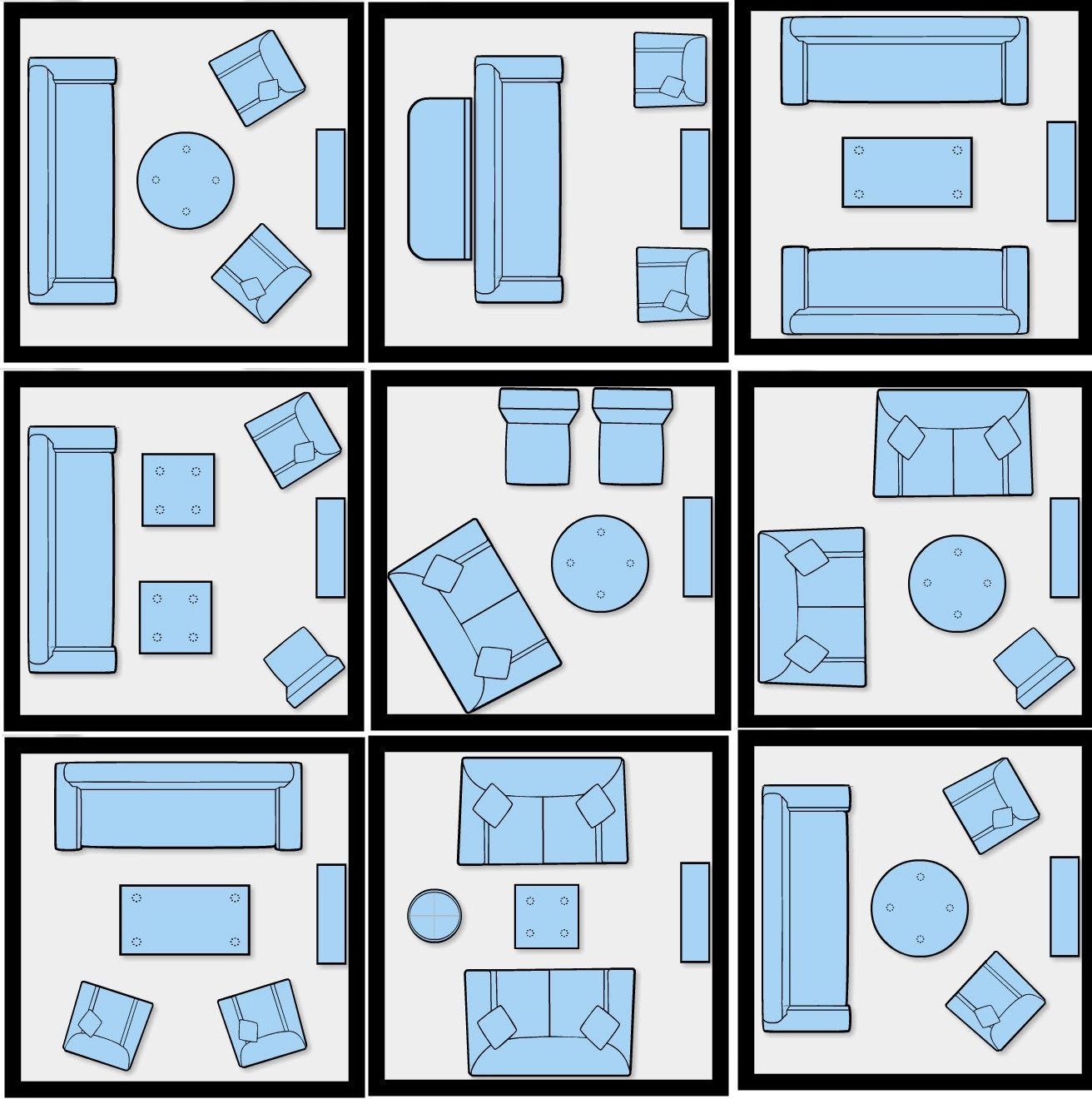
Credit: www.prohomebuyer.com
Enhance Traffic Flow
Enhancing traffic flow is essential in a small living room. It creates a smooth path for movement and prevents the space from feeling cramped. Proper arrangement helps people move easily without bumping into furniture. Clear walkways also make the room look larger and more inviting.
Use Round Coffee Tables
Round coffee tables allow easy movement around the room. They have no sharp corners, reducing the risk of accidents. Their shape fits well in tight spaces and keeps the area open. This choice helps maintain a natural flow for walking paths.
Avoid Overcrowding
Too much furniture blocks traffic and makes the room feel small. Choose only essential pieces to keep the space clear. Leave enough space between items for comfortable movement. Overcrowding can make the living room feel cluttered and chaotic.
Consider Sofa Placement
Place sofas where they do not block main walkways. Position them against walls or in corners to open up the center. This arrangement creates clear paths for moving around. Thoughtful sofa placement improves both comfort and flow in small rooms.
Additional Space-saving Tips
Extra space-saving tips help make a small living room feel bigger and more open. Small changes can create more room for moving and relaxing. Simple ideas often add great value.
Use Vertical Storage
Place shelves or cabinets high on walls. This keeps the floor clear and adds storage space. Use tall bookcases or floating shelves to organize items.
Choose Multi-functional Furniture
Pick pieces that serve more than one purpose. A sofa bed or an ottoman with storage saves space. This reduces the need for extra furniture.
Keep Furniture Light And Low
Use furniture with slim legs and open designs. Light colors and low profiles make the room feel less crowded. Avoid bulky pieces that block sight lines.
Use Mirrors To Create Depth
Hang mirrors opposite windows to reflect light. This tricks the eye into seeing a larger space. Mirrors add brightness and openness to the room.
Limit Decorations
Choose a few key decorations instead of many small ones. A clean, simple look reduces visual clutter. This helps the room feel calm and spacious.
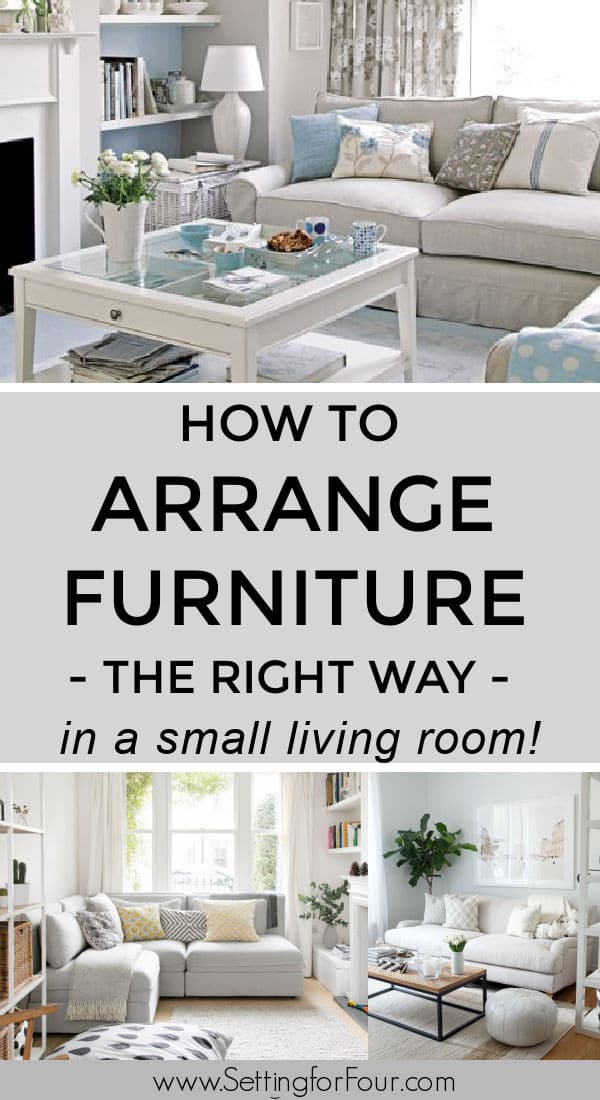
Credit: www.settingforfour.com
Frequently Asked Questions
How To Layout Furniture In A Small Living Room?
Choose a focal point and arrange furniture around it. Use multi-functional pieces and vertical storage. Define zones with rugs or L-shaped sofas. Keep clear traffic paths to avoid clutter. Select scaled furniture and float pieces slightly from walls for openness.
What Is The 2/3 Rule For Living Rooms?
The 2/3 rule for living rooms suggests placing furniture to occupy about two-thirds of the room’s space. This balance creates comfort and flow, preventing overcrowding while maximizing usability. It helps arrange seating and tables harmoniously, ensuring an inviting and functional living area.
What Is The 3-5-7 Rule In Decorating?
The 3-5-7 rule in decorating suggests using three large, five medium, and seven small items. This balance creates visual interest and harmony in a space. It helps layer decor elements effectively for a cohesive look.
What Is The Biggest Mistake In Placement Of Furniture?
The biggest mistake in furniture placement is blocking natural traffic flow, causing cramped and awkward spaces. Always allow clear pathways.
Conclusion
Arranging furniture in a small living room takes careful planning. Focus on creating a clear pathway for easy movement. Choose furniture that fits well without crowding the space. Use rugs or corner sofas to define seating areas. Multi-functional pieces help save space and add storage.
Keep the layout simple to avoid clutter and make the room feel larger. With these tips, your small living room can be both cozy and practical. Experiment to find the best setup that suits your style and needs.
