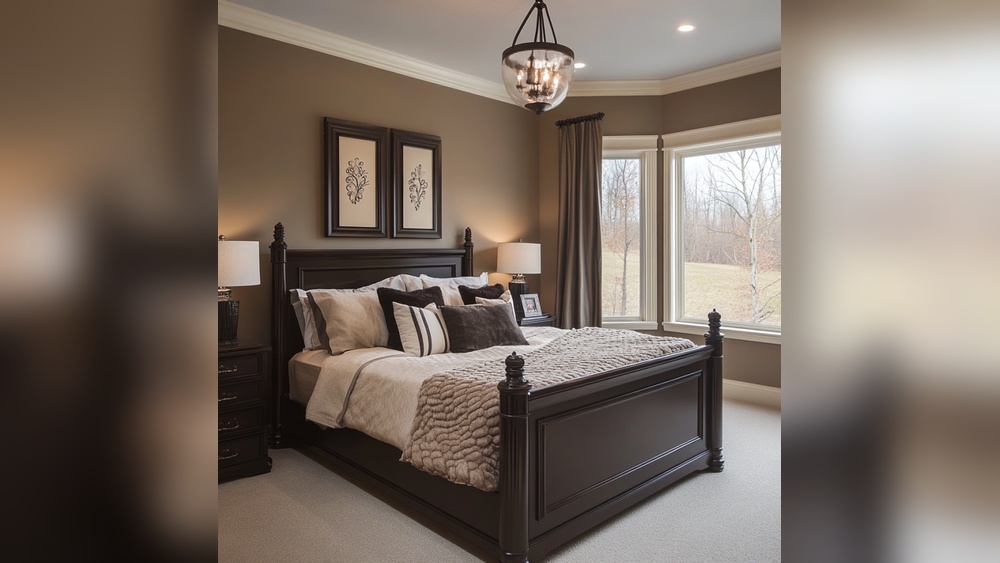
Your bedroom should be a place of comfort and calm, but cluttered or poorly arranged furniture can make it feel cramped and chaotic. How you organize your bedroom furniture plays a huge role in creating a space that truly feels like your sanctuary.
Imagine walking into your room and instantly feeling relaxed because everything has its perfect place. You’ll discover simple and smart ways to arrange your furniture that maximize space, improve flow, and make your bedroom look inviting. Whether your room is large or small, these easy tips will help you transform it into a balanced and beautiful retreat you’ll love spending time in.
Keep reading to unlock the secrets of organizing your bedroom furniture like a pro!
Assessing Your Bedroom Space
Assessing your bedroom space is the first step to effective furniture organization. It helps you understand your room’s size, shape, and features. This knowledge guides your decisions on where to place each piece for comfort and style.
Careful assessment prevents clutter and improves room flow. It also ensures you make the best use of available space. Start with simple tools like a tape measure and a notebook to record details.
Measuring Dimensions
Measure the length, width, and height of your bedroom accurately. Note down measurements of doors, windows, and built-in features. This data helps you choose furniture that fits well without crowding the room.
Include space for walking paths and opening doors or drawers. Allow extra room around the bed for comfort. Accurate dimensions avoid costly mistakes when buying or moving furniture.
Identifying Focal Points
Look for natural focal points in your bedroom like a fireplace or a large window. The bed usually serves as the main focal point, but other features can also draw attention. Arrange furniture to highlight these areas.
Position the bed where it feels balanced and inviting. Avoid blocking focal points with bulky furniture. A well-placed focal point creates harmony and visual interest in the room.
Considering Natural Light
Note the direction and intensity of natural light entering your bedroom. Place furniture to maximize daylight and reduce glare. Avoid blocking windows with large pieces that limit light flow.
Natural light boosts mood and makes the room feel larger. Use sheer curtains to soften light without darkening the space. Thoughtful light consideration improves bedroom comfort and ambiance.
Choosing The Right Furniture
Choosing the right furniture shapes the entire bedroom’s look and feel. It helps create a space that is both practical and inviting. The right pieces make your room comfortable and organized. Focus on what you need most before buying anything. Think about how each item will fit your lifestyle and space.
Prioritizing Essential Pieces
Start with the basics. A good bed is the most important piece. It sets the tone for the room and affects your sleep quality. Next, add storage like dressers or nightstands. These keep your space tidy. Avoid clutter by choosing only what you truly need. Essentials create a clean and calm environment.
Selecting Multi-functional Items
Choose furniture that serves more than one purpose. A bed with drawers underneath adds storage. A bench can be a seat and a place to store blankets. Multi-functional pieces save space and money. They keep your room flexible and neat. Think about how each item can do double duty.
Matching Style And Comfort
Your furniture should feel good and look good. Pick styles that match your taste and room décor. Soft textures and rounded edges add comfort. Choose colors that calm you. Comfort and style together make your bedroom a relaxing retreat. Your space should welcome you at the end of the day.
Maximizing Space Efficiency
Maximizing space efficiency in your bedroom creates a calm, open environment. It makes the room feel larger and more comfortable. Thoughtful furniture placement and smart storage choices help you use every inch well.
Small bedrooms especially need careful planning. Efficient use of space avoids clutter and keeps your room functional. The right setup supports relaxation and good sleep.
Placing Large Furniture Against Walls
Put big items like beds and dressers against walls. This frees up the center of the room. It opens walking space and makes the room feel bigger. Avoid placing large furniture in the middle, which blocks movement.
Choose the longest wall for your bed if possible. This helps balance the room. Keep some space between furniture and walls for easy cleaning and airflow.
Using Vertical Storage Solutions
Use tall shelves and wall-mounted units to save floor space. Vertical storage takes advantage of empty wall areas. It keeps items organized without crowding the room.
Install hooks or racks on walls or doors for bags and accessories. Use floating shelves for books and decor. This strategy keeps the floor clear and tidy.
Creating Clear Traffic Paths
Design wide, clear paths for walking around furniture. Avoid blocking doors or windows with furniture pieces. Clear paths improve safety and ease of movement.
Arrange furniture to guide natural walking routes. Keep at least two feet of space for walking. This prevents a cramped, cluttered feeling in your bedroom.

Credit: puffy.com
Balancing Layout And Flow
Balancing layout and flow in your bedroom creates a calm and inviting space. It helps your room feel open and comfortable. Thoughtful arrangement makes daily tasks easier and improves relaxation.
Good balance means placing furniture so the room feels even and natural. Flow means you can move smoothly without obstacles. Both work together to make your bedroom functional and beautiful.
Achieving Symmetry And Proportion
Symmetry brings harmony by placing similar pieces opposite each other. For example, matching nightstands on each side of the bed add balance. Proportion means choosing furniture that fits your room size. Large rooms handle big pieces well. Small rooms need smaller, lighter furniture to avoid crowding.
Arranging For Easy Movement
Clear paths prevent tripping and keep your space feeling open. Allow at least two feet of walking space around furniture. Avoid blocking doors or windows with large items. Keep the most-used areas free from clutter. This makes your bedroom more practical every day.
Establishing A Visual Focal Point
A focal point draws the eye and adds interest. The bed often serves as the main focus. Highlight it with a bold headboard or artwork above. Other options include a window with a nice view or a statement piece of furniture. Keep surrounding items simple to keep attention on the focal point.
Organizing For Coziness
Creating a cozy bedroom starts with thoughtful furniture organization. The right setup invites comfort and calm. It makes the space feel warm and welcoming. Small changes can turn a plain room into a cozy retreat.
Focus on textures, lighting, and personal touches. These elements work together to enhance coziness. Organizing furniture with these ideas in mind creates a relaxing atmosphere.
Incorporating Soft Textures
Soft textures add warmth and comfort to your bedroom. Use plush rugs to soften the floor. Layer blankets and throw pillows on the bed. Choose curtains made from thick, soft fabrics. These textures make the space inviting and soothing. They create a tactile experience that feels calming.
Utilizing Warm Lighting
Warm lighting sets a cozy mood in the bedroom. Select lamps with soft, yellow bulbs instead of harsh white lights. Place bedside lamps for gentle illumination. Use string lights or candles for extra warmth. Avoid bright ceiling lights that feel cold. Warm lighting helps the room feel restful and snug.
Adding Personal Touches
Personal touches make your bedroom uniquely cozy. Display favorite photos or artwork on the walls. Add meaningful items on shelves or dressers. Incorporate plants to bring life and softness. Use colors that you love and find calming. These details create a space that feels like home.
Tips For Small Bedrooms
Small bedrooms need smart ideas for furniture organization. Space is limited, so every piece counts. Choosing the right furniture and arranging it well makes the room feel larger and more comfortable. Use clever tricks to create a cozy, functional space without crowding.
Choosing Compact Furniture
Select furniture that fits the room’s size. Look for beds with built-in storage or slim frames. Use nightstands that don’t take up much floor space. Avoid bulky sofas or chairs that block pathways. Compact pieces keep the room open and easy to move in.
Using Mirrors To Expand Space
Mirrors create an illusion of more space. Place a large mirror opposite windows to reflect light. Wall mirrors work better than floor mirrors in small rooms. They brighten the room and make it feel bigger without taking up space.
Keeping Clutter To A Minimum
Clutter makes small rooms feel cramped and messy. Store items out of sight in boxes or baskets. Keep surfaces clear and organize clothes in drawers or closets. Regularly remove things you don’t use. A tidy room feels larger and more relaxing.
Tech Tools For Planning Layouts
Organizing bedroom furniture can feel tricky without a clear plan. Tech tools make this process easier and more precise. They help visualize your space and test layouts before moving heavy items. These tools save time and reduce guesswork.
Explore different options that suit your needs and skill level. From simple floor plan apps to advanced augmented reality features, there is a solution for every user. These tools allow you to create a functional and beautiful bedroom layout with confidence.
Apps For Floor Plans And Visualization
Floor plan apps let you draw your room and place furniture digitally. Magicplan creates realistic floor plans by scanning your room with your phone. Homestyler offers easy drag-and-drop furniture placement for quick designs.
RoomScan Pro allows wall scanning or manual drawing to make precise layouts. DecorMatters helps arrange furniture and offers design ideas in one app. These apps provide clear views of your room’s potential.
Augmented Reality Furniture Placement
Augmented reality (AR) apps place virtual furniture in your real room using your phone camera. IKEA Place lets you see how IKEA products fit in your space in real time. This helps check size and style without guessing.
AR tools make it easy to move items around and find the best spots visually. They reduce mistakes from buying wrong-sized furniture. Try different pieces and angles to find your perfect layout.
Virtual Room Arrangement Tools
Virtual room planners let you build and decorate entire bedrooms on your device. SketchUp provides detailed 3D modeling for advanced users. Amikasa offers a simple interface to create and arrange room elements.
Renovate AI suggests layout ideas based on your room’s measurements. These tools help test multiple arrangements without lifting furniture. Virtual planning saves effort and helps create a harmonious space.
:strip_icc()/bedroom-fur-rug-blue-bedspread-f5e36d84-0a567ef8963746dbb0d6001f205a1758.jpg)
Credit: www.bhg.com
Maintaining Your Organized Space
Keeping your bedroom furniture organized is a continuous task. It needs regular care to stay neat and functional. A well-maintained space feels calm and inviting. Small daily actions help preserve order and comfort in your room.
Regular Decluttering Habits
Decluttering your bedroom often keeps clutter from building up. Set a weekly time to check your furniture and items. Remove things you no longer use or need. Clear surfaces and storage areas to keep them tidy. This habit prevents mess and creates more space.
Adapting Layouts Over Time
Change your bedroom layout as your needs evolve. Move furniture to improve flow or add new pieces. Adapt the arrangement for comfort and better use of space. Trying different setups can refresh the room’s look. Make sure the layout supports your daily routines.
Cleaning And Upkeep Tips
Clean your furniture regularly to keep it looking good. Dust shelves, wipe surfaces, and vacuum under beds and chairs. Use gentle cleaners suitable for your furniture materials. Check for loose screws or damage and fix them quickly. Clean spaces feel fresh and help maintain organization.

Credit: www.reddit.com
Frequently Asked Questions
What Is The 2/3 Rule Furniture?
The 2/3 rule in furniture means filling two-thirds of a room with furniture, leaving one-third open for balance and flow.
Is There An App That Helps You Rearrange Furniture?
Yes, apps like DecorMatters, Homestyler, and RoomSketcher let you rearrange furniture virtually using floor plans and AR technology.
What Are The Ways Of Arranging Furniture In The Bedroom?
Arrange bedroom furniture by bed placement, using wall-mounted shelves, creating clear pathways, grouping seating areas, and maximizing natural light. Prioritize space-saving pieces for small rooms and balance symmetry for a harmonious look.
What Are The Four Rules In Furniture Arrangement?
The four rules in furniture arrangement are: create a focal point, maintain balance, ensure clear pathways, and arrange for conversation.
Conclusion
Organizing bedroom furniture can make your space feel calm and fresh. Start by measuring your room and planning layouts carefully. Choose furniture that fits well without overcrowding the room. Keep pathways clear for easy movement and natural light. Use storage wisely to reduce clutter and create a neat look.
Small changes can bring big improvements to your bedroom’s comfort and style. Enjoy your organized space where you can relax and rest better every day.