
Is your outdoor furniture looking dull and dirty? You’re not alone.
Over time, dirt, dust, and grime build up, making your favorite chairs and tables lose their charm. But don’t worry—cleaning your outdoor furniture doesn’t have to be a huge chore. Imagine sitting outside on a sunny day, relaxing on furniture that looks fresh and inviting.
You’ll discover simple, effective ways to bring your outdoor pieces back to life. Keep reading, and you’ll learn easy steps that save you time and effort, so your outdoor space feels like new again.
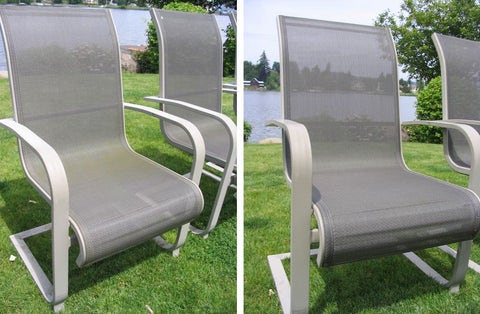
Credit: 30secondscleaners.com
Assessing Your Furniture Material
Assessing your outdoor furniture material is the first step to effective cleaning. Different materials need different care. Knowing what your furniture is made of helps avoid damage. It also ensures the cleaning process is safe and efficient. Take time to check the surface, texture, and weight of each piece. This way, you prepare the right tools and cleaning agents.
Identifying Common Outdoor Materials
Outdoor furniture is often made from wood, metal, plastic, or wicker. Wood pieces can be teak, cedar, or pine. Metal furniture may be aluminum, steel, or wrought iron. Plastic furniture is usually lightweight and easy to move. Wicker may be natural or synthetic. Each material reacts differently to dirt and cleaning methods. Recognizing your furniture’s material is key to cleaning it properly.
Tailoring Cleaning Methods
Wood needs gentle cleaning with mild soap and water. Avoid harsh chemicals that can strip the finish. Metal furniture benefits from a soft brush to remove rust and dirt. Use a metal-safe cleaner for tough spots. Plastic surfaces can be scrubbed with soapy water. Avoid abrasive cleaners that cause scratches. Wicker requires gentle dusting and light washing. Use a soft brush to clean tight areas without damage.
Gathering Essential Cleaning Supplies
Before cleaning outdoor furniture, gather all essential supplies. Preparing tools and solutions makes the job easier and faster. This step helps avoid interruptions while cleaning. Having everything ready means you can focus on cleaning well.
Basic Cleaning Tools
Start with soft brushes and sponges. These help remove dirt without scratching surfaces. A bucket is needed to hold water and cleaning mixtures. Use a garden hose or spray bottle for rinsing. Microfiber cloths work well for wiping and drying. Gloves protect your hands from harsh cleaners. A vacuum with a brush attachment helps clean fabric cushions.
Recommended Cleaning Solutions
Mild soap and warm water work for most furniture. Dish soap is gentle and effective for dirt removal. For tougher stains, use a mixture of vinegar and water. Baking soda helps remove stubborn grime and odors. Avoid bleach on delicate materials; it can cause damage. Test cleaning solutions on a small area first. This prevents unwanted marks or fading.
Prepping The Furniture For Cleaning
Preparing outdoor furniture for cleaning is the first important step. It helps make the cleaning process easier and more effective. Taking time to prep prevents damage and ensures every part gets clean.
Start by clearing the furniture of anything that could get in the way. Loose dirt and dust should be removed before using any cleaning solution. This simple prep work saves time and effort later on.
Removing Cushions And Accessories
Take off all cushions, pillows, and covers from the furniture. These items need special care and cleaning on their own. Removing them also allows you to reach all parts of the furniture.
Store the cushions in a dry, safe place while you clean. Check the tags for washing instructions to avoid damage. This step keeps your cushions fresh and ready for use after cleaning.
Brushing Off Loose Dirt
Use a soft brush or broom to sweep away loose dirt and dust. Focus on corners and crevices where dirt collects. This dry brushing removes surface grime before washing.
Brushing reduces the risk of scratching the furniture during cleaning. It also improves the effectiveness of soaps or cleaners. Clean surfaces get better results and look brighter after washing.

Credit: www.furnitureclinic.co.uk
Cleaning Techniques For Different Materials
Outdoor furniture comes in many materials. Each type needs a special way to clean it. Using the right method protects the furniture and keeps it looking good. Here are easy cleaning tips for plastic, wood, metal, and fabric pieces.
Washing Plastic And Resin Furniture
Plastic and resin furniture is easy to clean. Use warm water mixed with mild soap. Scrub gently with a soft brush or sponge. Rinse well to remove soap residue. Dry with a clean cloth to avoid water spots. Avoid harsh chemicals that can cause damage.
Cleaning Wood Furniture Safely
Wood furniture requires gentle care. Use a soft cloth dampened with a mixture of water and mild soap. Wipe the surface gently, following the wood grain. Avoid soaking the wood to prevent damage. After cleaning, dry immediately with a dry cloth. Apply wood oil or polish to keep the wood healthy.
Refreshing Metal Pieces
Metal furniture may get rust or dirt. Use warm water and a mild detergent to clean. For rust spots, lightly scrub with a soft brush or steel wool. Rinse and dry thoroughly to stop rust from growing. Apply a protective spray or wax to prevent future rust.
Care For Fabric And Cushions
Fabric and cushions need special care. Remove loose dirt by shaking or vacuuming. Spot clean with mild soap and water solution. Use a soft cloth and blot the stain gently. Let cushions dry in the sun to avoid mold. For deep cleaning, check the care label for washing instructions.
Drying And Protecting Your Furniture
Drying and protecting your outdoor furniture keeps it looking fresh longer. After cleaning, moisture can cause damage if not removed well. Proper drying stops mold and mildew from growing. Protection adds a layer to fight weather effects. This step helps your furniture stay strong and beautiful.
Effective Drying Tips
Dry your furniture in a sunny spot. Sunlight helps to evaporate water fast. Use a clean cloth to wipe off extra wet areas. Air circulation speeds up drying. Avoid placing wet furniture in a closed space. Let all parts dry fully to prevent rot. Check corners and joints where water hides. Drying well is key to lasting furniture.
Applying Protective Coatings
Choose a protective coating fit for your furniture material. Use sealants for wood to stop water damage. Spray or paint plastic furniture with UV protectant. Metal furniture needs rust-resistant paint or spray. Apply coatings evenly and follow product instructions. Let the coating dry completely before using. Protecting your furniture extends its life outside.
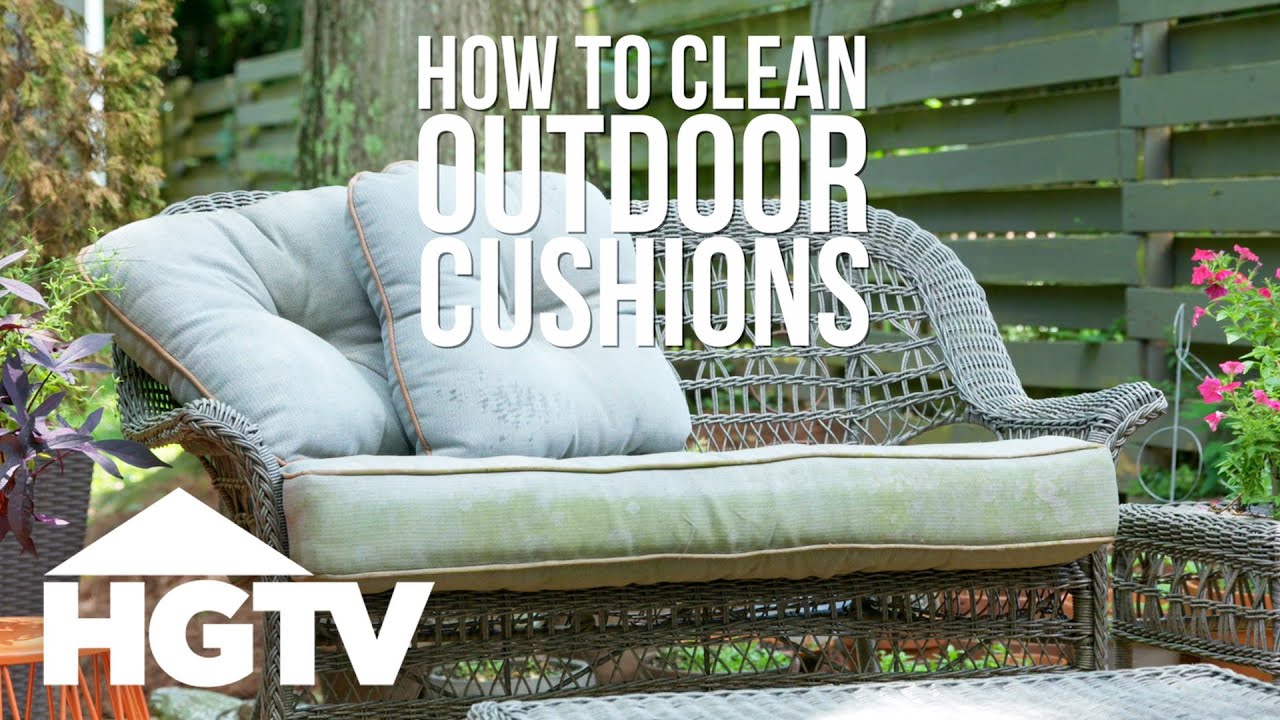
Credit: www.youtube.com
Maintaining Clean Outdoor Furniture
Keeping outdoor furniture clean helps it last longer and look great. Dirt, dust, and weather can damage your furniture over time. Proper care protects your investment and keeps your outdoor space inviting. Regular cleaning and smart storage are key parts of this care.
Regular Cleaning Schedule
Set a regular cleaning routine for your outdoor furniture. Wipe down surfaces every week to remove dust and dirt. Use mild soap and water for a deeper clean monthly. Rinse well to avoid soap residue. Dry furniture completely to stop mold growth.
Storage Tips For Longevity
Store furniture in a dry, covered place during bad weather. Use furniture covers to protect against rain and sun. Elevate furniture off the ground to prevent moisture damage. Remove cushions and store them inside to avoid mildew. Proper storage reduces wear and keeps furniture fresh longer.
Frequently Asked Questions
How Do I Clean Mold Off Outdoor Furniture?
Use a mixture of water and mild detergent to scrub mold gently. Rinse with clean water and dry thoroughly to prevent mold regrowth. For stubborn mold, a diluted bleach solution works but test on a small area first.
What Is The Best Cleaner For Outdoor Furniture?
Mild dish soap mixed with warm water is safe for most materials. For tougher stains, use a specialized outdoor furniture cleaner. Always check the manufacturer’s instructions before applying any cleaner to avoid damage.
Can I Pressure Wash My Outdoor Furniture?
Yes, but use a low-pressure setting to avoid damage. Keep the nozzle at least a foot away from the surface. Pressure washing is effective for removing dirt and debris from sturdy furniture materials.
How Often Should I Clean Outdoor Furniture?
Clean your outdoor furniture at least twice a year. More frequent cleaning is needed if furniture is exposed to heavy dirt or pollen. Regular cleaning prevents buildup and prolongs furniture life.
Conclusion
Cleaning outdoor furniture keeps your space fresh and inviting. Use gentle cleaners and soft brushes to avoid damage. Regular care stops dirt from building up. Rinse well and dry completely to prevent mold. Small efforts make your furniture last longer.
Enjoy your clean outdoor area every day. Simple steps bring great results. Keep your furniture ready for fun and relaxation.

