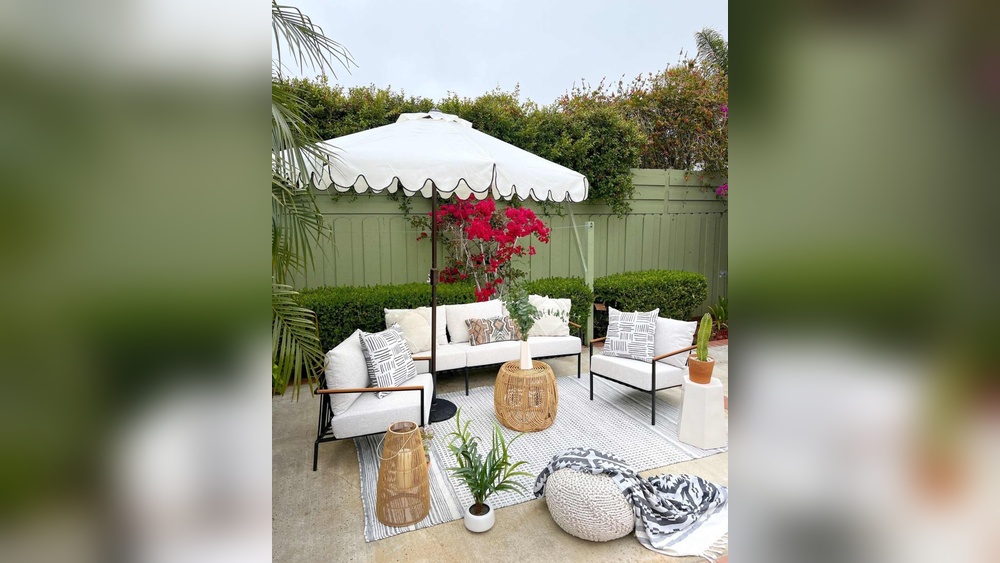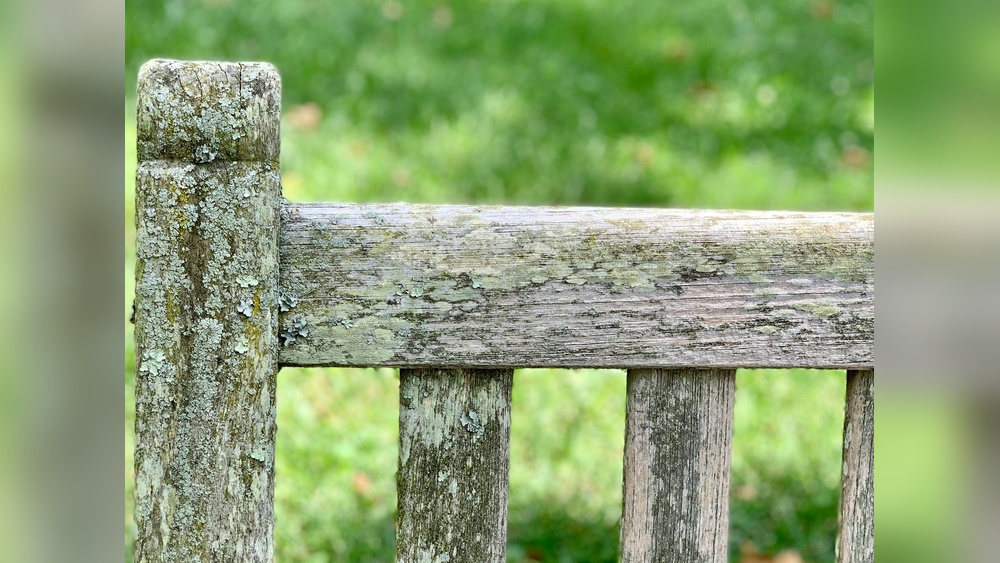
Is your outdoor furniture looking green and grimy because of algae? You’re not alone, and the good news is it’s easier to fix than you might think.
Algae can make your patio look dull and slippery, turning your relaxing space into a no-go zone. But with the right steps, you can bring back that fresh, clean look and enjoy your outdoor area again. Keep reading, and you’ll learn simple, effective ways to clean algae off your furniture—quickly and safely—so your backyard feels inviting all season long.
Causes Of Algae Growth
Algae growth on outdoor furniture is a common problem. It happens because of certain natural conditions. Knowing these causes helps prevent and clean algae effectively.
Common Algae Types
Green algae is the most common on outdoor furniture. It looks like a slimy green layer. Blue-green algae can also appear. It often forms a darker, sticky patch. Both types thrive on wet surfaces.
Ideal Conditions For Growth
Algae need moisture to grow. Rain, dew, or watering plants can keep furniture damp. Shade also helps algae grow by reducing sunlight. Warm temperatures speed up algae growth. Dirt and organic debris on furniture provide food for algae. Poor air circulation keeps surfaces moist longer. All these factors create a perfect place for algae.
Credit: www.youtube.com
Preparation Before Cleaning
Preparing before cleaning algae off outdoor furniture helps the process go smoothly. It saves time and keeps you safe. Proper preparation makes sure you have the right tools and understand the steps.
Gathering Supplies
Start by collecting all needed supplies. You will need a soft brush or sponge, mild detergent, and water. A spray bottle works well to apply cleaning solutions. Have a bucket ready for mixing water and detergent. Gather old towels or rags to dry the furniture after cleaning. Using the right supplies makes cleaning easier and more effective.
Safety Measures
Wear gloves to protect your hands from cleaning agents and algae. Use eye protection if you spray cleaning solutions. Work in a well-ventilated area to avoid breathing in fumes. Avoid mixing bleach with other cleaners as it creates harmful gases. Check the furniture material to use safe cleaners only. Safety helps prevent injuries and skin irritation during cleaning.
Cleaning Methods
Cleaning algae off outdoor furniture is necessary to keep it looking fresh and safe. Different methods work well depending on the type of furniture and algae buildup. Choose a method that suits your furniture material and the algae condition. Here are some simple and effective cleaning methods.
Using Vinegar Solutions
Vinegar is a natural cleaner that kills algae effectively. Mix equal parts white vinegar and water in a spray bottle. Spray the solution on the algae-covered areas. Let it sit for 10 to 15 minutes to break down the algae. Use a soft brush or cloth to scrub the surface gently. Rinse with water and dry the furniture completely.
Applying Baking Soda
Baking soda is a mild abrasive and natural deodorizer. Sprinkle baking soda directly on the algae spots. Wet a sponge or cloth with water and scrub the area gently. For tough algae, make a paste with baking soda and water. Apply the paste, let it sit for 10 minutes, then scrub and rinse thoroughly. Baking soda helps remove algae without damaging surfaces.
Commercial Cleaners
Special cleaners designed for outdoor furniture can remove algae quickly. Choose a product safe for your furniture material. Follow the instructions on the label carefully. Usually, you spray or apply the cleaner, wait a few minutes, then scrub or rinse. These cleaners can be stronger than natural options, so wear gloves and protect plants nearby.
Pressure Washing Tips
Pressure washing removes algae fast, especially on hard surfaces like plastic or metal. Use a low to medium pressure setting to avoid damage. Keep the nozzle at least 12 inches away from the furniture. Move the spray evenly across the surface. Avoid using high pressure on wood or delicate materials to prevent splintering or cracks.
Cleaning Different Materials
Algae can grow on many types of outdoor furniture. Each material needs a different cleaning method. Using the right approach keeps furniture safe and clean. This section explains how to clean wood, metal, plastic, and fabric furniture from algae.
Wood Furniture
Wood furniture needs gentle cleaning to avoid damage. Use a soft brush and mild soap mixed with water. Scrub the algae softly to remove it. Avoid harsh chemicals that can hurt the wood finish. Rinse with clean water and dry with a cloth. For tough stains, try a wood-safe cleaner.
Metal Furniture
Metal furniture often has a protective coating. Use a soft brush or sponge with soapy water. Scrub the algae off carefully to protect the paint or coating. Rinse thoroughly to remove soap and algae. Dry the metal well to stop rust from forming. Avoid steel wool, which can scratch surfaces.
Plastic And Resin Furniture
Plastic and resin furniture can handle stronger cleaning. Use a brush and a mix of water and vinegar or mild detergent. Scrub the algae completely to prevent regrowth. Rinse with water to clear away residue. Dry with a towel or air dry in the sun. These materials resist damage from water and cleaning agents.
Cushions And Fabrics
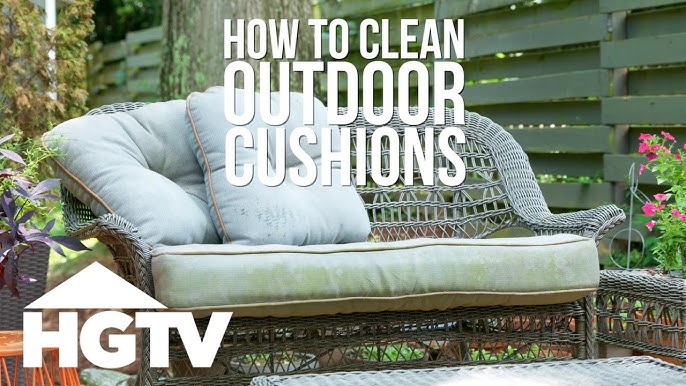
Remove cushions before cleaning. Brush off loose algae gently. Use a fabric cleaner or a mix of water and mild detergent. Spray or dab the solution, then scrub with a soft brush. Rinse well with clean water. Let cushions dry in the sun to stop mold and algae from returning. Check care labels for special instructions.
Preventing Algae Regrowth
Stopping algae from coming back on outdoor furniture saves time and effort. Clean furniture looks fresh and lasts longer. Simple steps keep algae away and protect your investment. Focus on regular care, coatings, and smart storage to reduce algae growth.
Regular Maintenance
Clean your furniture often to prevent algae buildup. Use a soft brush and mild soap for washing. Rinse well with water to remove soap and dirt. Dry furniture completely before use or storage. Check for early signs of algae and clean quickly. Frequent cleaning keeps surfaces clear and fresh.
Protective Coatings
Apply water-resistant coatings to block moisture that algae need. Choose coatings made for outdoor furniture materials. Follow instructions carefully for best results. Reapply coatings every season or after heavy rain. Coatings create a barrier that stops algae spores from settling. This simple step lowers algae growth risk significantly.
Proper Storage
Store furniture in dry, shaded places during bad weather. Cover furniture with breathable covers to reduce moisture. Avoid placing furniture directly on grass or dirt. Use pallets or stands to keep furniture off wet ground. Proper storage reduces dampness and sunlight exposure. This limits algae’s chance to grow and spread.

Credit: askwetandforget.com
Troubleshooting Common Issues
Cleaning algae off outdoor furniture can sometimes be tricky. Some stains are tough to remove. Also, the cleaning process might harm the furniture’s surface. This section helps solve these common problems.
Stubborn Algae Stains
Some algae stains stay even after scrubbing. Use a mixture of water and white vinegar for better results. Apply the solution and let it sit for 10 minutes. Then, scrub gently with a soft brush. Avoid harsh scrubbing to protect the furniture.
For very tough stains, try a baking soda paste. Mix baking soda with water until it forms a thick paste. Spread the paste on the stain and wait 15 minutes. Rinse with clean water and dry the furniture well.
Furniture Damage Concerns
Cleaning agents can sometimes damage outdoor furniture. Test any cleaner on a small hidden spot first. Watch for discoloration or texture change. Use mild soap and water for delicate materials like wood or wicker.
Avoid using metal brushes or abrasive pads. They can scratch surfaces and weaken material. Always rinse furniture thoroughly after cleaning to remove residue. Let furniture dry completely to stop mold or mildew growth.
Credit: www.befurnituresales.co.uk
Frequently Asked Questions
How Do I Remove Algae From Outdoor Furniture Safely?
Use a mixture of water and mild detergent or vinegar. Scrub gently with a soft brush. Rinse thoroughly with water and dry. Avoid harsh chemicals to protect furniture surfaces and the environment.
What Household Items Clean Algae From Outdoor Furniture?
Vinegar, baking soda, and mild dish soap are effective. They are safe, affordable, and eco-friendly. Mix with water, scrub the algae, rinse well, and let dry completely.
Can Pressure Washing Remove Algae From Outdoor Furniture?
Yes, pressure washing can remove algae effectively. Use a low-pressure setting to prevent damage. Keep the nozzle at a safe distance and avoid delicate materials.
How Often Should I Clean Algae Off Outdoor Furniture?
Clean algae off outdoor furniture every 1-2 months. Regular cleaning prevents buildup and damage. Increase frequency in damp or shaded areas where algae grow faster.
Conclusion
Cleaning algae off outdoor furniture keeps it looking fresh and new. Regular scrubbing prevents buildup and damage. Use gentle cleaners to protect the furniture’s surface. Rinse well after cleaning to remove all residue. Dry the furniture completely to stop algae from returning.
Small efforts make a big difference over time. Enjoy your clean outdoor space all year round. Simple care helps your furniture last longer and stay beautiful.