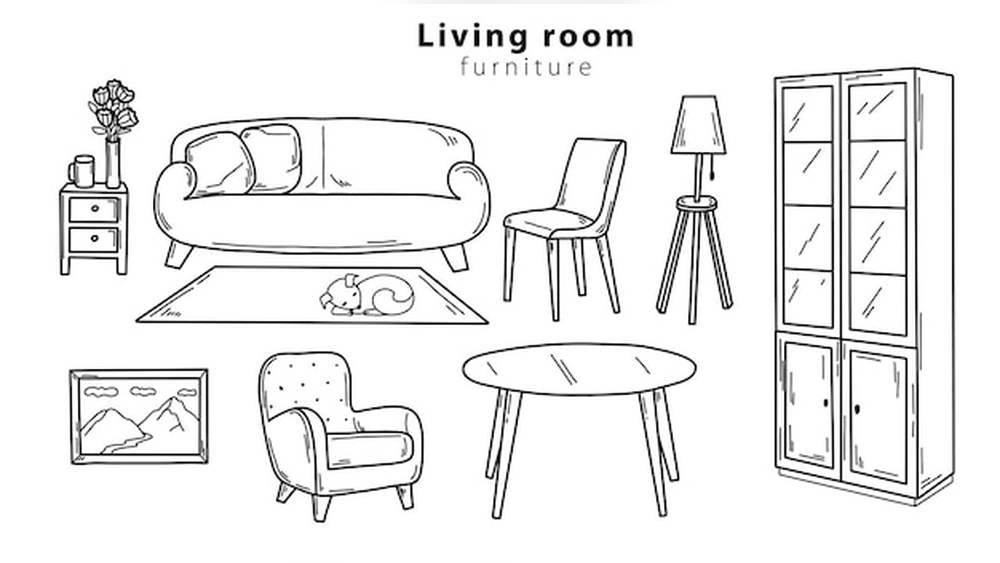
Have you ever wanted to bring your living room ideas to life on paper? Learning how to draw living room furniture can help you visualize your dream space before making any decisions.
Whether you’re planning a renovation or just love sketching, this guide will make the process simple and fun. You’ll discover easy steps to draw sofas, chairs, tables, and more—no experience needed. Ready to create your perfect living room design? Keep reading, and you’ll be sketching like a pro in no time.
Choosing Your Style
Choosing your style is the first step in drawing living room furniture. It shapes the look and feel of your space. Your style reflects your personality and taste. It helps you decide on shapes, colors, and details. Think about what makes you comfortable and happy. This makes the drawing process easier and more fun.
Modern Minimalist
Modern minimalist style means simple and clean designs. Furniture has straight lines and smooth surfaces. Use neutral colors like white, gray, and black. Avoid extra decorations. Focus on function and space. This style feels calm and organized. It fits small or large rooms well.
Classic Comfort
Classic comfort style brings warmth and tradition. Use soft shapes and rich colors like beige, brown, and deep red. Furniture often has wood details and plush cushions. This style invites relaxation and coziness. It suits family rooms and cozy corners.
Rustic Charm
Rustic charm uses natural materials and rough textures. Think wood, stone, and leather. Colors are earthy like green, brown, and tan. Furniture looks handmade or vintage. This style feels warm and welcoming. It works well in country or cabin settings.
Eclectic Mix
Eclectic mix blends different styles and colors. Combine old and new furniture pieces. Use bold colors and fun patterns. This style shows creativity and personality. It allows freedom and surprises. Great for those who enjoy variety and uniqueness.

Credit: www.houseandgarden.co.uk
Gathering Essential Tools
Before you start drawing living room furniture, gather the right tools. Good tools make your work easier and better. Prepare your workspace with all essentials. This helps you focus and draw smoothly.
Drawing Materials
Choose pencils that range from hard to soft. Hard pencils create light lines; soft pencils make dark lines. Use good-quality paper that can handle erasing. Have erasers and sharpeners ready. Colored pencils or markers can add details later.
Measuring Tools
Use a ruler to draw straight lines. A protractor helps with angles. A tape measure or scale ruler shows real sizes. These tools keep your drawing accurate. Accuracy makes your furniture look realistic.
Reference Images
Find clear pictures of living room furniture. Use magazines, websites, or your own photos. Study shapes, sizes, and details carefully. Reference images guide your drawing and inspire ideas. Keep them visible while you draw.
Sketching Basic Shapes
Sketching basic shapes is the first step in drawing living room furniture. It helps create a clear and simple outline before adding details. This method saves time and keeps your drawing balanced. Start with easy shapes like rectangles, circles, and squares. These shapes form the base of most furniture pieces. Keep your lines light to allow changes later. Focus on the general shape, not the small parts yet.
Outlining Furniture Frames
Begin by drawing the main frame of each furniture piece. Use rectangles for sofas and chairs. Draw squares or rectangles for tables and cabinets. This step sets the foundation of your drawing. Keep the shapes simple and use straight lines. Avoid drawing details like cushions or legs now. The goal is to capture the overall shape quickly. Light outlines help adjust the form easily.
Establishing Proportions
Check the size of each furniture piece in relation to others. Make sure the sofa looks bigger than a chair. Keep the height and width balanced. Use simple measurements with your pencil or fingers. Proportions keep your drawing realistic and pleasing. If one piece is too large, it will look strange. Adjust your shapes until the sizes look right. Proportions guide the final details and shading.
Creating Perspective
Perspective adds depth to your drawing. It shows how furniture appears from different angles. Use one or two vanishing points on your paper. Draw lines from furniture edges toward these points. This method helps objects look three-dimensional. Make sure parallel lines move toward the same point. Perspective makes your living room look real and spacious. Practice simple perspective to improve your sketch.

Credit: www.istockphoto.com
Adding Details And Textures
Adding details and textures brings your living room furniture to life. It helps your drawing look more real and interesting. Simple shapes turn into soft cushions and shiny wood. Textures show the material of each piece. Shadows and light add depth and form. These small touches make your art stand out.
Defining Cushions And Upholstery
Start by drawing soft curves for cushions. Use gentle lines to show folds and seams. Small creases make fabric look real. Add tiny dots or lines for buttons or stitches. Show how cushions puff out or sink in. This gives a cozy feeling to your furniture.
Incorporating Wood Grain And Fabric
Wood grain adds character to tables and chairs. Draw light, curved lines following the wood’s shape. Keep the lines uneven for a natural look. For fabric, add patterns like stripes or dots. Use short strokes to show texture, like velvet or linen. These details tell the viewer what the material feels like.
Highlighting Shadows And Light
Light and shadow give your drawing depth. Decide where the light comes from. Shade the opposite side darker. Use soft shading for smooth surfaces. Harder shadows show sharp edges. Highlight areas where light hits directly. This contrast makes furniture look three-dimensional and real.
Designing Key Furniture Pieces
Designing key furniture pieces helps create a balanced and inviting living room. Each piece plays a role in comfort, style, and function. Drawing these pieces correctly brings your vision to life. Focus on shapes, sizes, and placement to ensure harmony.
Start with simple outlines. Add details step by step. Think about how people use each item every day. This approach makes your drawings more practical and attractive.
Sofas And Sectionals
Sofas and sectionals are the center of living rooms. Begin with basic shapes like rectangles and curves. Show cushions and armrests clearly. Remember size and scale to fit the room. Draw legs or bases to add realism. Different styles need different details, so keep it simple but clear.
Coffee And Side Tables
Coffee and side tables add function and style. Use squares, circles, or rectangles for the top. Add legs or a pedestal underneath. Show any shelves or drawers if present. Keep proportions right to match sofa height. Small details like edges and surface texture improve your drawing.
Chairs And Recliners
Chairs and recliners offer comfort and extra seating. Start with the seat and backrest shapes. Include armrests and reclining features if needed. Show cushions and padding with soft lines. Make sure the size fits well with other furniture. Use simple lines to suggest fabric or leather texture.
Shelving Units And Cabinets
Shelving units and cabinets provide storage and display space. Draw clean, straight lines for structure. Include shelves, doors, or drawers clearly. Show handles or knobs for detail. Keep proportions balanced for a neat look. These pieces help organize and complete the room’s design.
Coloring And Finishing Touches
Coloring and finishing touches bring your living room furniture drawing to life. They add depth, texture, and personality. This step transforms flat shapes into inviting, realistic pieces. Careful coloring and thoughtful details make your art stand out. Focus on color choices, smooth blending, and tiny accents.
Choosing Color Palettes
Select colors that match your room’s style and mood. Neutral tones create calm, cozy spaces. Bright colors add energy and interest. Use a limited palette to keep the drawing balanced. Test colors on a separate sheet before applying. Think about light sources and shadows when choosing hues.
Blending And Shading Techniques
Blend colors gently to avoid harsh lines. Use soft strokes with pencils or brushes. Gradually darken areas where shadows fall. This adds volume and shape to furniture. Layer colors from light to dark for smooth transitions. Smudge edges softly for a natural look. Avoid over-blending to keep texture visible.
Final Details For Realism
Add small highlights to show light reflection. Draw fabric folds, wood grains, or metal shine. Use fine lines for stitching or texture patterns. Include shadows under and around furniture legs. These details create depth and realism. Step back often to check your work’s balance. Small touches bring your drawing to life.
Tips For Improving Your Drawings
Improving your drawings takes time and effort. Small changes can make a big difference. Use simple steps to build your skills. Focus on clear shapes and lines. This section shares helpful tips to enhance your living room furniture drawings.
Practicing Regularly
Draw every day, even for a few minutes. Consistent practice helps your hand and eye coordination. Try sketching different furniture pieces. Repeat shapes and angles to get comfortable. Over time, your drawings will look more natural and confident.
Using References Effectively
Look at photos or real furniture while drawing. References help you understand proportions and details. Study how light and shadow fall on objects. Use references to check your work often. This method keeps your drawings accurate and realistic.
Seeking Feedback
Show your drawings to others for honest opinions. Feedback points out areas to improve. Learn from suggestions and try new ideas. Join art groups or online communities to connect. Feedback helps you see your work with fresh eyes.

Credit: www.youtube.com
Frequently Asked Questions
How Do I Start Drawing Living Room Furniture?
Begin by sketching basic shapes like rectangles and circles. These shapes form the foundation of sofas, chairs, and tables. Focus on proportions and placement before adding details. This helps create balanced and realistic furniture drawings.
What Are Key Tips For Drawing Sofa Accurately?
Observe sofa dimensions and angles carefully. Use light lines to outline cushions and armrests. Add texture to show fabric or leather. Pay attention to shadows and highlights for depth and realism.
How Can I Draw A Coffee Table With Perspective?
Use a vanishing point to guide the table’s edges. Draw the tabletop as a rectangle or oval, depending on shape. Add legs with consistent angles. This technique creates a three-dimensional look in your drawing.
What Tools Help In Drawing Living Room Furniture?
Pencils, erasers, and rulers are essential for clean lines. Use shading pencils or markers for texture and depth. Digital tablets with drawing software offer flexibility and easy edits. Choose tools that suit your style and comfort.
Conclusion
Drawing living room furniture can be simple with practice. Start with basic shapes and add details step by step. Use light lines first to change mistakes easily. Notice the size and position of each piece in the room. Keep your drawings neat and clear for better results.
Try different styles to find what you like best. Remember, patience helps you improve over time. Enjoy the process and have fun creating your own designs. This skill grows with each sketch you make. Keep practicing, and your drawings will get better every day.