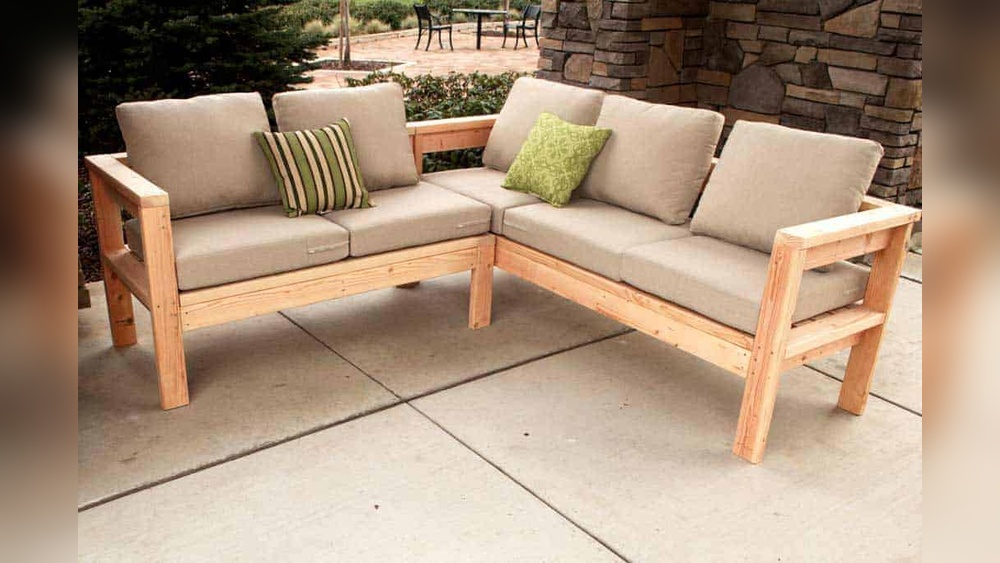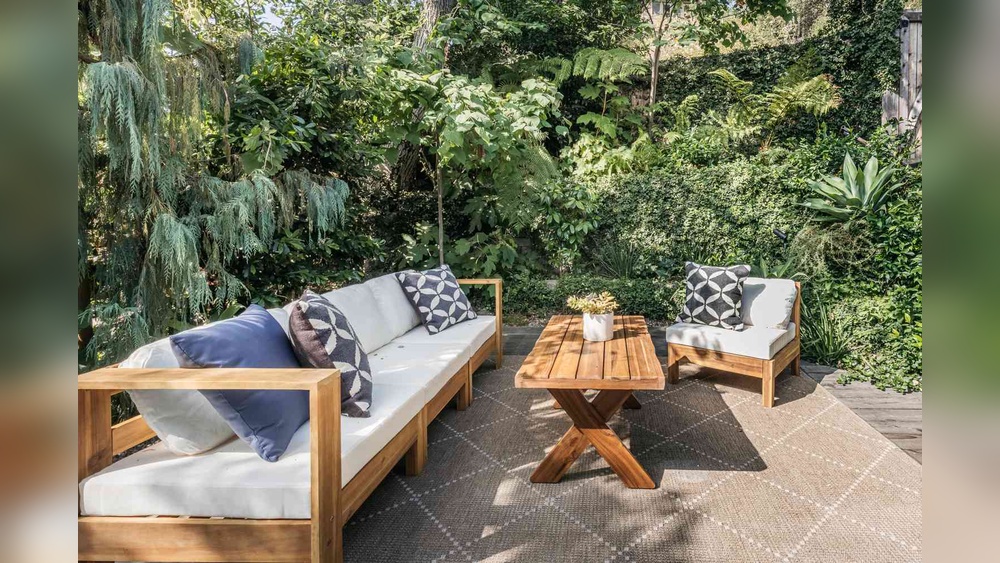
Are you ready to create your own beautiful wood outdoor furniture that lasts? Building your own pieces isn’t just a fun project—it gives you control over style, size, and quality.
Imagine relaxing on a chair you made with your own hands or gathering around a table you built for family and friends. This guide will walk you through simple steps to turn basic wood into stunning outdoor furniture. By the end, you’ll have the confidence and skills to build pieces that fit perfectly in your outdoor space.
Let’s get started and make your outdoor area truly yours.
Choosing The Right Wood
Choosing the right wood is key to building outdoor furniture that lasts. Wood type affects how well your furniture stands up to weather. It also influences the look and feel of your finished piece. Picking wood with the right traits makes your project easier and more enjoyable.
Types Of Wood For Outdoor Use
Some woods work better outside than others. Teak is popular for its natural oils that fight water damage. Cedar resists rot and insects, giving it long life outdoors. Redwood is strong and weathers nicely, turning a soft gray over time. Pine is cheaper but needs treatment to handle moisture and bugs.
Wood Durability And Weather Resistance
Durability matters most for outdoor furniture. Hardwoods usually last longer than softwoods. Dense wood resists dents and scratches well. Wood with natural oils or tight grain resists water and sun damage. Treating wood with sealant extends its life and keeps it looking good. Check how the wood handles moisture, heat, and cold.
Sourcing Sustainable Materials
Eco-friendly wood helps protect forests and wildlife. Look for wood labeled FSC or PEFC certified. These labels mean the wood comes from well-managed forests. Reclaimed wood is another good choice. It saves trees and adds character to furniture. Always avoid wood from illegal logging or unknown sources.
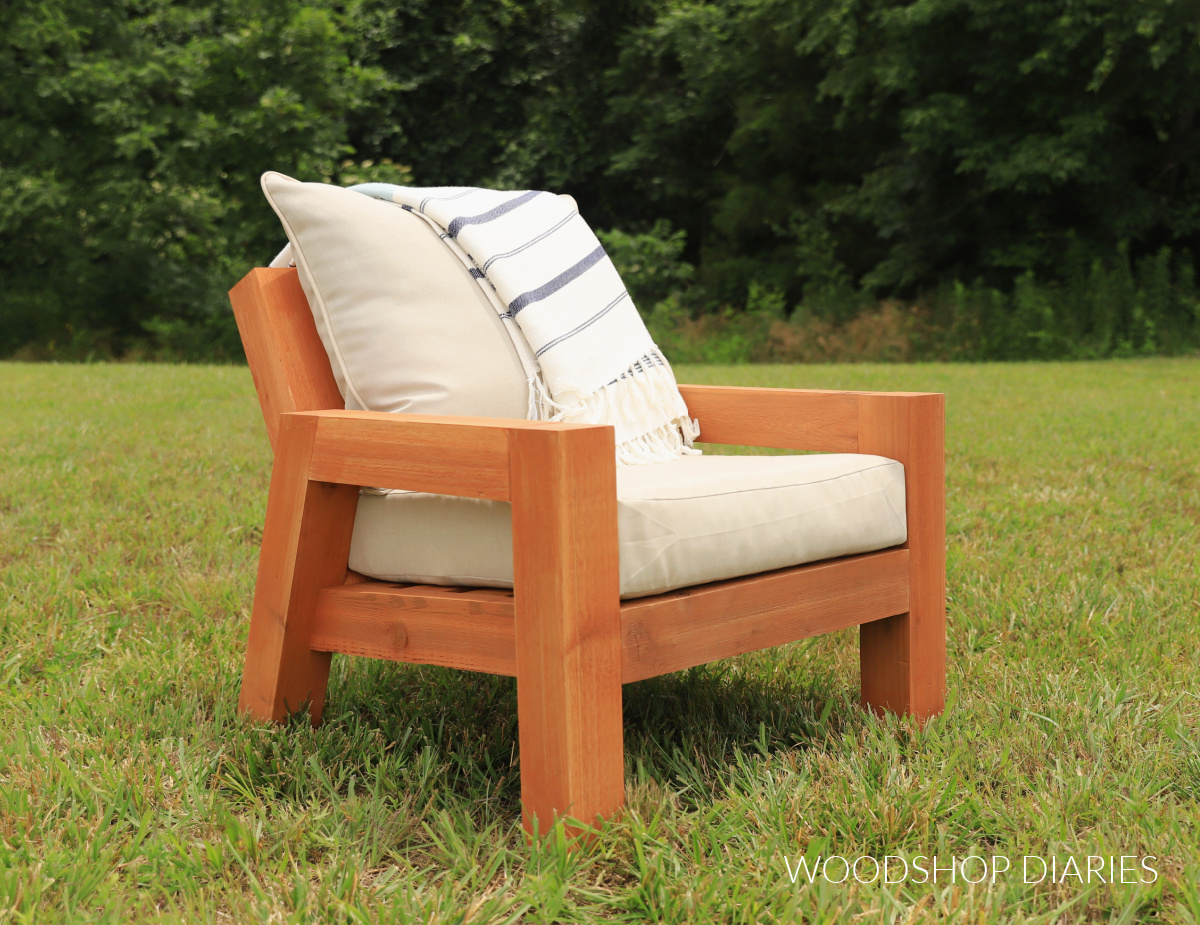
Credit: www.woodshopdiaries.com
Essential Tools And Materials
Building wood outdoor furniture needs the right tools and materials. These items help create strong, lasting pieces. They also make the work easier and safer. Below are key tools and materials to prepare before starting your project.
Basic Carpentry Tools
Start with measuring tape to get exact sizes. A saw is essential for cutting wood to shape. A hammer helps with nails and small adjustments. Use a screwdriver to fit screws tightly. Sandpaper smooths rough wood surfaces. A square tool checks right angles for accuracy. Clamps hold wood steady while working.
Safety Gear
Protect your eyes with safety goggles. Wear gloves to avoid splinters and cuts. Use ear protection to reduce noise from power tools. Dust masks keep harmful particles from your lungs. Wear sturdy shoes to protect feet from heavy wood or tools.
Hardware And Finishes
Choose screws and nails made for outdoor use. These resist rust and last longer. Outdoor wood glue strengthens joints and keeps pieces together. Pick wood stain or paint to protect wood from weather. Use a clear sealant to guard against moisture and sun damage.
Planning Your Furniture Project
Planning your outdoor furniture project is the first step to success. It helps you stay organized and avoid mistakes. Good planning saves time, money, and effort. It ensures your furniture fits your space and style.
Start with a clear plan. Think about what you want and how you will build it. This section guides you through important planning steps.
Selecting A Design
Choose a design that matches your outdoor space and needs. Simple designs are easier for beginners. Look for ideas in magazines or online. Pick a style that fits your skill level and tools. Think about comfort and how many people will use it. A good design makes building easier and more fun.
Measuring And Sketching
Measure your outdoor space carefully. Note any obstacles like trees or steps. Draw a sketch of your furniture with exact measurements. Use a ruler or tape measure for accuracy. Sketching helps you see the size and shape before cutting wood. It reduces errors and waste. Keep your drawing simple but clear.
Setting A Budget
Decide how much money you want to spend. Consider costs for wood, screws, paint, and tools. A budget prevents overspending and surprises. Look for affordable materials that last outside. Plan for extra costs like sandpaper or brushes. Stick to your budget to finish your project happily.
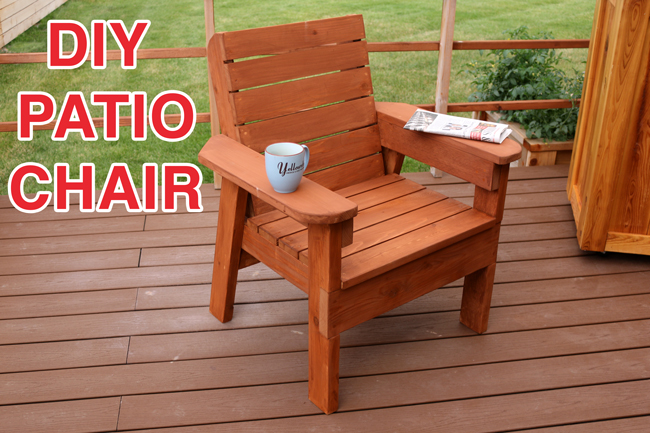
Credit: www.diypete.com
Cutting And Preparing Wood
Cutting and preparing wood is the first important step in building outdoor furniture. This process shapes the wood pieces to fit your design perfectly. Proper preparation ensures your project is strong and looks good.
Take your time with measuring and cutting. These steps affect how the furniture fits and holds together. Smooth wood surfaces make the final product safer and nicer to touch.
Accurate Measuring Techniques
Measure twice, cut once. Use a tape measure that is easy to read. Mark the wood clearly with a pencil or chalk. Double check your measurements before cutting.
Use a square or ruler to keep lines straight. Mark all pieces on the wood before starting any cuts. This helps avoid mistakes and wasted wood.
Cutting Tips For Clean Edges
Use the right saw for your wood type. A circular saw works well for straight cuts. For curves, try a jigsaw or coping saw.
Cut slowly and steadily to avoid splinters. Support the wood firmly while cutting to stop it from moving. Clean edges make assembly easier and look better.
Sanding And Smoothing
Sand all cut edges to remove rough spots and splinters. Start with coarse sandpaper and finish with fine grit for smoothness. Sand in the direction of the wood grain.
Sanding helps paint or stain stick better. It also makes your furniture safe to touch. Take your time to get even, smooth surfaces.
Assembling The Furniture
Assembling wood outdoor furniture is the step where your project starts to take shape. This part needs care and attention to ensure the pieces fit well together. Good assembly makes the furniture strong and ready to use. Follow simple methods to join parts safely and neatly.
Joining Techniques
Choose joining methods that fit your wood type and design. Common ways include using dowels, biscuits, or wood glue. These help hold parts without visible screws. For a clean look, try pocket holes or mortise and tenon joints. Each technique adds strength in different ways.
Using Screws And Nails
Screws and nails are quick and strong fasteners. Use screws for parts needing extra grip. Pre-drill holes to avoid splitting the wood. Nails work well for attaching thin pieces. Use a hammer or drill to drive them in straight. Pick stainless steel or galvanized screws to resist rust outside.
Ensuring Stability
Check every joint after assembly. Tighten screws and add glue if needed. Make sure legs stand firm on the ground. Use corner braces or support blocks for extra strength. Test the furniture by applying pressure gently. Stable pieces last longer and stay safe for use.

Credit: www.youtube.com
Finishing Touches
Finishing touches give your wood outdoor furniture a polished and lasting look. They protect the wood from weather and wear. These final steps also add style and comfort. A well-finished piece invites you to enjoy your outdoor space more.
Applying Sealants And Stains
Sealants protect wood from moisture and sun damage. Choose a sealant that suits outdoor use. Apply it evenly with a brush or cloth. Let the first coat dry before adding another. Stains add color and highlight the wood grain. Pick a stain that matches your style. Apply stains carefully to avoid blotches. Allow the stain to dry fully before using the furniture.
Painting For Protection And Style
Paint adds a strong layer of protection. Use paint designed for outdoor wood. It blocks moisture and resists fading. Choose colors that fit your outdoor theme. Apply paint in thin, even coats. Let each coat dry before the next. Painting can cover imperfections and brighten the furniture. It offers a fresh, clean look that lasts.
Adding Cushions And Accessories
Cushions boost comfort and invite relaxation. Select cushions made for outdoor use. They resist water and dry quickly. Choose colors and patterns that match your décor. Accessories like pillows, throws, and rugs add charm. They make your space cozy and welcoming. Secure cushions with ties or non-slip pads. This keeps them in place during windy days.
Maintenance And Care
Taking care of wood outdoor furniture keeps it looking great for years. Wood faces sun, rain, and dirt every day. Regular maintenance protects your investment and extends furniture life.
Simple habits make a big difference. Clean dirt and dust often. Check for damage early. Seasonal care helps wood resist weather damage.
Cleaning Tips
Use a soft brush or cloth to remove dust and dirt. Mild soap with water cleans most stains well. Avoid harsh chemicals that can damage wood. Rinse with clean water and dry with a towel. Clean furniture every few weeks to keep it fresh.
Seasonal Upkeep
Apply wood sealant or oil each season to protect wood. Sand rough spots before sealing for smooth finish. Cover furniture or move indoors during heavy rain or snow. Store cushions separately in a dry place. Check joints and screws to tighten them as needed.
Repairing Damage
Small cracks and scratches need quick attention. Fill cracks with wood filler and sand smooth after drying. Replace broken parts like slats or legs if possible. Use wood glue for loose joints and clamps to hold them tight. Regular checks help spot damage before it worsens.
Frequently Asked Questions
What Type Of Wood Is Best For Outdoor Furniture?
Cedar, teak, and redwood are ideal for outdoor furniture. They resist moisture, decay, and insects well. These woods also age beautifully and require minimal maintenance, making them perfect choices for durable outdoor pieces.
How Do I Protect Wood Furniture From Weather Damage?
Apply a high-quality outdoor sealant or varnish to protect wood. Regularly reapply every 1-2 years. Cover furniture during rain or snow and store indoors in winter for best protection.
What Tools Are Essential For Building Wood Outdoor Furniture?
Basic tools include a saw, drill, measuring tape, clamps, and sandpaper. These tools help cut, assemble, and finish your furniture accurately and safely. Additional tools like a screwdriver and paintbrush are helpful.
How Do I Maintain Wooden Outdoor Furniture Long-term?
Clean furniture regularly with mild soap and water. Sand rough spots and reapply protective finishes yearly. Store furniture indoors or cover it during harsh weather to extend its lifespan and maintain appearance.
Conclusion
Building wood outdoor furniture takes time and care. Choose good wood and tools before you start. Follow steps carefully and measure twice to avoid mistakes. Sand and finish your furniture to protect it from weather. Enjoy your handmade furniture in your garden or patio.
This project brings pride and adds charm to your outdoor space. Keep practicing to improve your skills and try new designs. Woodworking can be fun and rewarding for everyone.