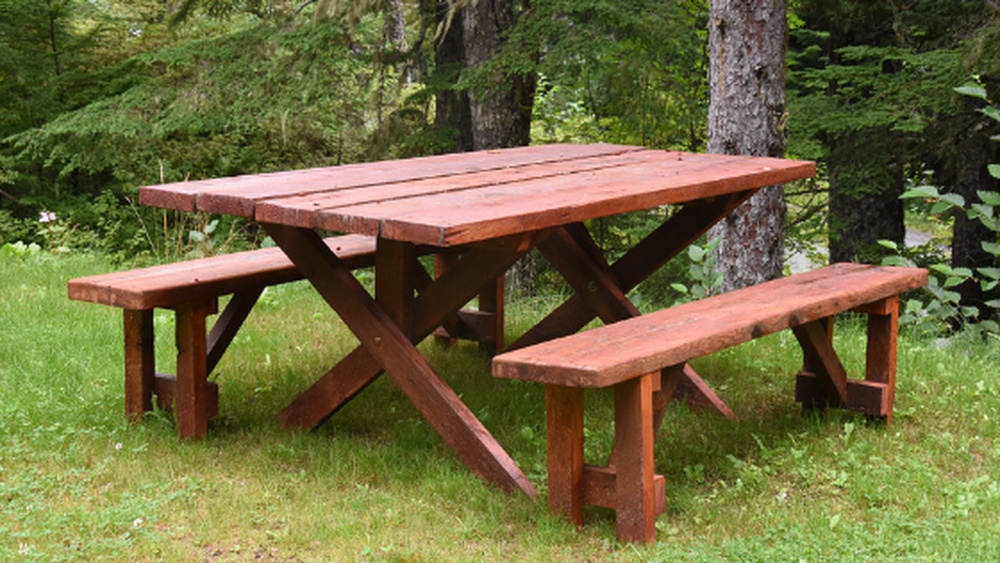
Are you thinking about building your own outdoor furniture? You might be wondering if pressure treated wood is a good choice.
It’s strong, affordable, and easy to find—but is it safe and durable enough for your patio or garden? Before you start your project, you need to know the facts. You’ll discover the pros and cons of using pressure treated wood outside, what to watch out for, and tips to keep your furniture looking great for years.
Keep reading to make the best decision for your outdoor space.

Credit: thediyplan.com
Pressure Treated Wood Basics
Pressure treated wood is a popular choice for outdoor projects. It offers protection against rot, insects, and weather damage. This makes it a strong candidate for outdoor furniture. Understanding the basics of pressure treated wood helps you make a smart choice.
What Is Pressure Treated Wood
Pressure treated wood is wood that has been soaked with chemicals. These chemicals protect the wood from decay and pests. The wood goes into a large tank where the chemicals are forced deep inside. This process makes the wood last longer outdoors.
Common Chemicals Used
Several chemicals protect pressure treated wood. Copper-based compounds are the most common. They fight fungi and insects. Some wood uses alkaline copper quaternary (ACQ) or copper azole. These are safer than older chemicals like arsenic or chromium. Safety is important for furniture that people touch.
Wood Types Suitable For Treatment
Softwoods like pine and fir are often pressure treated. They absorb chemicals well and are affordable. Hardwood can also be treated but it is less common. Pine is the usual choice for outdoor furniture. It balances cost, durability, and treatment quality.
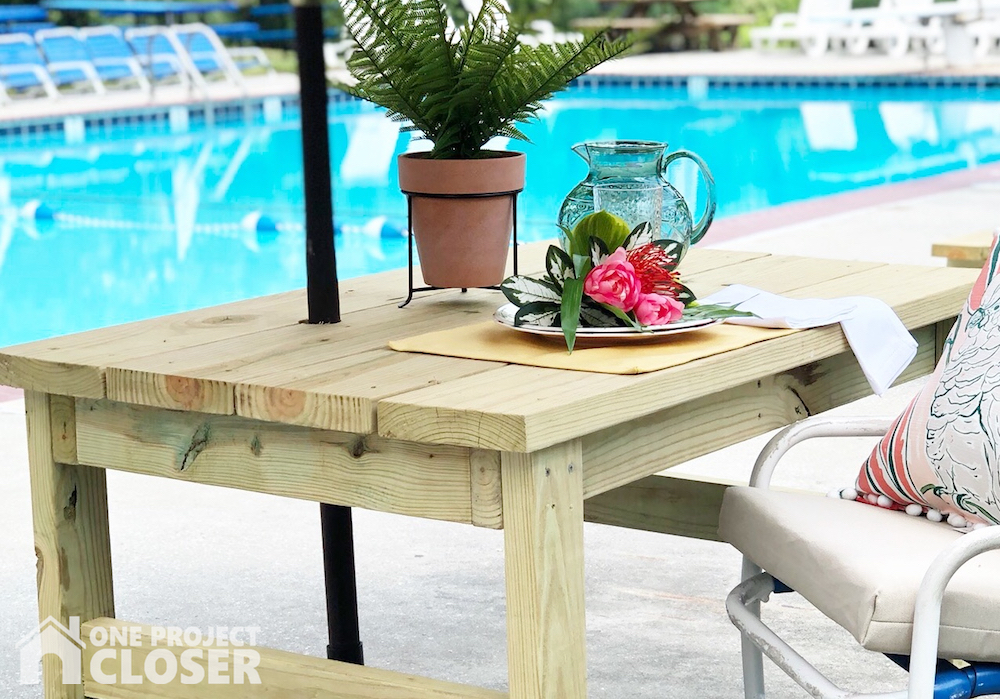
Credit: www.oneprojectcloser.com
Safety Considerations
Using pressure treated wood for outdoor furniture needs careful safety checks. This wood is strong and lasts long. But it has chemicals to stop rot and insects. These chemicals can cause health problems if not handled right. Knowing these safety points helps you protect yourself and your family.
Potential Health Risks
Chemicals in pressure treated wood can irritate skin and eyes. Sawdust or splinters might cause allergic reactions. Breathing dust from cutting can harm lungs. Small children and pets should avoid chewing or touching the wood. Keep furniture sealed to reduce chemical exposure.
Handling And Cutting Tips
Always wear gloves and long sleeves when handling the wood. Use a dust mask and safety glasses when cutting or sanding. Work outside or in a well-ventilated area to avoid dust buildup. Clean tools and surfaces after use. Avoid burning pressure treated wood to prevent toxic smoke.
Protective Measures
Seal the wood with a water-based sealant before use. This lowers chemical leaching and extends wood life. Wash hands thoroughly after working with the wood. Store unused wood away from children and pets. Regularly check furniture for wear or damage to keep it safe.
Durability For Outdoor Furniture
Durability is a key factor when choosing wood for outdoor furniture. Pressure treated wood offers strong resistance against many outdoor challenges. It can handle the wear and tear of daily use and changing weather. Understanding its durability helps you decide if it fits your outdoor needs.
Resistance To Rot And Insects
Pressure treated wood is specially treated to resist rot and insect damage. Chemicals used in the treatment protect the wood from fungi and termites. This makes it less likely to decay or get eaten by bugs. It stays strong longer than untreated wood in moist or bug-prone areas.
Weather Performance
This wood can endure rain, sun, and snow better than regular wood. The treatment helps it absorb less water, reducing warping and cracking. It dries faster after rain and keeps its shape in freezing temperatures. This makes pressure treated wood a good choice for outdoor furniture exposed to all weather conditions.
Longevity Compared To Other Woods
Pressure treated wood lasts longer than many natural woods without treatment. It can last 10 to 15 years or more with proper care. Untreated woods like pine or cedar usually last less time outdoors. While hardwoods can last long too, they often cost more. Pressure treated wood offers a balance of durability and price for outdoor furniture.

Credit: www.reddit.com
Design And Construction Tips
Designing and building outdoor furniture with pressure treated wood requires careful planning. Knowing how to pick the right wood grade, hardware, and finishing can improve your project’s durability. These tips help your furniture stay strong and look good outside for years.
Choosing The Right Wood Grade
Pressure treated wood comes in different grades. Select a grade made for outdoor use. Higher grades have fewer knots and defects. They are stronger and last longer. Choose wood labeled for ground contact or above ground. This ensures better resistance to rot and insects. Avoid using lower grades that may warp or crack fast.
Fastening And Hardware Selection
Use corrosion-resistant screws and nails for outdoor furniture. Stainless steel or coated fasteners work best. Regular metal fasteners can rust and weaken the structure. Avoid using staples or cheap nails that may loosen over time. Tight joints and solid connections keep furniture stable. Pre-drill holes to prevent wood from splitting.
Finishing And Sealing Options
Applying a finish protects pressure treated wood from moisture and sun damage. Use outdoor wood stains or sealers made for treated lumber. Oil-based finishes penetrate deeper and last longer. Reapply sealant every year or two for best protection. Avoid paint that may peel or trap moisture. Proper finishing keeps the wood looking fresh and strong.
Maintenance Tips
Pressure treated wood is strong and lasts long outdoors. Still, it needs care to stay in good shape. Proper maintenance keeps your outdoor furniture safe and looking nice. Follow simple steps to clean, seal, and fix the wood. This helps protect it from weather and wear.
Cleaning Guidelines
Clean pressure treated wood regularly to remove dirt and mold. Use a soft brush or cloth with mild soap and water. Avoid harsh chemicals that can damage the wood. Rinse well and let it dry completely. Clean furniture at least twice a year or after heavy rain.
Reapplying Sealants
Sealants protect wood from moisture and sun damage. Apply a water-repellent sealant every one to two years. Choose a sealant made for pressure treated wood. Clean the wood fully before sealing. Apply sealant on a dry day for best results.
Repairing Damage
Check your furniture often for cracks or splinters. Small cracks can be fixed with wood filler. Sand rough areas gently to prevent injury. Replace any broken parts quickly to avoid further damage. Proper repair keeps your furniture safe and strong.
Alternatives To Pressure Treated Wood
Pressure treated wood is common for outdoor furniture but not the only choice. Some people prefer other materials that last long without chemicals. These options often need less care and look great in outdoor spaces. Below are some popular alternatives that work well outside.
Naturally Durable Woods
Woods like cedar, redwood, and teak resist rot and insects naturally. They last many years without extra treatment. These woods stay strong and beautiful in rain and sun. Cedar has a fresh scent and a warm color. Teak is oily, which helps protect it. Redwood is sturdy and has a rich red tone. These woods need only light cleaning and oiling to keep their look.
Composite Materials
Composite wood combines wood fibers and plastic. It resists moisture, insects, and fading. Composite furniture needs little maintenance. No sanding or staining is required. It can look like real wood but lasts longer. This material is strong and easy to clean with soap and water. It is a good choice for busy outdoor areas.
Recycled And Eco-friendly Options
Recycled plastic lumber uses waste plastic to make furniture. It prevents plastic from entering landfills. This wood-like material is very durable and weatherproof. It does not rot or attract pests. Eco-friendly options include bamboo and reclaimed wood. Bamboo grows fast and is strong. Reclaimed wood adds character and reduces waste. These choices protect the environment and last outdoors.
Frequently Asked Questions
Is Pressure Treated Wood Safe For Outdoor Furniture?
Yes, pressure treated wood is safe for outdoor furniture when properly sealed. It resists rot and insects, making it durable for outdoor use.
How Long Does Pressure Treated Wood Last Outside?
Pressure treated wood can last 15-20 years outdoors with regular maintenance. Sealing and staining extend its lifespan and protect against weather damage.
Can You Paint Or Stain Pressure Treated Wood Furniture?
You can paint or stain pressure treated wood after it dries completely. Wait several weeks for moisture to evaporate to ensure proper adhesion.
Does Pressure Treated Wood Require Maintenance Outdoors?
Yes, pressure treated wood needs regular sealing or staining to prevent cracking and warping. Clean it yearly to maintain appearance and durability.
Conclusion
Pressure treated wood can work well for outdoor furniture. It resists rot and insects, making it strong outside. Still, some chemicals may affect comfort or paint. Always seal and sand the wood before use. This keeps furniture safe and looking good longer.
Choose pressure treated wood for durable, budget-friendly outdoor pieces. With care, it lasts through many seasons. A smart choice for lasting outdoor furniture.

