
Your outdoor furniture pads are meant to make your space cozy and inviting, but when mildew shows up, it can ruin that comfort quickly. If you’ve noticed those stubborn spots creeping onto your pads, you might feel frustrated and unsure about how to get rid of them without damaging the fabric.
The good news? You don’t have to replace your pads or buy harsh chemicals to fix this problem. In this guide, you’ll discover simple, effective steps to clean mildowed outdoor furniture pads and bring them back to life. Keep reading, and you’ll learn how to protect your investment and enjoy your outdoor space again—mildew-free and fresh.
Causes Of Mildew On Furniture Pads
Mildew on outdoor furniture pads happens because of certain conditions. These conditions help mold grow and spoil your pads. Knowing what causes mildew helps you stop it early. Here are the main causes to watch for.
Moisture And Humidity
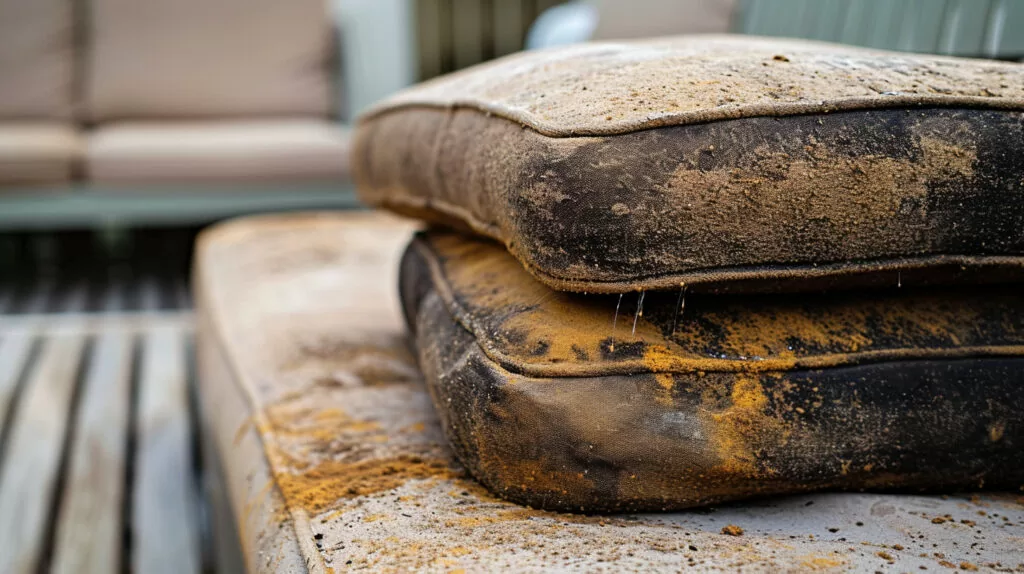
Moisture is the top cause of mildew on furniture pads. Pads often get wet from rain or watering plants. High humidity keeps the pads damp for a long time. Dampness gives mildew the perfect place to grow. Without drying quickly, mildew spreads fast.
Lack Of Ventilation
Poor airflow traps moisture inside the pads. When air cannot move freely, pads stay wet longer. This creates a dark, damp space where mildew loves to grow. Good ventilation helps pads dry and stay fresh. Without it, mildew can take over easily.
Outdoor Exposure
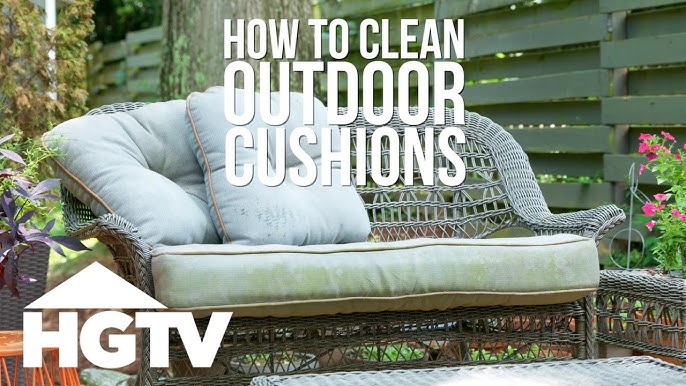
Furniture pads used outside face many risks. Rain, dew, and humidity all add moisture. Dirt and organic material bring mildew spores to pads. Sunlight helps dry the pads but is not always enough. Constant outdoor use means more chance for mildew to form.
Credit: www.youtube.com
Materials Needed For Cleaning
Cleaning mildew from outdoor furniture pads requires the right materials. Using proper cleaning supplies helps remove mildew effectively. It also protects the fabric from damage and keeps pads fresh. Gather everything before starting to make the process smooth and quick.
Cleaning Solutions
Choose a gentle but effective cleaning solution. Mild dish soap mixed with water works well. White vinegar diluted with water also kills mildew spores. Avoid harsh chemicals that can harm fabric or color. Oxygen bleach is a safe option for stubborn mildew stains.
Tools And Equipment
Use soft brushes or sponges to scrub the pads gently. A spray bottle helps apply the cleaning solution evenly. Have a bucket to mix cleaning liquids and rinse water. Use clean towels or cloths for drying and blotting excess moisture. A hose or access to water is important for rinsing off residues.
Step-by-step Cleaning Process
Cleaning mildew from outdoor furniture pads is easier with a clear process. Follow these simple steps to restore freshness and protect your pads. Each step helps remove mold and keeps the fabric safe.
Prepping The Furniture Pads
Take the pads outside to avoid spreading mildew indoors. Shake off loose dirt and dust gently. Check for care labels and follow any washing instructions. Remove any loose debris with a soft brush or cloth.
Applying Cleaning Solution
Mix a mild detergent with warm water in a bucket. Add one cup of white vinegar for extra mildew removal power. Use a spray bottle or sponge to apply the solution evenly. Make sure every mildewed area is covered well.
Scrubbing Techniques
Use a soft-bristle brush to scrub the pads gently. Work in small circular motions to lift mildew from fibers. Avoid using harsh brushes that can damage the fabric. Take your time for better cleaning results.
Rinsing And Drying
Rinse the pads thoroughly with clean water to remove soap and mildew. Avoid soaking the pads too long to prevent damage. Squeeze out excess water carefully without twisting. Let the pads air dry fully in the sun for best results.
Credit: www.patioproductions.com
Natural Cleaning Alternatives
Natural cleaning alternatives offer a safe and effective way to remove mildew from outdoor furniture pads. These methods use simple ingredients found at home. They avoid harsh chemicals that can harm fabric or the environment.
These options also help keep your pads fresh and clean. They are easy to prepare and apply. Let’s explore two popular natural cleaning solutions.
Vinegar And Baking Soda
Start by sprinkling baking soda over the mildew-stained areas. Baking soda helps absorb odors and loosen dirt. Next, spray white vinegar onto the baking soda. The mixture will bubble and fizz, breaking down mildew.
Let it sit for 15 minutes. Then, scrub gently with a soft brush or cloth. Rinse the pad well with water. Air dry in the sun to kill remaining spores and freshen the fabric.
Lemon Juice And Salt
Lemon juice acts as a natural bleach and disinfectant. Sprinkle salt on the mildew spots first to add scrubbing power. Pour fresh lemon juice over the salt and rub gently.
Let the mixture sit for 10-15 minutes. Rinse thoroughly with clean water. Sun drying is important here too. It helps remove stains and keeps mildew away.
Preventing Future Mildew Growth
Preventing mildew on outdoor furniture pads keeps them fresh and long-lasting. Mildew grows in damp, dark places. Stopping moisture and allowing air circulation helps avoid mildew problems. Simple habits can protect your pads all year.
Proper Storage Tips
Store pads in a dry, well-ventilated area. Avoid plastic bags that trap moisture. Use breathable fabric bags or containers. Keep pads off the ground to prevent dampness. Sunlight helps kill mildew spores. Let pads dry fully before storing them.
Regular Maintenance
Clean pads regularly to stop mildew growth. Brush off dirt and debris after use. Spot-clean stains quickly with mild soap and water. Let pads air dry completely before storing. Check pads often for early mildew signs. Quick action keeps mildew from spreading.
Using Protective Covers
Cover pads with waterproof, breathable covers. Covers block rain and dew but allow airflow. Avoid tight plastic covers that trap moisture. Use covers during wet or humid seasons. Remove covers on sunny days to dry pads. Protective covers reduce mildew risks effectively.
When To Replace Furniture Pads
Knowing when to replace outdoor furniture pads helps keep your furniture safe and looking good. Pads protect your furniture from scratches and moisture. Over time, pads wear out and lose their ability to protect. Replacing them at the right time prevents damage and keeps your outdoor space neat.
Signs Of Irreversible Damage
Look for cracks or deep tears in the pads. Pads that crumble or fall apart need replacing. If mold or mildew stains do not come off, the pads are damaged. Worn-out pads no longer cushion your furniture well. When pads feel hard or brittle, they have lost their protection power.
Choosing Durable Replacement Pads
Pick pads made from weather-resistant materials. Foam or rubber pads last longer outdoors. Choose pads that resist mold and mildew growth. Pads with a strong backing stay in place better. Size the pads to match your furniture legs or feet. Good pads save money by preventing frequent replacements.
Credit: shop4patio.com
Frequently Asked Questions
How Do I Remove Mildew From Outdoor Furniture Pads?
To remove mildew, first brush off loose spores. Then, scrub pads with a mix of water and mild detergent. Rinse thoroughly and dry in sunlight to prevent mildew return.
Can Vinegar Clean Mildew On Outdoor Cushions Effectively?
Yes, vinegar is a natural mildew cleaner. Spray a 1:1 vinegar-water solution on the pads. Let it sit for 30 minutes, scrub gently, rinse well, and air dry completely.
Is It Safe To Machine Wash Mildew On Furniture Pads?
Most outdoor furniture pads can be machine washed. Use cold water and mild detergent on a gentle cycle. Air dry fully to avoid mildew growth.
How Often Should I Clean Outdoor Furniture Pads?
Clean your outdoor furniture pads every 1-2 months. Regular cleaning prevents mildew buildup and keeps pads fresh. Immediate spot cleaning helps maintain their condition.
Conclusion
Cleaning mildew from outdoor furniture pads keeps them fresh and lasts longer. Use gentle soap and water for best results. Let the pads dry completely before use to stop mildew growth. Regular cleaning prevents stains and bad smells. Small efforts now save bigger problems later.
Enjoy your outdoor space with clean, cozy furniture pads every season.


