Are you wondering if chalk paint is the right choice to refresh your plastic outdoor furniture? You’re not alone.
Many people want to give their tired patio pieces a fresh look without the hassle of complicated painting techniques. Chalk paint is known for its easy application and matte finish, but does it really stick well to plastic surfaces exposed to sun and rain?
Keep reading to discover the truth about using chalk paint on plastic outdoor furniture and learn how you can transform your space with confidence. Your next DIY project might be simpler than you think!
Credit: happyhappynester.com
Chalk Paint Basics
Chalk paint is a popular choice for many DIY projects. It has a unique texture and finish. Many people use it to refresh old furniture and décor. Understanding chalk paint helps decide if it suits your outdoor plastic furniture.
It works well on many surfaces. It is easy to apply and dries quickly. Let’s explore what chalk paint is and its common uses.
What Is Chalk Paint
Chalk paint is a water-based paint. It has a matte, chalky finish. The texture is thick and creamy. It sticks well to many surfaces without sanding. Chalk paint is easy to distress for a vintage look. It does not require a primer in most cases.
Common Uses For Chalk Paint
People use chalk paint on wood, metal, and glass. It is great for furniture makeovers. It adds color and a soft texture. Chalk paint also works on walls and crafts. Many use it to create shabby chic styles. It is popular for both indoor and outdoor projects.
Credit: www.rainbowchalk.com
Challenges With Plastic Furniture
Plastic outdoor furniture is common because it is cheap and light. Yet, painting plastic is not easy. The material does not hold paint well. Paint may peel or chip after some time. This makes it hard to get a smooth, lasting finish on plastic.
Understanding the issues with plastic surfaces helps prepare for these challenges. The right steps can improve results, but some problems remain tough to solve.
Surface Issues
Plastic has a smooth and shiny surface. Paint does not stick well to this type of surface. Dirt and oils on plastic stop paint from bonding properly. Rough sanding helps, but it can be tricky. Some plastics are too slick even after sanding. Special primers are needed to fix this problem.
Durability Concerns
Paint on plastic furniture can peel quickly outside. Sunlight, rain, and heat cause fading and cracking. Plastic expands and contracts with temperature changes. This movement breaks the paint layer. Regular touch-ups are necessary for good look. Without proper care, paint will not last long.
Preparing Plastic Furniture
Preparing plastic outdoor furniture before painting is very important. It helps the paint stick better and last longer. Without proper prep, the paint might peel or chip quickly. This section explains simple steps to get plastic furniture ready for chalk paint.
Cleaning Techniques
Start by cleaning the furniture well. Use warm water and mild soap to remove dirt and grease. A soft cloth or sponge works best. Rinse with clean water and let it dry completely. Avoid harsh cleaners that can damage the plastic surface.
Sanding Tips
Sanding roughens the smooth plastic surface. Use fine-grit sandpaper, around 220 grit. Sand gently in small circles to avoid scratches. This helps the paint grip better. After sanding, wipe off dust with a damp cloth and wait until dry.
Priming Options
Apply a plastic primer to improve paint adhesion. Choose a primer made for plastic materials. Spray primers spread evenly and dry fast. Follow the instructions on the label for the best results. Let the primer dry fully before painting.
Credit: fusionmineralpaint.com
Applying Chalk Paint
Applying chalk paint on plastic outdoor furniture is a simple task. It needs the right tools and steps for a smooth finish. The paint sticks well with proper preparation and care. Understanding how to apply chalk paint helps the furniture look fresh and lasts longer.
Below are key tips for a good painting process.
Choosing The Right Brush
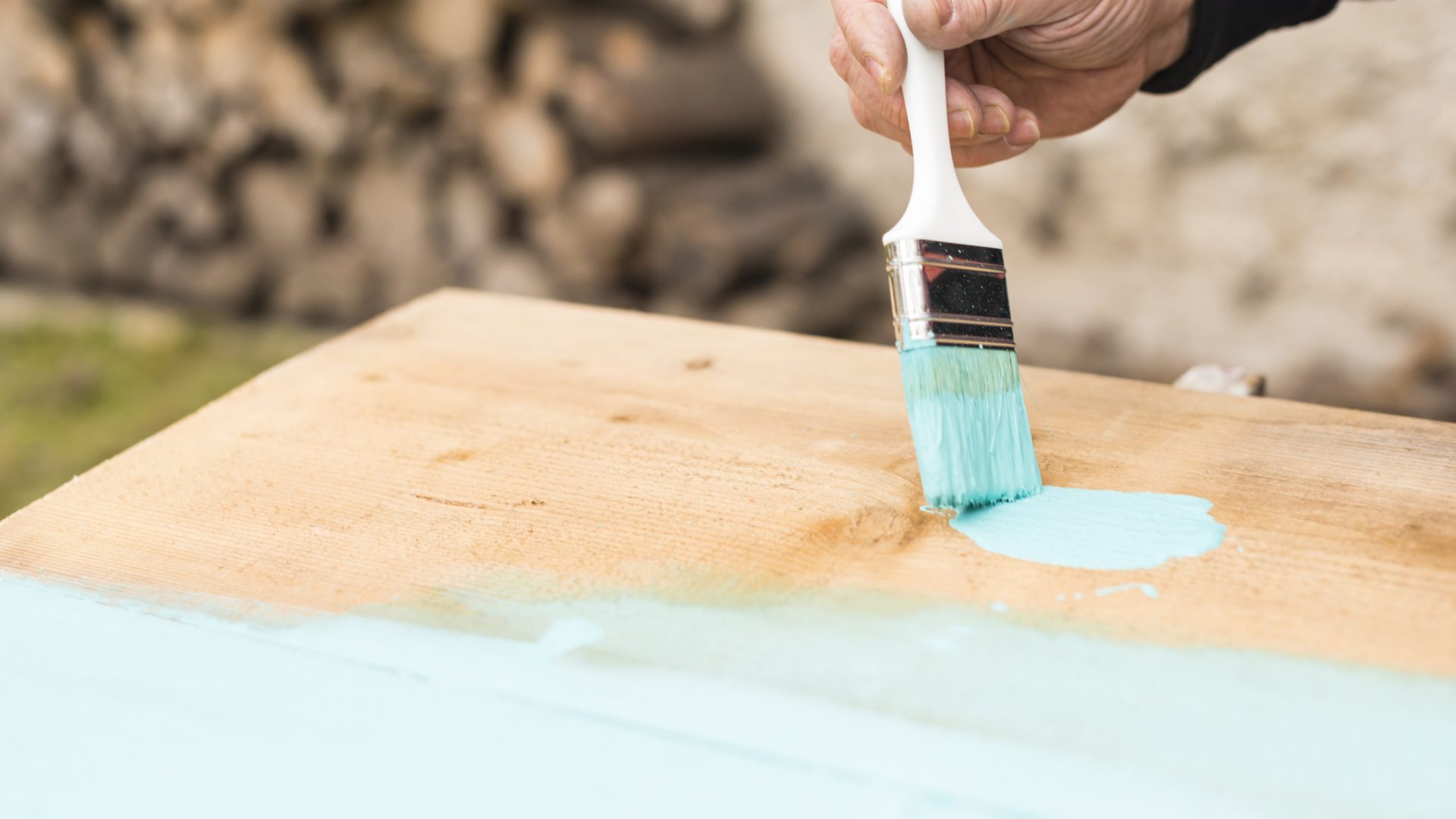
Use a soft-bristle brush for chalk paint. It spreads paint evenly and avoids streaks. Foam brushes also work well for smooth surfaces like plastic. Pick a brush size that fits the furniture’s size and shape. A small brush is good for details and corners.
Painting Techniques
Start with thin, even coats of chalk paint. Thick layers can drip and take longer to dry. Use smooth, long strokes in one direction. Lightly sand between coats for a smooth finish. Avoid heavy pressure to keep the paint layer thin. Let each coat dry fully before adding the next one.
Drying Times
Chalk paint usually dries quickly. It takes about 30 minutes to an hour for touch dry. Wait at least 2 hours before applying another coat. Full curing can take up to 24 hours. Keep the furniture in a dry, dust-free place during drying. This ensures the paint sets well and lasts longer.
Sealing And Protecting
After applying chalk paint on plastic outdoor furniture, sealing is important. It protects the paint from weather damage and wear. Sealing keeps the color bright and prevents peeling. It also helps the furniture last longer outdoors.
Best Sealants For Outdoor Use
Choose a sealant made for outdoor furniture. Clear acrylic spray sealants work well. They dry fast and resist water and sunlight. Polyurethane sealants offer strong protection. Look for water-based types to avoid yellowing. These sealants keep paint safe from rain and sun.
Application Methods
Apply sealant in thin, even coats. Use a brush or spray, based on the product. Spray sealants cover large areas quickly. Brushes work best for detailed parts. Let each coat dry fully before adding the next. Two or three coats give better protection.
Maintenance Tips
Clean furniture gently with mild soap and water. Avoid harsh scrubbing to protect the sealant. Reapply sealant every year or after heavy rain. Check for chips or cracks in the paint. Touch up and reseal those spots to keep furniture safe.
Common Mistakes To Avoid
Using chalk paint on plastic outdoor furniture is a great way to refresh old pieces. Avoid common mistakes to get the best results. These errors can cause paint to peel or fade quickly. Learn what to watch out for before starting your project.
Skipping Surface Prep
Plastic surfaces need cleaning before painting. Dirt and grease stop paint from sticking well. Use soap and water to clean the furniture. Light sanding creates a rough surface for paint. Skipping this step can lead to chipping and peeling.
Using The Wrong Sealant
Chalk paint needs a sealant to protect it outdoors. Not all sealants work well on plastic. Use a clear, waterproof sealant made for outdoor use. This shields the paint from rain and sun. The wrong sealant can cause damage and fading.
Ignoring Weather Conditions
Weather affects how paint dries and lasts. Painting on rainy or very hot days can ruin the finish. Choose dry, mild days with low wind for best results. Ignoring weather risks uneven drying and weak paint bonds.
Alternative Paint Options
Chalk paint may not always stick well to plastic outdoor furniture. Choosing the right paint ensures lasting results and better appearance. Many paints work better on plastic and resist weather effects. These options offer good coverage and durability.
Spray Paints For Plastic
Spray paints made for plastic provide smooth, even coats. They dry quickly and bond well with slick surfaces. Spray cans are easy to use on curved or detailed furniture. Look for spray paints labeled “for plastic” to avoid peeling. They resist fading from sun and rain, keeping colors bright longer.
Outdoor Acrylic Paints
Outdoor acrylic paints work well on plastic furniture too. These paints are water-based and safe to use. They offer good color variety and dry to a tough finish. Use a primer before painting to improve adhesion. Acrylic paint holds up well against weather and cleaning. It also allows some flexibility as plastic expands and contracts.
Frequently Asked Questions
Can Chalk Paint Stick To Plastic Outdoor Furniture?
Yes, chalk paint can stick to plastic outdoor furniture if the surface is properly cleaned and lightly sanded first. Using a primer designed for plastic improves adhesion and durability. This preparation helps the paint bond well, ensuring a long-lasting finish.
Do I Need To Seal Chalk Paint On Plastic Furniture?
Sealing chalk paint on plastic furniture is recommended to protect the finish from weather damage. Use a clear outdoor sealer or wax to enhance durability and prevent peeling. This step extends the life of your painted furniture.
How Long Does Chalk Paint Last On Plastic Outdoors?
Chalk paint on plastic outdoors typically lasts 1 to 3 years with proper prep and sealing. Exposure to sun and rain can shorten its lifespan. Regular maintenance and resealing help keep the paint looking fresh longer.
Can I Use Any Chalk Paint Brand On Plastic Furniture?
Not all chalk paint brands are suitable for plastic. Choose brands that specify compatibility with plastic surfaces. Using the right paint ensures better adhesion and a smoother finish on outdoor plastic furniture.
Conclusion
Chalk paint works well on plastic outdoor furniture with proper prep. Clean the surface and use a primer to help paint stick. Choose the right chalk paint made for plastic materials. A few coats will give good coverage and a fresh look.
Seal the paint to protect it from weather damage. This simple method can brighten old plastic furniture easily. Try it yourself and enjoy a new style outdoors.