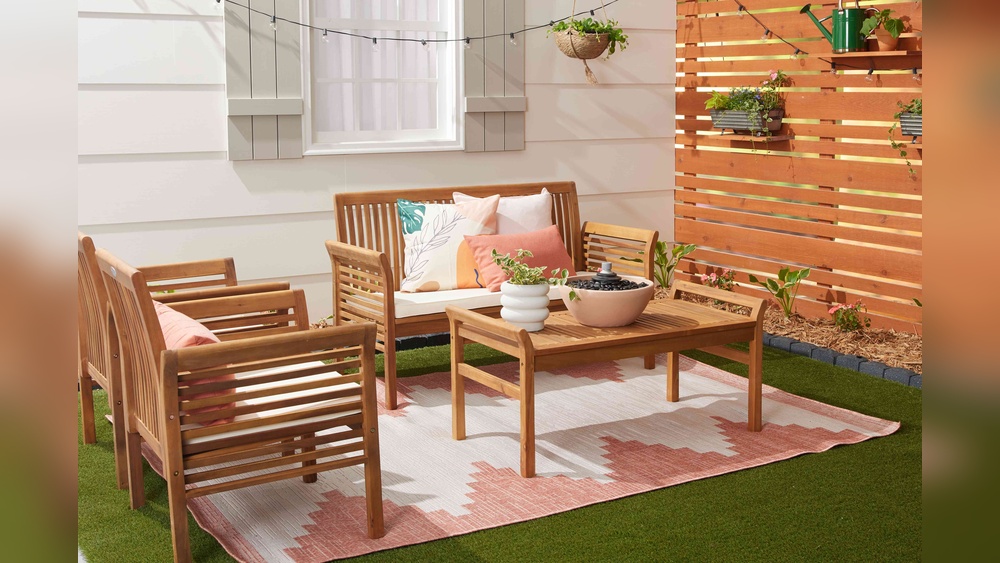
Are you wondering if you can use deck stain on your outdoor furniture? It’s a common question because both deck stain and furniture stain protect wood from the elements, but they’re designed for different purposes.
You want your outdoor furniture to look great and last through Texas sun, rain, and humidity. Using the wrong product could mean peeling, fading, or a finish that doesn’t hold up. You’ll discover whether deck stain is a smart choice for your outdoor pieces, how to apply it properly, and tips to keep your furniture looking fresh season after season.
Keep reading to make sure your investment stays beautiful and protected!
Deck Stain Basics
Understanding deck stain is important before using it on outdoor furniture. Deck stains protect wood from weather damage and improve its look. They come in different types and formulas. Knowing these basics helps you choose the right product for your furniture.
Deck stains are made to soak into the wood, not just sit on top. This helps protect the wood from moisture and sun damage. Some stains add color, while others keep the natural wood look. Let’s explore what deck stain really is and its main types.
What Is Deck Stain
Deck stain is a finish that adds color and protection to wood surfaces. It penetrates the wood and enhances its natural grain. Stains protect wood from water, sun, and mildew. They keep decks looking fresh and prevent cracking and warping.
Unlike paint, deck stain does not cover the wood with a thick layer. It soaks in and allows the wood to breathe. This makes it a popular choice for outdoor wood like decks and furniture.
Types Of Deck Stains
There are three main types of deck stains: transparent, semi-transparent, and solid. Transparent stains show most of the wood grain. Semi-transparent stains add some color but still let the grain show. Solid stains cover the wood fully, like paint, hiding the grain.
Each type offers different levels of protection and appearance. Transparent stains need more frequent reapplication. Solid stains last longer but hide the natural look of wood. Choose based on the look and durability you want.
Key Ingredients And Features
Deck stains contain pigments, binders, and solvents. Pigments add color and block UV rays. Binders help the stain stick to the wood. Solvents carry the ingredients and evaporate as the stain dries.
Many deck stains have water-repellent and mildew-resistant features. Some also protect against cracking and fading. These ingredients keep wood strong and looking good in outdoor conditions.
Outdoor Furniture Needs
Outdoor furniture faces many challenges. It must look good and resist damage. Proper care depends on understanding these needs. Each piece requires the right treatment for lasting beauty and strength.
Wood Types And Characteristics
Different woods react differently to stains. Softwoods like pine absorb stain quickly but need more protection. Hardwoods like teak have natural oils that resist moisture. Knowing your wood type helps choose the right stain.
Exposure To Weather Elements
Sunlight, rain, and humidity cause wear and fading. UV rays break down wood fibers and color. Rain and moisture lead to swelling and rot. Outdoor furniture must have a finish that blocks these effects.
Durability And Maintenance
Outdoor furniture needs a finish that lasts long. Deck stains offer protection but may wear fast on furniture. Regular cleaning and reapplication keep wood healthy. Choose easy-to-maintain products for busy lifestyles.
Using Deck Stain On Furniture
Using deck stain on outdoor furniture can be a practical way to protect and enhance wood. Deck stains are designed to resist weather and sun damage. This makes them a potential option for furniture exposed to the elements. Understanding how to use deck stain properly will help you achieve the best results.
Suitability Of Deck Stain For Furniture
Deck stains work well on many types of wood furniture. They provide color and protection from moisture and UV rays. Some deck stains are thicker and more durable than regular wood stains. This helps furniture last longer outdoors. Choose a deck stain labeled for exterior use. Test the stain on a small area to check how it looks.
Surface Preparation Tips
Start by cleaning the furniture thoroughly. Remove dirt, dust, and old finishes. Sand the surface lightly to smooth rough spots and help the stain stick. Wipe off sanding dust with a clean cloth. Allow the wood to dry completely before staining. Proper preparation ensures even coverage and better adhesion.
Application Techniques
Apply the deck stain with a brush or cloth. Use long, even strokes in the direction of the wood grain. Avoid applying too much stain at once to prevent drips. Let the first coat dry fully, usually 24 hours. Apply a second coat for deeper color and extra protection. Always follow the manufacturer’s instructions on drying times.

Credit: www.youtube.com
Pros And Cons
Using deck stain on outdoor furniture has both benefits and drawbacks. Understanding these helps you decide if it suits your needs. This section breaks down the pros and cons clearly.
Benefits Of Deck Stain On Furniture
Deck stain adds color and enhances the wood’s natural beauty. It protects against sun damage and moisture. This helps prevent cracking and fading. Stains also soak into the wood, offering deeper protection than paint. Applying deck stain is usually simple and quick. It can refresh old furniture without sanding it down fully.
Potential Drawbacks
Deck stain may not be made for frequent handling surfaces. Furniture faces more wear and tear than decks. The finish can wear off faster on chairs and tables. Some deck stains have strong odors and chemicals. They may not be safe for kids or pets shortly after use. Also, color options for deck stains are often limited compared to furniture stains.
Longevity And Wear
Deck stain on furniture often needs reapplication every 1 to 3 years. Exposure to rain, sun, and use causes faster wear. Proper cleaning and maintenance extend the finish life. Using a sealant after staining can improve durability. Without regular care, wood may dry out or peel. Choosing a high-quality stain improves resistance to fading and cracking.
Alternative Finishes
Choosing the right finish for outdoor furniture affects its look and durability. Alternative finishes offer various benefits over deck stains. These options protect wood differently and suit different wood types. Understanding them helps you pick the best finish for your furniture.
Oil-based Stains
Oil-based stains soak deep into wood fibers. They protect well against water and sunlight. These stains enhance natural wood grain and color. They work best on woods like cedar and redwood. Oil-based stains last longer in harsh weather. Cleanup needs mineral spirits, not water.
Water-based Stains
Water-based stains dry faster than oil types. They have less odor and clean up easily with soap and water. These stains resist fading and mildew. They work well on most wood types. Water-based stains keep wood looking fresh for years. They offer good protection from UV rays.
Spar Urethane And Teak Oil
Spar urethane creates a tough, flexible coating. It handles sun, rain, and temperature changes well. This finish shines on outdoor furniture needing strong protection. Teak oil nourishes dense hardwoods like teak and mahogany. It prevents cracking and keeps wood rich. Both finishes need regular reapplication for best results.
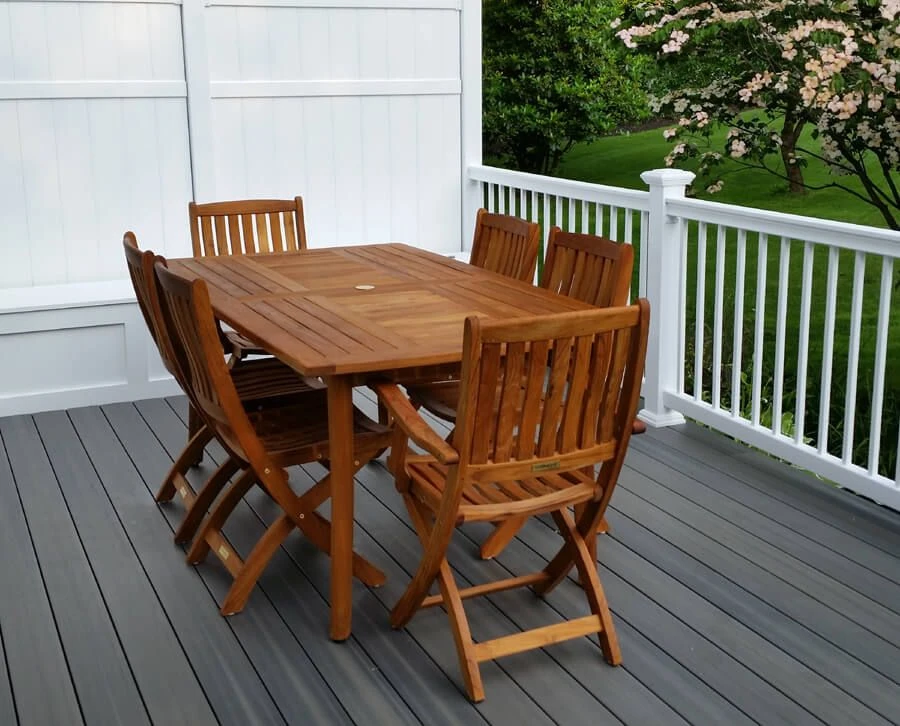
Credit: www.goldenteak.com
Color And Aesthetic Tips
Choosing the right color and style for your outdoor furniture can change your entire patio’s look. Using deck stain offers many options to refresh or protect your furniture while adding color. This section shares tips on picking colors, testing them, and keeping the color fresh over time.
Choosing The Right Shade
Pick a stain color that matches your outdoor space and furniture style. Lighter shades give a fresh, airy feel. Darker tones add warmth and richness. Consider your home’s exterior and surrounding plants. Neutral colors often blend well and stay timeless.
Testing Color Samples
Test the stain on a small hidden area before applying it all over. This shows how the wood absorbs the color. Drying can change the color slightly. Testing helps avoid surprises and ensures you like the final look. Try different shades to compare and pick the best fit.
Maintaining Color Over Time
Outdoor furniture faces sun, rain, and dirt, which fade colors. Clean furniture regularly with mild soap and water. Reapply stain every one to two years to keep colors bright. Use UV-protective stains for longer-lasting color. Cover furniture or store it during harsh weather to protect the finish.
Maintenance And Reapplication
Maintaining outdoor furniture stained with deck stain ensures lasting beauty and protection. Proper care keeps the wood looking fresh and guards it from weather damage. Regular maintenance and timely reapplication of stain extend the furniture’s life and preserve its color.
When To Refinish Outdoor Furniture
Refinish outdoor furniture when the stain looks dull or uneven. Check for peeling, cracking, or fading on the surface. If water no longer beads on the wood, it’s time to reapply stain. Usually, refinishing every one to two years works well. Harsh weather may require more frequent touch-ups.
Cleaning And Care
Clean furniture before staining or reapplying deck stain. Use a mild soap and water solution with a soft brush. Avoid harsh chemicals that may strip the stain. Rinse thoroughly and let the wood dry completely. Keep dirt and debris off the furniture to prevent damage.
Preventing Damage
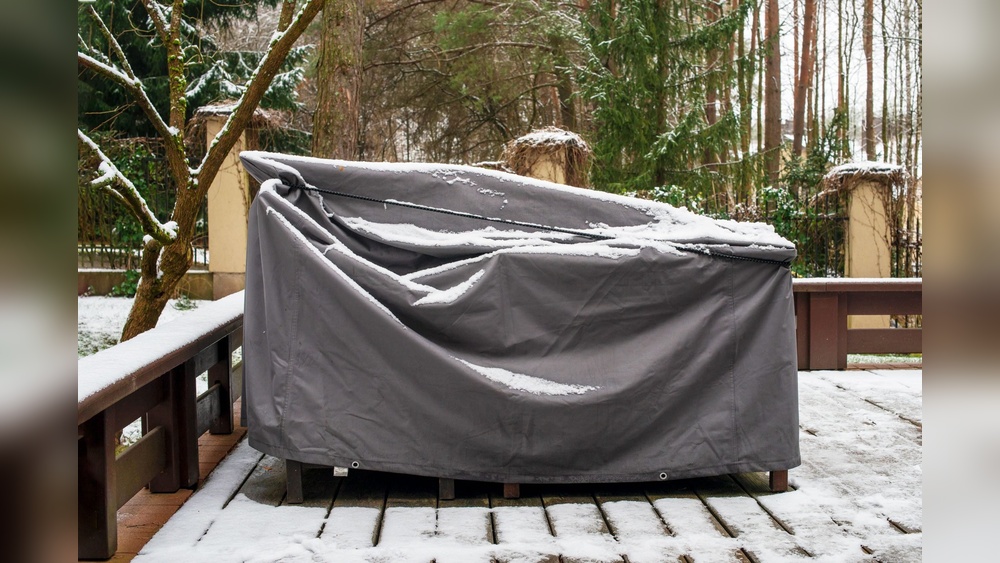
Place furniture in shaded areas to reduce sun damage. Cover furniture during heavy rain or snow to protect the stain. Use furniture pads under legs to avoid ground moisture. Regularly inspect for signs of wear and address small issues fast. Proper care prevents costly repairs and keeps furniture attractive.
Expert Recommendations
Expert advice helps you decide if deck stain suits your outdoor furniture. Choosing the right product and method protects your wood and keeps it looking great. Experts share tips on trusted brands, common errors, and final steps to improve results. Follow these recommendations for longer-lasting outdoor furniture finishes.
Trusted Brands And Products
Select deck stains known for quality and durability. Brands like Benjamin Moore, Behr, and Cabot offer reliable outdoor wood stains. Water-based stains work well for most wood types. Oil-based stains suit woods like cedar and redwood better. Choose products with UV protection to prevent fading. Test stains on a small hidden spot before full use.
Common Mistakes To Avoid
Do not apply stain on dirty or wet surfaces. Clean and dry furniture fully before staining. Avoid staining in direct sunlight or extreme temperatures. Applying too thick a coat leads to peeling and uneven color. Skip using deck stain on furniture with previous paint or finish without sanding. Do not rush; allow proper drying time between coats.
Final Tips For Best Results
Sand furniture lightly before applying deck stain for better absorption. Use a brush or cloth to apply stain evenly. Work with the wood grain to avoid streaks. Apply multiple thin coats rather than one thick layer. Protect stained furniture with a clear sealant for extra durability. Reapply stain every few years to maintain protection and color.
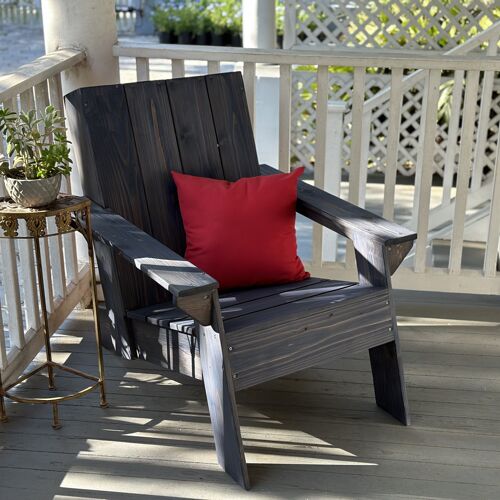
Credit: thecraftsmanblog.com
Frequently Asked Questions
Can You Use Decking Stain On Outdoor Furniture?
Yes, you can use decking stain on outdoor furniture. Ensure proper surface prep and test a small area first. Decking stains protect wood and enhance appearance but may need reapplication over time. Choose water- or oil-based stains depending on wood type for best durability and finish.
What Kind Of Stain To Use For Outdoor Furniture?
Use water-based stains for most woods; oil-based stains suit cedar and redwood. Choose UV- and mildew-resistant options for durability.
Is Decking Stain The Same As Wood Stain?
Decking stain and wood stain both add color and protect wood. Decking stain is specially formulated for outdoor decks, offering extra durability against foot traffic and weather. Wood stain suits various wood types but may lack decking stain’s toughness. Choose based on the wood’s use and exposure.
What Is The Best Protectant For Outdoor Wood Furniture?
The best protectant for outdoor wood furniture is spar urethane for durability or teak oil to maintain hardwoods. Water-based stains with UV inhibitors also protect well.
Conclusion
Using deck stain on outdoor furniture is possible with care. Test a small area first to avoid surprises. Proper surface cleaning and preparation help the stain last longer. Choose the right type—water-based for most woods, oil-based for specific kinds. Remember, outdoor furniture may need re-staining more often than decks.
Protect your investment by sealing edges well. This simple approach keeps furniture looking fresh and vibrant. Staining can enhance wood’s beauty and durability outdoors. Just follow these tips, and your furniture will shine season after season.