Winter is coming, and you might be wondering what to do with your outdoor furniture as the cold sets in. Should you leave it outside, cover it up, or bring it indoors?
Taking the right steps now can save you time, money, and frustration later. Whether your furniture is made of wood, metal, or plastic, knowing how to protect it from winter’s harsh conditions will keep it looking great for years to come.
You’ll discover simple, effective tips tailored to your outdoor pieces—so you can enjoy your patio again when warm weather returns. Keep reading to learn exactly how to winterize your outdoor furniture and avoid common mistakes that many people make.
Credit: www.alcocovers.com
Durable Furniture Materials
Choosing the right outdoor furniture material is key for winter durability. Some materials handle cold, moisture, and frost better than others. Durable furniture materials require less maintenance in winter and can stay outside safely. They resist damage from snow, ice, and fluctuating temperatures. Understanding these materials helps you decide what to leave outdoors and what to store.
High-density Polyethylene (hdpe)
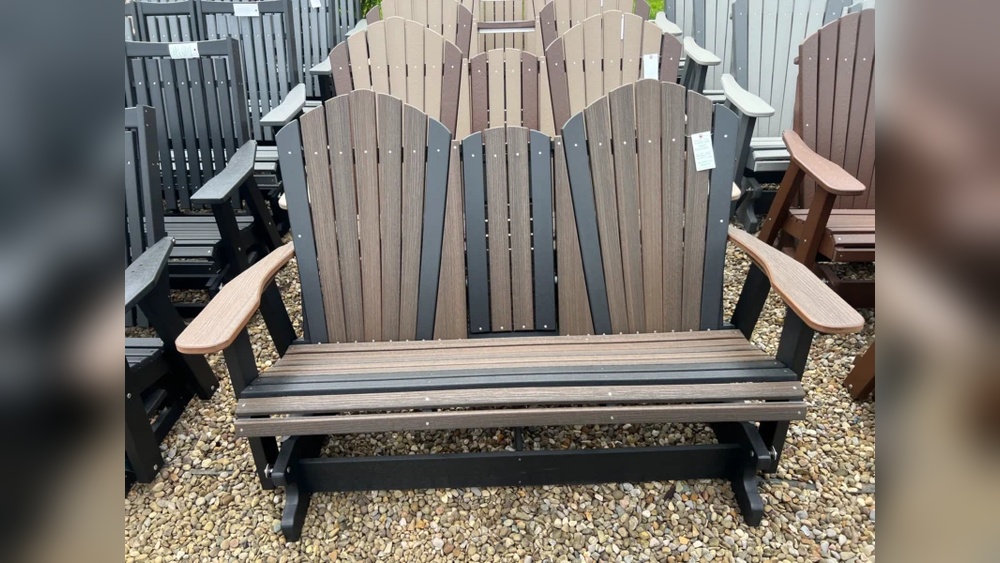
HDPE furniture is made from strong plastic. It resists cracking, fading, and warping in cold weather. This material does not absorb water, so it won’t swell or rot. It can handle snow and rain without damage. HDPE furniture is easy to clean and usually does not need covers. It stays looking good even after harsh winters.
Aluminum Furniture
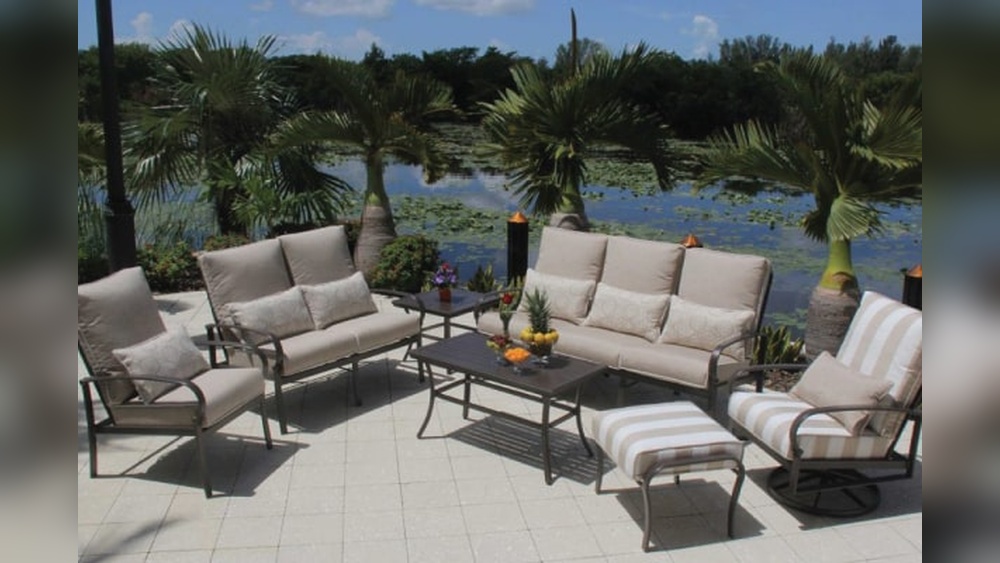
Aluminum outdoor furniture is lightweight and rust-resistant. It does not corrode when exposed to moisture or salt. Aluminum can endure freezing temperatures without breaking. This metal is strong and stable during winter storms. A coat of paint or powder finish adds extra protection. Aluminum pieces often require little to no winter storage.
Concrete Pieces
Concrete furniture is heavy and very durable. It can stand up to cold, snow, and ice without cracking. Quality concrete pieces come sealed to stop water absorption. This seal prevents freeze-thaw damage in cold weather. Concrete furniture often stays outside all year. It adds a solid, lasting option for winter outdoor use.
Credit: fj-outdoors.com
Furniture Needing Extra Care
Some outdoor furniture needs extra care during winter. These pieces can get damaged by moisture, cold, and freezing temperatures. Taking steps to protect them helps keep their beauty and strength. Cushions, wood, metal, glass, and wicker require special attention. Proper care prevents costly repairs and extends their life. Below are tips to care for these sensitive materials.
Cushions And Pillows
Cushions and pillows absorb water easily. Wet cushions grow mold and mildew fast. Store them inside a dry place during winter. Use sealed plastic bags or storage bins for extra protection. Avoid leaving cushions outside, even under covers. Dry cushions completely before storing to prevent odors.
Wood Furniture
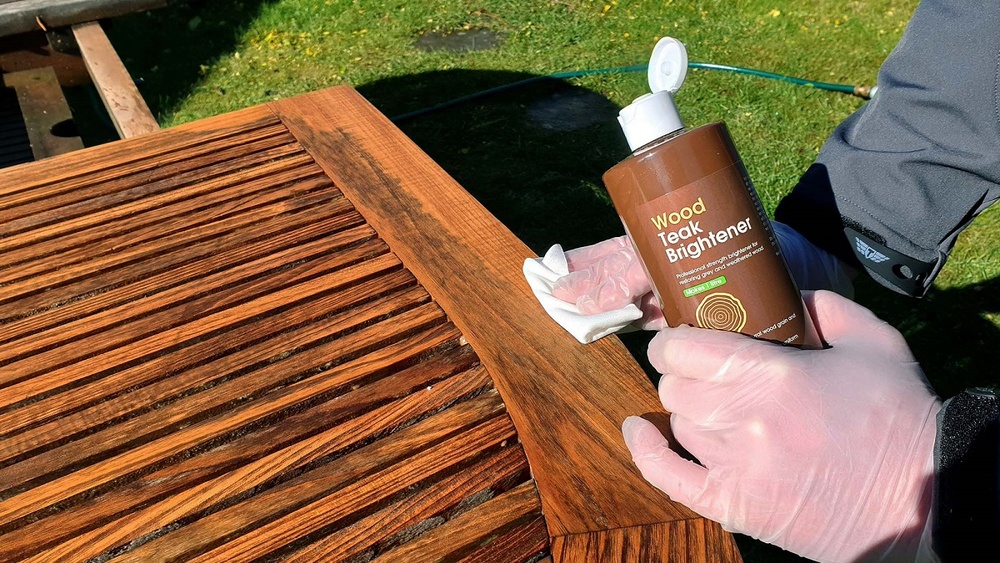
Wood furniture can crack or warp from cold and moisture. Apply a waterproof sealant to protect the wood surface. Cover wood pieces with heavy-duty tarps if storing outside. Better to move wood furniture indoors or to a garage. Check for peeling paint or finishes and repair before winter.
Wrought Iron And Steel
Wrought iron and steel furniture rust easily in winter. Clean metal furniture and apply rust-resistant paint or spray. Use waterproof covers to shield from snow and rain. Store indoors if possible. Inspect joints and screws for tightness before winter starts.
Glass Components
Glass tabletops and inserts risk cracking in freezing weather. Sudden temperature changes cause glass to break. Remove glass parts and store them safely inside. If leaving glass outside, cover it with thick blankets and waterproof covers. Avoid placing heavy snow loads on glass surfaces.
Wicker And Rattan
Natural wicker and rattan absorb moisture and can rot or crack. Synthetic wicker is more durable but still needs protection. Store wicker furniture indoors or in a dry shed. Cover pieces with breathable, waterproof covers to block moisture. Clean and dry wicker before storage to prevent mold growth.
Storage Solutions
Proper storage is key to keeping outdoor furniture safe during winter. Choosing the right storage method prevents damage and extends furniture life. Many options exist, from indoor storage to using protective covers. Each option suits different furniture types and space availability.
Planning storage carefully helps avoid moisture, rust, and cracking. This section covers easy and effective storage solutions for winter.
Indoor Storage Tips
Storing furniture indoors offers the best protection. Find a dry, cool space like a garage or basement. Clean the furniture thoroughly before storage. Remove cushions and fabrics to prevent mold growth. Stack chairs and tables carefully to save space. Use furniture pads to avoid scratches. Ensure air circulates to keep moisture low. Indoor storage protects wood, metal, and wicker from harsh weather. This method is ideal for delicate or valuable pieces.
Using Waterproof Covers
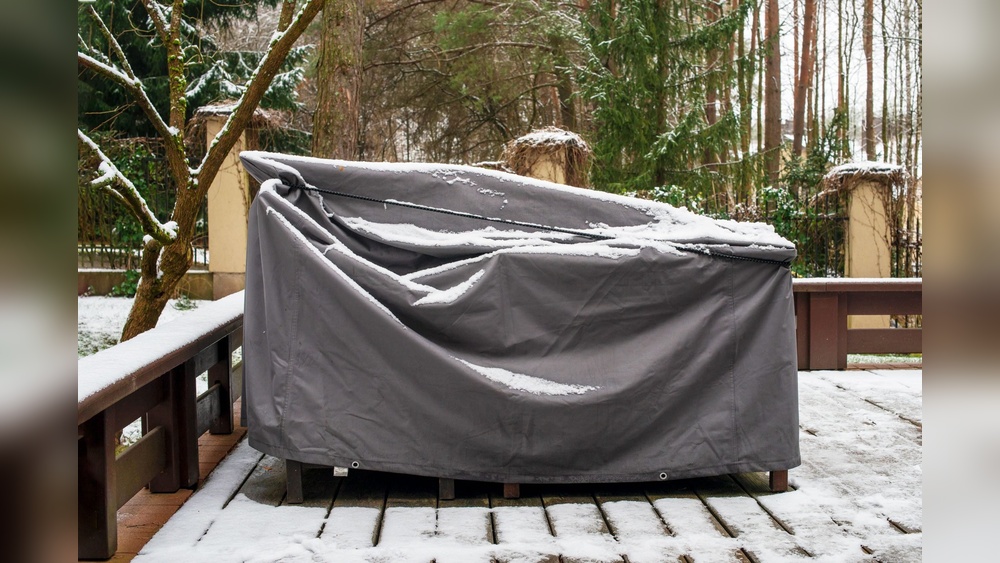
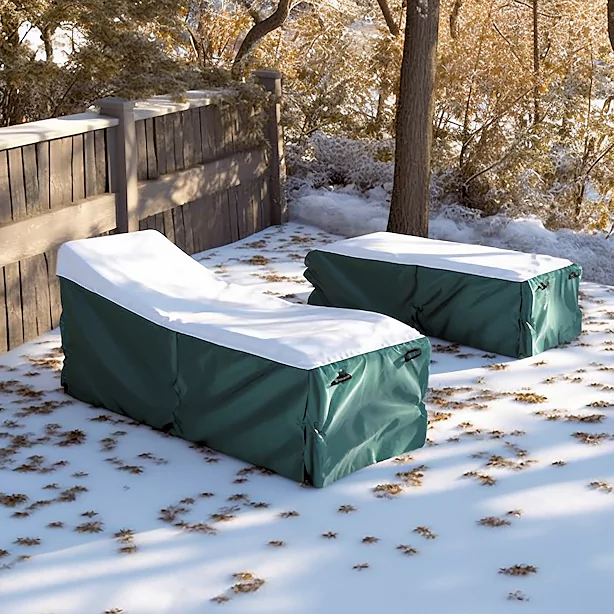
Waterproof covers shield furniture from rain, snow, and ice. Choose covers made from breathable materials to prevent moisture buildup. Secure covers tightly to avoid wind damage. Avoid using plastic sheets alone as they trap humidity. Covers work well for large pieces that cannot fit indoors. Check covers regularly for tears or water pools. Use ties or elastic bands to keep covers in place. Proper use of waterproof covers reduces wear and tear during winter months.
Protective Treatments
Protective treatments help extend the life of outdoor furniture during winter. They guard against moisture, cold, and wear. These treatments are especially important for wood and metal pieces. Proper care keeps furniture looking good and prevents costly repairs.
Applying Sealants
Sealants form a barrier against water and cold damage. Use a sealant made for your furniture’s material. For wood, apply a clear, waterproof sealant evenly. Let the first coat dry before applying a second. Sealants stop moisture from soaking in. This prevents wood from swelling or cracking.
Check the sealant’s instructions for drying times. Apply sealants in dry weather to get the best results. Avoid heavy sealants on plastic or metal, as they may not stick well. Sealants help maintain color and texture too.
Maintaining Metal Finishes
Metal furniture needs protection from rust and corrosion. Clean metal surfaces with mild soap and water before treatment. Dry thoroughly to avoid trapping moisture. Use a rust-resistant spray or paint designed for metal. This adds a protective layer against winter elements.
Inspect metal joints and screws for rust regularly. Tighten or replace any loose parts. Cover metal furniture with breathable covers to reduce exposure. Avoid heavy, non-breathable covers that trap moisture and cause rust. Proper maintenance keeps metal furniture sturdy and attractive.
Preventing Winter Damage
Winter weather can be harsh on outdoor furniture. Preventing damage during cold months helps keep furniture looking good and lasting longer. Taking steps to protect your pieces from moisture, snow, ice, and temperature changes is key. This section covers simple ways to prevent winter damage and maintain your furniture’s condition.
Avoiding Moisture Traps
Moisture causes wood to swell and metal to rust. Avoid placing covers directly on damp furniture. Use breathable covers that allow air flow. This stops water from collecting underneath. Elevate furniture slightly off the ground to let air circulate. Remove cushions and store them indoors. Moisture trapped inside cushions leads to mold and mildew.
Handling Snow And Ice
Snow and ice add weight and moisture to furniture. Brush off snow regularly to prevent buildup. Avoid using salt or harsh chemicals near furniture as they can cause damage. Use soft tools to remove ice instead of sharp objects. Allow ice to melt naturally when possible. Cover furniture with waterproof tarps to shield from snow and ice.
Dealing With Temperature Fluctuations
Cold and warm spells cause materials to expand and contract. This can crack wood and warp metal. Keep furniture in a stable environment if possible. Store delicate items indoors during extreme cold. Use sealants on wood to protect against cracking. Metal furniture benefits from rust-resistant coatings. Proper care reduces wear caused by changing temperatures.

Credit: fj-outdoors.com
Frequently Asked Questions
Is It Okay To Leave Patio Furniture Out In The Winter?
Leaving durable patio furniture like HDPE, aluminum, or concrete outside in winter is fine. Store cushions indoors. Cover or store wood, wrought iron, glass, wicker, and rattan to prevent damage from moisture, rust, or freezing. Use waterproof, breathable covers and apply sealant for extra protection.
Can Wrought Iron Furniture Be Left Outside In Winter?
Wrought iron furniture can rust if left outside in winter. Cover it with a waterproof tarp or store it indoors to prevent damage.
How To Wrap Up Outdoor Furniture For Winter?
Clean and dry furniture thoroughly. Remove cushions and store indoors. Apply sealant on wood. Use waterproof, breathable covers tightly secured. Store delicate items like glass and wicker inside to prevent damage.
What Garden Furniture Can Be Left Out In Winter?
Durable garden furniture like HDPE, aluminum, and sealed concrete withstand winter outdoors. Store cushions, wood, wrought iron, glass, wicker, and rattan inside or cover them to prevent damage. Use waterproof covers and sealants for extra protection.
Conclusion
Taking care of outdoor furniture in winter helps it last longer. Durable materials like aluminum and HDPE can stay outside safely. Softer items like cushions should be stored indoors to avoid damage. Use covers to protect wood, wicker, and metal pieces left outside.
Seal wood furniture to keep moisture out. Regular care prevents cracking, rust, and mold during cold months. Preparing your furniture now saves time and money later. Enjoy a fresh, clean patio when spring arrives. Simple steps keep your outdoor space ready year-round.