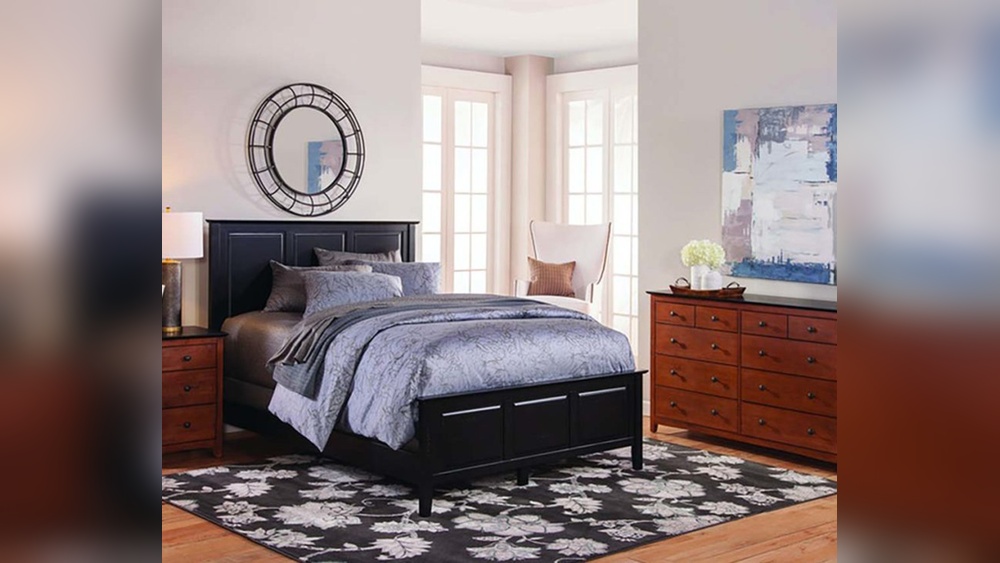
Are you wondering if you can mix and match bedroom furniture without making your space look chaotic? The short answer is yes!
Mixing different styles, colors, and materials can actually give your bedroom a unique personality that feels truly yours. But how do you do it without ending up with a cluttered or mismatched mess? The secret lies in finding balance and harmony among your pieces.
You’ll discover simple, practical tips to blend your furniture like a pro, creating a stylish and inviting bedroom that reflects your taste. Ready to transform your space with confidence? Keep reading to unlock the secrets of mixing and matching bedroom furniture perfectly.
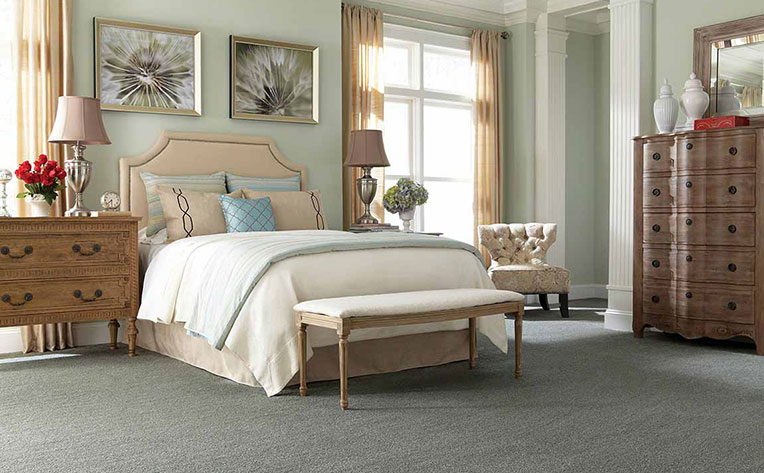
Credit: www.flooringcanada.ca
Benefits Of Mixing Furniture
Mixing bedroom furniture offers many benefits for your space. It allows you to express your personality and style freely. Combining different pieces creates a unique and interesting look that stands out.
This approach helps avoid a dull or uniform appearance. You can blend new items with vintage or inherited pieces. Mixing furniture makes your room more dynamic and inviting.
Creates A Personalized Space
Choosing various furniture pieces reflects your taste and story. You control the style by selecting what fits your vision. This makes the bedroom truly yours, not just a showroom copy.
Offers Flexibility And Variety
Mixing lets you adapt your bedroom over time. You can update parts without replacing everything. This saves money and lets you try fresh ideas easily.
Enhances Visual Interest
Different shapes, colors, and textures add depth to the room. It keeps the eye moving and makes the space lively. A mix of styles can balance modern and classic elements well.
Maximizes Use Of Available Pieces
Using what you already have reduces waste and cost. Old and new furniture can work together with the right choices. This approach supports sustainability and smart decorating.
Color Palette Tips
Choosing the right color palette is key to mixing and matching bedroom furniture. It helps unify different styles and shapes into one harmonious space. A well-planned color scheme makes your room feel balanced and inviting. Use colors to create a mood that fits your personality and style.
Start by picking a base color that works well with your main furniture pieces. Then add shades and accents to bring depth and interest. This approach keeps your bedroom visually pleasing without feeling chaotic.
Using Shades And Contrasts
Shades and contrasts add dimension to your bedroom. Use lighter shades to soften bold furniture pieces. Darker shades can ground lighter items and create a cozy feel. Contrast helps highlight key pieces without clashing.
Try pairing a dark wood bed with lighter nightstands. Or add soft pastel bedding against a bold dresser. This mix keeps the eye moving and adds personality.
Creating Room Flow
Room flow means making your space feel connected and easy on the eyes. Use colors that repeat in different furniture items to link them together. This creates a smooth visual path throughout the room.
Choose a few colors and spread them evenly. For example, if your bed is navy, add navy accents in lamps or rugs. This balance helps the room feel calm and well put together.
Finding Common Themes
Finding common themes is key to mixing and matching bedroom furniture successfully. It helps create harmony in your space. Without common themes, a room can feel chaotic and disjointed. By focusing on shared elements, you make different pieces work well together.
Matching Materials
Using similar materials brings unity to mixed furniture. Wood tones are a popular choice. For example, pairing oak with walnut can create warmth. Metals like brass or black iron add a modern touch. Textures also matter. Smooth finishes blend well with other smooth surfaces. Rough or distressed textures pair nicely with rustic pieces.
Matching materials do not mean identical. Slight variations add interest and depth. They keep the room from looking too uniform or boring.
Shared Styles
Choosing pieces with a shared style creates visual flow. For instance, mid-century modern furniture fits well together. Vintage or farmhouse styles also pair nicely. Even if colors differ, a common style feels intentional. Mixing contemporary with traditional can work if balanced carefully.
Look for similar shapes and design details. Curved edges or clean lines link different pieces. Shared styles help the eye move smoothly across the room.

Credit: marissacalhome.com
Balancing Visual Weight
Balancing visual weight is key when mixing and matching bedroom furniture. It ensures the room feels harmonious and not cluttered. Visual weight refers to how heavy or light a piece looks in a space.
Heavy-looking furniture can make a room feel crowded, while light pieces keep it open. Balancing these helps create a comfortable and inviting bedroom.
Size Considerations
Choose furniture sizes that complement each other. Large pieces paired with tiny ones can look awkward. A big dresser with a small nightstand may feel unbalanced.
Try to keep furniture sizes proportional to the room. Avoid crowding one side with bulky items. This balance helps the eye move smoothly around the space.
Placement Strategies
Arrange furniture to spread visual weight evenly. Place heavier pieces opposite lighter ones to create balance. For example, a tall wardrobe on one side can be balanced by a wide bed on the other.
Leave enough space between items to avoid clutter. Use open areas to give the room breathing room. This makes the bedroom feel larger and more relaxed.
Coordinating Styles And Materials
Coordinating styles and materials is key when mixing bedroom furniture. It helps the space feel connected. Different furniture pieces can work well together if they share some common traits.
Choosing styles and materials that complement each other creates harmony. It makes the room inviting and balanced. Without coordination, the space may feel chaotic or mismatched.
Mixing Complementary Elements
Select furniture pieces that share similar tones or textures. Wood finishes in warm shades blend nicely with soft fabrics in neutral colors. Metal accents can add contrast but should match in color or style to avoid clashing.
Combine modern and traditional styles carefully by balancing shapes and lines. Rounded edges soften angular furniture, creating a pleasing mix. Keep patterns subtle and consistent across textiles to maintain unity.
Avoiding Cluttered Looks
Limit the number of different styles and materials to prevent visual overload. Too many varied pieces can make the room feel busy and small. Stick to two or three main materials and styles for a clean look.
Place larger furniture first to set the tone, then add smaller complementary pieces. Leave some empty space for breathing room. Clear surfaces and simple decor help the room feel organized and calm.
Incorporating Texture
Adding texture brings depth and interest when mixing bedroom furniture. Soft fabrics, rough wood, and smooth metals create a balanced, inviting space. Combining different textures makes the room feel cozy and stylish without needing matching sets.
Texture adds depth and interest to a bedroom. Mixing textures creates a layered, inviting space. It breaks the monotony of matching furniture and adds personality.
Combining smooth, rough, soft, and hard surfaces makes the room feel balanced. Texture can come from materials, finishes, and fabrics.
Mixing Materials For Texture
Use different materials like wood, metal, and fabric to add texture. A wooden bed frame pairs well with a metal nightstand. Soft fabric chairs contrast nicely with hard surfaces.
Try pairing natural wood with polished metal for a fresh look. This mix adds visual interest without clashing.
Using Textured Fabrics
Fabrics like linen, velvet, or cotton bring softness to the room. Textured pillows and throws add comfort and style. Choose fabrics that complement the furniture materials.
Layer different fabrics to create a cozy, tactile experience. This adds warmth and personality without overwhelming the space.
Playing With Finishes And Patterns
Matte, glossy, or distressed finishes create texture on furniture surfaces. Mixing these finishes adds dimension and charm. Patterns on rugs or cushions also contribute to texture.
Balance bold patterns with solid colors to avoid visual clutter. Texture through finishes and patterns keeps the room dynamic and inviting.
Using Accent Pieces
Using accent pieces can bring life to a bedroom with mixed furniture. These items add charm and personality without overwhelming the room. Accent pieces let you combine styles smoothly and create a balanced look. Focus on key elements that draw attention and complement your main furniture.
Statement Headboards
A statement headboard can anchor the bedroom design. It sets the tone and style for the whole room. Choose a headboard with a bold color or unique shape. This piece can blend different furniture styles by acting as a common thread. Upholstered headboards add softness and comfort. Wooden or metal headboards provide a classic or modern feel. Pick a headboard that matches your room’s mood and complements other furniture.
Focal Chairs
A focal chair adds a stylish touch and extra seating. Select a chair with a distinct design or vibrant fabric. This piece stands out but still fits with other furniture through color or texture. Focal chairs create a cozy corner and break the uniformity of matching furniture. Mixing a vintage chair with modern pieces adds interest. Choose a chair that balances the room and invites relaxation.

Credit: marissacalhome.com
Spacing And Layout
Spacing and layout play a vital role in mixing and matching bedroom furniture. Proper arrangement helps the room feel inviting and comfortable. It also highlights each piece without overwhelming the space. Good spacing allows easy movement and maintains a balanced look.
Careful planning of the layout ensures your furniture works well together. It prevents the room from looking cluttered or awkward. Proper spacing also enhances the functionality of your bedroom, making it more enjoyable to use every day.
Ensuring Good Flow
Good flow means clear paths for walking around the room. Leave enough space between furniture pieces for easy movement. Avoid blocking doors or windows with large items. Keep the bed as the focal point and arrange other pieces around it. This creates a natural and comfortable flow.
Avoiding Overcrowding
Too much furniture makes the room feel cramped and tight. Choose only essential pieces to keep the space open. Mix large items with smaller ones to balance the visual weight. Leave empty areas to let your eyes rest. Overcrowding reduces comfort and makes the room less inviting.
Mismatched Bedside Tables
Mismatched bedside tables bring charm and personality to your bedroom. They break the monotony of matching sets and add a creative touch. Mixing styles can make your room feel unique and inviting.
Choosing different bedside tables can also reflect your tastes and lifestyle. You can mix vintage with modern or wood with metal. This approach makes your bedroom one of a kind.
Height Tips
Keep bedside tables close in height to the mattress top. This keeps items within easy reach while you lie down. A difference of a few inches is okay but avoid extremes. Too tall or too short tables disrupt comfort and look unbalanced.
Measure your bed height before buying tables. Test the height by sitting on the bed and reaching for a table. This simple step improves functionality and appearance.
Style Flexibility
Mix styles by focusing on a common element like color or texture. For example, two different tables in the same color family look connected. Or choose tables with similar shapes but different finishes.
Don’t fear mixing modern with rustic or metal with wood. Contrast creates interest and depth. Keep your room’s overall style in mind to maintain harmony. Experiment to find the right balance for your space.
Common Mistakes To Avoid
Mixing and matching bedroom furniture can create a unique and inviting space. Avoiding common mistakes helps your room look stylish and well put together. Pay attention to key details to keep harmony and balance.
Choosing Clashing Styles
Combining too many different furniture styles creates a messy look. Stick to pieces that share some design traits. Mixing modern with rustic works best when colors or shapes connect them.
Ignoring Color Coordination
Colors that clash make the room feel chaotic. Pick a color palette and follow it. Use shades that complement each other to tie the furniture together smoothly.
Overloading The Room
Too much furniture crowds the space and breaks harmony. Choose fewer pieces that serve multiple purposes. Leave room for movement and breathing space around each item.
Skipping Proper Scale And Size
Furniture that is too large or too small looks awkward. Match the scale of your pieces to the room size. Balanced proportions help the room feel comfortable and inviting.
Neglecting Texture And Material Mix
Using only one texture or material makes the space dull. Mix wood, metal, fabric, or glass in a balanced way. This adds depth and interest without overwhelming the eye.
Frequently Asked Questions
What Is The 2 3 Rule For Furniture?
The 2-3 rule for furniture means grouping two or three pieces together to create balance and visual interest. It helps avoid overcrowding and keeps the space harmonious.
Should All Furniture In The Bedroom Be The Same Color?
Bedroom furniture does not need to be the same color. Use a consistent palette or complementary tones for a balanced, cohesive look. Mixing colors adds personality while maintaining harmony through style or texture coordination.
What Are Common Bedside Table Mistakes?
Common bedside table mistakes include choosing the wrong height, overcrowding the surface, ignoring style balance, and poor lighting placement.
Is It Okay To Have Mismatched Bedside Tables?
Yes, mismatched bedside tables are perfectly fine. Choose pieces with complementary colors, styles, or sizes for a balanced, unique look. Mixing adds personality and keeps your bedroom visually interesting.
Conclusion
Mixing and matching bedroom furniture adds charm and personality to your space. Choose colors and styles that blend well together. Keep balance by selecting pieces with similar shapes or sizes. This approach creates a cozy, inviting room without feeling cluttered.
Remember, your bedroom should reflect your taste and comfort. Don’t be afraid to experiment and trust your instincts. A well-mixed bedroom feels fresh and uniquely yours every day.
