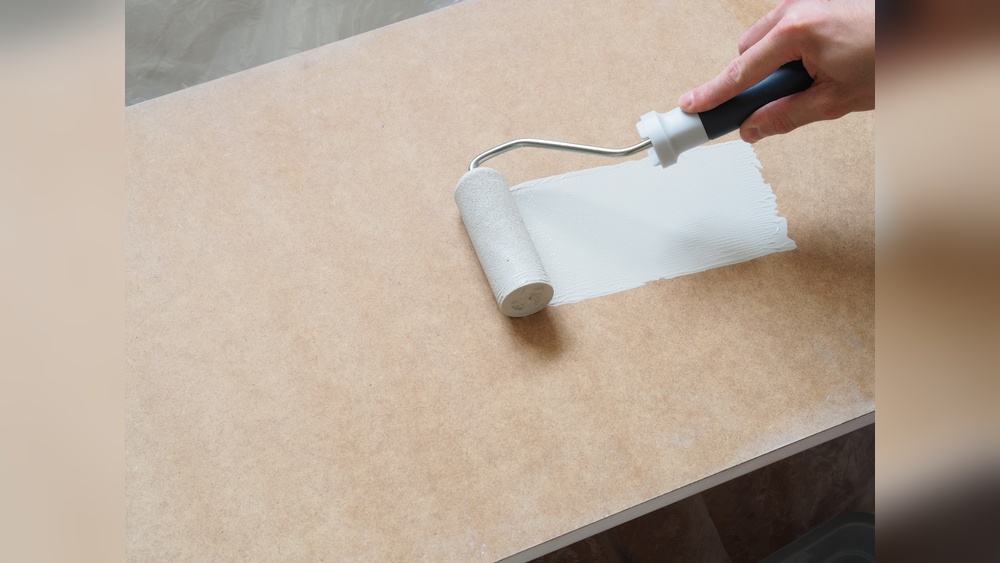
Are you thinking about giving your MDF bedroom furniture a fresh new look? You might wonder, “Can you actually paint MDF bedroom furniture?” The good news is yes—you absolutely can!
But to get that smooth, lasting finish you want, there are some important steps and tips you need to know. Painting MDF isn’t as simple as slapping on a coat of paint; it requires the right preparation and technique. Stick with me, and I’ll show you exactly how to transform your plain MDF pieces into stunning, personalized furniture that brightens your bedroom.
Ready to unlock the secret to a flawless paint job on MDF? Let’s dive in!

Credit: www.youtube.com
Painting Mdf Furniture
Painting MDF furniture offers a fresh way to update bedroom decor. MDF, or Medium Density Fiberboard, has a smooth surface that takes paint well. This makes it a popular choice for bedroom furniture projects. Proper painting enhances durability and appearance.
Why Choose Mdf For Bedroom Furniture
MDF is affordable compared to solid wood. It has a smooth, flat surface that is easy to paint. MDF does not have knots or grain, so paint covers evenly. It is strong enough to make sturdy furniture pieces. Its consistency allows for precise cuts and shapes. This makes MDF ideal for custom bedroom furniture designs.
Challenges With Painting Mdf
MDF edges absorb paint more than smooth surfaces. This can cause uneven texture and swelling. It is important to seal edges before painting. MDF can swell if exposed to water or high humidity. Using the right primer helps paint stick better. Without preparation, the paint may peel or chip easily.
Benefits Of Painting Mdf
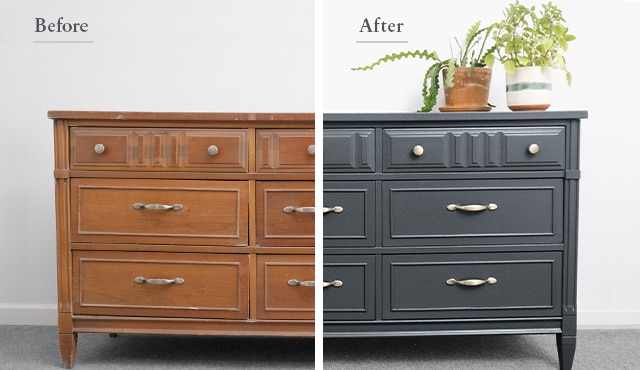
Painting MDF protects it from moisture and damage. It gives furniture a clean, polished look. Painted MDF can imitate wood or other finishes. It allows for endless color options to match any bedroom style. Painting can hide imperfections or repairs. A well-painted MDF piece looks professional and lasts longer.
Credit: www.benjaminmoore.com
Preparing Mdf Surfaces
Preparing MDF surfaces before painting ensures a smooth and lasting finish. MDF has a dense composition but absorbs paint unevenly without proper prep. Taking time to clean, sand, seal, and prime the surface is essential. These steps prevent paint from peeling or soaking in too much. Proper preparation also helps the paint stick better and look professional.
Cleaning And Sanding Tips
Start by wiping the MDF with a damp cloth to remove dust and dirt. Avoid using too much water to prevent swelling. After cleaning, gently sand the surface with fine-grit sandpaper. Sanding smooths the surface and opens pores for better paint adhesion. Always sand in a circular motion and wipe away dust with a dry cloth before painting.
Sealing The Edges
MDF edges absorb paint more than the flat surfaces. Seal the edges using a wood sealer or a special MDF primer. This step blocks moisture and prevents swelling. Apply the sealer evenly and let it dry fully before painting. Sealing edges improves the durability of your paint job and creates a uniform look.
Priming For Better Adhesion
Use a high-quality primer made for MDF to prepare the surface. Primer creates a strong base for the paint to stick to. It also hides small imperfections and prevents blotching. Apply primer with a brush or roller in thin, even coats. Allow the primer to dry completely before applying paint. This step ensures a smooth, even finish on your MDF furniture.
Choosing The Right Paint
Choosing the right paint is key to a successful MDF bedroom furniture makeover. MDF has a smooth surface that accepts paint well. But the paint type affects the finish and durability. Pick paint that suits your project size and desired look. Proper paint choice ensures your furniture looks great and lasts long.
Oil-based Vs Water-based Paints
Oil-based paints create a hard and durable surface on MDF. They resist scratches and wear better than water-based paints. Oil-based paints take longer to dry and have a stronger smell. Water-based paints dry quickly and clean up with water. They have low odor and are easier to use indoors. For heavy-use furniture, oil-based is best. For small projects, water-based paints work well and are safer.
Recommended Paint Finishes
Matte finish hides imperfections but can look flat. Satin finish offers a soft shine and is easy to clean. Semi-gloss finish adds a noticeable shine and resists stains. Glossy finish is very shiny and highlights details but shows flaws. Satin or semi-gloss finishes are popular for bedroom furniture. They balance appearance and durability. Choose finish based on your style and cleaning needs.
Paints For Small Vs Large Projects
Small projects benefit from water-based paints for quick results. They are less toxic and easy to handle. Large projects may need oil-based paints for better protection. Oil-based paints provide a stronger, longer-lasting coat. Consider drying time and ventilation for big jobs. Buying paint in larger quantities can save money. Match paint type to project size for the best outcome.

Credit: monicawantsit.com
Painting Techniques For Mdf
Painting MDF bedroom furniture requires specific techniques to achieve a smooth, lasting finish. MDF has a dense surface but porous edges that absorb paint unevenly. Proper preparation and painting methods help avoid rough textures and peeling. Use the right tools, apply paint carefully, and watch out for common errors to ensure your furniture looks professional and fresh.
Tools And Brushes To Use
Use synthetic brushes for water-based paints and natural bristles for oil-based paints. A high-density foam roller works well for flat surfaces, giving a smooth finish. Avoid cheap brushes that leave streaks or bristles behind. Sandpaper with fine grit helps smooth the MDF before painting. A paint tray and stir sticks are also essential for mixing paint evenly.
Applying Even Coats
Apply thin coats of paint to prevent drips and uneven texture. Start with a primer coat to seal the surface and edges. Let each coat dry fully before adding the next. Use long, smooth strokes to cover large areas evenly. Light sanding between coats improves adhesion and removes bumps. Multiple light coats work better than one thick layer.
Avoiding Common Mistakes
Do not skip the primer; MDF edges soak paint fast and become rough. Avoid overloading your brush or roller to prevent runs. Paint in a dust-free space to keep surfaces clean. Do not rush drying times; wet paint can smudge easily. Avoid harsh sanding that damages the MDF surface. Follow instructions for paint type and drying times closely.
Finishing And Maintenance
Finishing and maintenance are key steps after painting MDF bedroom furniture. They protect the paint and keep the furniture looking fresh for a long time. Proper finishing adds durability and helps avoid chips or scratches. Regular maintenance preserves the smooth surface and color vibrancy.
Adding Protective Coatings
Apply a clear protective coat after the paint dries. Use polyurethane, varnish, or acrylic sealer for best results. These coatings shield the paint from moisture and wear. Choose a finish type: matte, satin, or glossy, based on your style. Apply thin, even layers with a brush or spray. Let each layer dry fully before adding the next.
Curing And Drying Times
Allow enough time for paint and coatings to cure completely. This process strengthens the finish and prevents damage. Drying times vary by product and room conditions. Usually, paint needs 24 to 48 hours to dry. Protective coatings may require several days to cure fully. Avoid heavy use during this time to keep the finish intact.
Tips For Long-lasting Results
Clean your MDF furniture gently with a soft cloth and mild soap. Avoid harsh chemicals that can damage the finish. Use coasters and pads under heavy or sharp objects. Keep furniture away from direct sunlight and moisture. Touch up any chips or scratches quickly to prevent further damage. Regular care keeps MDF bedroom furniture looking new and polished.
Repairing And Repainting
Repairing and repainting MDF bedroom furniture can breathe new life into tired pieces. MDF is smooth and easy to work with, making repairs and repainting straightforward. Small damages like chips and scratches can be fixed quickly. Repainting over existing finishes refreshes the look without needing a full replacement. Proper maintenance keeps the paint looking fresh and durable for years.
Fixing Chips And Scratches
Start by cleaning the damaged area to remove dust and dirt. Use wood filler or putty to fill chips and scratches. Apply it with a putty knife, then let it dry completely. Sand the area smooth with fine-grit sandpaper. Wipe away the dust before painting. This makes the surface even and ready for a fresh coat.
Repainting Over Existing Finishes
Lightly sand the old paint to create a rough surface for new paint. Remove all dust with a damp cloth. Apply a primer designed for MDF to ensure paint adhesion. Use water-based or oil-based paint, depending on the room’s use. Apply thin, even coats and let each dry before adding the next. This builds a strong and smooth finish.
Maintaining Painted Mdf Furniture
Clean painted MDF with a soft cloth and mild soap. Avoid harsh chemicals that can damage the paint. Fix small chips quickly to prevent further damage. Keep furniture away from excessive moisture to avoid swelling. Regular dusting and gentle care extend the life of the paint and MDF underneath.
Frequently Asked Questions
What Type Of Paint To Use On Mdf Furniture?
Use oil-based paint for durable, smooth finishes on MDF furniture. Water-based paint suits small DIY projects. Always prime and seal MDF before painting for best results.
How To Paint Mdf Bedroom Furniture?
Start by sanding MDF furniture smooth. Apply a primer or MDF sealer to seal edges. Use oil-based or latex paint. Finish with a protective clear coat for durability. Let each layer dry before applying the next.
Can You Paint Straight Over Mdf?
Yes, you can paint straight over MDF after sealing its porous surface. Use a suitable primer and quality paint for best results.
What Are The Common Problems When Painting Mdf?
Common problems when painting MDF include porous edges absorbing paint unevenly, surface swelling from moisture, and poor adhesion without proper sealing or priming.
Conclusion
Painting MDF bedroom furniture is definitely possible with the right steps. Start by sealing the edges to prevent soaking up paint. Use a suitable primer and choose paint designed for MDF surfaces. This helps the paint stick well and last longer.
Take time to sand between coats for a smooth finish. With care, your MDF furniture can look fresh and stylish. Painting MDF lets you personalize your bedroom on a budget. Try it yourself and enjoy the new look!