
Are you wondering if you can pressure wash your outdoor wooden furniture without damaging it? Your wooden chairs and tables need cleaning to look their best, but using the wrong method can cause costly harm.
What if there was a simple way to refresh your furniture quickly and safely? Keep reading to discover how pressure washing can be a game-changer for your outdoor wooden pieces—and what you must know before you start. Your furniture deserves the right care, and you’ll learn exactly how to give it that.

Credit: www.trirentall.net
Benefits Of Pressure Washing Wooden Furniture
Pressure washing wooden furniture removes dirt, grime, and mold quickly. It cleans deep into the wood grain, restoring the natural look. This method saves time and effort compared to scrubbing by hand.
Regular cleaning with a pressure washer keeps wood healthy. It prevents decay and extends the furniture’s life. Clean furniture looks fresh and inviting for outdoor use.
Removes Stubborn Dirt And Stains
Pressure washing blasts away dirt that scrubbing cannot. It clears away bird droppings, tree sap, and mud. Stains fade, making the wood look newer and brighter.
Prepares Wood For Sealing And Painting
Pressure washing creates a clean surface for paint or sealant. It removes old finishes and loose particles. This helps new coatings stick better and last longer.
Prevents Mold And Mildew Growth
Moisture and dirt cause mold to grow on wood. Pressure washing removes these harmful elements. It stops mold from spreading and damaging the furniture.
Improves Outdoor Aesthetics
Clean wooden furniture enhances any outdoor space. It looks well-maintained and inviting. Pressure washing keeps your garden or patio attractive for guests.
Risks To Consider Before Pressure Washing
Pressure washing outdoor wooden furniture can be useful but risky. Wood is sensitive to high pressure and water. Knowing these risks helps protect your furniture from damage. Careless cleaning can cause more harm than good. Read on to learn what to watch out for before pressure washing.
Damage To Wood Surface
High pressure can strip wood fibers easily. This leaves the surface rough and uneven. Softwood suffers more damage than hardwood. Damaged wood absorbs moisture quickly. This leads to swelling and warping. It also makes the wood look worn out.
Water Penetration And Rot
Pressure washing forces water deep into wood pores. This can cause long-term water damage. Moist wood is a perfect place for rot to grow. Rot weakens the wood structure over time. It shortens the life of your furniture. Avoid soaking wood with too much water.
Loss Of Finish And Paint
Pressure washers can peel paint or finish from wood. This exposes bare wood to weather damage. Repainting or refinishing becomes necessary sooner. It also changes the look of your furniture. Use gentle pressure to protect the finish.
Splintering And Cracks
Strong water jets can cause wood to splinter. Cracks may appear on the surface after washing. Splinters make the furniture unsafe to use. Cracks allow more moisture to enter. This speeds up decay and damage.
Unsafe Cleaning Practices
Using too high pressure or wrong nozzle harms wood. Standing too close with the pressure washer increases damage risk. Wrong cleaning solutions can weaken wood fibers. Protect yourself by following safe pressure washing methods.
Choosing The Right Pressure Washer Settings
Choosing the right pressure washer settings is key to cleaning wooden furniture safely. Wood is soft and can be damaged by high pressure. Proper settings protect the wood while removing dirt and grime effectively. Adjusting pressure and nozzle type helps get the best results without harm.
Optimal Pressure Levels
Use low pressure to clean wood surfaces gently. Aim for 500 to 600 PSI. Higher pressure may splinter or erode the wood. Start with the lowest setting and increase slightly if needed. Keep the nozzle at least 12 inches from the wood. This distance reduces the risk of damage.
Selecting The Correct Nozzle
Choose a nozzle with a wide spray angle for wood. A 25-degree or 40-degree nozzle works well. Narrow angles create a strong, focused spray that can harm wood. The right nozzle spreads water evenly. This helps clean without stripping the wood fibers.
Preparing Wooden Furniture For Cleaning
Preparing wooden furniture for cleaning is an important step before pressure washing. It helps protect the wood and makes the cleaning process more effective. Taking time to prepare ensures the wood stays in good shape and looks fresh after cleaning.
Start with small tasks that clear the surface. This makes pressure washing easier and safer for your wooden furniture.
Removing Cushions And Accessories
Remove all cushions, pillows, and accessories from the furniture. These items can get damaged by water and pressure. Keep them inside or in a dry place until cleaning finishes.
This also gives you full access to the wood surface. It helps you clean every corner without obstacles.
Clearing Dirt And Debris
Brush off loose dirt, leaves, and debris from the furniture. Use a soft brush or cloth to avoid scratching the wood. Clearing dirt prevents it from mixing with water and creating mud during cleaning.
Check for spider webs or stuck leaves in crevices. Removing these small things improves the cleaning result and protects the wood.
Step-by-step Pressure Washing Process
Pressure washing outdoor wooden furniture can refresh its look quickly. Following a clear process helps protect the wood from damage. Taking small steps ensures the cleaning is effective and safe.
Maintaining Proper Distance
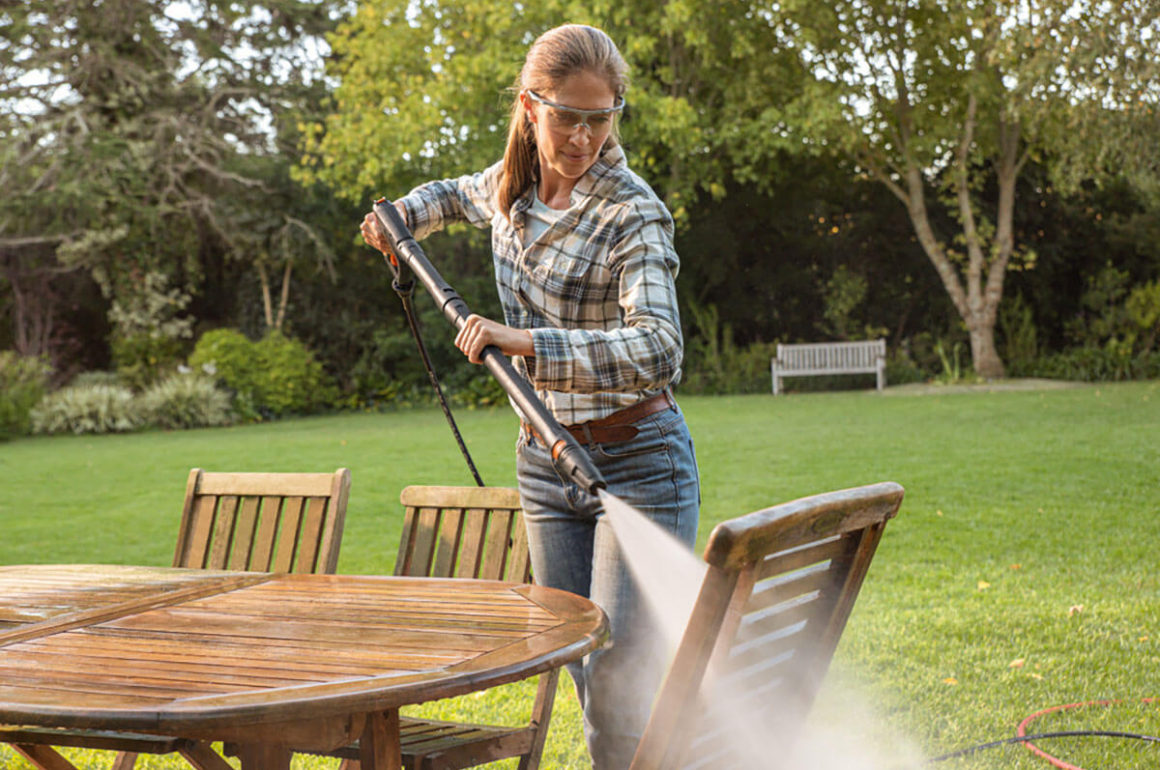
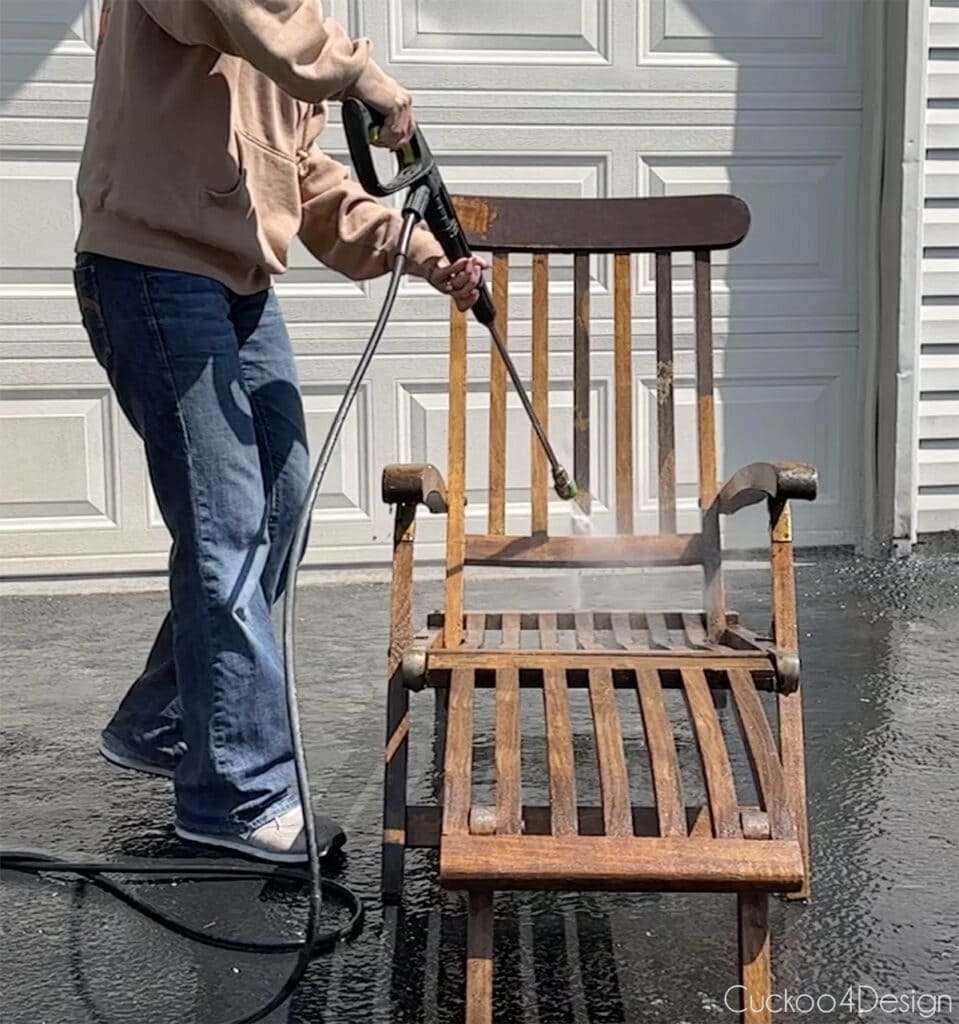
Keep the pressure washer nozzle at least 12 inches from the wood surface. This distance prevents the wood from splintering or cracking. Hold the nozzle steady to avoid uneven cleaning. Adjust the distance if you see damage or splashes. Always test on a small hidden area first.
Using Smooth, Controlled Movements
Move the pressure washer in slow, even strokes across the furniture. Avoid staying too long in one spot to prevent wood damage. Use horizontal or vertical motions for thorough cleaning. Keep your movements consistent to remove dirt evenly. Smooth strokes help protect the wood grain.
Aftercare To Protect Wood Quality
After pressure washing your outdoor wooden furniture, proper care is key to keep the wood strong. The wood may look clean but it needs protection to last longer. Moisture can harm the wood if not dried well. Also, the wood surface needs a shield against weather effects.
Good aftercare helps keep the wood smooth and prevents damage. It also keeps the furniture looking fresh and new. Follow easy steps to protect your wooden pieces after cleaning.
Drying Techniques
Dry the wood quickly after washing. Use a clean towel to remove excess water. Place the furniture in a shady spot. Avoid direct sunlight which can dry the wood too fast and cause cracks. Air drying is best but avoid damp or humid places. A fan can help speed up the drying process. Make sure the wood is fully dry before the next step.
Applying Sealants Or Finishes
Sealants protect wood from water and sun damage. Choose a product made for outdoor wood. Test the sealant on a small hidden area first. Use a brush or cloth to apply it evenly. Let the sealant dry completely before using the furniture. Reapply sealant every year or as needed. This keeps the wood safe and extends its life.
Alternative Cleaning Methods For Delicate Wood
Delicate wood needs gentle care. Pressure washing can harm soft or old wood. Many prefer safer cleaning methods to protect wood’s beauty and life.
These methods clean wood without strong force. They remove dirt and stains gently. Perfect for sensitive outdoor wooden furniture.
Soft Bristle Brush And Mild Soap
Use a soft bristle brush to scrub wood. Mix mild soap with water. Gently scrub the surface to remove dirt. Rinse with clean water afterward. Avoid harsh scrubbing that can scratch wood.
Vinegar And Water Solution
Mix equal parts of white vinegar and water. Vinegar kills mold and mildew safely. Apply with a soft cloth or spray bottle. Wipe the wood gently. Rinse well to avoid vinegar smell.
Baking Soda Paste
Make a paste with baking soda and water. Apply the paste on stained areas. Let it sit for a few minutes. Gently scrub with a soft brush. Rinse thoroughly with water.
Commercial Wood Cleaners
Choose cleaners made for delicate wood. Follow product instructions carefully. These cleaners remove dirt and stains safely. Test on a small area first. Protects wood without damage or discoloration.
Credit: blog.stihl.co.uk
Common Mistakes To Avoid
Pressure washing wooden furniture can refresh its look quickly. Yet, mistakes damage the wood or leave uneven results. Avoiding these errors keeps your furniture safe and clean.
Learn about common mistakes to skip for better pressure washing results.
Using Too High Pressure
High pressure can gouge or splinter wood fibers. Use a low-pressure setting to protect the wood surface. Test on a small hidden area first to check effects.
Not Checking Wood Condition
Old or rotting wood won’t handle pressure washing well. Inspect your furniture carefully before starting. Repair or replace damaged parts to prevent further harm.
Skipping Protective Gear
Pressure washers spray water forcefully and can cause injury. Wear safety goggles and gloves to protect yourself. Keep a safe distance from the nozzle.
Ignoring The Right Nozzle
Different nozzles change water spray patterns and force. Use a wide spray nozzle to avoid concentrating pressure in one spot. This spreads water evenly and gently.
Pressure Washing Without Cleaning Solution
Water alone may not remove dirt and mildew effectively. Use a gentle detergent made for wood furniture. This helps break down grime and prevents damage.
Not Drying Furniture Properly
Wet wood can warp or develop mold if not dried well. After washing, dry the furniture in a shaded, airy place. Avoid direct sunlight to prevent cracking.
Credit: cuckoo4design.com
Frequently Asked Questions
Can Pressure Washing Damage Outdoor Wooden Furniture?
Pressure washing can damage wood if the pressure is too high. Use a low-pressure setting and keep the nozzle at least 12 inches away to avoid splintering or gouging the wood surface.
What Pressure Level Is Safe For Wooden Furniture?
A pressure level of 500 to 600 PSI is safe for most outdoor wooden furniture. Use a wide spray nozzle to evenly clean without harming the wood fibers.
Should I Seal Wood After Pressure Washing?
Yes, sealing wood after pressure washing protects it from moisture and UV damage. Wait until the wood is completely dry before applying a suitable outdoor wood sealer.
How Often Should I Pressure Wash Wooden Furniture?
Pressure wash wooden furniture once or twice a year. Frequent washing can wear down the wood, while occasional cleaning maintains appearance and longevity.
Conclusion
Pressure washing outdoor wooden furniture can be safe if done right. Use low pressure to avoid damage. Always test a small area first. Clean the wood gently to keep it strong and fresh. Let the furniture dry completely before use.
Regular care helps your wood last longer. Simple steps protect your investment and keep outdoor spaces beautiful. Choose the right tools and settings for best results. A careful approach keeps wooden furniture looking great year after year.


