Are you thinking about building your own outdoor furniture but wondering if construction lumber is a good choice? You’re not alone.
Many people ask whether the wood used for framing houses can stand up to sun, rain, and changing weather. The answer might surprise you—and it could save you time and money. Keep reading to discover the truth about construction lumber for outdoor furniture and learn what you need to know before starting your next project.
Your perfect backyard setup could be just a few steps away.

Credit: www.reddit.com
Types Of Construction Lumber
Construction lumber comes in many types. Each type has unique features. These features affect how well the wood works for outdoor furniture. Choosing the right lumber type is important for durability and appearance.
This section explains common lumber varieties, pressure-treated wood, and the difference between softwood and hardwood.
Common Lumber Varieties
Pine, fir, and spruce are common construction lumber. These woods are light and easy to cut. They are affordable and widely available. Pine has a smooth surface but can dent easily. Fir is strong and has a straight grain. Spruce is soft but holds nails well. These woods can work for outdoor furniture if treated properly.
Pressure-treated Wood
Pressure-treated wood resists rot and insects. It is soaked with chemicals under high pressure. This makes it last longer outside. Many use pressure-treated lumber for decks and fences. It can also be good for outdoor furniture. The chemicals help protect the wood from moisture damage. Always check if the treatment is safe for skin contact before use.
Softwood Vs Hardwood
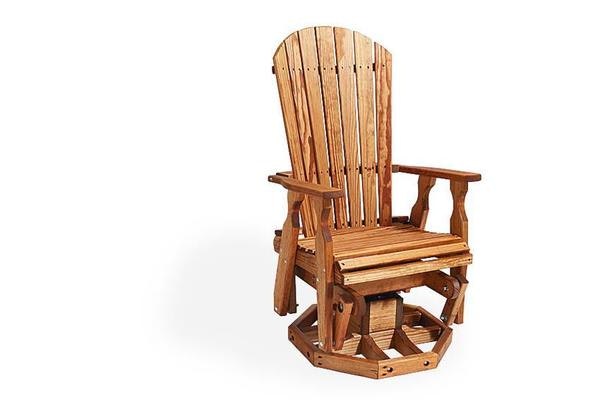
Softwood comes from evergreen trees. It is lighter and grows faster. Examples include pine and cedar. Hardwood comes from broad-leaf trees. It is denser and stronger. Examples include oak and maple. Hardwood usually costs more than softwood. Hardwoods resist damage better but can be heavy. Softwoods are easier to work with but need protection outdoors.
Credit: www.dutchcrafters.com
Suitability For Outdoor Furniture
Construction lumber is often easy to find and affordable. Many wonder if it works well for outdoor furniture. Suitability depends on several important factors. These include how strong the wood is and how it handles weather. Understanding these points helps you choose the right wood.
Durability Factors
Durability means how long the wood lasts under use. Construction lumber is usually made from softwoods like pine or fir. These woods are not very strong compared to hardwoods. They can dent or scratch easily. The wood also may warp or crack over time. Proper sealing and treatment can improve durability.
Resistance To Weather
Outdoor furniture faces rain, sun, and cold. Construction lumber absorbs water quickly. This causes swelling and rotting if untreated. Some types have natural resistance, but many do not. Painting or sealing the wood helps block moisture. Without protection, the wood can weaken fast.
Potential Risks And Limitations
Using construction lumber outside carries risks. The wood may decay or grow mold. It may attract insects like termites. Rough surfaces can cause splinters. The wood might need frequent maintenance to stay safe. Not all construction lumber suits outdoor use well.
Preparing Lumber For Outdoor Use
Preparing lumber for outdoor furniture is key to making it last longer. Outdoor wood faces rain, sun, and temperature changes. These factors cause wood to crack, warp, or rot if not treated well. Taking time to prepare lumber helps protect it from the elements. It also keeps furniture looking good and sturdy.
Sealing And Finishing Techniques
Sealing wood blocks moisture and stops it from soaking in. Use a good wood sealer designed for outdoor use. Apply the sealer with a brush or cloth. Let it soak and dry fully. Finishes like varnish or outdoor paint add extra protection. They also give color and shine. Multiple coats improve durability and water resistance.
Proper Cutting And Sanding
Cut lumber carefully to avoid splinters and rough edges. Use sharp saw blades and steady hands. After cutting, sand all surfaces smooth. Start with coarse sandpaper, then use finer grit for softness. Smooth wood prevents injuries and helps finishes stick better. Sanding also removes dirt and old marks.
Protective Coatings
Protective coatings shield wood from sun damage and moisture. Products like polyurethane, spar varnish, or wood oil work well outdoors. Apply coatings evenly and follow instructions. Reapply coatings every year or two. This keeps wood strong and fresh. Some oils also bring out wood’s natural beauty.
Design Tips For Longevity
Designing outdoor furniture with construction lumber needs care. Planning for durability helps your furniture last longer outdoors. Using the right methods protects wood from weather and wear. Follow these tips to keep your pieces strong and beautiful.
Structural Considerations
Choose lumber with straight grain and few knots for strength. Use thick pieces to support weight without bending. Join parts tightly using screws, not nails, for better hold. Add braces or supports at stress points to prevent wobbling. Avoid designs that trap water or dirt inside joints. A sturdy frame helps furniture resist wind and use over time.
Moisture Management
Keep wood dry by raising furniture off the ground. Use slats or gaps between boards to allow air flow. Apply water-resistant sealant or paint to block moisture. Avoid placing furniture directly on grass or soil. Cover furniture during heavy rain or snow for extra protection. Proper moisture control stops rotting and warping of wood.
Maintenance Practices
Check furniture regularly for cracks, loose screws, or damage. Clean surfaces with mild soap and water to remove dirt. Sand rough spots lightly to prevent splinters. Reapply sealant or paint every 1-2 years to maintain protection. Store furniture indoors or in a dry place during winter months. Regular care keeps outdoor furniture safe and attractive.
Alternatives To Construction Lumber
Construction lumber is common for many projects. But it may not always suit outdoor furniture. It can warp, crack, or rot when wet. Choosing the right material makes furniture last longer. Many alternatives offer better durability and style. These options resist weather and require less care.
Cedar And Redwood Options
Cedar and redwood are popular for outdoor use. Both woods resist insects and decay naturally. They have a pleasant smell and a nice look. These woods stay strong even in rain or sun. They need little maintenance compared to regular lumber. A simple sealant can protect their color and texture. Both are lightweight, making furniture easier to move.
Composite Materials
Composite materials mix wood fibers and plastic. They do not rot or attract bugs. Composite wood stays smooth without splinters. It needs no painting or staining. This material works well in all weather. It lasts many years without fading. Composite furniture is often easy to clean. Just use soap and water for care.
Reclaimed Wood Benefits
Reclaimed wood comes from old buildings or furniture. It adds a unique, rustic charm to any piece. Using reclaimed wood helps reduce waste. The wood is often already dried and strong. It can be more stable than new lumber. Reclaimed wood may have interesting grains and colors. It requires sealing to protect from weather damage.

Credit: www.amazon.com
Frequently Asked Questions
Can Construction Lumber Withstand Outdoor Weather?
Construction lumber can handle outdoor weather but may need treatment. Untreated wood can warp or rot over time. Applying sealant or paint improves durability and protects against moisture and UV damage.
Is Construction Lumber Safe For Outdoor Furniture?
Construction lumber is safe but may contain chemicals or rough surfaces. Sanding and sealing wood ensures safety and comfort. Choose kiln-dried, untreated lumber to avoid harmful substances in your furniture.
How Long Does Construction Lumber Last Outdoors?
Untreated construction lumber lasts about 1-3 years outdoors. Treated or sealed lumber can last 5-10 years. Regular maintenance like sealing or painting extends its lifespan significantly.
What Is The Best Wood For Outdoor Furniture?
Cedar, redwood, and teak are ideal for outdoor furniture. They resist moisture, insects, and decay naturally. Construction lumber can work but requires extra treatment to match these woods’ durability.
Conclusion
Construction lumber can work for outdoor furniture with some care. Choose wood that resists water and insects. Seal and paint the wood to protect it from weather. Regular maintenance will keep furniture strong and good-looking. This option saves money and allows custom designs.
Think about the wood’s quality before starting your project. Using construction lumber is possible but requires attention. Enjoy making your own outdoor furniture that suits your space.