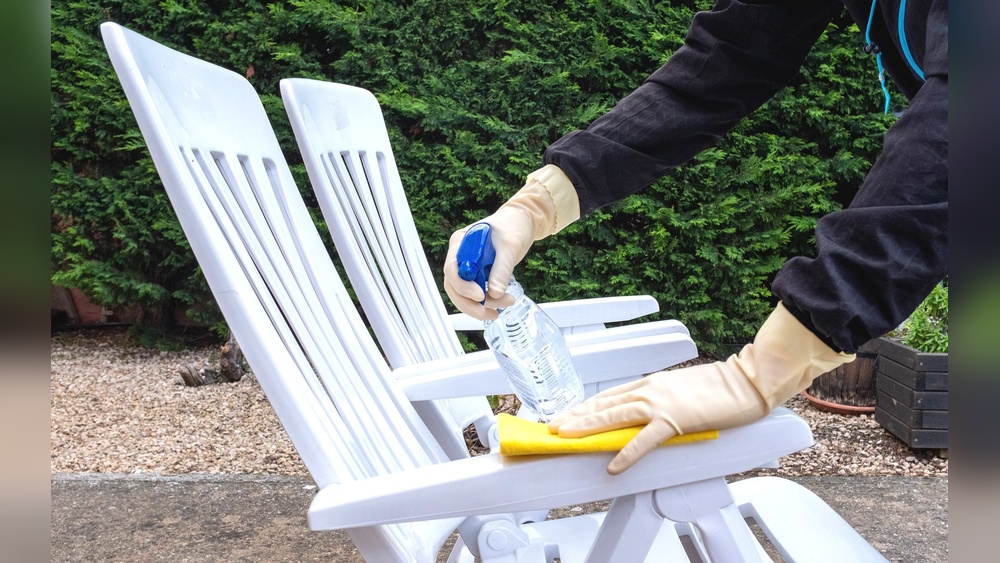
Your outdoor furniture is an investment you want to protect and enjoy for years. But before you apply any oil to keep it looking fresh, there’s a crucial step you can’t skip: cleaning.
If you don’t clean your furniture properly, the oil won’t soak in right, and your wood or metal pieces might end up looking worse instead of better. You’ll learn simple, effective ways to clean your outdoor furniture so the oil sticks perfectly and your furniture stays beautiful.
Ready to bring your outdoor space back to life? Let’s get started.
Credit: wocadenmark.com
Gather Cleaning Supplies
Before oiling your outdoor furniture, cleaning is a must. Gathering the right supplies makes the job easier and more effective. Preparation helps remove dirt and old oils. Clean surfaces absorb new oil better. This step protects the wood and extends furniture life.
Essential Tools
Start with a soft-bristle brush or sponge to scrub surfaces gently. Use a bucket for water and cleaning solution. Have clean cloths or rags ready for wiping. Gloves protect your hands from harsh cleaners. A garden hose or spray bottle helps rinse the furniture well. These basic tools make cleaning smooth and safe.
Choosing The Right Cleaner
Select a cleaner suited for your furniture material. Mild soap and water work well for most woods. Avoid harsh chemicals that can damage the surface. For tougher stains, use a wood-specific cleaner. Test the cleaner on a small area first. This prevents unwanted damage or discoloration. The right cleaner clears dirt without harming the wood.
Prepare The Furniture
Preparing your outdoor furniture before oiling is a crucial step. It helps ensure the oil absorbs well and protects the wood. Taking time to prepare your furniture also extends its life and keeps it looking great.
Start by clearing the area around your furniture. This makes cleaning easier and prevents dirt from spreading back onto the wood.
Remove Cushions And Accessories
Take off all cushions, pillows, and any removable accessories. These items can trap moisture and dirt. Removing them helps you clean the furniture thoroughly. Store cushions in a dry place to keep them fresh.
Inspect For Damage
Check the furniture carefully for cracks, loose screws, or splinters. Small damages can worsen if not fixed before oiling. Tighten screws and sand rough spots gently. Repairing now prepares the surface for smooth oil application.
Remove Loose Dirt And Debris
Removing loose dirt and debris is the first step to cleaning outdoor furniture before oiling. Dirt, leaves, and dust can block the oil from soaking into the wood. Clearing this debris helps the oil work better and last longer.
Start by getting rid of all the loose particles on the surface. This makes the next cleaning steps more effective. A clean surface also prevents scratches during oiling.
Sweeping And Brushing
Use a soft broom or brush to sweep off dirt and leaves. Brush gently to avoid damaging the wood. Focus on corners and crevices where dirt hides. Sweeping removes most of the loose debris quickly. It also prepares the wood for deeper cleaning.
Using A Hose Or Pressure Washer
Rinse the furniture with a garden hose to wash away remaining dust. Use a gentle spray to avoid harming the wood. For tough dirt, a pressure washer on low setting works well. Keep the nozzle moving to protect the wood. Let the furniture dry completely before oiling to avoid trapping moisture.

Credit: www.youtube.com
Wash The Furniture
Washing outdoor furniture is a key step before oiling it. Dirt and grime can stop the oil from soaking in well. Cleaning makes the surface smooth and ready. It helps keep your furniture looking fresh and lasting longer.
Mixing Cleaning Solution
Start by making a gentle cleaning solution. Mix warm water with mild soap or dish detergent. Avoid harsh chemicals that can damage wood or metal. Use about one tablespoon of soap per gallon of water. Stir well until the soap dissolves.
Scrubbing Techniques
Use a soft brush or sponge to scrub the furniture. Work in small sections to clean evenly. Scrub gently to avoid scratching the surface. Focus on corners and crevices where dirt hides. Rinse with clean water after scrubbing. Let the furniture dry completely before oiling.
Rinse Thoroughly
Rinsing outdoor furniture thoroughly is a key step before applying oil. It removes dirt, dust, and cleaning agents left behind. This step ensures the wood or material absorbs the oil evenly. Proper rinsing prevents sticky surfaces and blotchy finishes. Rinse with plenty of clean water to wash away all residues.
Avoiding Soap Residue
Soap residue can harm the look of your furniture. It stops the oil from soaking in well. Use just enough soap to clean, then rinse well. Check all corners and crevices for leftover soap. Rinse several times if needed until the water runs clear. No suds should remain on the surface.
Drying Tips
Drying is important before oiling furniture. Use a clean cloth to wipe off excess water. Let the furniture air dry in a shaded place. Avoid direct sunlight to prevent cracking or warping. Wait until the wood feels completely dry to touch. This step helps the oil absorb better and last longer.
Treat Stubborn Stains
Stubborn stains on outdoor furniture can spoil its look. These marks need special care before oiling. Treating them well helps maintain the wood’s health and beauty. Gentle cleaning keeps the surface ready for oil and stops damage.
Spot Cleaning Methods
Start by identifying the stain type. Use a soft brush or cloth to scrub gently. Avoid harsh scrubbing to protect the wood. Apply a small amount of mild soap with water. Rub the stain carefully, then rinse with clean water. Let the area dry completely before applying oil. Repeat if the stain persists but stay gentle to prevent harm.
Safe Homemade Remedies
Mix equal parts of white vinegar and water. Dab the solution on the stain using a cloth. Vinegar breaks down tough spots without chemicals. Another option is baking soda paste. Mix baking soda with water until thick. Spread the paste on the stain and wait 10 minutes. Wipe off with a damp cloth and dry the area. These remedies are safe and keep wood fresh for oiling.
Final Inspection Before Oiling
Before applying oil, a final check of your outdoor furniture is key. This step ensures the surface is ready and will absorb oil properly. Skipping this inspection can cause uneven oiling or damage the wood. Take your time to look over every part carefully.
Checking For Cleanliness
Look closely at the furniture surface. Dust, dirt, or old residues must be gone. Use a bright light or natural sunlight for a better view. Wipe again if you find any spots. Clean wood helps oil soak in evenly and protects the material.
Ensuring Complete Dryness
The wood must be fully dry before oiling. Water or dampness can trap moisture inside the wood. This can cause mold and reduce oil effectiveness. Touch the surface and feel for any wet areas. Wait longer if the wood feels cool or moist.
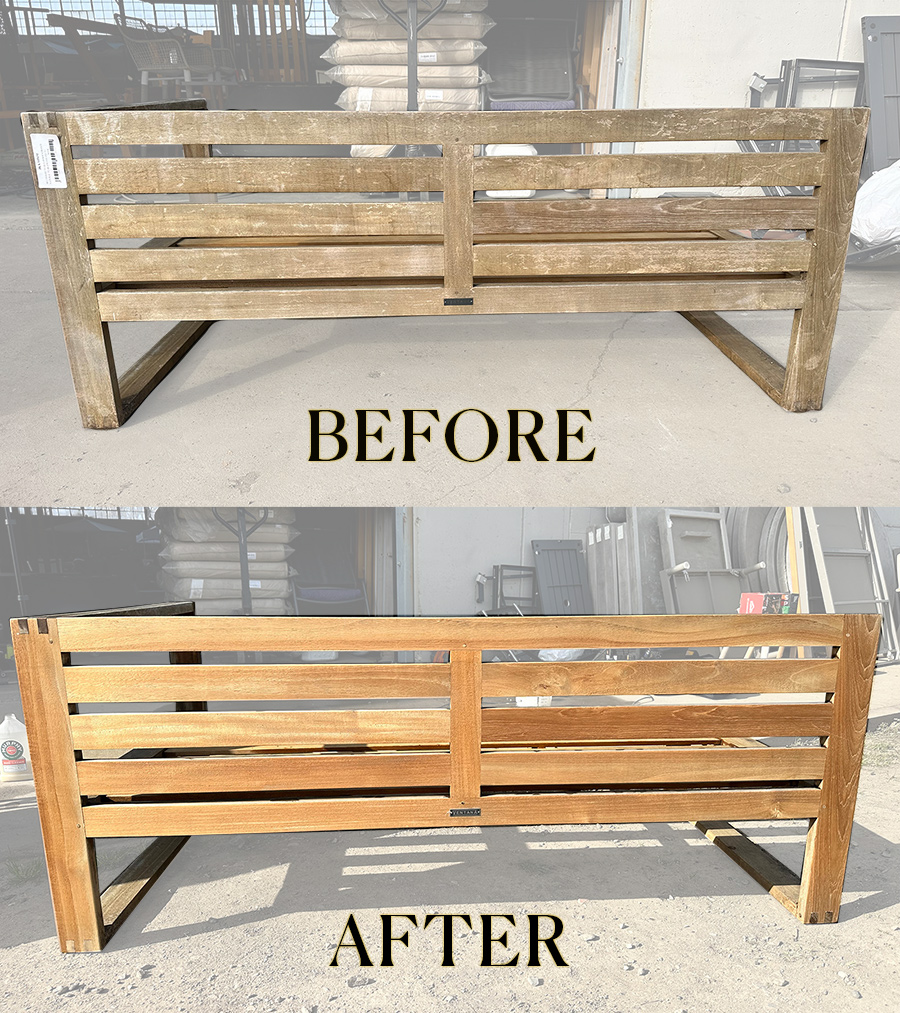
Credit: blog.terraoutdoor.com
Frequently Asked Questions
How Do I Prepare Outdoor Furniture For Oiling?
Start by removing dirt with a soft brush or cloth. Use mild soap and water to clean surfaces. Rinse thoroughly and let it dry completely before oiling. This ensures the oil penetrates well and lasts longer, protecting your furniture effectively.
What Cleaning Products Are Best For Outdoor Furniture?
Use mild detergents or specialized outdoor furniture cleaners. Avoid harsh chemicals that can damage wood or metal surfaces. Natural solutions like vinegar and water also work well. Always test a small area first to ensure no discoloration occurs.
How Often Should I Clean Outdoor Furniture Before Oiling?
Clean your furniture at least once a year before applying oil. More frequent cleaning is needed if furniture is exposed to dirt or weather. Regular cleaning helps maintain the wood’s appearance and prepares it for better oil absorption.
Can I Use A Pressure Washer To Clean Outdoor Furniture?
Yes, but use low pressure to avoid damaging the wood. Keep the nozzle at least 12 inches away. Pressure washing can remove dirt and old finishes effectively but handle carefully to prevent splintering.
Conclusion
Cleaning outdoor furniture before oiling keeps it strong and looking good. Dirt and dust can stop oil from soaking in well. Use gentle soap and water to wash away grime. Let the furniture dry fully before applying oil. This helps the wood stay healthy and last longer.
Taking time to clean first saves money on repairs later. Clean furniture also feels nicer to sit on. Simple steps make a big difference in care. Keep your outdoor space fresh and inviting all year.