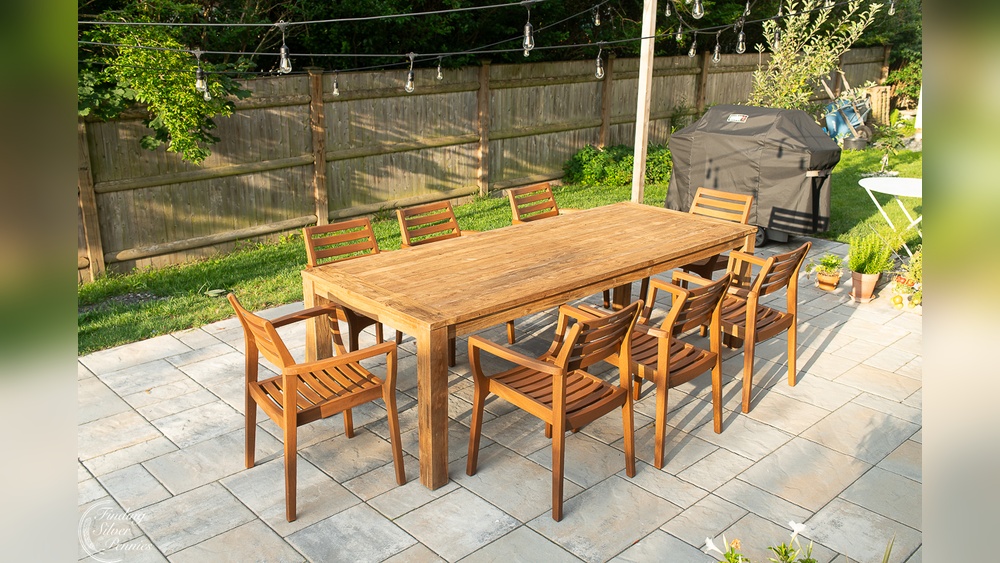
Are you wondering if linseed oil is the right choice for protecting your outdoor furniture? You want your wooden pieces to stay beautiful and last longer, but choosing the right treatment can be confusing.
Linseed oil might seem like a simple, natural option, but does it really hold up against the weather? Keep reading to discover how linseed oil works on outdoor furniture, its benefits, and what you need to know before applying it.
By the end, you’ll have a clear answer—and the confidence to care for your outdoor wood the right way.
Benefits Of Linseed Oil For Outdoor Furniture
Linseed oil offers several benefits for outdoor furniture. It protects the wood and keeps it looking fresh. This natural oil penetrates deeply into the wood. It helps the furniture resist damage from sun, rain, and dirt.
Besides protection, linseed oil brings out the natural beauty of the wood. It enhances the grain and color, giving the furniture a warm, rich look. It also dries slowly, allowing the wood to absorb it well.
Choosing linseed oil supports a safer, eco-friendly approach. It is a non-toxic option that is safe for people and pets. This makes it an excellent choice for outdoor furniture care.
Natural Protection Against Elements
Linseed oil soaks into wood pores, creating a barrier. This barrier blocks water and moisture from entering. It helps prevent cracking, warping, and rotting. The oil also slows down damage caused by sunlight.
Enhancing Wood Grain And Color
Applying linseed oil highlights the wood’s natural pattern. It deepens the color and adds a subtle shine. The furniture looks richer and more vibrant. The oil brings out details not seen before.
Eco-friendly And Non-toxic Choice
Linseed oil is made from flax seeds, a natural source. It contains no harmful chemicals or toxins. Safe for children and pets around outdoor spaces. Using it helps reduce environmental impact.
Types Of Linseed Oil Suitable For Outdoors
Choosing the right type of linseed oil is key for outdoor furniture care. Each kind of linseed oil has different qualities. Some are better at protecting wood from weather damage. Knowing which type suits your outdoor furniture helps keep it safe and looking good.
Raw Linseed Oil
Raw linseed oil is pure and natural. It takes a long time to dry. This oil soaks deep into the wood. It offers basic protection but needs many coats. It is best for wood that is not heavily exposed to rain or sun.
Boiled Linseed Oil
Boiled linseed oil dries faster than raw oil. It contains additives to speed up drying. This oil forms a thin protective layer on the surface. It is good for outdoor furniture that faces moderate weather. Reapply it every year for best results.
Polymerized Linseed Oil
Polymerized linseed oil is heated before use. This process makes it thicker and more durable. It dries faster and forms a strong finish. This oil is excellent for outdoor furniture in harsh weather. It protects well against water and sun damage.
Preparing Furniture Before Application
Preparing your outdoor furniture before applying linseed oil is very important. Proper preparation helps the oil soak in better. It also makes the finish last longer. Skipping preparation can cause uneven color and poor protection.
This process is simple but needs care. Clean, smooth, and dry wood takes the oil well. Follow these steps to get your furniture ready.
Cleaning And Sanding
Start by cleaning the furniture. Use a soft brush or cloth to remove dirt. Soap and water work well for grime and stains. Let the wood dry completely before sanding.
Sanding smooths the surface and opens wood pores. Use medium-grit sandpaper first, then fine-grit for a soft finish. Sand along the wood grain to avoid scratches.
Removing Old Finishes
Old paint or varnish stops linseed oil from soaking in. Use a chemical stripper or sandpaper to remove these layers. Make sure to clear all residues. The wood must feel bare and natural before oiling.
Ensuring Dry Wood
Linseed oil works best on dry wood. Check moisture with a wood moisture meter or wait at least 24 hours after rain. Damp wood will trap moisture inside, causing damage later. Dry wood absorbs oil evenly for better protection.
Step-by-step Application Process
Applying linseed oil to outdoor furniture is simple and effective. Follow these clear steps to protect and beautify your wood. Each step helps the oil soak in properly for lasting results. Take your time and enjoy the process.
Applying The First Coat
Start with clean, dry furniture. Use a brush or cloth to spread a thin layer of linseed oil. Cover all surfaces evenly. Avoid pooling or drips. Let the wood absorb the oil well. This first coat penetrates deep into the wood fibers.
Allowing Proper Drying Time
Leave the furniture to dry in a well-ventilated area. Drying can take 24 to 48 hours. Check the surface for stickiness. The wood should feel dry and smooth. Proper drying ensures the oil hardens and protects the wood.
Adding Additional Coats
Apply two to three more coats for strong protection. Each coat should be thin and even. Let each layer dry fully before adding the next. More coats build a rich, durable finish. The wood becomes resistant to water and sun damage.
Maintenance Tips For Longevity
Maintaining outdoor furniture treated with linseed oil ensures it lasts longer and stays beautiful. Proper care protects wood from damage caused by sun, rain, and dirt. Follow simple steps to keep your furniture in top shape and enjoy its natural look year after year.
Regular Reapplication Schedule
Linseed oil wears off over time. Apply a fresh coat every 6 to 12 months. Check furniture for dull spots or dryness. Reapplying keeps wood nourished and water-resistant. Use boiled linseed oil for faster drying and better protection.
Cleaning Treated Furniture
Clean furniture before oiling to remove dirt and dust. Use a soft brush or cloth with mild soap and water. Avoid harsh chemicals that strip the oil finish. Let furniture dry completely before applying linseed oil. Clean surfaces absorb oil better and last longer.
Protecting Furniture In Harsh Weather
Cover furniture during heavy rain or snow. Use waterproof covers or move pieces indoors if possible. Sunlight can dry out wood, so place furniture in shaded areas when you can. Proper protection helps maintain the oil finish and prevents cracking.
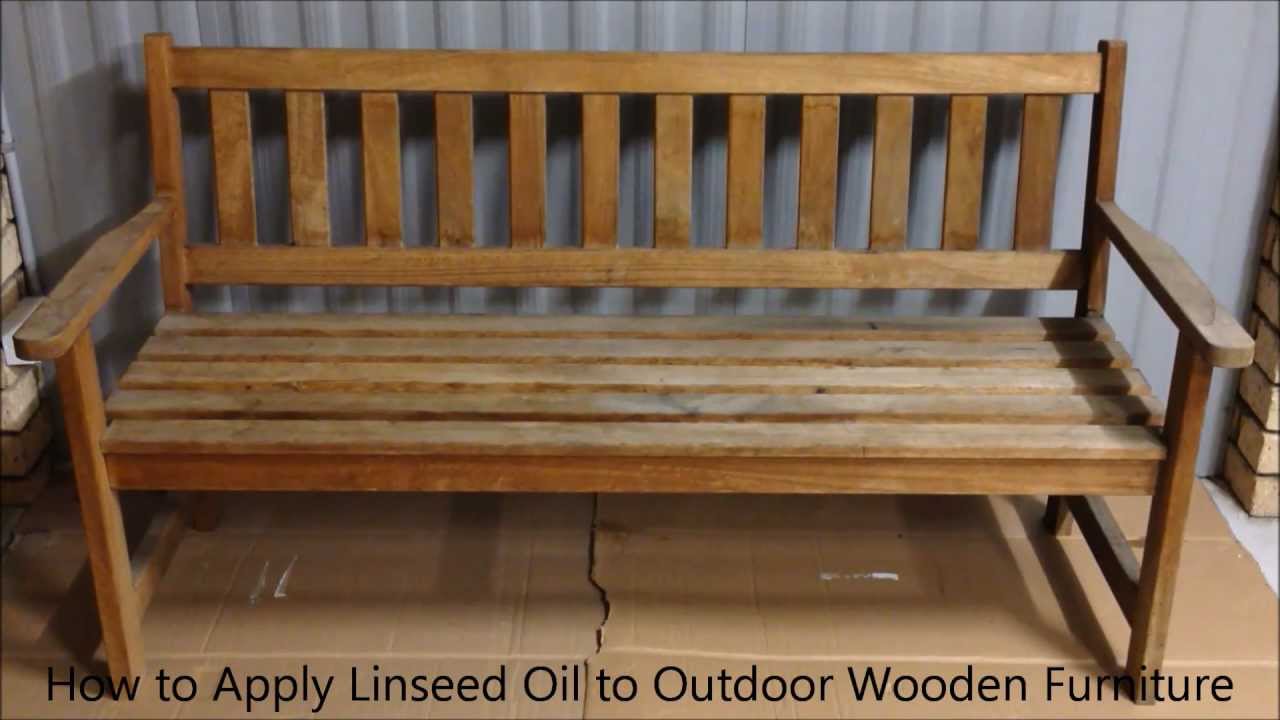
Credit: www.youtube.com
Common Mistakes To Avoid
Using linseed oil on outdoor furniture can protect and enhance the wood. Avoiding common mistakes helps the oil work well and keeps furniture looking good. These errors can cause damage or poor results.
Over-application Of Oil
Applying too much linseed oil leaves a sticky, wet surface. It takes longer to dry and attracts dirt. Use a thin, even layer and wipe off extra oil. Let the wood absorb the oil fully before adding more.
Using Linseed Oil On Wet Wood
Wet wood prevents the oil from soaking in properly. Moisture blocks the oil and causes uneven finish. Always apply linseed oil to dry wood. Check that the furniture is dry before starting.
Ignoring Safety Precautions
Linseed oil-soaked rags can catch fire easily. Store them in a metal container with a lid. Work in a well-ventilated area to avoid breathing fumes. Wear gloves to protect your skin from irritation.
Alternatives To Linseed Oil
Linseed oil is popular for outdoor furniture care. Yet, some prefer other options. These alternatives protect wood well. They offer different finishes and durability. Choosing the right oil depends on the wood type and climate.
Tung Oil
Tung oil comes from tung tree nuts. It dries faster than linseed oil. It creates a water-resistant finish. This oil penetrates deep into the wood. It helps prevent cracking and warping. Ideal for outdoor use on hardwoods.
Teak Oil
Teak oil suits dense woods like teak and mahogany. It enhances natural wood colors. It protects against sun damage and moisture. It keeps wood looking fresh longer. Easy to apply and quick to dry.
Synthetic Wood Sealers
Synthetic sealers use chemicals for strong protection. They form a tough, clear layer on wood. These sealers block water and UV rays. They last longer than natural oils. Require less frequent reapplication than oils.

Credit: www.findingsilverpennies.com
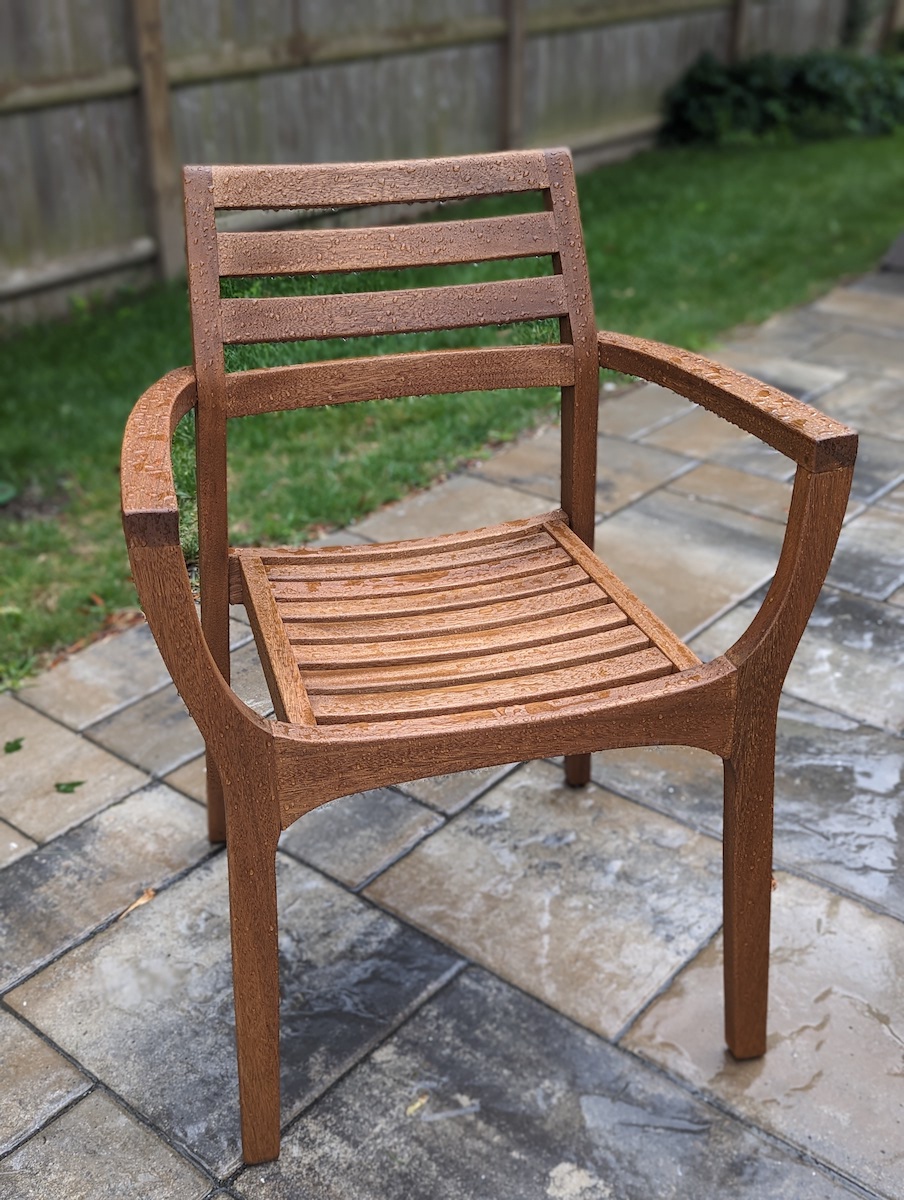
Credit: www.findingsilverpennies.com
Frequently Asked Questions
Can Linseed Oil Protect Outdoor Furniture From Weather?
Yes, linseed oil penetrates wood, providing water resistance and reducing weather damage. It helps maintain furniture durability outdoors.
How Often Should I Apply Linseed Oil Outside?
For outdoor furniture, apply linseed oil every 6 to 12 months. Regular application keeps wood nourished and protected from elements.
Is Boiled Linseed Oil Better For Outdoor Use?
Boiled linseed oil dries faster than raw oil, making it more suitable for outdoor furniture. It offers quicker protection and durability.
Can Linseed Oil Prevent Wood Cracking Outdoors?
Yes, linseed oil moisturizes wood fibers, reducing drying and cracking caused by sun and wind exposure on outdoor furniture.
Conclusion
Linseed oil works well for protecting outdoor furniture. It soaks into the wood and keeps moisture out. This helps prevent cracking and warping over time. Applying it regularly keeps your furniture looking fresh. Just remember to clean the surface before use.
Avoid using linseed oil on painted or sealed wood. Overall, it’s a natural, easy option for wood care. A simple way to keep your outdoor pieces strong and beautiful. Try it and see the difference yourself.


