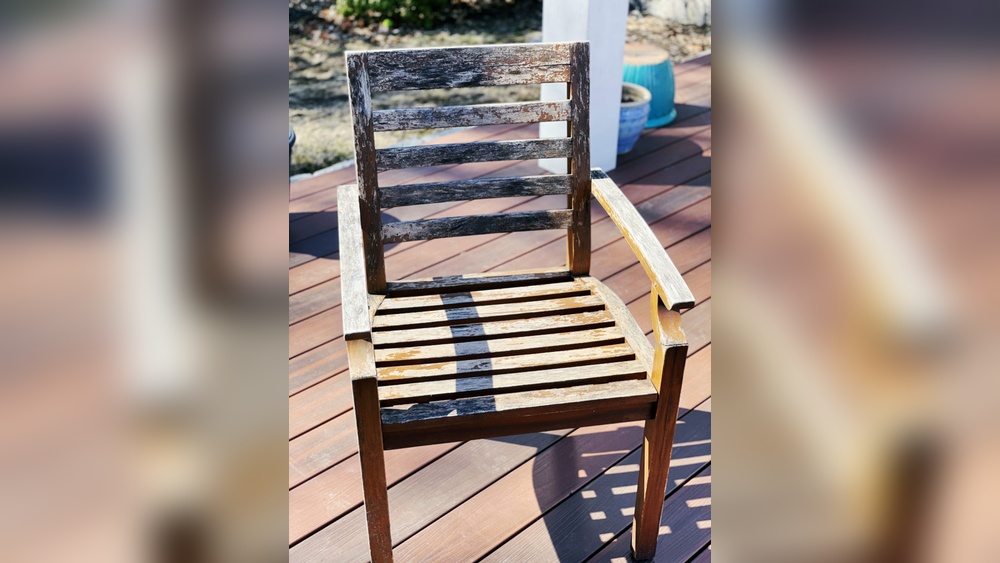
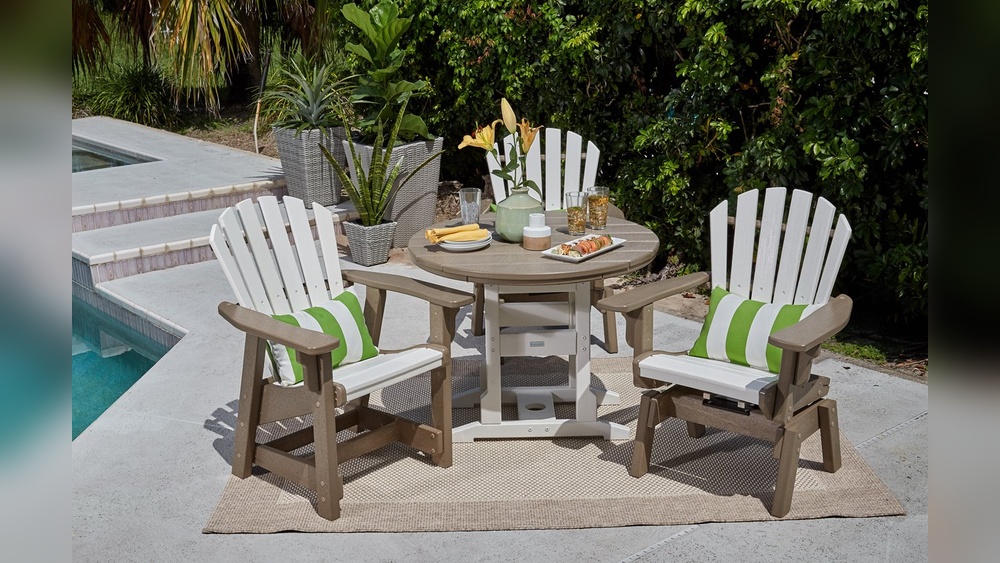
Have you ever wondered if you can use your mattress on outdoor furniture? Maybe you want to create a cozy spot in your backyard or relax comfortably by the pool.
Using a mattress outside sounds like a great idea, but is it really practical or safe? Before you bring your mattress outdoors, there are important things you need to know. Keep reading to discover the surprising facts and smart tips that will help you make the best choice for your comfort and your furniture.
Your perfect outdoor lounge could be just a few steps away!

Credit: www.youtube.com
Choosing The Right Mattress
Choosing the right mattress for outdoor furniture is important for comfort and durability. Outdoor mattresses need special features to handle weather and wear. This section explains key points to consider when picking a mattress for your outdoor space.
Material Options
Foam mattresses are soft and provide good support. Look for quick-dry foam that won’t trap water. Polyester and vinyl covers protect the mattress from dirt and moisture. Some mattresses have removable covers for easy cleaning. Choose materials that feel comfortable and suit your outdoor style.
Durability Factors
Outdoor mattresses face sun, rain, and dirt. Check the quality of stitching and fabric strength. Strong seams prevent tears and wear. High-density foam lasts longer and holds shape well. Avoid mattresses that flatten quickly or lose support. Durability ensures your mattress stays good for many seasons.
Weather Resistance
Weather resistance is key for outdoor mattresses. Pick water-resistant or waterproof covers to stop mold and mildew. UV-resistant fabrics keep colors from fading in the sun. Some mattresses have quick-dry cores to prevent water buildup. These features help the mattress stay fresh and usable outdoors.
Types Of Outdoor Furniture
Outdoor furniture comes in many types and styles. Each type suits different spaces and uses. Choosing the right furniture affects comfort and durability.
Understanding common materials, design features, and weight helps pick the best option. These factors also affect using a mattress outdoors.
Common Materials
Outdoor furniture is often made from wood, metal, plastic, or wicker. Wood offers a natural look but needs care. Metal is strong and lasts long but can get hot. Plastic is light and easy to clean. Wicker looks stylish but may wear out faster outside.
Design Considerations
Design shapes how furniture feels and functions. Some pieces have cushions, others are bare. Some have reclining backs or adjustable parts. Size matters too. Large furniture may fit a big patio but crowd a small space. Simple designs usually work better outdoors.
Weight And Stability
Heavy furniture stays put in wind and rain. Light pieces move easily but can tip over. Stability is key for safety and comfort. A stable base prevents accidents. Check if the furniture sits firmly on uneven ground. Weight also affects how easy it is to move the furniture.
Benefits Of Using Mattresses Outdoors
Using mattresses on outdoor furniture brings many benefits. It makes outdoor spaces more cozy and inviting. Mattresses add a soft layer that regular cushions may lack. This simple change can improve your outdoor experience a lot.
Enhanced Comfort
Mattresses provide extra padding and support. Sitting or lying down feels softer and more pleasant. They reduce pressure on your body. This helps you relax longer outside without discomfort. Mattresses make outdoor furniture feel like indoor seating.
Versatility In Seating
Mattresses can turn outdoor furniture into beds or lounges. You can stretch out and nap easily. They work well for picnics, reading, or star gazing. Mattresses also fit many furniture styles, from benches to swings. This flexibility makes your outdoor area more useful.
Aesthetic Appeal
Mattresses add a neat and finished look to furniture. They come in various colors and patterns. This lets you match your outdoor decor easily. Mattresses create a cozy and stylish vibe. They help your outdoor space look more welcoming and cared for.
Potential Challenges
Using a mattress on outdoor furniture might seem like a smart idea for extra comfort. Still, it brings some challenges that can affect the mattress’s life and your outdoor space. Understanding these issues helps you decide if it is a good choice for your needs.
Moisture And Mold Risks
Outdoor spaces are often damp or humid. Mattresses absorb moisture from rain, dew, or humidity. This moisture causes mold and mildew to grow inside the mattress. Mold can damage the mattress and cause bad smells. It also affects your health by releasing spores into the air.
Wear And Tear
Mattresses are not built for outdoor use. Sunlight can fade the fabric and weaken materials. Wind and dirt can cause stains and damage. Constant exposure to outdoor elements makes the mattress wear out faster. This reduces comfort and support over time.
Cleaning And Maintenance
Cleaning a mattress outdoors is harder than cleaning regular outdoor cushions. Dirt, leaves, and bugs can get trapped in the mattress. You must clean it often to avoid stains and smells. Regular maintenance takes time and effort to keep the mattress usable.
Protecting Your Mattress Outdoors
Using a mattress outdoors can be comfortable but needs care. Protecting your mattress outdoors helps it last longer. It keeps the mattress clean and dry. Follow simple steps to guard against weather and dirt. These tips make outdoor use safe and easy.
Waterproof Covers
Waterproof covers protect mattresses from rain and spills. They stop water from soaking into the mattress. Choose covers made of durable, breathable material. Covers with zippers make removing and washing easy. Always cover your mattress before placing it outside.
Proper Storage Tips
Store your mattress in a dry, cool place when not in use. Avoid direct sunlight to prevent fading and damage. Use a mattress bag or plastic cover for extra protection. Keep it off the ground to avoid dirt and moisture. Proper storage reduces wear and keeps the mattress fresh.
Regular Cleaning
Clean the mattress regularly to remove dust and debris. Use a vacuum cleaner with a brush attachment. Spot clean stains with mild soap and water. Let the mattress dry completely before using or storing. Regular cleaning helps maintain freshness and comfort.
Best Mattress Types For Outdoor Use
Choosing the right mattress for outdoor furniture is important for comfort and durability. Outdoor mattresses face different challenges than indoor ones. They need to resist moisture, mold, and sun damage. Not all mattresses work well outside. Here are the best mattress types suited for outdoor use.
Foam Mattresses
Foam mattresses are popular for outdoor furniture. They offer good support and comfort. Look for foam made with quick-drying material. Open-cell foam is a good choice because it lets air pass through. This helps the mattress dry faster after rain or dew. Some foam mattresses come with water-resistant covers. These covers protect the foam from moisture and dirt. Foam mattresses are lightweight and easy to move.
Air Mattresses
Air mattresses are another option for outdoor use. They are easy to carry and store. You can inflate them only when needed. This saves space and keeps the mattress clean. Look for air mattresses with thick, puncture-resistant material. Some have built-in pumps for quick inflation. They provide a soft surface that you can adjust by adding or releasing air. Air mattresses dry quickly if they get wet.
Inflatable Options
Inflatable mattresses include air mattresses and other designs like pool floats. These are versatile for outdoor furniture. They can be deflated for storage and transport. Many inflatable options have waterproof covers or coatings. This makes them durable against water and sun. Inflatable mattresses offer comfort and convenience outdoors. Choose one with sturdy seams to avoid leaks. They are great for temporary use or camping.
Setting Up Your Outdoor Comfort Space
Creating a cozy outdoor comfort space makes your backyard more inviting. It lets you enjoy fresh air with the feel of indoors. A well-set outdoor area can be perfect for relaxing or hosting friends. Simple touches can change your outdoor furniture into a comfy retreat.
Layering Techniques
Start by placing a mattress suitable for outdoor use on your furniture. Use waterproof or quick-dry covers to protect from moisture. Add a thin foam pad underneath for extra softness. Layer different textures like outdoor rugs or woven mats. This adds warmth and a stylish look. Layering helps create a plush, comfortable seating area.
Adding Pillows And Throws
Choose pillows with weather-resistant fabrics to avoid damage. Mix sizes and colors to make the space lively. Throws add extra warmth on cool evenings. Pick soft materials that dry quickly after rain. Arrange pillows and throws casually for a relaxed vibe. These small additions make your outdoor space feel inviting and cozy.
Shade And Shelter Solutions
Shade protects you from sun and keeps the mattress cool. Use umbrellas, pergolas, or shade sails for coverage. A canopy or gazebo can shield from rain and sun. Choose lightweight, movable options for flexibility. Proper shade extends comfort and protects your mattress and furniture. Shelter ensures your outdoor space stays usable in different weather.

Credit: www.amazon.com
Safety Considerations
Using a mattress on outdoor furniture can create a comfy spot. Safety matters most to keep that comfort safe and sound. Some risks come with outdoor use, so knowing safety tips helps.
Avoiding Allergens
Outdoor mattresses can collect dust and pollen. These cause allergies and breathing problems. Clean the mattress often by shaking and airing it. Use covers that block allergens well. Keep the area free of leaves and dirt.
Preventing Slips And Falls
Mattresses can slide on smooth outdoor surfaces. This can cause falls and injuries. Use non-slip mats or pads under the mattress. Check the furniture is steady and strong. Place the mattress carefully to avoid uneven spots.
Fire Safety Tips
Outdoor areas may have grills or fire pits nearby. Mattresses can catch fire quickly. Keep mattresses far from open flames and heat. Use flame-retardant mattress covers if possible. Never leave a mattress near fire unattended.
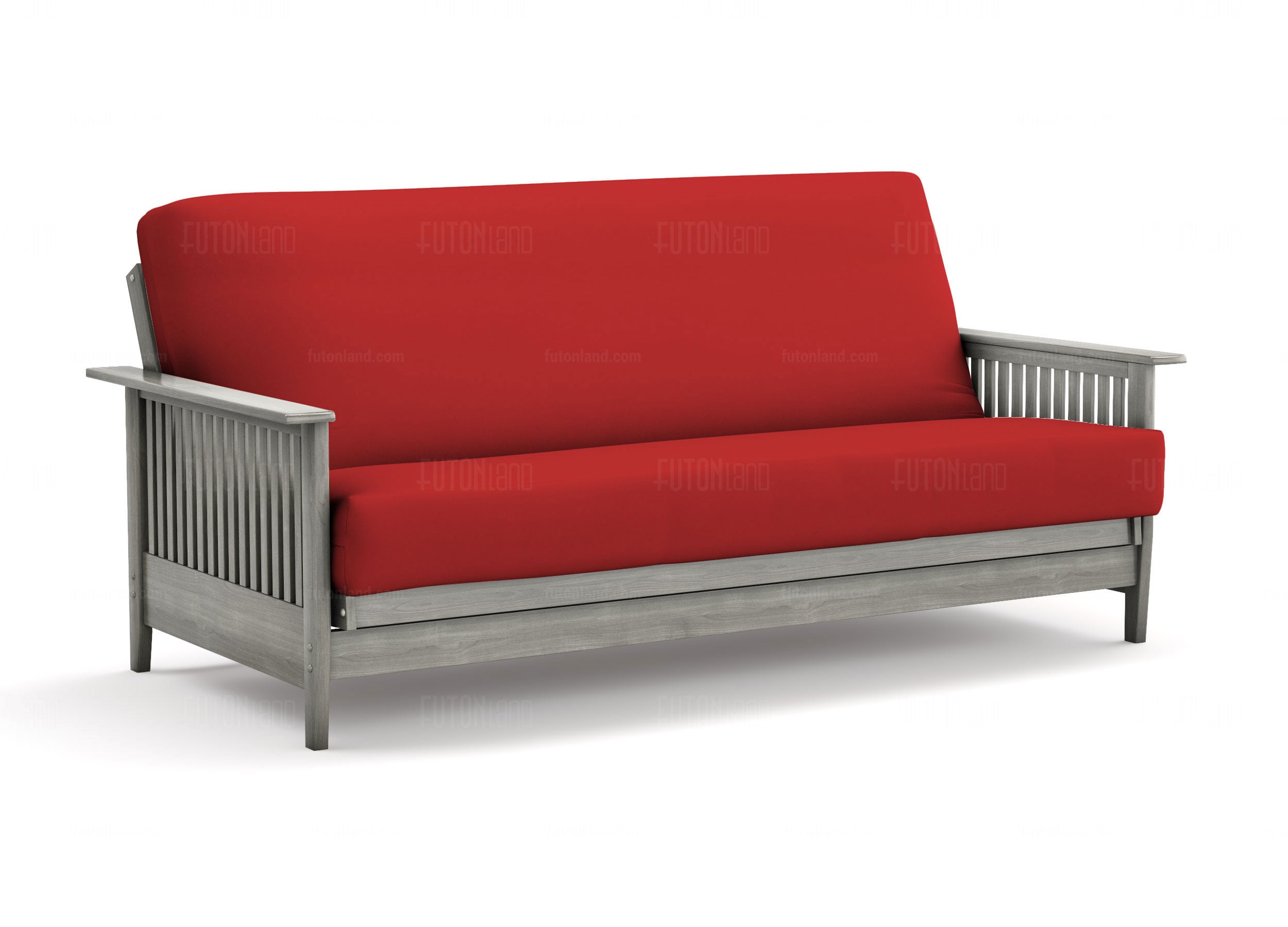
Credit: futonland.com
Frequently Asked Questions
Can You Use A Mattress On Outdoor Furniture?
Yes, you can use a mattress on outdoor furniture, but it must be weather-resistant. Regular mattresses may absorb moisture and mold. Outdoor-specific mattresses or cushions made with waterproof materials are ideal for durability and comfort.
What Types Of Mattresses Suit Outdoor Furniture?
Foam mattresses with water-resistant covers or air mattresses work well outdoors. Look for materials like memory foam with waterproof encasements or inflatable options designed for outdoor use. These prevent water damage and mildew growth.
How To Protect A Mattress On Outdoor Furniture?
Use waterproof mattress covers or outdoor fabric protectors. Regularly air out the mattress and store it indoors during rain or high humidity. These steps extend mattress life and keep it fresh and clean.
Are Outdoor Mattresses Comfortable For Long Use?
Outdoor mattresses are comfortable if chosen properly. They typically have firmer foam and breathable materials. For extended use, select mattresses with adequate cushioning and support tailored for outdoor relaxation.
Conclusion
Using a mattress on outdoor furniture can add comfort. Choose materials that resist water and sunlight damage. Keep the mattress clean and dry to last longer. Remember, regular cushions work better for outdoor use. Mattresses may trap moisture and get moldy.
So, think about the weather and care needs. A mattress feels soft but may not be practical outside. Use it only for short times or covered areas. Comfort and durability both matter for outdoor seating. Choose wisely to enjoy your outdoor space fully.