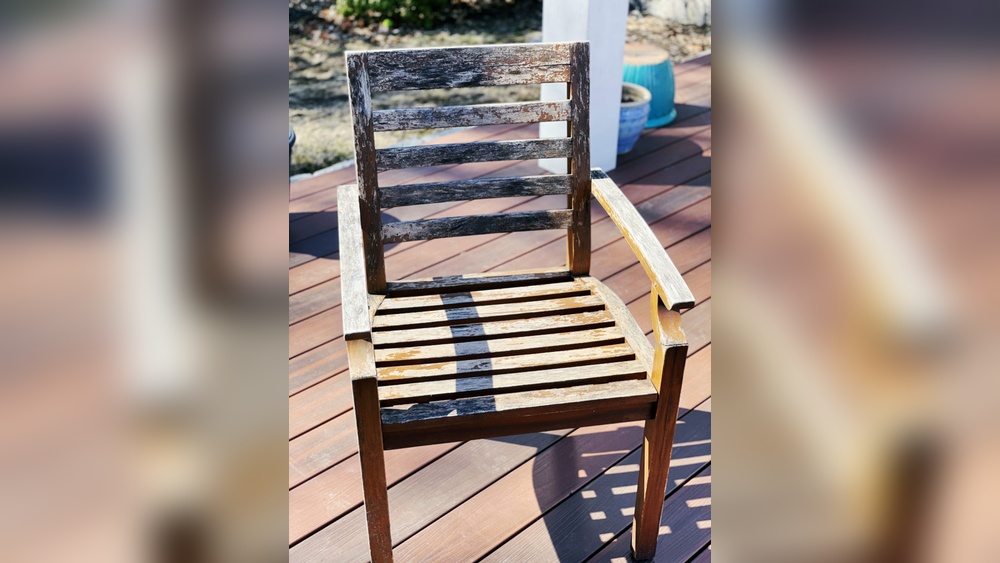
Are you looking to give your outdoor wood furniture a fresh, lasting look? Choosing the right paint can make all the difference between a beautiful finish that stands up to weather and a quick fade that leaves you frustrated.
You want your furniture to stay vibrant and protected through sun, rain, and changing seasons. But with so many paint options out there, which one is truly best for your outdoor wood pieces? Keep reading, and you’ll discover simple tips and expert advice to help you pick the perfect paint that keeps your furniture looking great year after year.
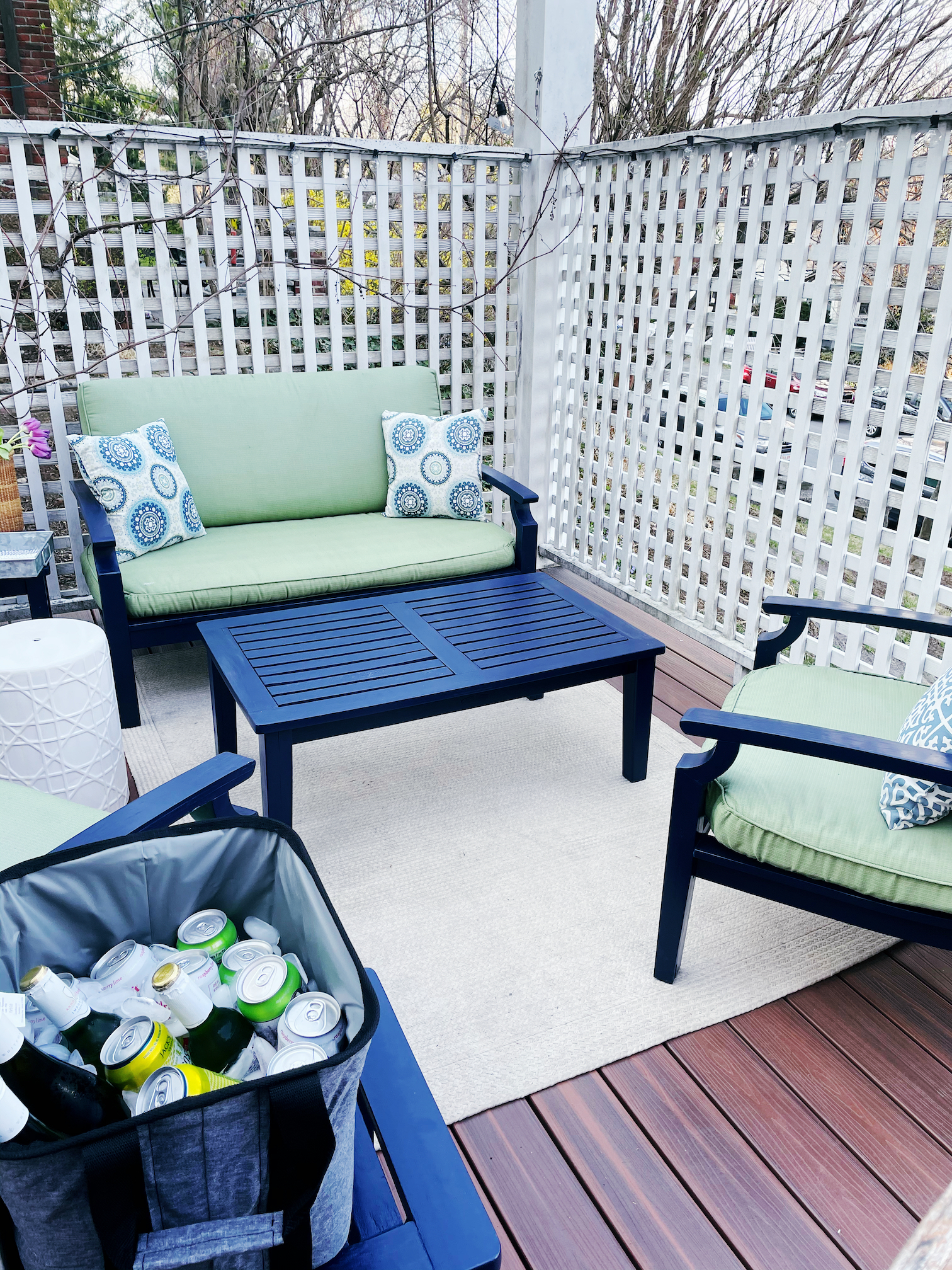
Credit: whitneysowles.com
Types Of Paint For Outdoor Wood
Choosing the right paint for outdoor wood furniture protects it from weather and wear. Different paint types offer unique benefits. Understanding these helps to pick the best one for your furniture. Here are the main types of paint for outdoor wood.
Latex Paint Benefits
Latex paint is water-based and easy to clean. It dries fast and has low odor. This paint resists cracking and peeling. It also resists fading from sunlight. Latex paint is flexible, which helps with wood movement. It is a good choice for mild weather.
Oil-based Paint Features
Oil-based paint is strong and durable. It sticks well to wood and fills small cracks. This paint creates a hard, smooth surface. It takes longer to dry than latex paint. Oil-based paint works well in harsh weather. It is good for heavy use furniture.
Acrylic Paint Advantages
Acrylic paint is a type of latex paint with added strength. It handles extreme weather and sunlight well. Acrylic paint stays bright and does not fade easily. It resists water and mildew, protecting the wood. This paint is easy to apply and clean up.
Enamel Paint Durability
Enamel paint is known for its tough finish. It creates a glossy and hard coat on wood. This paint resists scratches and stains well. Enamel paint is perfect for furniture that needs extra protection. It can last a long time outdoors without damage.
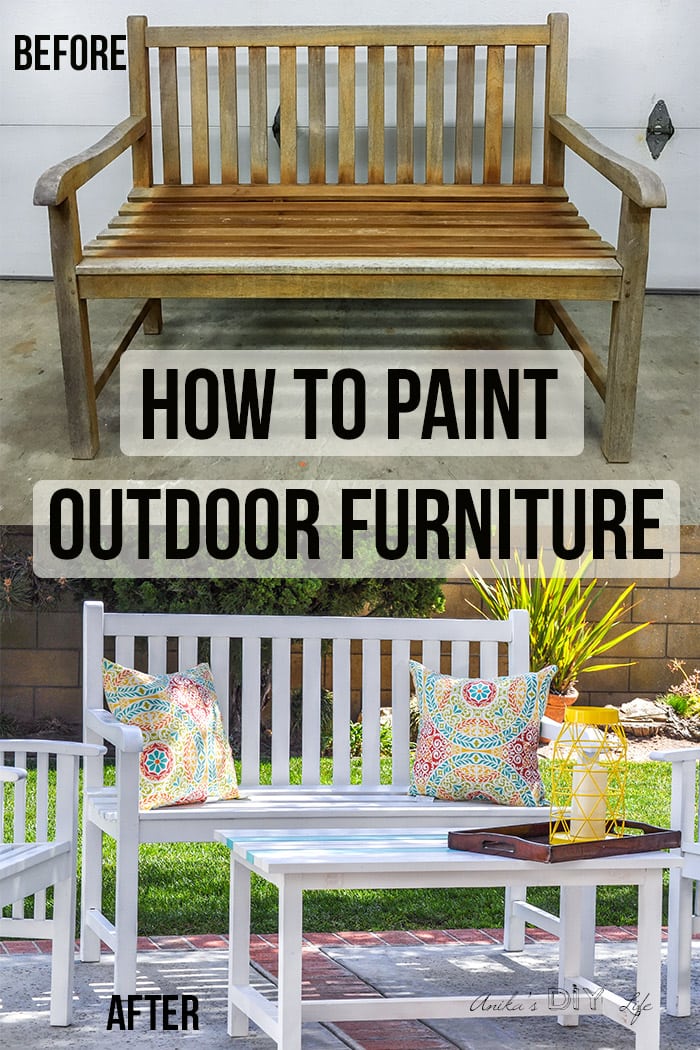
Credit: www.anikasdiylife.com
Factors Affecting Paint Durability
Paint durability depends on several key factors. Outdoor wood furniture faces harsh conditions. Paint must protect the wood and stay strong. Understanding these factors helps you choose the best paint. This extends the life of your furniture and keeps it looking good.
Weather Resistance
Paint must resist rain, wind, and temperature changes. Strong weather resistance stops paint from peeling or cracking. It protects wood from damage caused by storms or heat. Choose paint designed for outdoor use to handle all weather types.
Uv Protection
Sunlight can fade paint colors quickly. UV protection in paint prevents color from fading fast. It blocks harmful rays that break down paint layers. Paint with UV blockers keeps furniture bright and fresh longer.
Moisture Barrier
Water can cause wood to swell and rot. Paint acts as a barrier to block moisture. A good moisture barrier stops water from reaching the wood. This keeps furniture dry and strong in wet conditions.
Flexibility And Adhesion
Wood expands and contracts with temperature changes. Paint must flex without cracking or peeling. Strong adhesion keeps paint firmly attached to wood. Flexible paint moves with the wood, preventing damage over time.
Preparing Wood For Painting
Preparing wood for painting is key to a long-lasting finish. Outdoor wood furniture faces weather, dirt, and wear. Proper preparation helps paint stick better and protects wood.
Take time to clean, repair, and prime the wood. This process sets a strong base for paint. It also stops peeling and cracking later.
Cleaning And Sanding
Start by cleaning the wood surface. Remove dirt, dust, and old paint flakes. Use a mild soap with water and a soft brush. Rinse well and let dry completely.
Sanding smooths rough patches and opens the wood grain. Use medium-grit sandpaper for best results. Sand evenly in the direction of the grain. Wipe off dust with a clean cloth.
Repairing Damages
Check wood for cracks, holes, or rot. Fill small cracks with wood filler. Apply it with a putty knife and smooth the surface. Let the filler dry fully before sanding it smooth.
Replace or treat rotten wood to avoid spread. Make sure the furniture is strong and stable before painting.
Priming Tips
Primer helps paint stick and covers wood imperfections. Apply primer with a brush or roller in thin coats. Avoid thick layers that may drip or peel.
Let the primer dry as per instructions. Sand lightly after drying to remove bumps. Clean off sanding dust before painting.
Choosing The Right Primer
Pick a primer made for outdoor wood furniture. Oil-based primers resist moisture and last long. Water-based primers dry faster and have less odor.
Use stain-blocking primers for wood with knots or stains. This stops discoloration through the paint. Match the primer type to your chosen paint for best results.
Application Techniques
Applying paint to outdoor wood furniture needs care and the right method. Proper application helps the paint last longer and look better. Choosing the right technique affects the finish and protection of your furniture.
Brush Vs. Spray Methods
Using a brush gives control and allows you to cover detailed areas. It helps push paint into wood grain for better adhesion. Brushes are good for small projects or touch-ups. Spray methods cover large areas faster and give a smooth finish. Spraying works well for even coats but needs practice to avoid drips. Choose the method that fits your skill and project size.
Number Of Coats
Apply at least two coats of paint for strong protection. The first coat seals the wood and creates a base. The second coat adds color and durability. Let each coat dry fully before applying the next. Avoid thick coats that can drip or crack. Thin, even coats give the best results and last longer.
Drying And Curing Times
Drying means the paint feels dry to touch but is still soft underneath. Curing means the paint hardens fully and gains strength. Follow the paint label for exact drying times. Usually, drying takes a few hours and curing several days. Avoid placing furniture outside until the paint is fully cured. This prevents damage and keeps the finish smooth.
Avoiding Common Mistakes
Don’t paint on wet or dirty wood. Always clean and dry the surface first. Avoid painting in direct sunlight or very cold weather. These conditions affect paint drying and adhesion. Don’t rush the process or apply thick coats. Take time to prepare and apply paint properly for long-lasting results.
Maintenance And Touch-ups
Maintaining outdoor wood furniture keeps it looking fresh and protects it from damage. Regular care helps the paint last longer and prevents costly repairs. Small touch-ups can fix wear and tear before it gets worse. Follow simple steps to keep your furniture vibrant and strong.
Regular Cleaning
Clean your furniture often to remove dirt and dust. Use a soft brush or cloth with mild soap and water. Avoid harsh chemicals that can damage the paint. Rinse well and dry with a clean towel. Keeping the surface clean stops grime from building up and ruining the finish.
Spot Repairs
Check for chips, cracks, or peeling paint regularly. Sand the damaged area lightly to smooth it out. Apply matching paint only to the affected spots. This prevents the problem from spreading and saves time. Spot repairs keep the furniture looking neat between full repaints.
Repainting Frequency
Repaint outdoor wood furniture every two to three years. Weather and sun can fade or crack the paint over time. Choose paint designed for outdoor use to ensure durability. Repainting refreshes the look and adds a protective layer against moisture and pests.
Protective Finishes
Apply a clear protective finish after painting for extra defense. Use polyurethane or a water-based sealant made for outdoor wood. This finish blocks water and reduces sun damage. Renew the protective coat yearly for the best results and longer paint life.
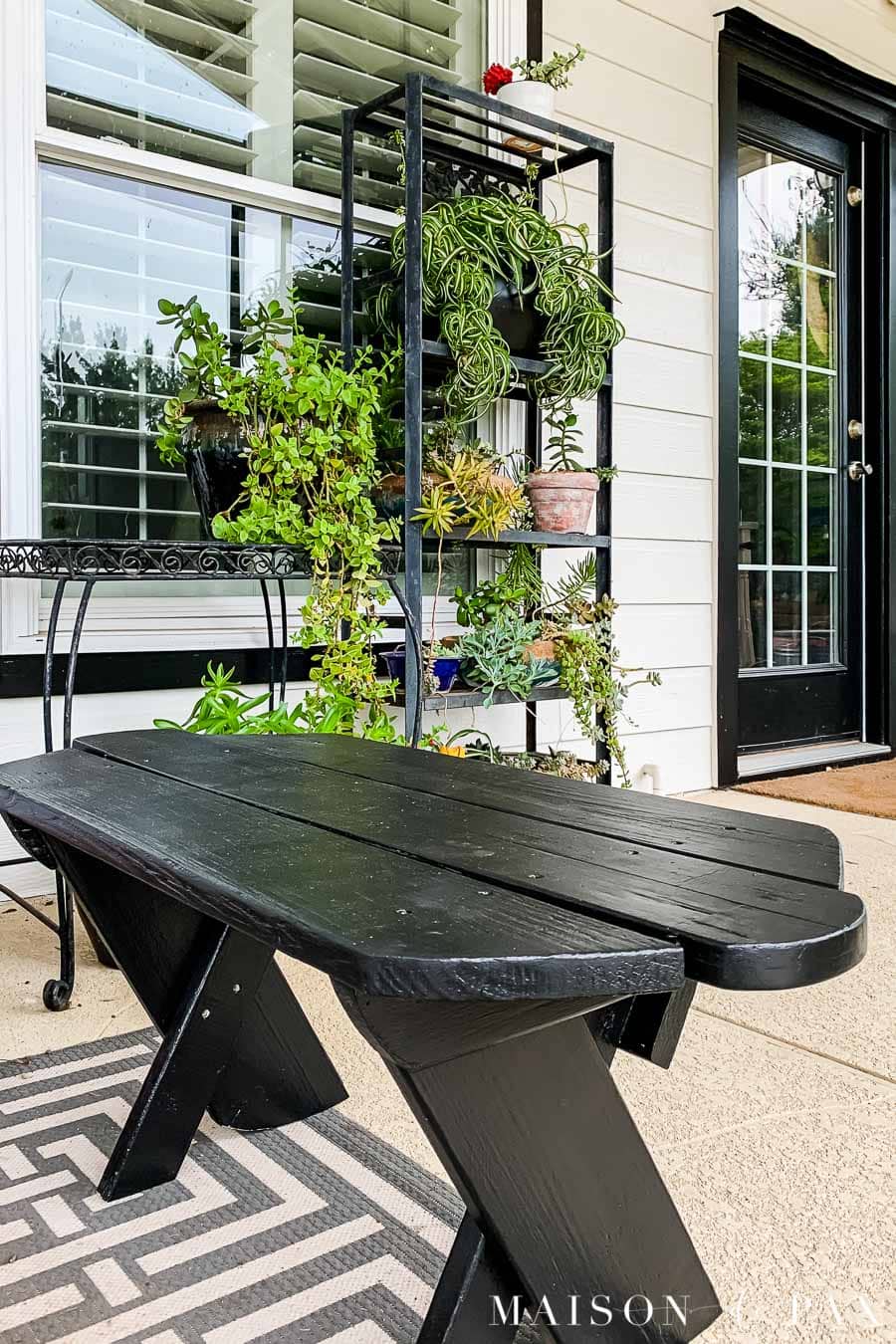
Credit: www.maisondepax.com
Eco-friendly Paint Options
Choosing the right paint for outdoor wood furniture matters for the environment. Eco-friendly paints protect wood and reduce harm to nature. These paints use safer ingredients and emit fewer chemicals. They keep air cleaner and help you create a healthy space outside.
Eco-friendly paint options also last long and resist weather damage. They come in many colors and finishes. This makes it easy to find paint that suits your style and protects your furniture well.
Low-voc Paints
Low-VOC paints release very little harmful gases. VOC stands for volatile organic compounds. These compounds can hurt air quality and cause health problems. Low-VOC paints reduce these risks and keep your outdoor space safer.
They dry quickly and provide strong protection against rain and sun. Low-VOC paints work well on wood and keep colors bright. They offer a good balance between safety and durability.
Natural Paint Alternatives
Natural paints come from plants and minerals. They contain no synthetic chemicals or toxins. Ingredients like clay, chalk, and linseed oil create a natural finish. These paints breathe well and avoid trapping moisture in wood.
Natural paints may need more coats but give a soft, beautiful look. They are biodegradable and easy to clean up with water. These options support a healthy environment and safe outdoor living.
Sustainable Brands
Many brands now focus on making eco-friendly paints. They use renewable resources and reduce waste in their products. These brands test their paints for low emissions and long-lasting quality.
Choosing sustainable brands helps support green business practices. These companies often share clear ingredient lists and environmental goals. Their paints protect your wood furniture and the planet at the same time.
Choosing Paint Based On Wood Type
Choosing the right paint for outdoor wood furniture depends heavily on the wood type. Different woods absorb paint in unique ways. This affects durability and finish. Understanding your wood helps pick the best paint. It also ensures long-lasting protection against weather and wear.
Softwood Vs. Hardwood
Softwood like pine or cedar is porous and absorbs paint quickly. Use paint with good sealing properties to block moisture. Hardwood such as oak or maple is denser and less absorbent. It needs paint that grips tightly and resists peeling. Select paint designed for the wood’s texture and hardness for best results.
Exotic Wood Considerations
Exotic woods like teak or mahogany have natural oils. These oils can stop paint from sticking well. Clean the surface with a suitable solvent before painting. Use oil-based or specialized paints that bond with oily woods. This prevents peeling and keeps the finish smooth.
Treated Wood Tips
Treated wood has chemicals to prevent rot and insects. Some treatments repel paint, causing poor adhesion. Choose paint made for treated lumber. Always check if the wood is dry before painting. This avoids bubbling and ensures paint lasts longer outdoors.
Frequently Asked Questions
What Is The Best Paint For Outdoor Wood Furniture?
The best paint for outdoor wood furniture is exterior acrylic latex paint. It resists weather, UV rays, and moisture. It offers durability and flexibility, preventing cracking and peeling. This type of paint maintains color and protects wood from outdoor elements effectively.
Can I Use Oil-based Paint On Outdoor Wood Furniture?
Yes, oil-based paint can be used on outdoor wood furniture. It provides a tough, durable finish and excellent water resistance. However, it takes longer to dry and has a strong odor. Proper ventilation and primers are recommended for best results.
How Do I Prepare Wood For Outdoor Painting?
To prepare wood for outdoor painting, clean and sand the surface thoroughly. Remove old paint, dirt, and debris. Apply a suitable primer to enhance paint adhesion. Proper preparation ensures long-lasting results and prevents peeling and cracking.
How Often Should I Repaint Outdoor Wood Furniture?
Outdoor wood furniture should be repainted every 2 to 3 years. This depends on the exposure to weather conditions and paint quality. Regular maintenance and touch-ups help preserve the wood and keep furniture looking fresh.
Conclusion
Choosing the right paint protects your outdoor wood furniture. It keeps wood safe from sun, rain, and bugs. Use paint made for outdoor use to last longer. Preparing the wood well helps paint stick better. Regular care extends furniture life and beauty.
Simple steps make your furniture look great all year. Now, your outdoor space feels cozy and fresh. Enjoy your painted furniture for many seasons ahead.

