Are you wondering if olive oil can help keep your outdoor furniture looking fresh and new? You might have heard that olive oil works wonders on wood or metal, but is it really the best choice for your patio pieces?
Using the wrong product could damage your furniture or leave it sticky and dirty. You’ll discover the truth about using olive oil on outdoor furniture. By the end, you’ll know exactly what to do to protect and enhance your favorite outdoor spots.
Keep reading to find out how to make your furniture last longer and shine brighter!
Benefits Of Olive Oil For Furniture
Olive oil offers several benefits when used on outdoor furniture. It helps keep the wood healthy and looking fresh. Using olive oil is a simple way to care for your furniture naturally. This old-fashioned method works well to maintain wood’s beauty and durability.
Natural Moisturizer
Olive oil acts as a natural moisturizer for wood. It soaks into the surface and stops drying and cracking. This oil keeps the wood soft and flexible. Regular use prevents damage caused by sun and rain.
Enhances Wood Grain
Applying olive oil brings out the natural grain of wood. It adds a warm, rich glow without changing the wood color. The oil highlights patterns and textures, making furniture look more attractive. The finish looks smooth and shiny, but not oily.
Eco-friendly Choice
Olive oil is safe for the environment. It does not contain harmful chemicals or toxins. Using olive oil reduces waste from synthetic products. It is biodegradable and safe for pets and children. This makes it a smart, green option for furniture care.
Credit: www.furnitureclinic.co.uk
Types Of Outdoor Furniture Suitable
Not all outdoor furniture benefits from olive oil. Some types respond well and others do not. Knowing which furniture suits olive oil helps protect and shine them.
Wooden Furniture
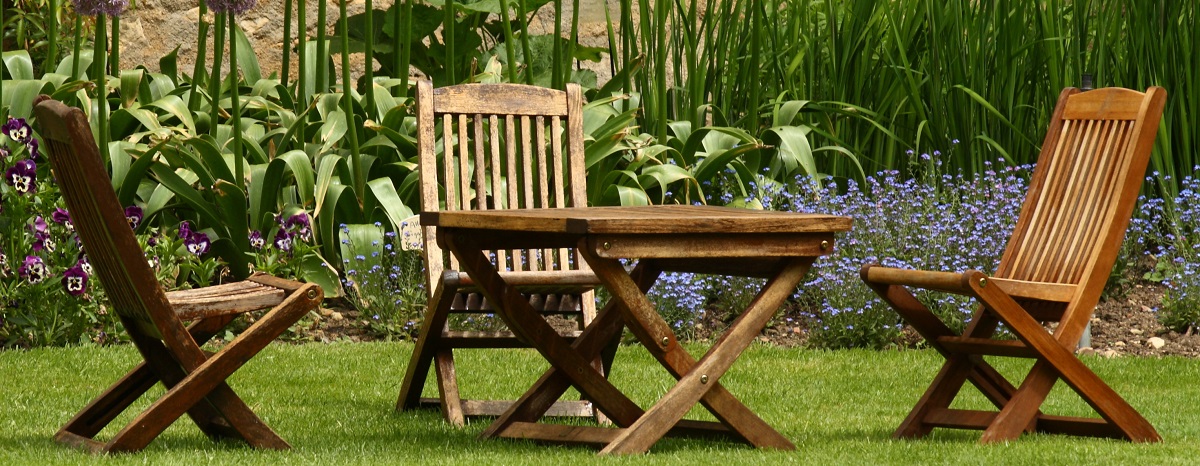
Wooden outdoor furniture often reacts well to olive oil. It nourishes the wood, preventing cracks and dryness. Olive oil can bring back the natural shine of wood. Use it on teak, oak, and other hardwoods. Avoid using on painted or sealed wood, as it may cause stains.
Metal Furniture
Metal furniture does not absorb olive oil like wood. Using olive oil on metal can help reduce rust temporarily. It creates a thin protective layer against moisture. Apply lightly and wipe off excess oil. Avoid on aluminum and stainless steel, which may react poorly.
Plastic And Resin Furniture
Plastic and resin furniture do not benefit from olive oil. These materials do not absorb oil and may become slippery. Olive oil can attract dirt and dust on plastic surfaces. Clean plastic furniture with soap and water instead for best results.
How To Apply Olive Oil Safely
Applying olive oil to outdoor furniture can enhance its look and protect the surface. Doing it safely keeps your furniture in good shape. Follow clear steps to avoid damage and get the best results.
Cleaning The Surface
Start by cleaning the furniture well. Remove dirt, dust, and old finishes. Use a soft cloth and mild soap with water. Let the surface dry completely before applying oil. Clean furniture helps the oil soak in better.
Choosing The Right Olive Oil
Use pure, extra virgin olive oil for best results. Avoid olive oil blends or flavored oils. Pure oil is natural and safe for wood and metal. It provides a nice shine and helps protect the material.
Application Techniques
Apply olive oil using a soft cloth or sponge. Put a small amount of oil on the cloth first. Rub the oil gently in circular motions on the furniture. Focus on one section at a time. Let the oil sit for 15 to 20 minutes. Wipe off any extra oil with a clean cloth. Repeat the process every few months to keep furniture fresh.
Potential Risks And Precautions
Using olive oil on outdoor furniture has some risks. Knowing these risks helps you protect your furniture better. Here are some important points to consider before applying olive oil outdoors.
Attracting Insects
Olive oil can attract bugs like ants and flies. The smell and residue draw them close. This can create an uncomfortable space around your furniture. Regular cleaning is needed to avoid insect problems.
Oil Rancidity
Olive oil can go bad over time when exposed to air and sunlight. It turns sticky and smells unpleasant. Rancid oil can damage the wood or surface of your furniture. Reapplying fresh oil often is necessary to prevent this.
Surface Stickiness
Olive oil can leave a sticky layer on furniture surfaces. Dust and dirt stick to this oily film easily. This makes the furniture look dirty and rough. Wiping off excess oil right after application can help avoid stickiness.
Alternative Oils For Outdoor Furniture
Oils protect and enhance outdoor furniture. Some oils work better than others. Olive oil is not the best choice. It can go rancid and attract dirt. Other oils provide long-lasting protection. They help wood stay healthy and look fresh. Here are some good alternatives for outdoor furniture care.
Linseed Oil
Linseed oil comes from flax seeds. It soaks deep into wood pores. This oil protects wood from water damage. It also brings out natural wood grain. Use boiled linseed oil for faster drying. Apply several thin coats for best results. It keeps outdoor furniture durable and nice.
Teak Oil
Teak oil is made for hardwoods like teak. It penetrates wood and prevents cracking. This oil repels water and sunlight damage. It keeps wood smooth and rich in color. Teak oil is easy to apply with a cloth. Use it regularly to maintain furniture beauty.
Mineral Oil
Mineral oil is a clear, odorless oil. It does not go bad or spoil. This oil creates a water-resistant barrier on wood. It is safe and non-toxic to use. Mineral oil is good for light woods and bamboo. Reapply often to keep furniture protected outdoors.
Credit: www.livingetc.com
Maintenance Tips After Application
After applying olive oil to outdoor furniture, proper care helps maintain its look and durability. Regular upkeep keeps the wood nourished and protected from weather damage. Following a few simple steps ensures your furniture stays beautiful longer.
Regular Cleaning
Clean the furniture gently to avoid removing the oil layer. Use a soft cloth or brush to wipe away dust and dirt. Avoid harsh chemicals that can strip the oil. Clean spills quickly to prevent stains. Regular cleaning keeps the wood healthy and fresh.
Reapplication Frequency
Olive oil wears off over time due to sun and rain exposure. Reapply oil every few months for best results. Check the furniture surface for dryness or dullness. Lightly sand rough spots before applying oil again. Consistent reapplication maintains the wood’s shine and protection.
Storage Considerations
Store furniture in a shaded, dry place during harsh weather. Cover furniture with breathable covers to prevent moisture buildup. Avoid plastic covers that trap humidity. Proper storage reduces damage and extends the oil’s effectiveness. Bring furniture indoors during winter months if possible.
Common Myths About Olive Oil Use
Many people believe olive oil is perfect for outdoor furniture care. These ideas seem true but often cause confusion. Understanding common myths helps protect your furniture better.
Olive Oil Prevents All Weather Damage
Some think olive oil can stop rain, sun, and wind harm. Olive oil does add shine and moisture to wood. It does not create a strong barrier against weather. Over time, rain and sun can still damage wood treated with olive oil. Use proper outdoor furniture sealants for real protection.
Olive Oil Lasts Forever On Wood
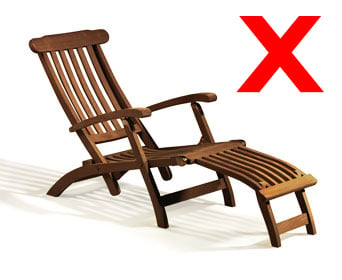
People often say olive oil stays on wood for a long time. Olive oil can soak into wood but does not last long outside. Heat and air cause olive oil to dry out or go bad. It needs regular reapplication to keep wood looking fresh. Oils made for wood last longer and protect better than olive oil.
Credit: www.cyan-teak-furniture.com
Frequently Asked Questions
Can Olive Oil Protect Outdoor Wooden Furniture?
Yes, olive oil can moisturize and protect wooden outdoor furniture. It prevents drying and cracking but is less durable than specialized oils. Regular reapplication is needed to maintain protection and appearance.
Is Olive Oil Safe For Metal Outdoor Furniture?
Olive oil can prevent rust on metal furniture temporarily. However, it attracts dust and dirt and may become sticky. For long-term protection, use products specifically designed for metal surfaces.
How Often Should I Apply Olive Oil On Outdoor Furniture?
Apply olive oil every 1 to 3 months on outdoor wooden furniture. Frequent application keeps wood hydrated but avoid overuse to prevent stickiness or attracting insects.
Can Olive Oil Damage Outdoor Furniture Finishes?
Olive oil is generally safe but may darken some finishes or leave residue. Test on a small area first to ensure it doesn’t harm the furniture’s surface or appearance.
Conclusion
Olive oil can help keep outdoor furniture looking nice for a while. It adds shine and may protect wood from drying out. But it does not last long outside and can attract dirt. For best results, clean furniture first and use olive oil sparingly.
Regular care with products made for outdoor use works better. Remember to test a small area before applying it widely. This way, you can keep your furniture beautiful without causing damage. Simple care steps make outdoor furniture last longer and look great.