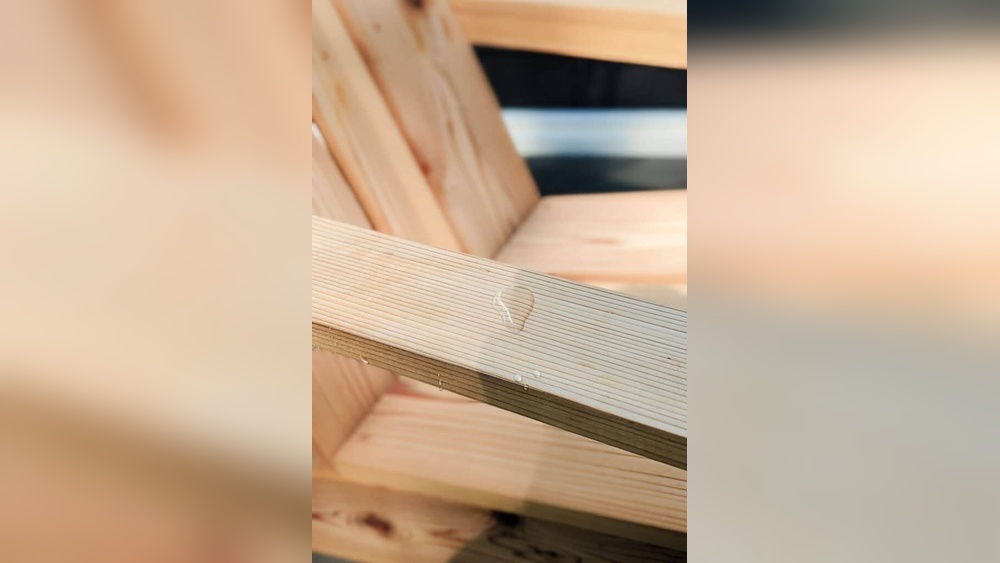
Are you thinking about building your own outdoor furniture but wondering if plywood is a good choice? You’re not alone.
Many people ask if plywood can stand up to the weather and last outside. The truth is, not all plywood is made the same, and using the right type can make a big difference. You’ll discover what makes plywood suitable—or not—for outdoor use.
By the end, you’ll know exactly how to pick and protect plywood to create furniture that looks great and lasts longer. Ready to find out if plywood is the right material for your outdoor project? Keep reading!
Choosing The Right Plywood
Choosing the right plywood is key for durable outdoor furniture. Not all plywood types handle weather well. Picking the correct kind ensures your furniture lasts longer. It also keeps the look fresh and strong through rain, sun, and wind.
Types Suitable For Outdoors
Exterior plywood is made for outdoor use. It has strong glue that resists water. Marine plywood is another option. It is waterproof and very tough. Both types stop layers from peeling apart. Avoid regular plywood for outside projects. It breaks down quickly with moisture.
Grades And Quality Factors
Plywood grades show surface quality and strength. A grade A or B is best for furniture. These have fewer knots and cracks. Look for plywood with even layers. High-quality plywood has no gaps inside. This keeps the board stable and solid. Low-grade plywood warps and crumbles fast outdoors.
Moisture Resistance Features
Moisture resistance is vital for outdoor furniture. Some plywood has special glue to block water. Others have a seal or coating on the surface. These stop water from soaking in. Proper sealing after cutting also helps. Dry plywood resists mold and rotting. Choose plywood designed to handle wet conditions.
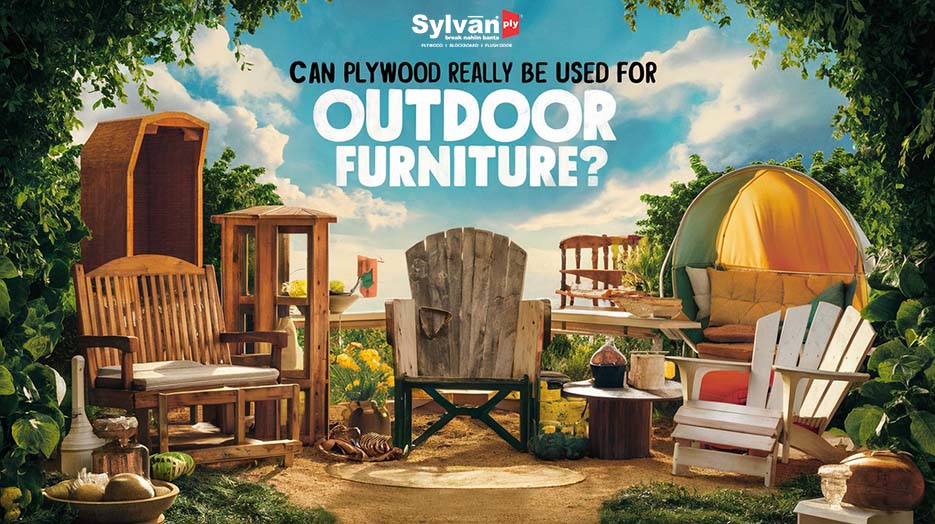
Credit: sylvanply.com
Preparing Plywood For Outdoor Use
Preparing plywood for outdoor use is essential to make it last longer. Untreated plywood can absorb water, swell, and rot quickly. Proper preparation protects the wood from weather damage. It also improves the appearance of your outdoor furniture.
Sealing And Waterproofing Methods
Sealing plywood stops water from entering the wood. Use a waterproof sealant designed for outdoor wood. Apply the sealant evenly on all surfaces, including edges. Multiple coats increase protection. Allow each coat to dry before applying the next. This step prevents moisture damage and wood decay.
Sanding And Surface Treatment
Sanding smooths the plywood surface and removes rough spots. Use medium-grit sandpaper for the first pass. Follow with fine-grit sandpaper for a smooth finish. Sanding helps sealants and paint stick better. Wipe away dust with a damp cloth after sanding. A clean surface improves the final look and durability.
Priming And Painting Tips
Priming prepares plywood for paint and adds extra protection. Choose a primer suitable for outdoor wood. Apply a thin, even layer and let it dry completely. Use outdoor paint that resists fading and cracking. Apply at least two coats for full coverage. Paint protects plywood from sun and rain damage.
Designing Durable Outdoor Furniture
Designing durable outdoor furniture requires careful planning and smart material choices. Outdoor furniture must withstand sun, rain, and wind without losing strength. Plywood can be a good option if designed correctly. Its strength depends on how you build and protect it.
Structural Considerations
Choose the right thickness of plywood for stability. Thicker sheets resist bending and breaking better. Use plywood with a hardwood face for extra toughness. Design frames with support beams to distribute weight evenly. Avoid large unsupported spans that can sag or crack. Proper structure helps furniture last longer outdoors.
Joining Techniques For Strength
Strong joints hold furniture parts firmly together. Use screws instead of nails for better grip. Drill pilot holes to prevent wood from splitting. Apply wood glue along with screws for added strength. Reinforce corners with brackets or blocks. Tight joints reduce wobbling and extend furniture life.
Incorporating Weatherproof Hardware
Select hardware made of stainless steel or coated metal. These resist rust and corrosion in wet conditions. Use weatherproof screws, bolts, and brackets. Cover exposed metal parts with sealant or paint. Proper hardware prevents damage and keeps furniture secure. Weatherproof fittings improve durability and safety outdoors.
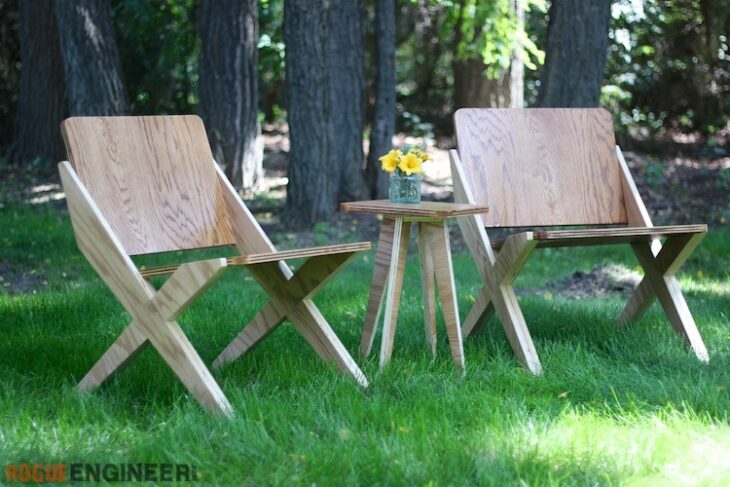
Credit: rogueengineer.com
Maintenance For Longevity
Maintaining plywood outdoor furniture helps it last longer and stay strong. Regular care protects it from weather damage. Simple steps keep the wood looking good and prevent cracks or warping. Focus on cleaning, coating, and storing the furniture properly.
Regular Cleaning Practices
Clean plywood furniture often to remove dirt and dust. Use a soft brush or cloth with mild soap and water. Avoid harsh chemicals that can damage the wood. Dry the furniture well after cleaning to stop moisture buildup. This stops mold and decay from forming.
Reapplying Protective Coatings
Apply a protective coating every year or two. Use outdoor wood sealant or varnish made for plywood. This layer blocks water and sun damage. Sand the surface lightly before applying new coats. Proper coating keeps the wood strong and prevents splintering.
Storage And Seasonal Care
Store plywood furniture in a dry place during harsh seasons. Cover the furniture with waterproof covers if kept outside. Move it indoors during heavy rain or snow. Good storage reduces warping and extends furniture life. Regular checks catch problems early before damage grows.
Common Challenges And Solutions
Using plywood for outdoor furniture has its own set of challenges. These challenges can affect the furniture’s durability and appearance. Understanding common problems helps keep plywood furniture strong and good-looking. Simple solutions can extend the life of your outdoor pieces.
Dealing With Warping And Cracking
Plywood often warps or cracks from moisture and sunlight. These issues happen when water seeps into the wood layers. To stop warping, seal all plywood edges with waterproof paint or sealant. Keep furniture covered or in shaded areas to reduce sun damage. Regularly check for small cracks and repair them early.
Preventing Mold And Mildew
Moist places cause mold and mildew on plywood surfaces. Mold damages wood and looks bad. Clean plywood with mild soap and water after rain or damp days. Use a mold-resistant primer before painting the furniture. Allow furniture to dry fully before using or covering it.
Fixing Surface Damage
Outdoor use can cause scratches, dents, or peeling paint. Sand the damaged area gently to smooth the surface. Apply outdoor wood filler for deep dents or holes. Repaint the surface with weatherproof paint to protect against future damage. Regular touch-ups keep furniture looking fresh and strong.
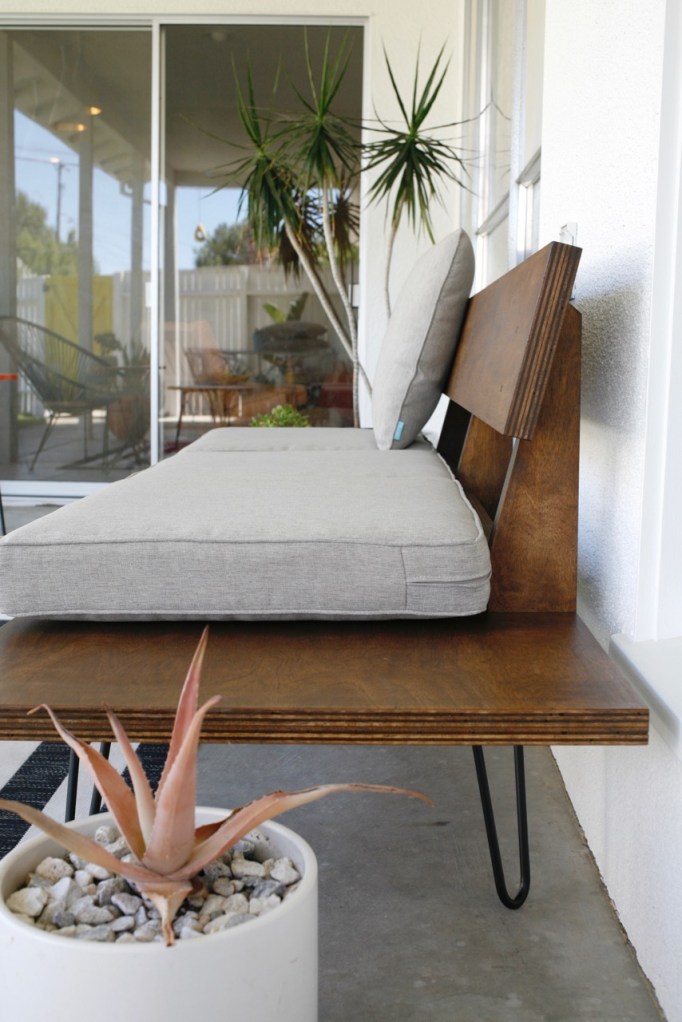
Credit: suburbanpop.com
Alternatives To Plywood For Outdoor Furniture
Choosing the right material for outdoor furniture is important. Plywood is common but not always the best. Many other materials offer better durability and weather resistance. Exploring alternatives helps find the perfect fit for your outdoor space.
Comparing Material Options
Teak wood is a popular choice for outdoor furniture. It resists water and insects well. Cedar also works well. It has natural oils that protect it from decay.
Metal furniture, like aluminum or steel, is strong and lasts long. Plastic and resin are lightweight and easy to clean. They do not absorb water or fade quickly.
Composite materials mix wood fibers and plastic. They look like wood but need less care. Each material varies in price, weight, and maintenance needs.
Pros And Cons Of Each
Teak wood is durable but expensive. It requires some care to keep its color. Cedar is cheaper and lighter but may need more protection.
Metal furniture is sturdy and lasts many years. It can get hot in the sun and may rust if not treated. Plastic is affordable and weatherproof but can look less natural.
Composite materials resist rot and insects. They cost more than plastic but less than hardwood. Some may fade over time under strong sun.
Frequently Asked Questions
Is Plywood Suitable For Outdoor Furniture Use?
Plywood can be used outdoors if it is exterior-grade or marine plywood. These types resist moisture and weather damage better than regular plywood, making them suitable for outdoor furniture.
How To Protect Plywood Outdoor Furniture From Weather?
Apply weather-resistant sealants or paint to plywood furniture. Use waterproof coatings, varnishes, or exterior-grade paint to protect plywood from rain, sunlight, and humidity.
What Plywood Type Is Best For Outdoor Furniture?
Marine plywood or exterior-grade plywood is best for outdoor furniture. They have water-resistant adhesives and veneers designed to withstand moisture and outdoor conditions.
Can Plywood Outdoor Furniture Last Long?
With proper sealing and maintenance, plywood outdoor furniture can last several years. Regularly reapply protective coatings to prevent moisture damage and prolong durability.
Conclusion
Plywood can work well for outdoor furniture if treated properly. Choose waterproof or exterior-grade plywood for best results. Seal all edges and surfaces to protect against moisture. Regular maintenance helps keep the wood strong and looking good. Remember, untreated plywood may not last long outside.
With care, plywood offers a budget-friendly, sturdy option for your outdoor space. Simple steps make a big difference in durability. So, plywood can be a smart choice for outdoor furniture projects.