If you want your pine furniture to shine outdoors and last through all kinds of weather, you need to treat it the right way. Pine is beautiful but can be fragile when left outside without protection.
Imagine your furniture staying strong, looking fresh, and resisting rain, sun, and pests season after season. You’ll discover simple, effective steps to protect your pine furniture and keep it looking great for years. Keep reading, and you’ll learn exactly how to make your outdoor space cozy and stylish with pine pieces that truly stand the test of time.

Credit: www.reddit.com
Choosing The Right Pine Wood
Choosing the right pine wood is crucial for outdoor furniture. Pine varies in quality and durability. Picking the best type helps your furniture last longer. This section guides you on how to choose pine that stands strong outdoors.
Selecting Durable Pine Varieties
Not all pine is equal in strength. Some types handle weather better. Southern yellow pine is dense and tough. It resists wear and moisture well. Another good choice is eastern white pine. It is softer but still performs decently. Choose pine known for strength and resistance. This choice reduces damage from rain and sun.
Checking For Defects And Quality
Inspect pine wood before buying. Look for knots, cracks, and splits. These can weaken the wood over time. Avoid pieces with many defects. Check the wood surface for smoothness. Rough surfaces may absorb water more easily. Ensure the wood is dry and free from mold. Good quality pine lasts longer outside.

Credit: thediyplan.com
Preparing Pine Furniture For Treatment
Preparing pine furniture before treatment helps protect it outdoors. Proper preparation allows the wood to absorb finishes well. It also improves the look and lifespan of your furniture. This process starts with cleaning and sanding. Then, fixing any damages follows. These steps make sure the treatment works perfectly.
Cleaning And Sanding Surfaces
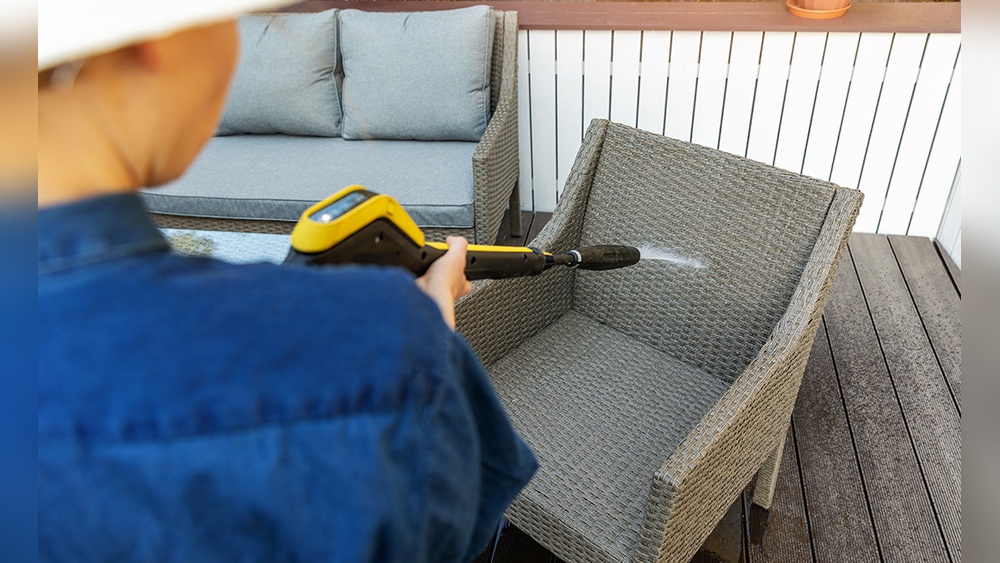
Start by cleaning the pine furniture thoroughly. Remove dirt, dust, and old finishes with a soft brush or cloth. Use mild soap and water if needed. Let the wood dry completely before moving on.
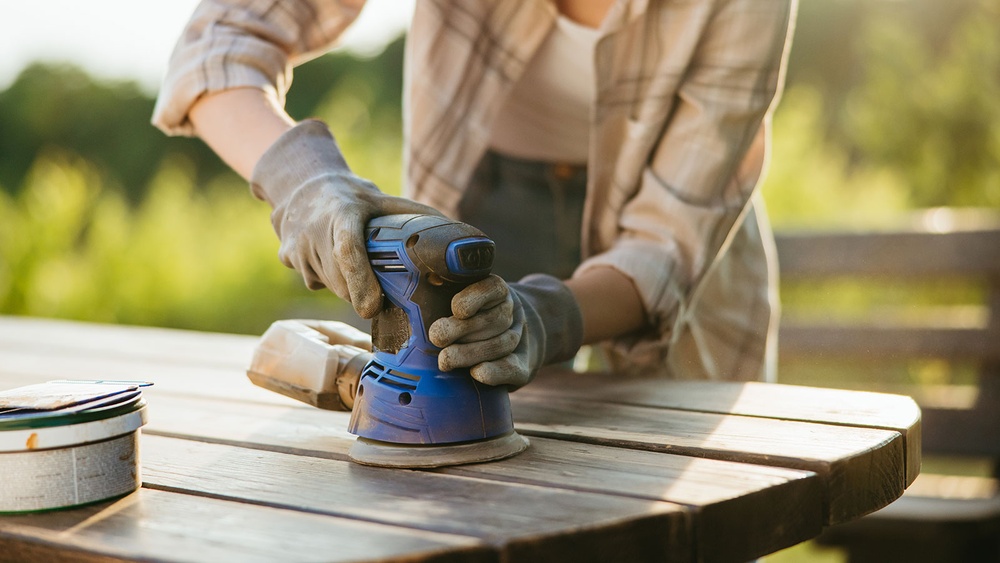
Next, sand the surfaces smoothly. Use medium-grit sandpaper first to remove rough spots. Then, follow with fine-grit sandpaper for a smooth finish. Sanding opens wood pores for better finish absorption. Always sand along the grain to avoid scratches.
Repairing Damages And Imperfections
Check the furniture for cracks, holes, or loose joints. Fill small cracks and holes with wood filler. Let it dry, then sand the filled areas smooth.
Tighten loose screws or glue wobbly joints. Replace any broken parts if needed. Repairing damages strengthens the furniture. It ensures the treatment covers every surface well.
Applying Wood Preservatives
Applying wood preservatives protects pine furniture from moisture, insects, and decay. It extends the life of outdoor furniture. Preservatives soak into the wood, creating a barrier against damage. Proper use keeps the wood strong and looking good.
Types Of Wood Preservatives
Oil-based preservatives penetrate deep into pine wood. They repel water and prevent rot. Water-based preservatives dry faster and have less odor. Copper-based preservatives protect well against fungi and insects. Choose the right type based on your needs and environment.
Proper Application Techniques
Clean the wood surface before applying any preservative. Use a brush, roller, or spray for even coverage. Apply preservatives evenly along all surfaces and edges. Allow the wood to dry fully between coats. Work in a well-ventilated area for safety. Repeat the process every few years for best results.
Sealing Pine Furniture
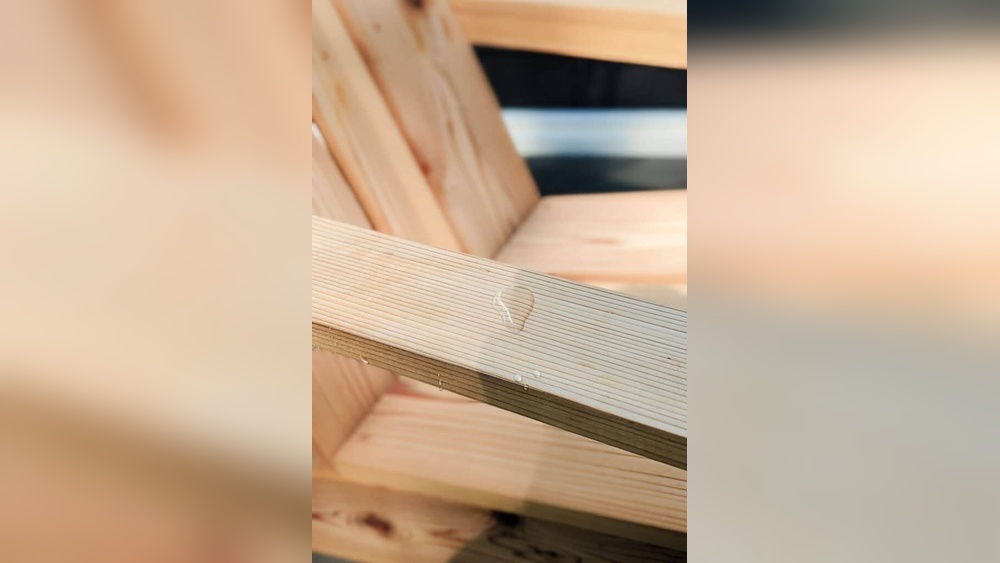
Sealing pine furniture is a key step to protect it from outdoor damage. Pine is soft and absorbs water easily. This can cause swelling, warping, or rotting over time. Sealing creates a barrier that stops moisture and dirt. It also helps maintain the wood’s natural beauty and color.
Proper sealing extends the life of your pine furniture. It keeps the wood strong and looking fresh. This section explains how to choose the right sealant and how to apply it correctly.
Choosing Suitable Sealants
Select a sealant made for outdoor wood. Look for products that resist water and UV rays. These prevent the wood from fading and cracking. Clear sealants keep the natural wood look. Tinted sealants add color and extra protection. Avoid sealants with strong chemicals that can harm the wood.
Check if the sealant is easy to apply and dries fast. Some sealants need multiple coats. Others work well with just one. Pick one that fits your skill level and the furniture’s use.
Steps For Effective Sealing
Start by cleaning the pine surface. Remove dirt and dust with a brush or cloth. Let the wood dry completely before sealing. Sand the furniture lightly to smooth rough spots. This helps the sealant stick better.
Apply the sealant with a brush or cloth. Work in the direction of the wood grain. Cover every part evenly. Let the first coat dry fully. Add a second coat for better protection. Avoid sealing in very hot or cold weather. This can affect how the sealant sets.
Allow the furniture to cure for several days. This ensures the sealant forms a strong, lasting barrier. Regularly check the furniture and reseal as needed. This keeps your pine furniture safe and beautiful outdoors.
Using Outdoor Wood Stains
Using outdoor wood stains is a smart way to protect pine furniture from sun, rain, and dirt. Stains soak into the wood and form a shield against damage. This keeps pine looking fresh and strong for a long time. Applying stain also brings out the natural grain, making the furniture more beautiful.
Stains are easy to apply with a brush or cloth. Choose a dry day for the best results. Let the stain dry fully before using the furniture again. A good stain job can last for years with simple care and touch-ups.
Benefits Of Staining Pine
Staining pine protects it from moisture and sun damage. It stops the wood from cracking and warping. Stains also prevent mold and mildew growth, which can ruin pine outdoors. Pine wood gets a richer, warmer look after staining. The natural patterns in the wood become more visible. Staining helps pine last longer outside without losing its charm.
Selecting The Right Stain Color
Choosing the right color is important for outdoor pine furniture. Light colors show less heat and keep the wood cooler. Dark colors hide dirt and stains better. Pick a shade that matches your outdoor space style. Natural wood tones keep a classic and clean look. Test a small area first to see how the color looks in sunlight.
Maintaining Treated Pine Furniture
Maintaining treated pine furniture is key for lasting beauty outdoors. Proper care keeps the wood strong and looking fresh. Dirt, moisture, and sun can wear down the protective layers. Regular attention protects your investment and extends the life of your furniture.
Regular Cleaning Tips
Clean pine furniture with a soft brush or cloth. Remove dust and debris gently to avoid scratches. Use mild soap mixed with water for dirt or stains. Avoid harsh chemicals that can damage the wood treatment. Rinse with clean water and dry with a towel. Clean your furniture every few weeks during use.
Reapplying Treatments And Sealants
Reapply treatments to keep pine water-resistant and protected. Check the wood surface for fading or dull spots. Sand lightly before applying new sealant for better grip. Use a brush or cloth to spread the product evenly. Follow the instructions on the treatment label carefully. Repeat this process every year or as needed.
Protecting Furniture From Weather Elements
Protecting pine furniture from weather is key to its outdoor durability. Rain, sun, wind, and cold can cause wood to crack, fade, or rot. Taking steps to shield your furniture helps keep it strong and beautiful for years. Regular care extends its life and saves money on repairs or replacements.
Covering And Storing During Harsh Weather
Cover pine furniture with waterproof tarps or plastic sheets when storms approach. Secure covers tightly to stop water and dirt from reaching the wood. Store smaller pieces indoors or in a dry shed during winter or heavy rain. This prevents swelling and mold growth. Avoid leaving furniture exposed for long periods in bad weather.
Using Furniture Covers And Placement Strategies
Use fitted furniture covers designed for outdoor use. These protect against UV rays and moisture. Choose covers with ventilation to stop mildew buildup. Place furniture in shaded or partially covered areas. A porch or under a tree reduces sun damage. Move pieces away from direct contact with wet ground. This lowers the risk of wood decay and insect damage.

Credit: maiamidwifery.com
Frequently Asked Questions
How Do I Protect Pine Furniture Outdoors?
Apply a wood preservative or sealant to block moisture and UV rays. Regularly reapply to maintain protection and prevent cracking or warping.
What Type Of Finish Suits Outdoor Pine Furniture?
Use exterior-grade varnish, polyurethane, or marine-grade paint. These finishes resist weather damage and keep the wood looking fresh longer.
Should I Sand Pine Furniture Before Outdoor Treatment?
Yes, sanding smooths the surface and removes old finishes. It improves sealant adherence and ensures a uniform protective coat.
How Often Should I Treat Outdoor Pine Furniture?
Treat pine furniture every 1-2 years depending on weather exposure. Inspect for wear and reapply sealant to prevent deterioration.
Conclusion
Treating pine furniture for outdoors helps it last longer. Use the right sealant to protect against water and sun. Sand the wood first for smooth, clean surfaces. Apply treatment in thin, even coats for best results. Let each coat dry fully before adding the next.
Regular maintenance keeps your furniture looking fresh and strong. Enjoy your pine pieces outside without worry. Simple care makes a big difference in durability. Now, your outdoor pine furniture is ready for any weather.