Your outdoor furniture is more than just a place to sit—it’s where you relax, entertain, and create memories. But have you ever stopped to think about how clean it really is?
Dirt, pollen, and even germs can build up quickly, making your favorite chairs and tables less inviting. Knowing how to properly sanitize your outdoor furniture not only keeps it looking great but also protects your health. You’ll discover simple, effective ways to refresh your outdoor space and enjoy it safely all season long.
Ready to bring your furniture back to life? Let’s get started!
:max_bytes(150000):strip_icc()/outdoor-furniture-care-guide-3-0822-2000-c7ed539a877d4b9a823a134e009f0906.jpg)
Credit: www.marthastewart.com
Choosing The Right Cleaning Supplies
Choosing the right cleaning supplies makes sanitizing outdoor furniture easier and safer. Different furniture materials need different cleaners to avoid damage. Using the correct tools helps remove dirt and germs effectively. This section explains which cleaners and tools suit various outdoor furniture.
Safe Cleaners For Different Materials
Wood furniture needs gentle cleaners like mild soap and water. Avoid harsh chemicals that can strip wood finishes. For plastic and resin, use a mix of water and dish soap. This combination cleans without harming the surface.
Metal furniture benefits from vinegar or baking soda solutions to remove rust and stains. Avoid bleach, which can cause discoloration. Wicker furniture requires special attention. Use a soft brush with mild soap to clean the crevices carefully.
Tools For Effective Cleaning
A soft cloth or sponge works well for most furniture types. It prevents scratches and spreads the cleaner evenly. Use a soft-bristle brush for stubborn dirt, especially on textured surfaces like wicker or metal.
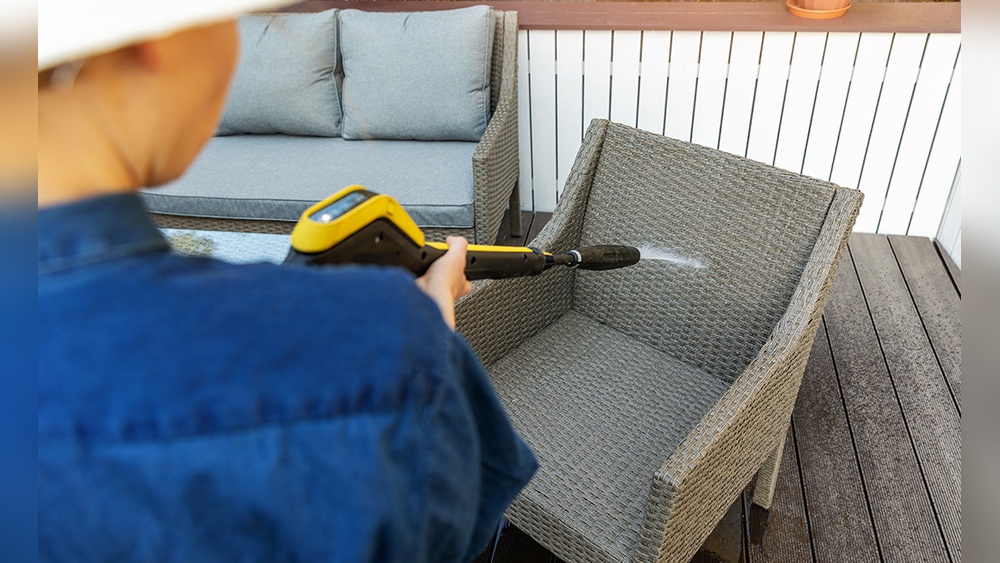
For tight corners, a toothbrush helps reach hidden dirt. A garden hose or spray bottle rinses off soap and debris. Choose tools that fit your furniture’s size and shape for the best results.

Credit: www.furnitureclinic.co.uk
Preparing Your Outdoor Furniture
Preparing your outdoor furniture is an important first step to effective sanitizing. Cleaning the surface properly helps remove dirt and germs. It also protects the furniture material from damage during cleaning.
Start by removing all cushions and accessories. Then clear away dust, leaves, and other debris. These steps make sanitizing easier and more thorough.
Removing Cushions And Accessories
Take off all cushions, pillows, and covers. Place them in a safe, clean area. Check the care labels for washing instructions. Many cushions can be washed or wiped down separately. Removing accessories allows you to clean every part of the furniture.
Clearing Dirt And Debris
Brush off loose dirt and dust with a soft broom or cloth. Use a handheld vacuum for tight spaces. Remove leaves, twigs, and other debris from corners. This step prevents grime from mixing with cleaning solutions. Clean surfaces allow sanitizers to work better and last longer.
Step-by-step Cleaning Process
Cleaning outdoor furniture is important for a fresh and safe space. Follow the step-by-step process to sanitize every part. This helps remove dirt, germs, and allergens. Clean furniture lasts longer and looks better. Let’s begin with the basics.
Washing Frames And Surfaces
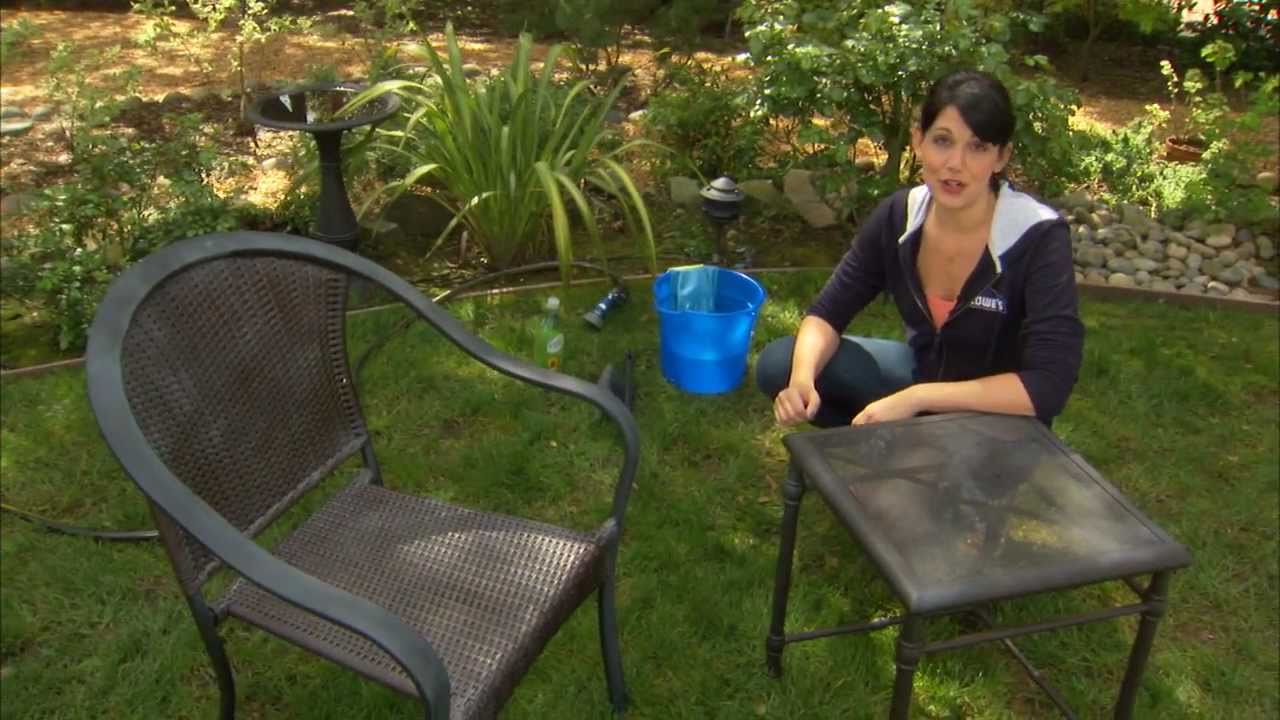
Start by removing loose dirt with a soft brush or cloth. Mix warm water and mild detergent in a bucket. Use a sponge or cloth to scrub all frames and surfaces gently. Focus on corners and joints where dirt hides. Rinse thoroughly with clean water to remove soap. Dry the furniture with a clean towel or air dry in sunlight.
Cleaning Cushions And Fabrics
Check the care label on cushions before cleaning. Vacuum cushions to remove dust and debris. Spot clean stains with a mixture of water and mild soap. Use a soft brush for tough stains but be gentle. Rinse with clean water and squeeze out excess moisture carefully. Air dry cushions fully under sunlight to prevent mold growth.
Sanitizing Techniques
Sanitizing outdoor furniture keeps it clean and safe for use. Dirt, pollen, and germs can build up quickly. Using the right techniques helps remove harmful bacteria and viruses. Choose methods that suit your furniture material. Some methods are quick and strong, others gentle and natural. Knowing how to sanitize properly protects your health and furniture.
Using Disinfectants Safely
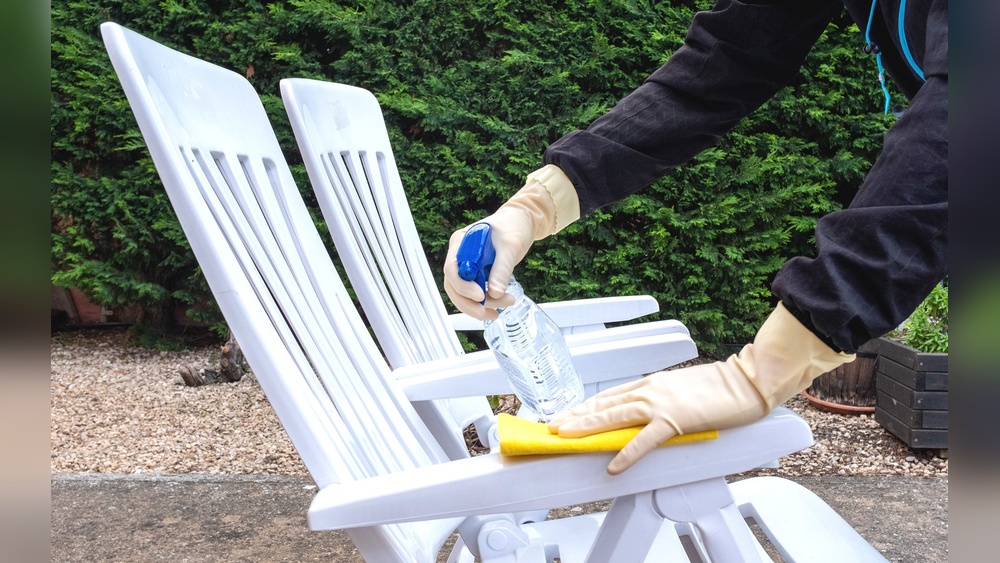
Disinfectants kill germs on outdoor furniture fast. Use products labeled for outdoor use. Read instructions before applying. Wear gloves to protect your skin. Avoid mixing different disinfectants to prevent harmful fumes. Spray or wipe the surface evenly. Let the disinfectant sit for the time stated on the label. Rinse off any residue with clean water. Allow furniture to dry completely before use. Test disinfectants on a small area first to avoid damage.
Natural Sanitizing Alternatives
Natural options clean and sanitize without harsh chemicals. Mix equal parts water and white vinegar in a spray bottle. Spray on furniture and wipe with a soft cloth. Lemon juice also kills germs and leaves a fresh scent. Baking soda mixed with water creates a gentle scrub for tough dirt. Sunlight helps kill bacteria naturally. Place furniture in direct sunlight for several hours. These methods are safe for most materials and eco-friendly.
Drying And Maintenance Tips
Proper drying and regular maintenance keep outdoor furniture clean and long-lasting. Moisture left on furniture can cause damage and stains. Quick drying prevents rust, cracks, and fading. Regular care preserves the furniture’s look and function.
Proper Drying Methods
Wipe furniture with a dry cloth after washing. Use a soft towel to absorb water from all surfaces. Leave furniture in a sunny spot to air dry. Avoid placing wet furniture under shade; it dries slower there. For cushions, remove covers and let them dry separately.
Preventing Mold And Mildew
Keep furniture dry to stop mold and mildew growth. Store cushions and covers indoors when not in use. Use covers that allow air to flow under the furniture. Clean any mold spots quickly with mild soap and water. Regularly check hidden areas for dampness or mold signs.
Credit: www.youtube.com
Seasonal Care For Longevity
Taking care of outdoor furniture throughout the year keeps it safe and looking good. Seasonal care helps protect furniture from weather damage and dirt buildup. This care extends the life of your pieces and keeps them comfortable to use.
Simple steps each season prevent wear and tear. Cleaning and protecting furniture prepares it for changes in weather. This routine saves money by avoiding early replacements.
Winterizing Outdoor Furniture
Prepare your furniture before cold months arrive. Clean all surfaces to remove dirt and grime. Dry everything completely to stop mold and mildew. Cover furniture with waterproof covers to shield from snow and rain. Store cushions and fabric indoors where possible. For wood furniture, apply a protective sealant to avoid cracking. Plastic and metal pieces benefit from a light coat of oil to prevent rust.
Regular Cleaning Schedule
Set a weekly or bi-weekly cleaning routine. Use mild soap and water to wash surfaces. Avoid harsh chemicals that can damage finishes. Rinse well to remove soap residue. Dry furniture with a soft cloth to prevent water spots. Check for loose screws or broken parts during cleaning. Fix small issues early to keep furniture safe and sturdy. Regular cleaning helps spot problems before they grow.
Frequently Asked Questions
How Often Should I Sanitize Outdoor Furniture?
Sanitize outdoor furniture at least once a month. Increase frequency during high use or after rain. Regular cleaning prevents bacteria and mold buildup, ensuring a healthy environment.
What Are The Best Cleaning Products For Outdoor Furniture?
Use mild soap, water, and disinfectants safe for the furniture material. Avoid harsh chemicals that can damage surfaces. Always test products on a small area first.
Can I Use Bleach To Sanitize Outdoor Furniture?
Diluted bleach solutions can sanitize plastic and metal furniture. Avoid bleach on wood or fabric as it may cause damage or discoloration. Rinse thoroughly after application.
How Do I Sanitize Fabric Cushions On Outdoor Furniture?
Remove cushions and spot-clean with mild detergent. Use fabric-safe disinfectant sprays and allow cushions to dry completely in sunlight to kill germs and prevent mildew.
Conclusion
Sanitizing outdoor furniture keeps it safe and looking great. Regular cleaning removes dirt, germs, and allergens easily. Use mild soap and water for most materials. Avoid harsh chemicals that can damage surfaces. Dry furniture well to prevent mold and mildew.
Clean cushions and fabrics according to care labels. A clean outdoor space invites relaxation and fun. Simple steps make your furniture last longer. Enjoy fresh, healthy outdoor seating all season. Keep these tips in mind for easy maintenance. Your outdoor furniture will thank you.