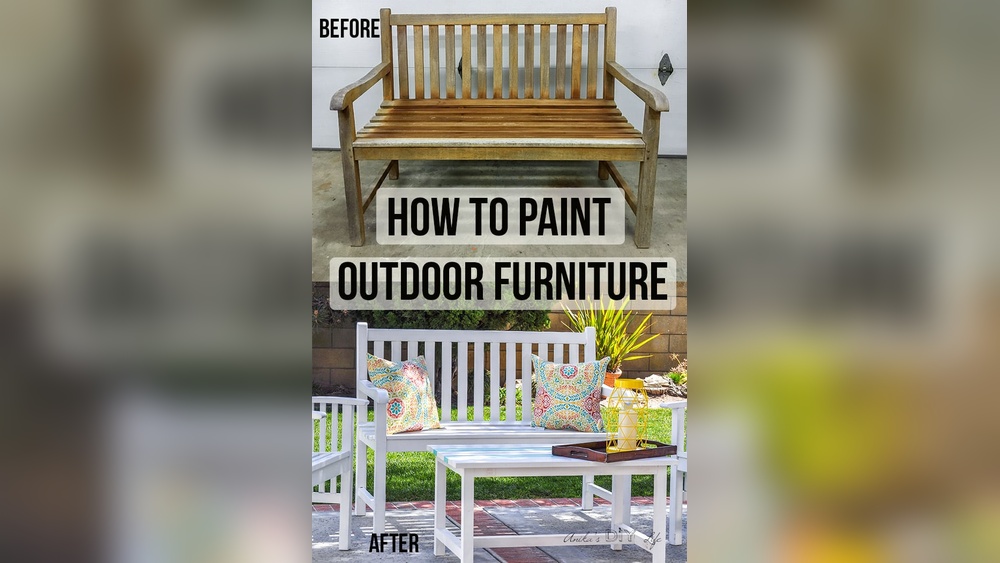
Choosing outdoor furniture that stands the test of time can be tricky. You want pieces that not only look great but also survive rain, sun, and wind without falling apart.
Imagine setting up your patio once and enjoying it for years without constant repairs or replacements. What if you knew exactly which materials last longest outdoors? This guide will help you make smart choices, so your outdoor space stays beautiful and sturdy season after season.
Keep reading to discover the best materials for outdoor furniture that truly last.

Credit: www.goodlifeconstruction.com
Top Durable Materials
Choosing the right material for outdoor furniture matters a lot. It affects how long your furniture lasts under sun, rain, and wind. Some materials resist weather better than others. This section highlights the top durable materials that keep your outdoor space looking great for years.
Teak Wood
Teak wood is famous for its natural oils. These oils protect the wood from water and pests. It does not crack or warp easily. Teak ages beautifully, turning a soft silver-gray color. It requires little maintenance to stay strong. Many people prefer teak for its classic look and long life.
Aluminum
Aluminum furniture is light but very strong. It will not rust or corrode. This metal handles outdoor conditions well. Aluminum pieces are easy to move around the yard. They usually have a powder-coated finish for extra protection. This makes aluminum a popular choice for outdoor use.
Synthetic Wicker
Synthetic wicker looks like natural rattan but lasts longer. It is made from plastic fibers woven tightly. This material resists moisture, fading, and cracking. Synthetic wicker is easy to clean with soap and water. It offers a stylish look without the fragility of natural wicker.
Steel And Stainless Steel
Steel is very strong and durable. Stainless steel adds a layer of protection against rust. These metals can handle heavy use and weight. They are perfect for modern outdoor furniture designs. Steel needs a coating to prevent corrosion in wet areas. With care, steel furniture can last for decades.
Plastic And Resin
Plastic and resin furniture is affordable and weather-resistant. These materials do not absorb water or fade quickly. They are lightweight and easy to clean. Resin furniture often mimics wood or wicker looks. It offers good durability for casual outdoor settings.

Credit: www.castlery.com
Factors Affecting Longevity
Choosing outdoor furniture that lasts long depends on several key factors. These factors affect how well materials hold up against outdoor elements. Understanding these points helps select durable and lasting furniture.
Weather Resistance
Outdoor furniture faces rain, snow, wind, and heat. Materials that resist these conditions last longer. Some woods, like teak, have natural oils that repel water. Metals like aluminum stand strong against moisture. Plastic furniture can fade but often resists water well. Weather resistance reduces wear and damage over time.
Maintenance Needs
Furniture that needs less care often lasts longer. Some materials require regular cleaning and sealing. Others stay good with occasional wiping. Wood usually needs more care to avoid cracking and warping. Metals need rust checks and repainting sometimes. Choosing low-maintenance materials saves time and keeps furniture in good shape.
Uv Protection
Sunlight can weaken furniture materials. UV rays cause fading, cracking, and brittleness. Some plastics and fabrics include UV protectants. Woods like eucalyptus darken but stay strong. Metal finishes can wear off without protection. Furniture with UV resistance holds color and strength longer.
Rust And Corrosion Resistance
Rust damages metal furniture quickly. Stainless steel and aluminum resist rust well. Iron furniture needs coatings to prevent corrosion. Salt air near oceans speeds up rusting. Proper rust resistance keeps metal furniture safe and solid for years.
Comparing Material Strength
Choosing outdoor furniture means thinking about material strength. Strong materials hold up better outside. They resist weather and daily use. This helps furniture last longer. Comparing materials shows which ones stand firm over time.
Weight And Stability
Heavy materials stay put during wind or rain. Metals like steel and wrought iron offer strong weight. They keep furniture steady. Lighter materials like plastic may move or tip easily. Stability matters for safety and comfort outdoors.
Impact Resistance
Furniture outdoors faces knocks and bumps. Materials like aluminum resist dents and scratches well. Wood can crack or chip after impacts. Synthetic wicker offers some give but can break under pressure. Good impact resistance means less damage.
Flexibility And Wear
Some materials bend without breaking. Plastic and resin can flex under pressure. Wood and metal are less flexible but wear differently. Wood may fade or rot. Metal can rust without care. Flexibility helps furniture handle stress and last longer.
Maintenance Tips For Each Material
Outdoor furniture lasts longer with the right care. Each material needs special attention. Following simple maintenance tips keeps your furniture looking new. It also protects your investment from weather damage.
Cleaning Techniques
Wood furniture needs gentle cleaning. Use mild soap and water with a soft cloth. Avoid harsh chemicals that can damage the finish.
Metal furniture cleans well with a mixture of water and vinegar. Wipe rust spots gently with a brush.
Plastic and resin furniture only require soap and water. Rinse thoroughly to remove dirt and grime.
Seasonal Care
Cover wood furniture during winter. Moisture can cause cracking and warping.
Metal furniture should be stored indoors or under covers. This prevents rust from forming.
Plastic furniture handles all seasons well but clean it before storage. This stops mold and stains.
Protective Treatments
Apply wood sealant annually. This keeps moisture out and preserves color.
Use rust-resistant paint or spray on metal furniture. This adds a strong protective layer.
Plastic furniture benefits from UV protectant sprays. These prevent fading and brittleness.
Cost Vs. Durability
Choosing outdoor furniture means balancing cost and durability. You want pieces that last but fit your budget. Some materials cost more but stay strong longer. Others are cheaper but may need repair or replacement sooner. Understanding this balance helps you make smart choices. Let’s explore how cost compares to durability in outdoor furniture.
Initial Investment
Some outdoor furniture costs more upfront. Teak and metal pieces often have higher prices. Their strong build resists weather damage. On the other hand, plastic or cheaper woods cost less to buy. These options might look nice at first but may not last as long. Paying more at the start can mean better quality and longer use.
Long-term Value
Durability adds value over time. Furniture that lasts many years saves money in the long run. Materials like aluminum and wrought iron resist rust and wear well. Teak wood holds up against rain and sun. Cheaper materials may break or fade faster. Spending more now often means fewer replacements later.
Repair And Replacement Costs
Cheaper furniture may need repairs more often. Fixing broken parts or repainting can add up. Some materials are easier to repair than others. Metal frames can be welded; wood may need sanding or sealing. Frequent repairs reduce the savings from a low price. Durable materials cut down on these extra costs.
Eco-friendly Durable Choices
Choosing outdoor furniture means thinking about the environment and durability. Eco-friendly materials can last for years without harming nature. These choices often resist weather and wear well. They bring a natural look and feel to outdoor spaces. Here are some of the best eco-friendly and durable options for outdoor furniture.
Sustainable Wood Options
Wood is a classic choice for outdoor furniture. Some woods grow fast and are easy to replace. Teak, cedar, and eucalyptus are popular because they resist rot and insects. Look for wood certified by organizations like FSC. This certification means the wood comes from well-managed forests. Sustainable wood lasts long and ages beautifully outdoors.
Recycled Materials
Recycled materials help reduce waste. Furniture made from recycled plastic or metal is very strong. These materials do not need cutting down trees. Recycled plastic lumber looks like wood but lasts longer. It does not crack or fade easily. Recycled metal frames resist rust when coated properly. These options require less maintenance and protect the planet.
Low-impact Finishes
Finishes protect outdoor furniture from sun and rain. Choose finishes with low chemicals and toxins. Water-based stains and oils are safer for the environment. They keep the furniture looking fresh and natural. Low-impact finishes allow the wood to breathe. This reduces cracking and peeling over time. They help furniture stay durable without harming nature.
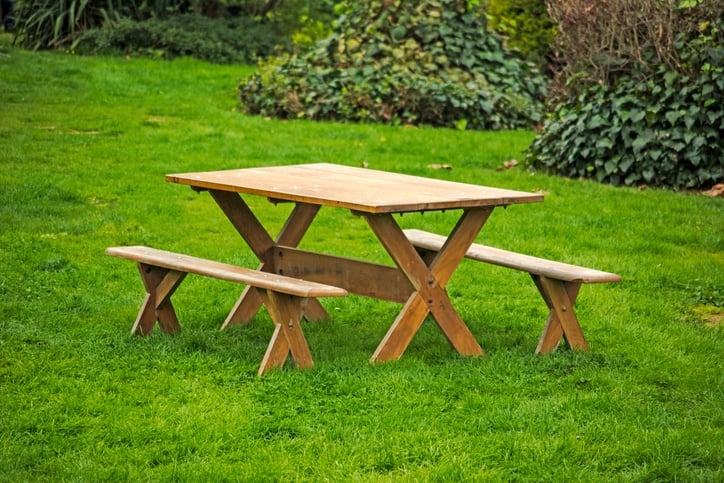
Credit: srpsiteamenities.com
Frequently Asked Questions
What Outdoor Furniture Material Lasts The Longest?
Teak wood is the longest-lasting outdoor furniture material. It naturally resists rot, insects, and weather damage. Proper maintenance can extend its lifespan even further.
Is Metal Outdoor Furniture Durable For All Weather?
Yes, powder-coated aluminum or stainless steel furniture resists rust and corrosion. These metals withstand rain, sun, and wind well, making them highly durable for outdoor use.
How Does Synthetic Wicker Compare In Durability?
Synthetic wicker is weather-resistant and UV-protected. It doesn’t fade, crack, or peel easily. This makes it a durable and low-maintenance choice for outdoor furniture.
Does Plastic Outdoor Furniture Last Long?
High-quality resin or plastic furniture can last several years. It resists moisture and sun damage but may fade or crack over time under harsh conditions.
Conclusion
Choosing outdoor furniture made from durable materials means less worry and more enjoyment. Metal, teak, and high-quality synthetic options often last the longest outside. They resist weather, moisture, and wear better than others. Regular care helps extend their life even more.
Invest in materials that suit your climate and style. This way, your outdoor space stays beautiful and functional for years. Durable furniture pays off in comfort and savings over time. A smart choice for any outdoor area.