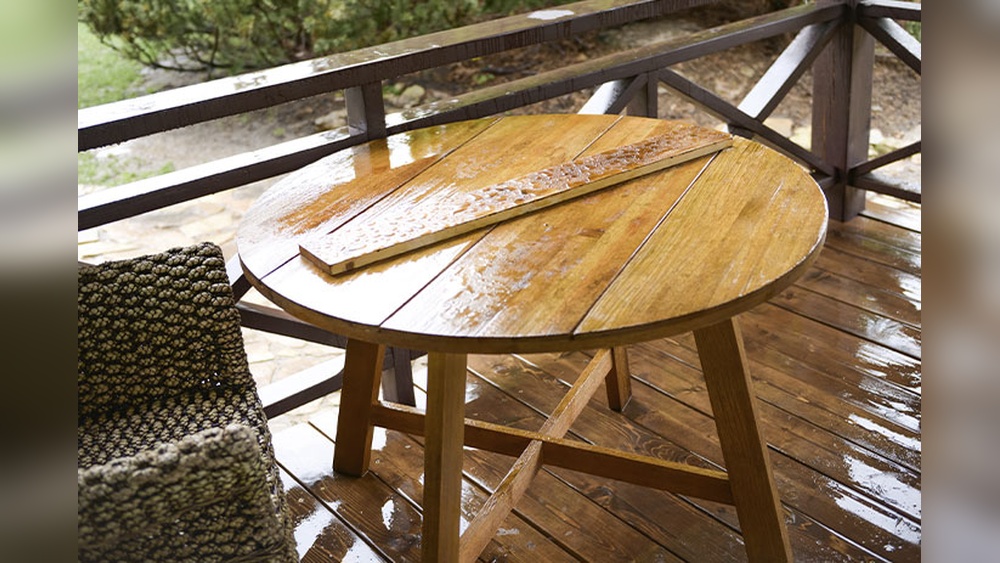
Are you wondering if shellac is the right finish for your outdoor furniture? You want your pieces to look great and stay protected, but choosing the right coating can be confusing.
Shellac is popular for indoor use, but can it handle the elements outside? You’ll discover the truth about using shellac on outdoor furniture, what to expect, and the best alternatives to keep your furniture looking fresh season after season. Keep reading to make the best choice for your outdoor space.
Shellac Basics
Shellac is a natural finish used in woodworking and furniture making. It creates a smooth, shiny surface. People often use it to protect and beautify wood. Understanding shellac helps decide if it suits outdoor furniture.
This section explains what shellac is, how it is made, and its common uses.
What Is Shellac?
Shellac is a resin secreted by the lac bug. It is collected from tree branches where the bugs live. After collection, it is processed into flakes or liquid form. Shellac dries quickly and forms a hard, glossy coat. It is not waterproof but offers some moisture resistance.
How Shellac Is Made
Workers scrape lac resin from trees. The resin is cleaned to remove impurities. Next, the resin is crushed into small flakes. These flakes dissolve in alcohol to make liquid shellac. This liquid is ready to apply with a brush or cloth. The process is natural and eco-friendly.
Common Uses Of Shellac
Shellac is popular in finishing wood furniture and musical instruments. It enhances the wood’s natural color and grain. Artists use shellac as a sealant for paintings. It also acts as a food-safe coating for candies and pills. Shellac works best indoors because it lacks strong water resistance.
Shellac And Outdoor Use
Shellac is a natural finish made from resin secreted by insects. It gives wood a smooth, glossy look. Many people wonder if shellac works well on outdoor furniture. Understanding its properties helps decide if it suits your outdoor needs.
Shellac has been popular for indoor wood finishes. Using it outside means facing sun, rain, and changing temperatures. These elements test shellac’s strength and protection. Let’s explore how shellac performs outdoors.
Durability Of Shellac Outside
Shellac is not very durable in outdoor conditions. It wears down quickly under heavy use. It can peel or crack when exposed to rough weather. This finish suits indoor furniture better than outdoor pieces. Frequent reapplication is needed if used outside.
Weather Resistance Factors
Shellac does not resist water well. Rain and humidity cause it to soften and degrade. It lacks strong protection against mold and mildew. Temperature changes make shellac brittle over time. These factors reduce its lifespan on outdoor furniture.
Effects Of Sun And Moisture
Sunlight breaks down shellac’s finish fast. Ultraviolet rays cause fading and discoloration. Moisture seeps through thin shellac layers. This leads to wood swelling and damage beneath. Shellac alone cannot protect wood from outdoor elements effectively.
Comparing Finishes For Outdoor Furniture
Choosing the right finish for outdoor furniture is important. It protects the wood and keeps furniture looking good. Different finishes offer different benefits and drawbacks. Comparing these finishes helps pick the best one for your needs.
Some finishes protect better against water. Others handle sun damage well. Some are easy to apply, while others last longer. Let’s compare shellac with common outdoor finishes.
Shellac Vs. Varnish
Shellac is a natural resin that dries quickly. It gives wood a warm, rich look. But it does not resist water well. Varnish is tougher and protects better from moisture. It forms a hard, durable layer. Varnish also handles sunlight better than shellac. For outdoor use, varnish often lasts longer.
Shellac Vs. Polyurethane
Polyurethane is a plastic-based finish. It creates a strong, waterproof seal. It protects wood from scratches and UV rays. Shellac, by contrast, is softer and less resistant. Polyurethane also lasts longer outside. It can be glossy or satin. Shellac can peel or wear off faster outdoors.
Shellac Vs. Oil Finishes
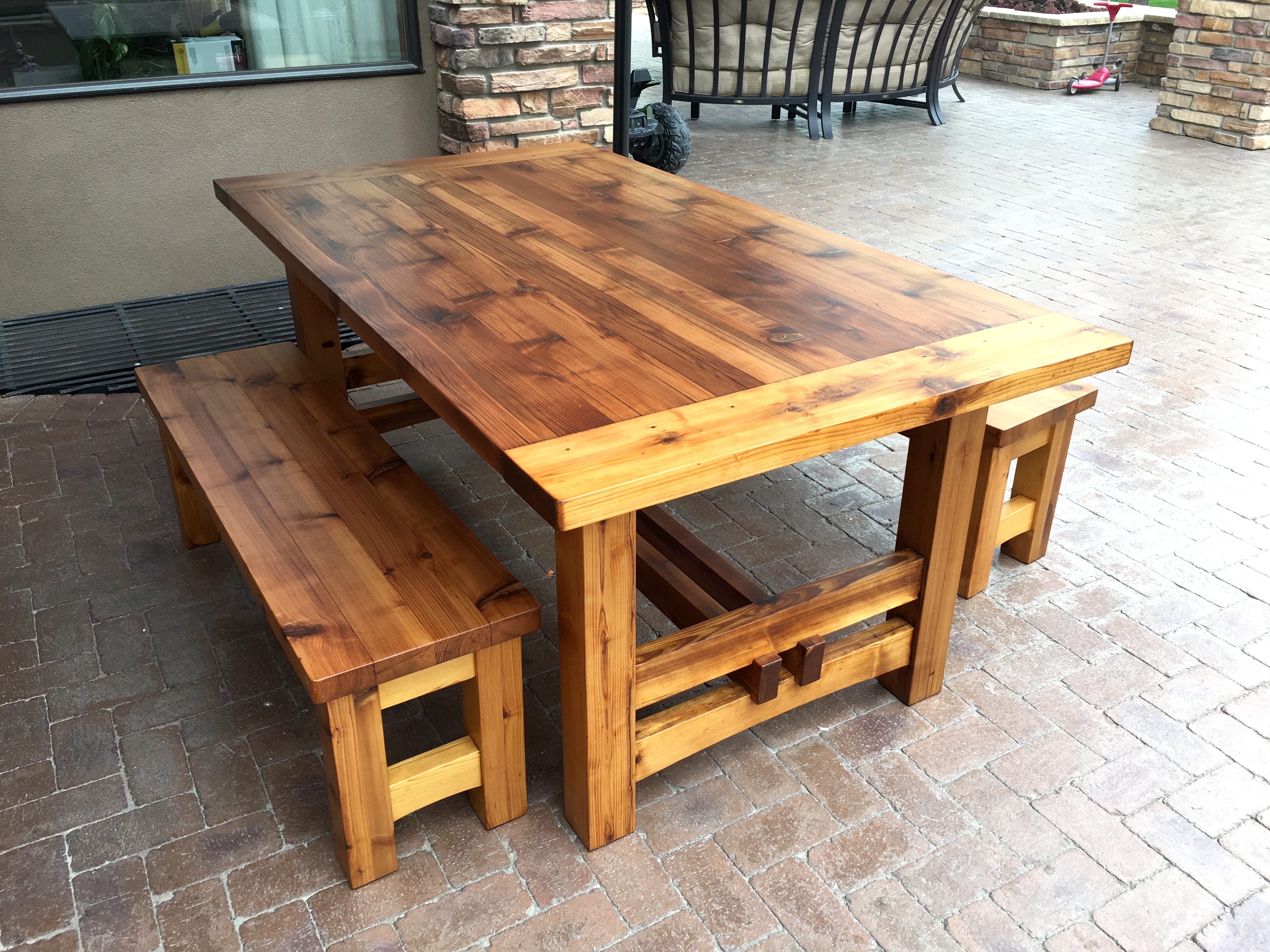
Oil finishes soak into the wood. They bring out natural grain and color. Oils like teak or linseed protect wood gently. They need regular reapplication to stay effective. Shellac sits on the surface and can peel in weather. Oil finishes allow wood to breathe and handle changes better.
Credit: thewoodwhisperer.com
Preparing Furniture For Shellac
Preparing outdoor furniture for shellac is crucial for a smooth finish. Proper preparation helps the shellac stick well and last longer. This process involves cleaning, sanding, and picking the right shellac type. Each step improves the furniture’s look and durability.
Surface Cleaning Tips
Start by removing dirt and dust from the furniture surface. Use a soft brush or cloth to clean loose debris. For sticky spots, apply mild soap with water. Rinse well and let the furniture dry completely. Clean surfaces allow shellac to bond better.
Sanding And Smoothing
Sand the furniture to create a smooth base. Use fine-grit sandpaper for best results. Sand in the direction of the wood grain. Remove dust with a tack cloth after sanding. Smooth surfaces help shellac apply evenly and reduce bumps.
Choosing The Right Shellac Type
Select shellac designed for outdoor use or with good moisture resistance. Natural shellac may not protect well against weather. Look for shellac with added durability for outdoor furniture. The right shellac keeps furniture safe and looking fresh longer.
Applying Shellac Outdoors
Applying shellac on outdoor furniture can add a smooth, glossy finish. It also offers some protection against moisture and dirt. This finish works best on pieces kept in covered areas. Proper application is key to achieving a good result. Follow simple steps and use the right tools for the job.
Tools Needed
- Fine-grit sandpaper (220 grit)
- Clean, lint-free cloths
- High-quality natural bristle brush or foam brush
- Shellac flakes or pre-mixed shellac
- Denatured alcohol for thinning and cleanup
- Gloves to protect your hands
- Drop cloth or old newspapers to protect your workspace
Step-by-step Application
- Sand the furniture surface lightly to smooth rough spots.
- Wipe away dust with a clean cloth.
- Mix shellac flakes with denatured alcohol if using flakes.
- Use a brush to apply a thin, even coat of shellac.
- Let the first coat dry completely before applying the next.
- Apply 2 to 3 coats for better protection and shine.
- Sand lightly between coats for a smooth finish.
- Wipe off dust before each new coat.
Drying And Curing Time
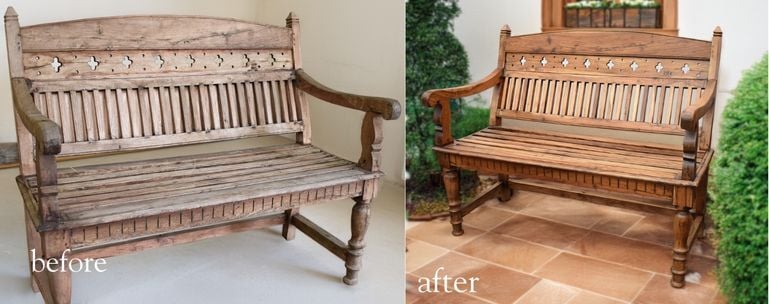
Shellac dries quickly, usually within 30 minutes to an hour. Avoid touching the surface during this time. Full curing takes about 24 to 48 hours. Keep the furniture in a dry, well-ventilated area. Avoid direct sunlight and rain while curing. Proper curing ensures durability and a lasting finish.
Credit: mumfordrestoration.com
Maintaining Shellac Finish Outside
Maintaining a shellac finish on outdoor furniture takes effort. Shellac can wear down from sun, rain, and dirt. Proper care keeps the wood looking fresh and protects it from damage. Follow simple steps to clean, touch up, and know when to reapply shellac.
Cleaning Tips
Clean the surface gently to avoid damage. Use a soft cloth or sponge with mild soap and water. Avoid harsh chemicals or scrubbing pads. Rinse with clean water and dry immediately. Regular cleaning prevents dirt buildup and keeps the shellac shiny.
Touch-up Techniques
Small scratches or dull spots need quick attention. Lightly sand the area with fine-grit sandpaper. Apply a thin layer of shellac with a brush or cloth. Let it dry completely before using the furniture. This restores the smooth finish and protects the wood.
When To Reapply Shellac
Watch for signs like peeling, cracking, or fading. These mean the shellac is wearing off. Reapply shellac every 6 to 12 months for best protection. Clean the furniture first, then apply shellac evenly. Regular reapplication keeps your outdoor furniture safe and attractive.
Alternatives For Outdoor Protection
Shellac is not the best choice for outdoor furniture. It breaks down quickly under sun and rain. Other finishes protect wood longer and keep furniture looking nice. These options help wood resist water, sun damage, and wear. Choose the right one based on your needs and environment.
Waterproof Sealers
Waterproof sealers create a strong barrier against moisture. They stop water from soaking into the wood. This prevents swelling, cracking, and rotting. Many sealers dry clear and keep the natural wood look. Apply every year for best protection. Great for rainy or humid places.
Uv Resistant Coatings
UV resistant coatings block harmful sunlight. They stop wood from fading and turning gray. These coatings keep outdoor furniture looking fresh longer. Some come tinted to add color and hide imperfections. Reapply every season to maintain strong UV defense.
Eco-friendly Options
Eco-friendly finishes use natural oils and waxes. They are safe for people and the environment. These options nourish wood while protecting it from water and sun. They need more frequent application but improve wood’s natural beauty. Perfect for eco-conscious gardeners and families.

Credit: www.interiorhomescapes.com
Common Mistakes To Avoid
Using shellac on outdoor furniture can bring a beautiful shine and protection. Still, many make simple mistakes that ruin the finish or reduce durability. Avoid these common errors to get the best results and protect your furniture well.
Understanding what to avoid helps you work smarter and keep your pieces looking great longer. Here are key mistakes to watch out for when applying shellac outdoors.
Applying In Humid Conditions
Shellac does not dry well in humid weather. Moist air slows the drying process and can cause a sticky finish. This makes the surface uneven and weak. Choose a dry day with low humidity to apply shellac for smooth results.
Skipping Surface Prep
Not cleaning or sanding the furniture before applying shellac leads to poor adhesion. Dust, dirt, or old finishes block shellac from sticking properly. Always clean the surface and sand it lightly. This step helps the shellac bond better and last longer.
Using Shellac Alone Outside
Shellac is not very resistant to water and sunlight. Using it alone outside can cause peeling and fading. Use a weatherproof topcoat over the shellac to protect the wood. This extra layer increases durability and keeps furniture safe from elements.
Frequently Asked Questions
Can Shellac Protect Outdoor Furniture From Weather?
Shellac offers minimal weather protection. It is not waterproof or UV resistant. For outdoor use, consider marine varnish or spar urethane instead.
Is Shellac Suitable For Outdoor Wood Furniture?
Shellac is not ideal for outdoor wood furniture. It deteriorates quickly when exposed to moisture and sunlight. Use exterior-grade finishes for better durability.
How Long Does Shellac Last On Outdoor Furniture?
Shellac lasts only a few weeks outdoors. Exposure to rain, humidity, and sun breaks it down fast. Reapplication is needed frequently if used outside.
Can You Apply Shellac Over Outdoor Paint?
Applying shellac over outdoor paint is not recommended. Paint provides better weather protection, and shellac may cause adhesion problems or peeling.
Conclusion
Shellac can protect outdoor furniture but has limits. It dries fast and looks nice. Yet, shellac may not resist rain and sun well. For longer life, consider other sealants made for outdoors. Regular care helps furniture stay strong and good-looking.
Choose finishes that fit your climate and use. This way, your outdoor furniture stays beautiful longer. Always test products on a small area first. That saves time and keeps your furniture safe.