Are you thinking about adding cast iron furniture to your outdoor space but worried about rust? You’re not alone.
Many people love the classic look and sturdy feel of cast iron, but the fear of rust can hold them back. What if your beautiful furniture starts to look old and worn just months after you buy it? You’ll discover the truth about cast iron outdoor furniture and rust.
You’ll learn how to protect your investment and keep your pieces looking great for years to come. Keep reading—your perfect outdoor setup might be easier to achieve than you think.

Credit: www.amazon.com
Rust And Cast Iron Basics
Cast iron is a strong and heavy material used for outdoor furniture. It looks classic and lasts a long time. But cast iron can rust when exposed to the outdoors. Understanding rust and cast iron helps you care for your furniture better.
Rust forms from a chemical reaction between iron, water, and oxygen. This reaction creates reddish-brown flakes that weaken metal. Cast iron has iron, so it can rust like other metals. Knowing why cast iron rusts helps you protect it well.
Why Cast Iron Rusts Outdoors
Cast iron rusts outdoors because of moisture and air. Rain, dew, and humidity cause water to sit on the metal. Oxygen from the air reacts with the iron in cast iron. This reaction breaks down the metal and causes rust.
Outdoor conditions like rain and snow speed up rusting. Salt from the air in coastal areas also increases rust risk. Without a protective coating, cast iron rusts faster outside. Regular care is needed to stop rust from spreading.
Common Signs Of Rust
Rust often shows as reddish or brown patches on cast iron. These spots may feel rough or flaky to the touch. Rust can make the metal look dull and uneven. If ignored, rust can cause cracks and holes in the furniture.
Early signs include small spots or discoloration. Check your furniture regularly for these marks. Catching rust early means you can clean and protect the metal easily. Watch for changes in color and texture on the surface.

Credit: www.hiatt-hardware.com
Factors That Accelerate Rusting
Cast iron outdoor furniture can develop rust over time. Several factors speed up this rusting process. Understanding these helps protect your furniture and keep it looking good longer.
Weather And Moisture Impact
Rain, snow, and humidity cause moisture to stay on cast iron surfaces. Water reacts with iron, leading to rust. Areas with frequent rain or damp air face faster rusting. Even dew and morning fog add moisture to the metal.
Salt And Pollutants Effects
Salt in the air, especially near the sea, speeds up rust. Salt helps water break down iron quickly. Pollutants like dust and chemicals also harm the metal. These particles trap moisture and make rust form faster.
Lack Of Protective Coating
Cast iron needs a coating to stay safe from rust. Paint or sealants block water and air from touching the metal. Without this layer, cast iron is open to damage. Scratches or peeling coatings let rust start easily.
Preventing Rust On Cast Iron Furniture
Cast iron outdoor furniture can last many years with proper care. Rust is the main problem that can damage its look and strength. Preventing rust helps keep the furniture safe and looking good.
Rust forms when water and air touch the metal surface. This causes the metal to break down over time. Taking simple steps can stop rust from starting or spreading.
Choosing Quality Paints And Sealants
Use paints and sealants made for metal outdoors. These protect the furniture from rain and moisture. Look for rust-resistant or anti-corrosion labels on the products. Apply paint evenly and cover all spots. Sealants add an extra layer to block water. This makes the furniture last longer.
Regular Cleaning Techniques
Clean the furniture often to remove dirt and moisture. Use a soft brush or cloth with mild soap and water. Avoid harsh chemicals that can damage the paint. Dry the furniture well after washing. This stops water from sitting on the metal surface. Regular cleaning also helps spot early rust and fix it fast.
Proper Storage Tips
Store cast iron furniture in a dry place during bad weather. Cover it with waterproof covers to keep rain away. Keep furniture off wet ground to avoid moisture build-up. Move pieces indoors or to a shed during winter. Proper storage reduces rust risk and keeps furniture strong.
Diy Rust Removal Methods
Rust can damage cast iron outdoor furniture. Removing rust yourself saves money and keeps your furniture looking great. Simple tools and household items often do the job well. Here are some easy ways to clean rust off your cast iron furniture.
Using Vinegar And Baking Soda
Vinegar is acidic and breaks down rust. Soak a cloth in white vinegar and apply it to the rusty areas. Let it sit for a few hours. Then, sprinkle baking soda on the rust. It reacts with vinegar and helps lift rust particles. Scrub gently with a brush or sponge. Rinse with water and dry completely.
Sanding And Scrubbing Tips
Use fine-grit sandpaper to remove rust spots. Sand carefully to avoid scratching the metal. For larger areas, a wire brush can help. Scrub the rust in small circles. Wipe away dust with a damp cloth. Always dry the metal after sanding to stop new rust from forming.
Applying Rust Converters
Rust converters change rust into a protective layer. Apply the converter with a brush on clean, dry rust. Wait for it to dry as the product reacts. This method stops rust and prepares the surface for painting. Follow the instructions on the product label for best results.
Maintenance Routine For Longevity
Maintaining cast iron outdoor furniture helps keep it strong and beautiful for years. A regular care routine prevents rust and damage. Simple steps protect your investment and keep your furniture looking fresh.
Seasonal Inspections
Check your furniture every season for signs of rust or wear. Look closely at joints, legs, and decorative parts. Early spotting of small rust spots stops bigger problems. Clean dirt and debris to avoid moisture buildup. A little attention goes a long way.
Touch-up Painting
Use rust-resistant paint to cover scratches and chips. This paint blocks moisture and prevents rust from forming. Apply paint in thin layers and let it dry fully. Touch-ups keep your furniture looking new and strong. Do this after every inspection if needed.
Protective Cover Usage
Cover your furniture with waterproof covers when not in use. Covers shield from rain, snow, and sun damage. Choose covers that fit well and allow air flow. This stops moisture from trapping and causing rust. Remove covers occasionally to check the furniture underneath.
Alternatives To Cast Iron For Outdoor Use
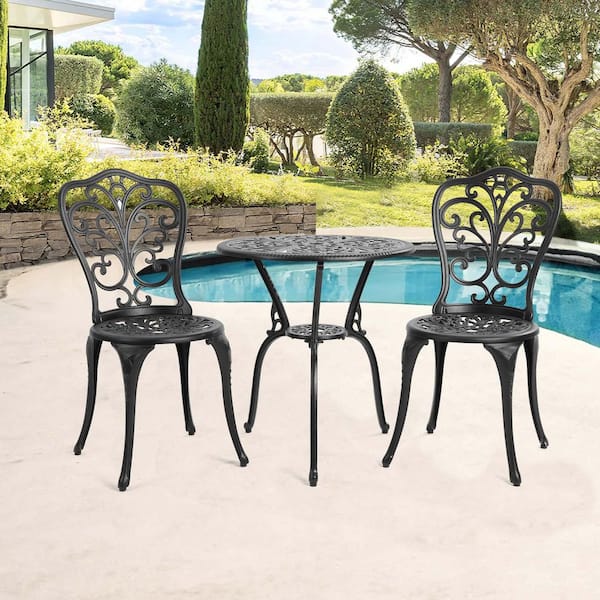
Choosing the right material for outdoor furniture is important. Cast iron is strong but can rust over time. Many people want options that last longer outdoors without much care. Several materials resist rust and handle weather well. These alternatives offer style, durability, and low maintenance.
Rust-resistant Metals
Aluminum is a popular metal for outdoor furniture. It does not rust and feels light to move. Its surface often has a protective coating for extra strength.
Stainless steel is another good choice. It looks modern and can stand rain without damage. This metal needs less cleaning than cast iron.
Wrought iron with a powder coating also resists rust. The coating acts like a shield against water and air. This option keeps the classic iron look but lasts longer outside.
Synthetic And Composite Options
Materials like resin and plastic are common for outdoor use. They do not rust or corrode. These options come in many styles and colors.
Wood-plastic composites blend natural and synthetic parts. They look like wood but resist rot and insects. This material stays strong in all weather.
All these choices reduce worry about rust. They keep outdoor spaces beautiful with less work.
Credit: www.homedepot.com
Frequently Asked Questions
Does Cast Iron Outdoor Furniture Rust Easily?
Yes, cast iron furniture can rust if exposed to moisture and air. Proper sealing and maintenance prevent rust formation and prolong its life.
How To Prevent Rust On Cast Iron Furniture Outdoors?
Apply rust-resistant paint or sealant regularly. Keep furniture dry and clean. Cover or store it during heavy rain or winter for best protection.
Is Rust Removal Possible On Cast Iron Outdoor Furniture?
Yes, rust can be removed using a wire brush or sandpaper. Afterward, apply a rust converter or protective coating to prevent further rusting.
Does Cast Iron Rust Faster Than Other Metals Outdoors?
Cast iron rusts faster than aluminum but slower than untreated steel. Its porous nature requires consistent maintenance to avoid rust in outdoor settings.
Conclusion
Cast iron outdoor furniture can rust if not cared for properly. Regular cleaning helps keep rust away. Applying a protective coating adds extra defense. Covering furniture during rain stops water damage. Rust may still appear over time, but it is manageable.
Taking simple steps extends the life of your furniture. Enjoy its classic look without worrying about rust. Maintenance makes all the difference for lasting use. A little effort keeps cast iron strong and beautiful.