
Are you tired of seeing your outdoor furniture wear down after just one rainy season? You might wonder if painting it could actually protect it from water damage.
The idea sounds simple—add a coat of paint, and your furniture stays safe from rain and moisture. But does painting outdoor furniture really make it waterproof? Before you grab that brush, you need to know the truth about how paint interacts with water and what it takes to keep your furniture looking great year after year.
Keep reading to discover what works, what doesn’t, and how you can truly protect your outdoor pieces.
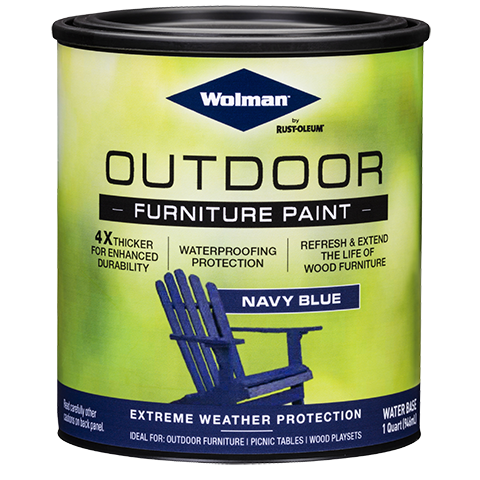
Credit: www.rustoleum.com
How Outdoor Furniture Gets Damaged
Outdoor furniture faces many challenges. Weather changes affect its strength and look. Knowing what harms furniture helps you protect it better.
Water, sun, and temperature shifts all play a role. Each factor causes different kinds of damage. Understanding these can guide your care routine.
Effects Of Moisture And Rain
Water seeps into wood and metal parts. This causes swelling, warping, and rust. Mold and mildew grow in damp spots. Over time, moisture weakens the furniture’s structure.
Paint can block some water, but not all. Cracks and chips let water inside. Constant wetness leads to faster decay and damage.
Impact Of Sun And Uv Rays
Sunlight fades paint and fabric colors. UV rays break down surface materials. Wood dries out and becomes brittle. Plastic and resin may crack or become sticky.
Heat from the sun also weakens joints and glue. Furniture looks old and worn much sooner.
Role Of Temperature Changes
Hot and cold cycles cause materials to expand and shrink. This movement creates cracks and loosens joints. Frozen moisture inside wood or metal causes splits and breaks.
Extreme temperature swings shorten furniture life. Constant changes stress the material’s strength.
Types Of Paint For Outdoor Use
Choosing the right paint is key for protecting outdoor furniture. Different paints offer various levels of protection and durability. Some paints help block water better than others. Understanding the types of paint helps you pick the best one for your furniture.
Latex And Acrylic Paints
Latex and acrylic paints are popular for outdoor furniture. They dry quickly and clean up with water. These paints resist fading from sunlight. They provide a flexible coating that handles weather changes well. These paints can protect wood from moisture but are not fully waterproof.
Oil-based Paints
Oil-based paints create a thick, hard layer on surfaces. They take longer to dry than latex paints. These paints offer better water resistance and durability. They stick well to many surfaces, including metal and wood. Oil-based paints help keep water out but may crack over time.
Specialized Waterproof Paints
Specialized waterproof paints are designed to keep water out completely. These paints often contain sealants or additives that block moisture. They are ideal for areas exposed to heavy rain or humidity. Waterproof paints can extend the life of outdoor furniture. Using these paints ensures stronger protection against water damage.
Painting As A Waterproofing Method
Painting outdoor furniture is a common way to protect it from rain and moisture. The paint acts as a shield, helping to keep water away from the wood or metal. This method can slow down damage caused by weather. Still, painting alone may not stop water fully. Understanding how paint works helps to use it properly and keep furniture safe longer.
How Paint Creates A Barrier
Paint forms a thin layer over the furniture surface. This layer blocks water from entering the material. It seals small holes and cracks where moisture can seep in. The paint also protects against sun damage, which can weaken the furniture. This protective barrier is important to keep the furniture dry and strong.
Limitations Of Paint Alone
Paint may crack or peel over time. This lets water reach the furniture underneath. Rain and humidity can wear down the paint. Damage like scratches or chips can expose the material below. Paint alone cannot fully waterproof furniture. Extra care and protection are often needed to stop water damage.
Importance Of Multiple Coats
Applying several paint layers strengthens the barrier. Each coat adds thickness and coverage. Multiple coats cover weak spots and improve water resistance. They also help paint last longer against weather changes. For best results, wait for each coat to dry before adding the next. This method helps outdoor furniture resist water better.
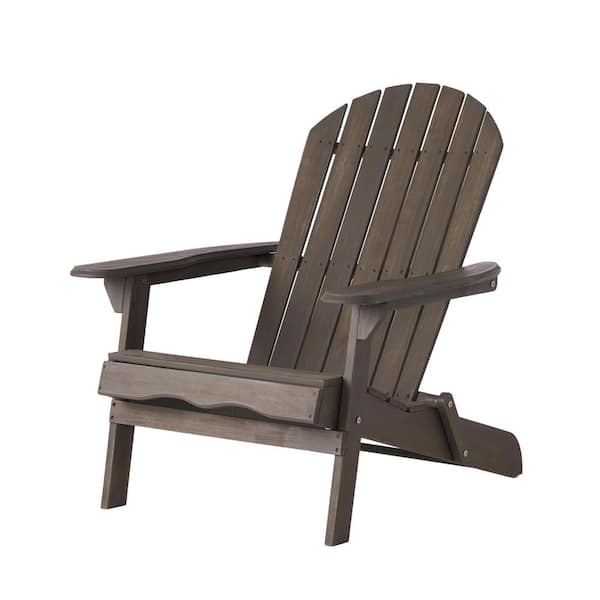
Credit: www.homedepot.com
Additional Waterproofing Techniques
Painting outdoor furniture adds color and some protection. Still, paint alone does not fully stop water from damaging wood or metal. Extra steps help keep furniture dry and last longer in rain or snow. These extra methods create a stronger barrier against water.
Applying Sealants And Varnishes
Sealants and varnishes form a clear, tough layer over paint. This layer blocks water from soaking in. Use a brush or spray to apply sealants evenly. Let each coat dry before adding another. Sealants also protect against sun damage and wear. This method works well on wood furniture.
Using Waterproof Sprays
Waterproof sprays are easy to use and quick to dry. Spray a thin coat over painted surfaces to repel water. These sprays fill tiny cracks and pores in the furniture. They work on wood, metal, and plastic. Repeat spraying every year for best results. Sprays add an invisible shield that stops water.
Combining Paint With Protective Coatings
Painting furniture first and then adding protective coatings boosts durability. Paint gives color and some protection. Protective coatings add strong water resistance. Use outdoor paint designed for weather exposure. Follow with a clear waterproof coating. This combo guards against moisture, rust, and fading. It is ideal for all outdoor furniture types.
Maintenance Tips For Painted Outdoor Furniture
Maintaining painted outdoor furniture helps it last longer and look better. Paint adds a layer of protection, but regular care keeps furniture strong. Simple steps can prevent damage from weather and daily use. Follow these tips to keep your painted furniture fresh and durable.
Regular Cleaning Practices
Clean your furniture gently to avoid paint damage. Use a soft cloth or brush with mild soap and water. Rinse well and dry completely. Avoid harsh chemicals that can wear away paint. Clean dirt and dust often to stop buildup.
Touching Up Paint Chips
Small chips appear with time on outdoor furniture. Fix them quickly to stop rust or wood damage. Lightly sand the chipped area before repainting. Use matching paint for a smooth finish. Let it dry fully before use.
Seasonal Protection Strategies
Protect painted furniture from harsh weather changes. Cover it during heavy rain or snow. Move lightweight pieces indoors in winter. Apply a fresh coat of paint or sealant yearly. This keeps moisture out and color bright.
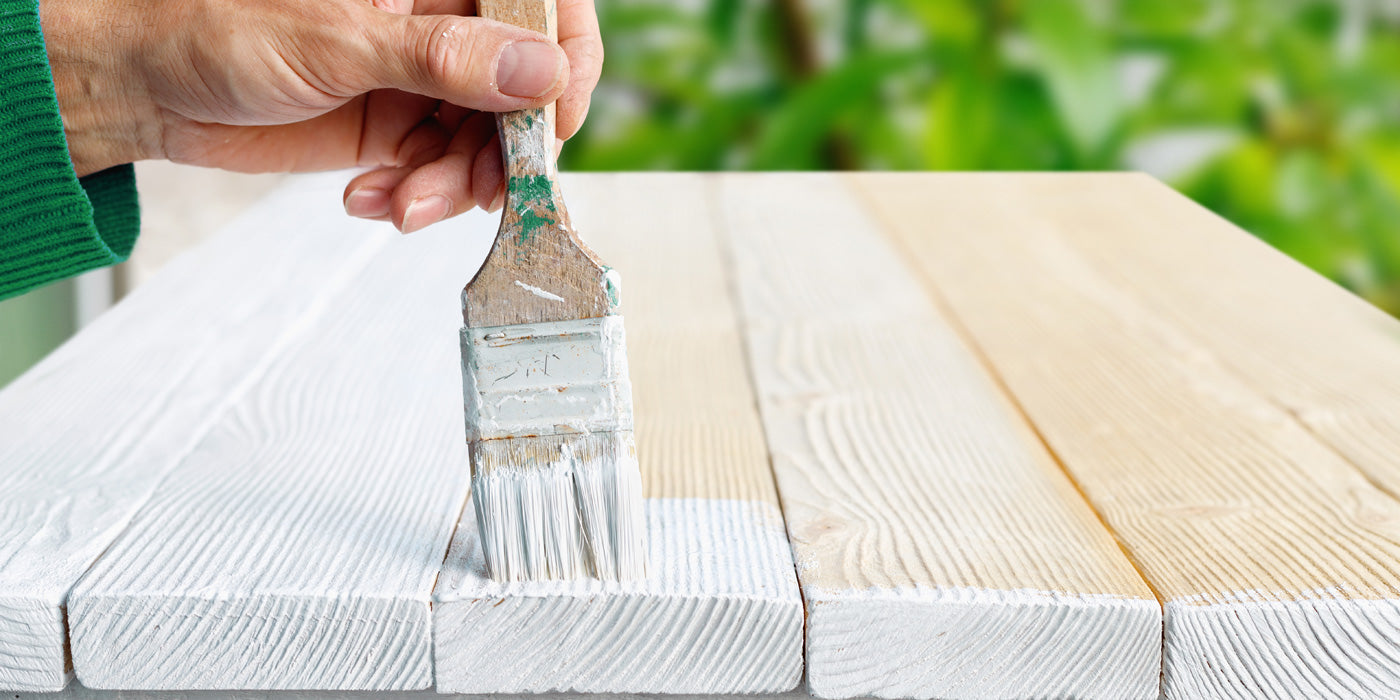
Credit: www.little-knights.co.uk
Expert Recommendations
Experts agree that painting outdoor furniture helps protect it but does not fully waterproof it. Proper paint types and application methods improve durability and resistance. Understanding when to refresh paint or sealant keeps furniture in good shape longer. Avoiding mistakes ensures the paint layer lasts and shields the surface better.
Best Paint Types For Durability
Choose paints made for outdoor use. Acrylic latex paint offers good water resistance and lasts well. Oil-based paints seal wood tightly but take longer to dry. Marine paint is ideal for extreme moisture and sun exposure. Use primers designed for outdoor furniture to help paint stick and last.
When To Repaint Or Reseal
Check furniture every year for peeling or cracking paint. Faded color or rough texture signals it is time to repaint. Resealing with a waterproof sealant extends protection after painting. Do this at least once every two years for best results. Prompt maintenance stops water damage before it starts.
Avoiding Common Mistakes
Don’t paint over dirty or wet surfaces. Clean and dry furniture fully before painting. Avoid thick paint layers that can crack or peel. Apply thin, even coats and let each dry well. Skip painting in high humidity or rain to ensure proper drying. Use brushes or rollers suitable for outdoor paint.
Frequently Asked Questions
Does Painting Outdoor Furniture Make It Waterproof?
Painting outdoor furniture can add a protective layer, but it doesn’t fully waterproof it. Specialized waterproof sealants or varnishes are needed for complete water resistance. Paint alone may reduce water absorption but won’t prevent water damage over time.
What Type Of Paint Is Best For Outdoor Furniture?
Use exterior-grade paint or marine paint for outdoor furniture. These paints are designed to withstand moisture, UV rays, and temperature changes. They provide better durability and protect the furniture from weather-related damage.
How Often Should Outdoor Furniture Be Repainted For Protection?
Outdoor furniture should be repainted every 1 to 3 years. The frequency depends on exposure to weather and paint quality. Regular maintenance ensures the paint remains protective and helps prevent water damage.
Can Painting Prevent Rust On Metal Outdoor Furniture?
Painting helps prevent rust by creating a barrier against moisture and oxygen. Use rust-resistant primers and paints specifically made for metal surfaces. Proper painting significantly extends the lifespan of metal outdoor furniture.
Conclusion
Painting outdoor furniture helps protect it from water damage to some extent. It creates a barrier that slows down moisture penetration. Still, paint alone does not make furniture fully waterproof. To keep furniture dry, use sealants or waterproof covers too.
Regular maintenance and checking for cracks also help. Good paint can extend the life of your furniture. But remember, no single method guarantees full protection. Combine painting with other care steps for best results. Your outdoor furniture will stay beautiful and last longer with proper care.


