
Have you ever wondered what makes outdoor furniture strong enough to withstand sun, rain, and wind while still looking great? Choosing the right material for your outdoor space can make all the difference.
Whether you want something durable, stylish, or easy to maintain, knowing what outdoor furniture is made of will help you make the best choice for your home. Keep reading, and you’ll discover the secrets behind the most popular materials – so you can pick outdoor furniture that lasts and fits your lifestyle perfectly.
Common Outdoor Furniture Materials
Outdoor furniture must be strong and weather-resistant. Different materials offer unique benefits. Choosing the right material helps furniture last longer outside. It also affects comfort and style.
Wood Types For Outdoor Use
Wood is a classic choice for outdoor furniture. Teak, cedar, and eucalyptus are popular types. These woods resist rot and insects well. Teak is oily, which helps it repel water. Cedar has a natural scent that keeps bugs away. Eucalyptus is affordable and durable. Wood furniture requires regular care to stay beautiful.
Metal Options And Benefits
Metals like aluminum, steel, and wrought iron are common. Aluminum is light and rust-resistant. Steel is strong but needs a protective coating. Wrought iron is heavy and very durable. Metal furniture often has a sleek, modern look. It handles wind and rain better than wood.
Plastic And Resin Varieties
Plastic and resin furniture is lightweight and easy to move. These materials resist water, mold, and fading. Resin wicker mimics natural wicker but lasts longer. Plastic furniture usually costs less than wood or metal. It needs little maintenance and cleans up quickly.
Natural Fibers And Wicker
Natural fibers like rattan and bamboo create a cozy feel. Wicker furniture is woven from these fibers. It adds charm to patios and gardens. Natural fibers are less durable outside and need protection. Keep them dry and covered to extend their life.
Wood For Outdoor Furniture
Wood remains a popular choice for outdoor furniture. It offers natural beauty and strength. Wood can blend well with gardens and patios. Different types of wood provide various looks and durability. Choosing the right wood affects how long the furniture lasts.
Teak And Its Durability
Teak is famous for its long-lasting quality. It contains natural oils that resist water and insects. This wood does not warp or crack easily. Teak furniture can stay outside for years. It needs little protection from weather damage. Many prefer teak for its smooth texture and rich color.
Cedar And Redwoods
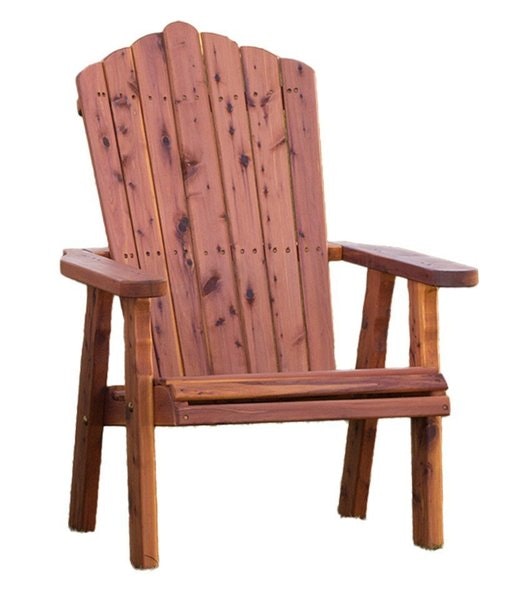
Cedar and redwoods are lightweight and strong. They resist decay and insect attacks naturally. These woods have a pleasant aroma that repels bugs. Cedar and redwood furniture often show a reddish tone. They age gracefully, developing a soft silver-gray patina. Both woods are easy to work with and maintain.
Eucalyptus And Acacia
Eucalyptus and acacia are affordable hardwood options. They offer good strength and weather resistance. These woods dry quickly to prevent mold growth. Eucalyptus has a warm, reddish-brown shade. Acacia shows a variety of rich tones and patterns. Both woods suit modern and rustic outdoor styles.
Maintenance Tips For Wood
Clean wood furniture regularly with mild soap and water. Avoid harsh chemicals that damage the surface. Apply wood oil or sealant to protect against moisture. Sand rough spots gently before treating. Store furniture in shade or cover during harsh weather. Proper care extends the life of outdoor wood furniture.
Metal Materials
Metal materials are popular for outdoor furniture. They offer strength and style that lasts. Metals resist weather and hold up well over time. Different metals bring unique benefits to your outdoor space.
Aluminum’s Lightweight Strength
Aluminum is light yet strong. It is easy to move around the yard. This metal does not rust, making it ideal for wet areas. Aluminum furniture often has a modern look. Its low weight helps with quick cleaning and storage.
Wrought Iron’s Classic Appeal
Wrought iron is heavy and very sturdy. It has a timeless, decorative design. This metal adds an elegant touch to gardens and patios. It can withstand strong winds without tipping over. Wrought iron needs regular care to keep its beauty.
Steel And Its Rust Resistance
Steel is strong and durable. It is heavier than aluminum but less than wrought iron. Galvanized or powder-coated steel resists rust. This coating protects steel from rain and moisture. Steel furniture often comes in sleek, simple designs.
Care And Protection For Metals
Cleaning metal furniture prevents dirt buildup. Use mild soap and water for best results. Dry the furniture after washing to avoid rust. Apply protective coatings or paint every year. Cover furniture during harsh weather to extend life.
Credit: www.theolecountrystore.com
Plastic And Synthetic Options
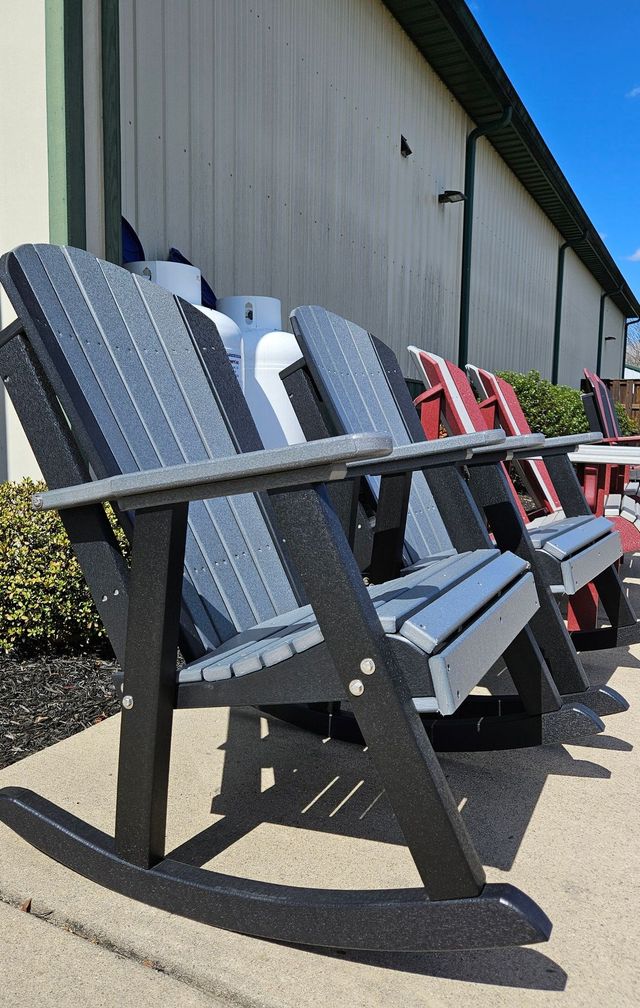
Outdoor furniture made of plastic and synthetic materials offers many advantages. These options are lightweight, durable, and often cost-effective. They resist moisture, insects, and fading better than many natural materials. This makes them popular choices for patios, gardens, and poolside areas. Below are key types and features of plastic and synthetic outdoor furniture.
Polypropylene And Polyethylene
Polypropylene and polyethylene are common plastics used in outdoor furniture. Both materials are strong and flexible. They resist cracking and breaking under pressure. Polypropylene is lightweight and easy to mold into various shapes. Polyethylene is denser and offers better impact resistance. These plastics handle heat and cold well without damage. They are also easy to clean with just soap and water.
Resin Wicker Benefits
Resin wicker is a synthetic alternative to natural wicker. It looks similar but lasts longer outdoors. Resin wicker resists moisture and does not rot. It also stands up to fading from sunlight. This material is easy to maintain and cleans quickly. Resin wicker furniture combines style and practicality for outdoor spaces.
Uv Resistance And Weatherproofing
Many plastic outdoor furniture pieces include UV inhibitors. These additives help prevent sun damage and color fading. Weatherproofing treatments protect furniture from rain and snow. Together, these features extend the life of plastic and synthetic furniture. This makes them reliable for all seasons and climates.
Eco-friendly Plastic Alternatives
Some outdoor furniture uses recycled plastics to reduce waste. These options reuse materials like old bottles and containers. Biodegradable plastics are also emerging in outdoor furniture. They break down faster in the environment than traditional plastics. Choosing eco-friendly plastic furniture helps lower environmental impact. It supports a cleaner, greener outdoor space.
Natural Fiber Choices
Natural fibers bring a warm, earthy feel to outdoor furniture. These materials come from plants and add beauty with their unique textures. They blend well with garden and patio settings. Natural fibers offer a lightweight, eco-friendly choice for outdoor seating and tables.
Rattan And Its Characteristics
Rattan is a popular natural fiber for outdoor furniture. It comes from a climbing palm plant. The material is flexible and strong. Rattan furniture often has a woven look. It feels light but sturdy. This fiber is easy to shape into different styles.
Rattan absorbs moisture well, which helps in humid areas. The natural color ranges from pale beige to golden brown. It creates a cozy, tropical vibe in outdoor spaces.
Seagrass And Bamboo
Seagrass is a water plant used in furniture weaving. It has a rough texture and a greenish-brown color. Seagrass is often mixed with other fibers for strength. It brings a natural, beachy look to furniture.
Bamboo grows fast and is very strong. Outdoor furniture made from bamboo is lightweight and durable. Bamboo has a smooth surface and a warm tone. Both seagrass and bamboo add an organic feel to any outdoor area.
Durability And Weather Concerns
Natural fibers face challenges outdoors. Rain, sun, and wind can weaken them over time. Rattan can crack or fade if left in harsh sun. Seagrass may absorb water and become soft or moldy.
To protect natural fibers, use covers or keep furniture in shaded areas. Regular cleaning and drying help prevent damage. Treating fibers with sealants can improve weather resistance. Natural fiber furniture lasts longer with basic care.
Blending Natural Fibers With Other Materials
Many outdoor pieces mix natural fibers with metal or wood. Metal frames add strength and stability. Wood blends naturally with woven fibers for a rustic look. These combinations improve durability and style.
Blending materials also allows for modern designs. It keeps the natural feel while making furniture more weather-resistant. This mix suits different outdoor settings and personal tastes.
Fabric And Cushion Materials
Outdoor furniture fabrics and cushions play a big role in comfort and durability. These materials face sun, rain, wind, and dirt every day. Choosing the right fabric and cushion can keep your furniture looking good longer. It also makes sitting outside more pleasant. Understanding fabric types and cushion fillings helps pick the best option for any outdoor space.
Outdoor-grade Fabrics
Outdoor-grade fabrics are made to resist sun and rain damage. They use strong fibers like polyester and acrylic. These fabrics hold color well and do not fade quickly. They also feel soft and comfortable. Many are treated to resist stains and dirt. These fabrics suit all kinds of outdoor furniture.
Water-resistant And Quick-dry Options
Water-resistant fabrics stop water from soaking in. They keep cushions dry longer after rain. Quick-dry fabrics let water pass through fast. This prevents mold and mildew growth. Both types help furniture last longer. They also make cushions more comfortable after rain.
Mold And Mildew Prevention
Mold and mildew grow in damp, dark places. Outdoor fabrics often include special treatments to block them. Good airflow and quick-drying materials reduce mold risk. Cleaning cushions regularly also helps. Prevention keeps furniture fresh and healthy for use.
Choosing The Right Cushion Fillings
Cushion fillings affect comfort and durability. Foam is common and offers firm support. Polyester fiberfill feels soft and fluffy but may compress over time. Some cushions use quick-dry foam to avoid water buildup. Choosing filling depends on how often you use furniture and the weather.
Material Selection Tips
Choosing the right materials for outdoor furniture is essential. The material affects durability, comfort, and how the furniture looks outside. Picking the best material means thinking about the weather, style, budget, and care needed. This guide helps you make smart choices.
Matching Materials To Climate
Climate plays a big role in material choice. Wood looks great but can warp in wet places. Metal works well in dry climates but may rust with too much rain. Plastic and resin resist water and sun damage. Pick materials that handle your local weather.
Balancing Style And Function
Outdoor furniture should look nice and work well. Some materials, like teak wood, offer a natural, warm look. Metal pieces often give a modern feel. Choose materials that fit your style and are easy to use and move. Comfort matters too.
Budget Considerations
Prices vary widely between materials. Plastic and resin furniture usually costs less. Wood and metal can be more expensive but last longer. Set a budget before buying. Think about cost versus how long the furniture will last.
Longevity And Maintenance Factors
Some materials need more care than others. Wood may need sealing or staining yearly. Metal may require rust protection. Plastic and resin need little upkeep. Choose materials you can maintain well to keep furniture looking good for years.
Credit: www.dutchcrafters.com

Credit: armadillosun.com
Frequently Asked Questions
What Materials Are Commonly Used For Outdoor Furniture?
Outdoor furniture is often made from wood, metal, plastic, and wicker. Each material offers durability and weather resistance. Popular woods include teak and cedar. Metals like aluminum resist rust. Plastic options provide affordability and lightweight features. Wicker adds a natural, stylish look.
How Does Teak Wood Benefit Outdoor Furniture?
Teak wood is highly durable and naturally resistant to water and pests. Its dense grain prevents warping and cracking. Teak ages beautifully, developing a silver-gray patina over time. It requires minimal maintenance, making it ideal for outdoor use. This makes teak a top choice for quality furniture.
Why Is Aluminum Popular For Outdoor Furniture Frames?
Aluminum is lightweight, strong, and rust-resistant. It withstands harsh weather without corroding. This metal is easy to move and maintain. Aluminum frames often come with powder coatings for extra protection. Its durability and low upkeep make it a favorite for outdoor furniture.
Can Synthetic Wicker Withstand Outdoor Conditions?
Yes, synthetic wicker is designed to resist moisture, UV rays, and temperature changes. It mimics natural wicker’s look but is more durable. This material is easy to clean and maintain. It remains flexible and strong, ideal for outdoor furniture exposed to elements.
Conclusion
Outdoor furniture comes in many materials, each with its own benefits. Wood feels warm and natural but needs care. Metal is strong and lasts long but may get hot. Plastic is light and easy to clean but can fade. Wicker adds a cozy look but needs protection from rain.
Choosing the right material depends on your style and weather. Good furniture makes your outdoor space comfortable and inviting. Think about how you use your space before buying. Enjoy your time outside with furniture that fits you well.

