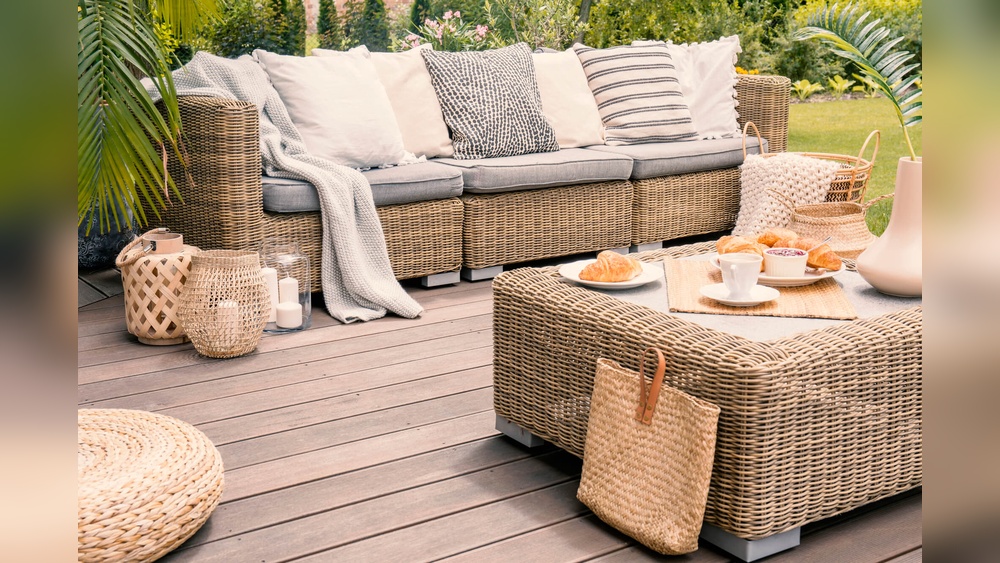
Choosing the right material for your outdoor furniture can make all the difference in how your space looks and feels. You might be wondering: is wicker or wood better for your patio or garden?
Each option has its own strengths, and knowing which one fits your lifestyle and needs will help you create the perfect outdoor retreat. Keep reading to discover the key factors that will guide you to the best choice for your furniture and your home.
Credit: shop4patio.com
Benefits Of Wicker Furniture
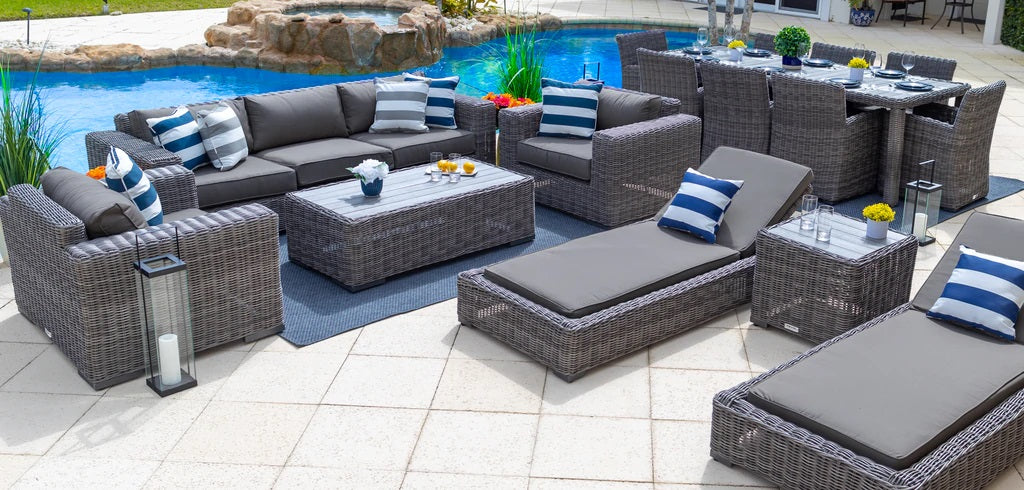
Wicker furniture offers many benefits that make it a popular choice for outdoor spaces. It is known for its versatility and style. Many homeowners prefer wicker because it combines comfort with practicality. This type of furniture suits different outdoor settings, from patios to gardens.
Wicker’s unique design adds charm and warmth to any area. Its natural look blends well with plants and outdoor decor. The material also provides a cozy seating option for family and guests.
Lightweight And Portable
Wicker furniture is easy to move around. Its lightweight nature lets you change your outdoor setup quickly. You can carry chairs or tables without much effort. This feature is helpful during cleaning or rearranging.
Aesthetic Appeal
The woven pattern of wicker looks attractive and natural. It fits well in both modern and classic outdoor spaces. Wicker furniture often comes in various colors and styles. This variety helps match different tastes and themes.
Weather Resistance
Wicker made for outdoors resists sun and rain. Synthetic wicker materials handle moisture well without damage. This durability keeps furniture looking good over time. It suits many climates without needing extra protection.
Maintenance Requirements
Wicker furniture needs little upkeep to stay nice. Regular dusting and occasional washing keep it clean. It does not require painting or sealing like wood. This low maintenance saves time and effort.
Advantages Of Wooden Furniture
Wooden furniture offers many benefits for outdoor spaces. It blends well with nature and lasts a long time. Many people choose wood for its classic look and strong build.
Wood is a natural material that can fit any garden or patio style. It feels warm and inviting. The advantages of wooden furniture make it a popular choice for outdoor use.
Durability And Strength
Wood is very strong and can support heavy weight. It withstands wind, rain, and sun better than many materials. Proper care helps wood last for years outdoors. It resists cracking and warping under tough weather.
Natural Beauty
Wood has a warm, natural look that fits outdoor spaces well. Each piece has unique grain patterns and colors. This adds charm and character to your furniture. Wood ages with a beauty that synthetic materials cannot match.
Variety Of Wood Types
Many woods are suitable for outdoor furniture. Teak, cedar, and eucalyptus are popular choices. Each type has different colors and grain styles. Some woods resist insects and rot better than others. This variety allows you to find the perfect wood for your needs.
Aging Gracefully Outdoors
Wood changes color over time with sun and rain exposure. This natural aging process creates a soft, silver-gray patina. Many people enjoy this weathered look. It gives outdoor furniture a timeless, rustic appeal.
Comparing Durability
Durability is a key factor when choosing outdoor furniture. It affects how long the furniture lasts and how well it handles outdoor conditions. Both wicker and wood have strengths and weaknesses. Understanding these can help you make a smart choice for your outdoor space.
Resistance To Elements
Wicker furniture often uses synthetic fibers designed to resist water and UV rays. These materials do not crack or fade easily in sunlight. They dry quickly after rain, reducing the chance of mold or mildew. Natural wicker, however, can suffer damage from moisture and sun exposure.
Wood furniture varies by type. Hardwoods like teak and eucalyptus resist rot and insects well. They handle rain and sun better than softwoods. Untreated wood can absorb water and warp over time. Regular sealing and oiling increase wood’s resistance to weather.
Wear And Tear Over Time
Wicker can show wear if exposed to harsh weather for long periods. Synthetic wicker holds up well but may become brittle after many years. Natural wicker is more fragile and may break with heavy use.
Wood ages differently. It may develop cracks or splinters but can often be sanded and refinished. Scratches on wood are easier to fix than damage to wicker. Wood furniture may last decades with proper care and maintenance.

Credit: modernwicker.com
Maintenance And Care
Maintaining outdoor furniture is key to keeping it beautiful and lasting long. Both wicker and wood need care to handle weather changes. Regular cleaning and protection can prevent damage. This saves money and effort over time. Let’s explore how to care for each material properly.
Cleaning Tips For Wicker
Dust and dirt can settle in wicker’s weave. Use a soft brush to remove loose dirt. A vacuum with a brush attachment works well. For deeper cleaning, mix mild soap with water. Use a soft cloth or sponge to wipe gently. Avoid soaking wicker; too much water can weaken it. Rinse with a damp cloth to remove soap. Let the furniture dry completely in shade. Cover or store wicker furniture during heavy rain or snow.
Preserving Wood Outdoors
Wood needs protection from sun and moisture. Clean wood furniture with a soft cloth and mild soap. Rinse off soap with water and dry well. Apply a wood sealant or outdoor varnish yearly. This prevents cracking and fading. Sand rough spots before sealing for smooth finish. Store wood furniture under cover in winter. Use furniture covers to protect it from rain and dirt. Regular care helps wood keep its natural beauty for years.
Cost Considerations
Cost plays a big role when choosing outdoor furniture. Both wicker and wood have different price points. Understanding these costs helps you pick what suits your budget best. Think about the money spent now and later. This helps you avoid surprises and plan better.
Initial Investment
Wicker furniture usually costs less upfront. It often comes in lighter, cheaper designs. Wood furniture can be pricey at first. Good quality wood, like teak, costs more. But wood offers a strong, classic look. Your budget decides which fits better.
Long-term Value
Wood furniture lasts longer with care. It can resist weather better if treated. This means fewer replacements and repairs. Wicker may need more fixing over time. Some wicker fades or breaks in sun and rain. Think about how long you want furniture to last.

Credit: www.walmart.com
Style And Design Options
Choosing outdoor furniture means thinking about style and design options. Both wicker and wood offer unique looks that can fit different tastes and settings. This section explores how these materials shape the feel of your outdoor space.
Modern Vs Traditional Looks
Wicker furniture often feels light and airy. It suits casual and modern outdoor areas well. The clean lines and woven texture add a fresh, relaxed vibe. Wood furniture carries a classic, timeless charm. It fits well in traditional or rustic gardens. The natural grain and solid form bring warmth and richness. Both materials can create distinct moods in your outdoor space.
Customization Possibilities
Wood offers many ways to customize. You can paint, stain, or carve it to match your style. Shapes and sizes can be tailored easily. Wicker comes in various colors and patterns too. Some synthetic wicker options allow for more color choices. Cushions and covers add another layer of personalization for both. Each material gives you tools to create a unique look.
Environmental Impact
Choosing outdoor furniture affects the environment. The materials used play a big role in this impact. Wicker and wood are common choices. Both have different effects on nature and resources. Understanding their environmental impact helps make smarter decisions.
Sustainability Of Materials
Wood comes from trees. Sustainable wood is harvested carefully. This means trees are replanted or forests are managed. Unsustainable wood harms forests and wildlife. Wicker is made from natural fibers like rattan or bamboo. These plants grow quickly and need less water. They can be harvested without killing the plant. This makes wicker a more renewable option in some cases.
Eco-friendly Choices
Wood furniture lasts a long time. It can be repaired and reused. This reduces waste and the need for new materials. Wicker furniture is light and easy to move. It often uses less energy to produce than wood. Some wicker is made with synthetic fibers, which are less eco-friendly. Choosing natural wicker and treated wood reduces chemical use. Proper care of both materials extends their life and lowers environmental harm.
Making The Right Choice
Choosing between wicker and wood for outdoor furniture needs careful thought. Each material has unique traits that suit different spaces and lifestyles. Understanding these differences helps you pick the best option for your home.
Assessing Your Outdoor Space
Start by looking at your outdoor area. Is it large or small? Open or covered? Wood furniture fits well in big, open gardens. It offers a classic and sturdy look. Wicker suits smaller patios or balconies. It feels light and adds charm without crowding the space.
Think about weather too. Wood can handle sun and rain but needs care to avoid damage. Wicker is usually weather-resistant but may fade in strong sun. Knowing your space helps decide which material lasts longer and looks better.
Lifestyle And Usage Factors
Consider how often you use your furniture. Wood suits heavy, daily use. It stays strong and can be repaired if scratched. Wicker works well for casual use and light gatherings. It is easy to move around and store.
Pets and children also affect the choice. Wood is tougher against scratches and rough play. Wicker may get damaged more easily but is softer on touch. Choose based on your family’s habits and needs.
Frequently Asked Questions
Which Material Lasts Longer: Wicker Or Wood?
Wood generally lasts longer if properly maintained. Wicker can degrade faster outdoors, especially in harsh weather. Wood offers durability and strength, making it ideal for long-term outdoor use. However, synthetic wicker can be more weather-resistant than natural wood.
Is Wicker Or Wood Easier To Maintain Outdoors?
Wicker, especially synthetic, requires less maintenance than wood. Wood needs regular sealing or painting to prevent damage. Natural wicker may need occasional cleaning and protection from moisture. Synthetic wicker resists fading and moisture better than wood.
Which Outdoor Furniture Material Is More Weather-resistant?
Synthetic wicker is highly weather-resistant, handling rain and sun well. Wood’s weather resistance depends on the type and treatment. Hardwoods like teak resist weather better than softwoods. Untreated wood can warp or crack over time outdoors.
Which Is Better For Outdoor Style: Wicker Or Wood?
Both materials offer distinct outdoor styles. Wicker provides a casual, relaxed look. Wood offers a classic, natural aesthetic. Your choice depends on your outdoor decor preferences and maintenance willingness. Both can enhance outdoor spaces beautifully.
Conclusion
Choosing between wicker and wood depends on your style and care needs. Wicker offers a light, airy feel and is easy to move. Wood gives a classic look and strong durability. Both materials suit outdoor use but need regular care to last.
Think about weather and how much time you have for maintenance. Your choice will shape your outdoor space’s comfort and look. Either way, you can enjoy relaxing outside with the right furniture.

