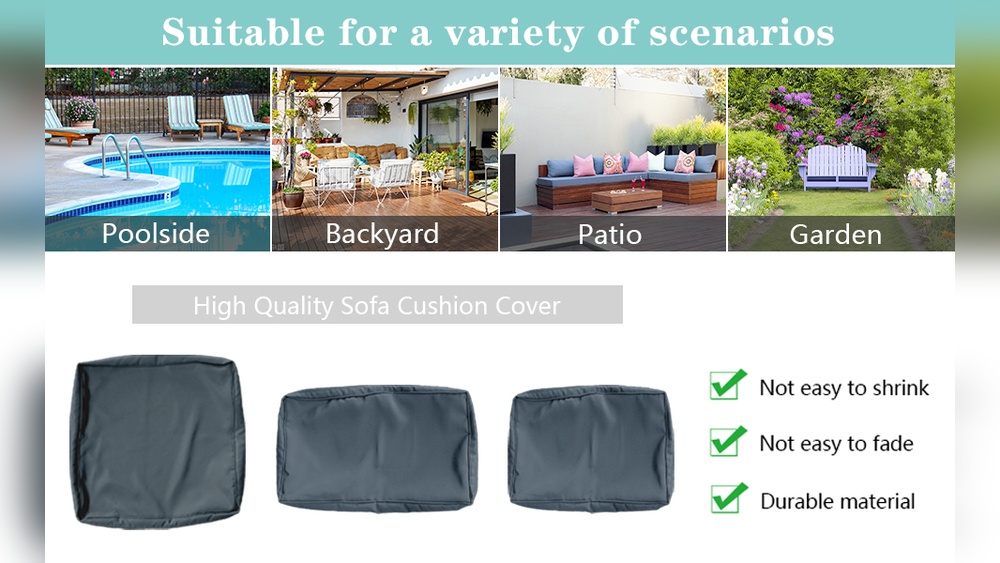
Are you thinking about adding outdoor wicker furniture to your patio or garden? Before you buy, it’s important to understand what outdoor wicker furniture is made of.
Knowing the materials behind your furniture helps you choose pieces that last longer, stay beautiful, and fit your lifestyle perfectly. You’ll discover the secrets of outdoor wicker—what it really is, how it’s made, and why it might be the perfect choice for your outdoor space.
Keep reading to find out how to pick the best wicker furniture that suits your needs and stands up to the elements.
Types Of Outdoor Wicker Materials
Outdoor wicker furniture comes in different materials. These materials affect durability, look, and care needs. Knowing the types helps pick the right piece for your space. There are two main groups: natural and synthetic. Each has unique traits and uses.
Natural Wicker Options
Natural wicker is made from plant fibers. Common fibers include rattan, bamboo, and willow. These materials give a warm, classic look. They feel light and airy. Natural wicker suits covered outdoor areas best. Rain and sun can damage these fibers. They need regular cleaning and protection. Natural wicker is eco-friendly and biodegradable. It blends well with garden and patio themes.
Synthetic Wicker Varieties
Synthetic wicker uses man-made materials like resin or plastic. This type looks like natural wicker but lasts longer outdoors. It resists water, sun, and fading. Synthetic wicker needs little maintenance. It cleans easily with soap and water. Colors stay bright for years. This material works well in all weather. It fits modern and traditional furniture styles. Synthetic wicker offers strong, weatherproof options for outdoor living.

Credit: www.amazon.com
Natural Wicker Materials
Natural wicker materials come from plants and have been used for centuries. They offer a beautiful, earthy look for outdoor furniture. Each type has unique textures and strengths. These materials are light, flexible, and eco-friendly. They provide comfort and style to your outdoor space.
Rattan
Rattan is a climbing palm found in tropical regions. It has long, slender stems perfect for weaving. Rattan is strong yet lightweight. It bends easily without breaking. This makes it ideal for curved furniture shapes. Its natural golden color adds warmth to any setting.
Cane
Cane is made from the outer skin of rattan stems. It is thinner and more flexible than rattan. Cane is often used for chair seats and backs. It creates a smooth, woven surface. Cane furniture feels cool and airy, perfect for hot weather.
Bamboo
Bamboo grows fast and is very sturdy. It has hollow, jointed stems that add natural strength. Bamboo can handle weight well and resists cracking. Its light color and smooth finish suit many decor styles. Bamboo furniture often has a modern, clean look.
Seagrass
Seagrass is harvested from coastal areas and dried. It has a rougher texture than other materials. Seagrass is naturally water-resistant and durable. It gives furniture a casual, beachy vibe. Its earthy tones blend well with outdoor settings.
Synthetic Wicker Materials
Synthetic wicker materials are popular for outdoor furniture because they resist weather well. These materials imitate natural wicker but last longer and need less care. They are made to handle sun, rain, and wind without fading or breaking. Many types of synthetic fibers are used to create strong and attractive outdoor wicker furniture.
Resin Wicker
Resin wicker is made from polyethylene or other plastics. It looks like natural wicker but stays flexible and strong. This material does not absorb water, so it does not rot or grow mold. Resin wicker is easy to clean with just soap and water. It keeps its color and shape even under hot sun.
Polyethylene
Polyethylene is a type of plastic used in many outdoor wicker products. It is tough and resists UV rays from the sun. This means it won’t fade quickly. Polyethylene fibers are woven tightly to make durable furniture. The material feels soft but is very strong and weatherproof.
Pvc And Vinyl
PVC and vinyl are synthetic materials used to make wicker furniture. They are waterproof and easy to maintain. These materials do not crack or peel under sun exposure. PVC and vinyl furniture can look smooth or textured like real wicker. They are a good choice for wet or humid areas.
Polypropylene
Polypropylene is a lightweight plastic often used in wicker weaving. It is resistant to chemicals and moisture. This material holds color well and does not fade fast. Polypropylene furniture is simple to move and clean. It works well for outdoor spaces with frequent weather changes.
Durability And Weather Resistance
Outdoor wicker furniture must stand up to many weather conditions. Durability and weather resistance are key features. These qualities keep the furniture looking good and lasting longer. The materials used in outdoor wicker are designed to resist damage from sun, rain, and temperature changes. This section explains how outdoor wicker furniture handles these challenges.
Resistance To Moisture And Uv Rays
Outdoor wicker furniture often uses synthetic fibers. These fibers resist moisture better than natural ones. Water does not soak in easily, preventing damage. UV rays from the sun can cause fading and brittleness. Synthetic wicker is treated to block UV rays. This treatment helps keep the color bright and the fibers strong. Moisture and sun protection extend the life of the furniture.
Mold And Mildew Prevention
Moist environments can cause mold and mildew on furniture. Outdoor wicker uses materials that dry quickly. Quick drying stops mold and mildew growth. Some wicker fibers have anti-fungal properties. These features keep the furniture clean and safe. Proper design allows air to flow, reducing dampness. Mold and mildew prevention is vital for outdoor furniture health.
Impact Of Temperature Changes
Outdoor wicker furniture faces hot and cold temperatures. Materials must expand and contract without breaking. Synthetic wicker is flexible and tough under temperature changes. Natural wicker can crack or warp in extreme weather. Temperature resistance ensures furniture stays stable and comfortable. This quality helps maintain the furniture’s shape and usability over time.
Maintenance Tips For Wicker Furniture
Wicker furniture adds charm to outdoor spaces. Keeping it clean and cared for extends its life. Different types of wicker need different care methods. Follow these simple tips to maintain your wicker furniture.
Cleaning Natural Wicker
Use a soft brush to remove dust and dirt. Wipe with a damp cloth and mild soap. Avoid soaking natural wicker; water can weaken it. Dry it quickly under shade to prevent damage. Clean spills immediately to avoid stains and mold.
Cleaning Synthetic Wicker
Synthetic wicker resists water and dirt better. Use warm water and mild detergent for cleaning. Rinse with a hose and let it dry naturally. Avoid harsh chemicals that may damage the finish. Regular cleaning keeps synthetic wicker looking fresh.
Protective Coatings And Treatments
Apply a clear sealant to natural wicker for water resistance. Use UV protectant sprays to prevent sun damage. Check coatings yearly and reapply as needed. Cover furniture during bad weather to protect it. Proper treatments help keep wicker strong and bright.
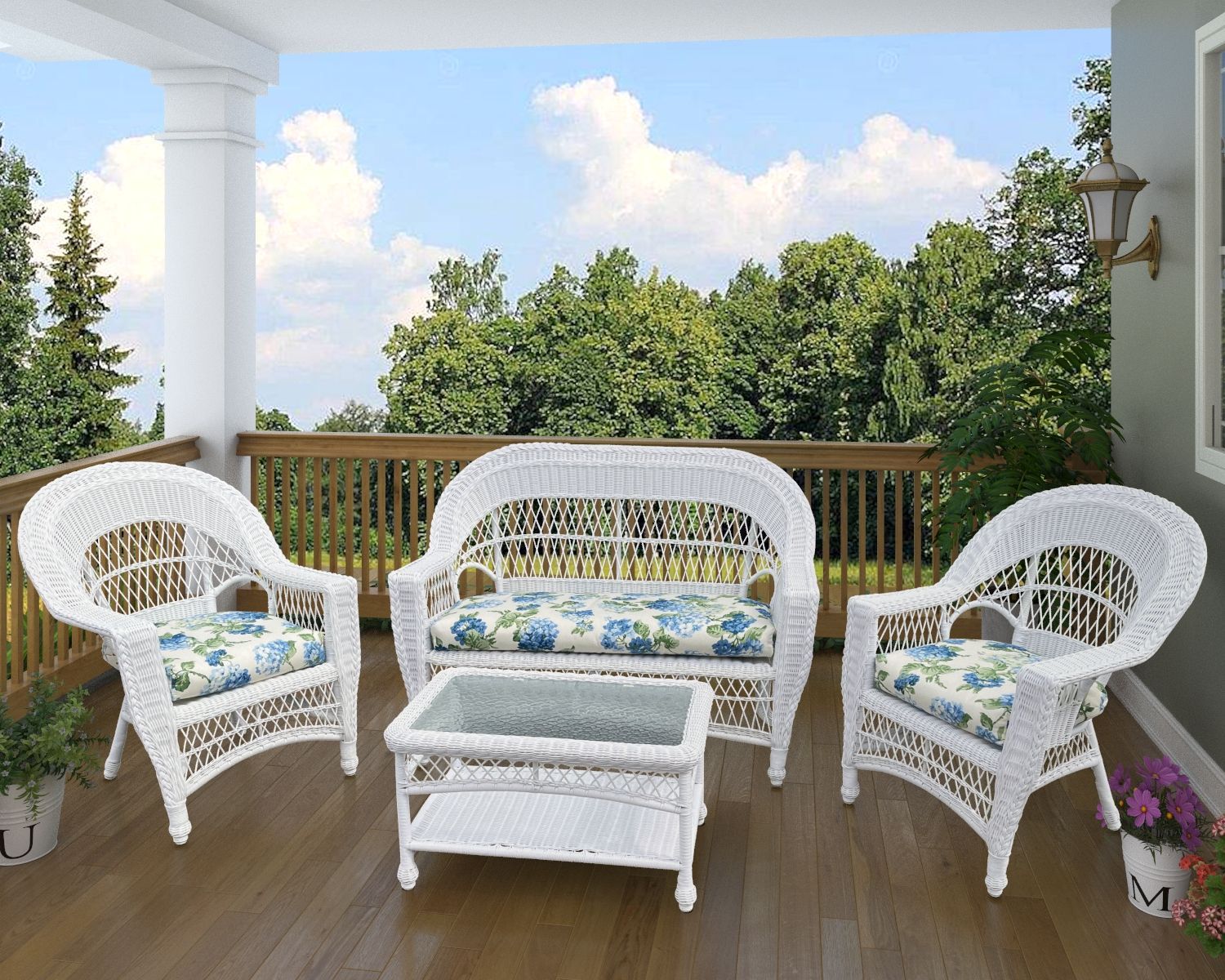
Credit: www.wickerparadise.com
Choosing The Right Material For Your Needs
Choosing the right material for outdoor wicker furniture matters a lot. The material affects the look, cost, and how long the furniture lasts. Different materials fit different needs. Understanding these factors helps you pick the best option for your space.
Aesthetic Considerations
The material shapes the style of your furniture. Natural wicker offers a warm, classic look. Synthetic wicker can mimic natural styles but with more colors. Think about your garden or patio style. Choose a material that fits the mood you want to create. Simple or elegant, the right material sets the tone.
Budget Factors
Outdoor wicker furniture comes in many price ranges. Natural materials often cost more due to handcrafting. Synthetic options usually cost less and are mass-produced. Consider your budget before picking a material. Balance between price and the quality you want. This helps avoid overspending or buying cheap furniture that breaks fast.
Longevity And Usage
Some materials last longer outdoors than others. Natural wicker can fade or crack under sun and rain. Synthetic wicker resists weather and stays strong longer. Think about how often you use the furniture. For daily use, choose durable materials. This saves money by reducing replacement needs. Also, check if the furniture needs special care to stay nice.
Environmental Impact And Sustainability
Outdoor wicker furniture stands out for its style and comfort. Its environmental impact matters to many buyers. Sustainability is key in choosing furniture that lasts and respects nature. Understanding materials helps make eco-friendly choices.
Eco-friendly Natural Materials
Natural wicker comes from plants like rattan, bamboo, and willow. These plants grow quickly and absorb carbon dioxide. Using natural materials reduces pollution and waste. They break down easily after disposal, causing less harm to landfills. Crafting with natural wicker supports sustainable farming and local communities.
Recyclability Of Synthetic Wicker
Synthetic wicker is made from plastic fibers like polyethylene. It lasts longer but can create waste if not recycled. Some synthetic wicker can be recycled into new products. Recycling helps reduce plastic pollution and saves resources. Choosing recyclable synthetic wicker lowers environmental impact and supports a circular economy.
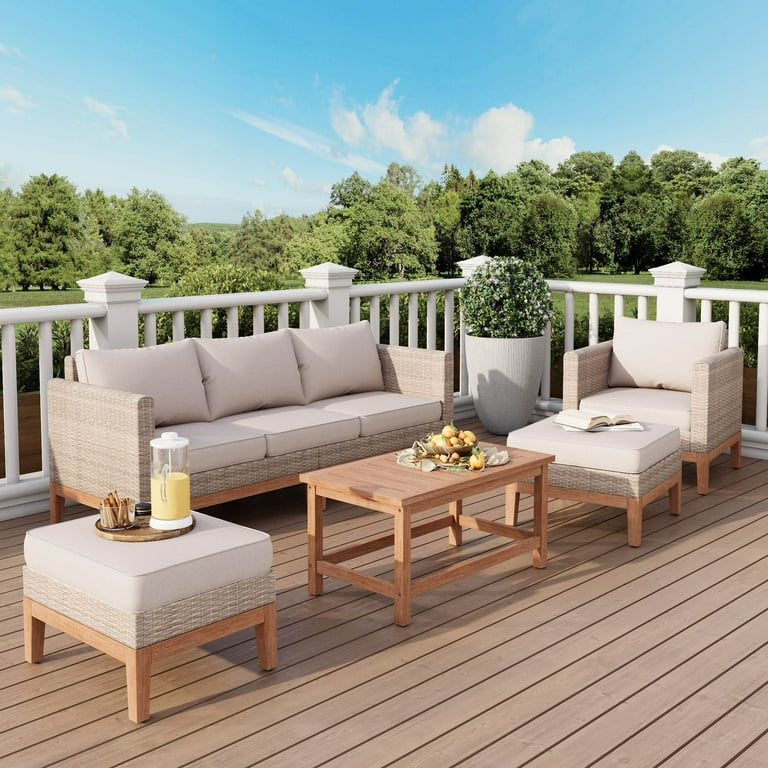
Credit: www.walmart.com
Frequently Asked Questions
What Materials Are Used In Outdoor Wicker Furniture?
Outdoor wicker furniture is made from synthetic resin, polyethylene, or vinyl. These materials are durable and weather-resistant, making them ideal for outdoor use. They mimic natural rattan but withstand moisture, UV rays, and temperature changes better than natural fibers.
Is Outdoor Wicker Furniture Weatherproof?
Yes, outdoor wicker furniture is weatherproof. It uses synthetic materials designed to resist rain, sun, and humidity. Properly made outdoor wicker can last for years without fading or cracking, making it perfect for patios and gardens.
How Does Synthetic Wicker Compare To Natural Wicker?
Synthetic wicker is more durable and weather-resistant than natural wicker. It requires less maintenance and won’t rot or fade easily. Natural wicker is prone to damage from moisture and sun exposure, making synthetic wicker a better choice for outdoor furniture.
Can Outdoor Wicker Furniture Be Recycled?
Some outdoor wicker furniture is recyclable if made from polyethylene or other recyclable plastics. However, recycling availability depends on local facilities. It’s best to check with local recycling programs to confirm if your outdoor wicker furniture can be processed.
Conclusion
Outdoor wicker furniture uses materials designed to last and look good. Synthetic fibers like resin and polyethylene resist water and sun damage. Natural fibers, such as rattan or bamboo, offer a classic look but need care. Choosing the right material helps furniture stay strong through seasons.
This knowledge helps you pick pieces that fit your style and needs. Enjoy your outdoor space with comfort and durability in mind.