
When it comes to hallway safety, you might not immediately think about the furniture you place there. But did you know that every chair, table, or decorative piece in your hallway could impact your building’s compliance with NFPA 101 2012, the Life Safety Code?
Understanding how furniture affects egress routes is crucial for keeping you, your family, or your building’s occupants safe during emergencies. You’ll discover the key rules about hallway furniture under NFPA 101 2012 and learn how to arrange your space to meet safety standards without sacrificing style or comfort.
Keep reading to make sure your hallway is both welcoming and compliant—because safety should never be an afterthought.
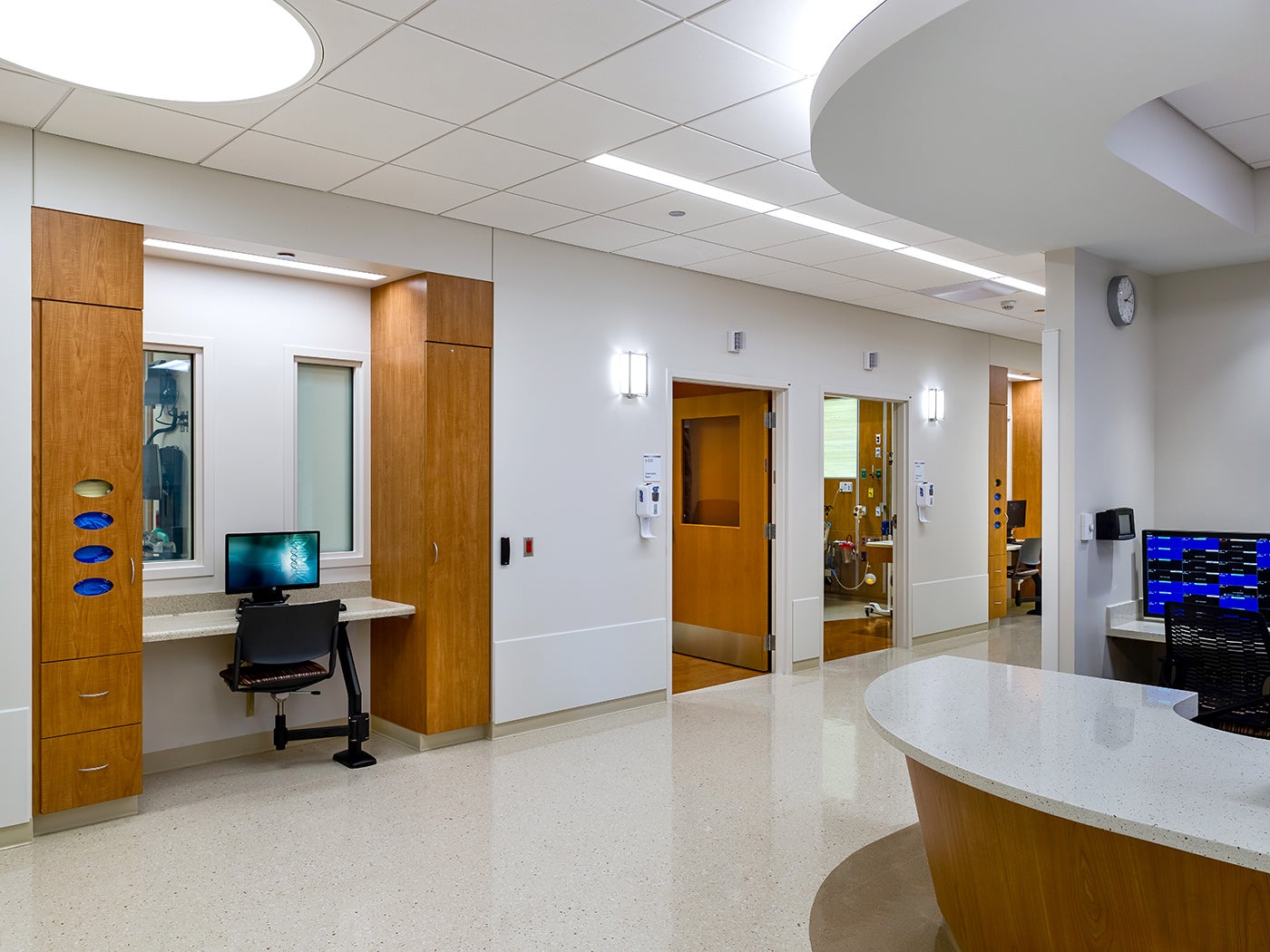
Credit: www.hfmmagazine.com
Hallway Width Requirements
Hallway width is crucial for safety and accessibility in buildings. NFPA 101 2012 outlines clear rules for hallway widths to ensure safe evacuation. These guidelines help prevent crowding and allow easy movement. Furniture in hallways must not reduce the required clear width. Understanding these width requirements is essential for compliance and safety.
Minimum Clear Width
The minimum clear width of a hallway must be at least 44 inches. This width applies for the first 50 occupants the building is designed to hold. Hallways must remain free of furniture or other obstructions that reduce this width. Keeping a clear path ensures safe and quick exit during emergencies.
Adjustments For Occupant Load
For buildings with more than 50 occupants, the hallway width increases. An extra 6 inches is required for every additional 50 people. This adjustment helps accommodate larger groups moving through the hallway safely. Furniture placement must consider these increases to avoid blocking the path.
Wheelchair Accessibility
Wheelchair users need extra space to pass comfortably. Hallways must be wide enough to allow wheelchairs to move without difficulty. The NFPA 101 requires at least 36 inches of clear width for wheelchair access. Furniture should never narrow the path below this limit to maintain accessibility.

Credit: www.hfmmagazine.com
Clear Path Of Egress
Maintaining a clear path of egress in hallways is crucial for safety. NFPA 101 2012 sets standards to ensure hallways remain free from obstructions. Furniture placement in these areas must not block escape routes during emergencies. This section explains key points about clear egress paths and how to comply with the code.
Continuous And Unobstructed Routes
Hallways must provide a continuous and clear path from any point inside to an exit. Furniture or other items cannot break or block this route. The pathway should allow easy movement for all occupants, including those with disabilities. A minimum clear width of 44 inches is required to accommodate safe passage. This helps prevent delays during evacuation and reduces risks in emergencies.
Restrictions On Furniture Placement
Furniture in hallways should not reduce the required clear width. Chairs, tables, or decorations placed too close can obstruct flow. NFPA 101 2012 limits items in egress corridors to prevent hazards. Any furniture must be arranged so it does not block access to exit doors or emergency equipment. Keeping the path free ensures quick and safe evacuation for everyone.
Regular Inspection Protocols
Regular inspections are essential to maintain clear egress paths. Building managers must check hallways often for furniture or obstacles. Inspections identify any violations of clearance rules before emergencies occur. Immediate action should follow any findings to restore safe conditions. Routine reviews help keep hallways compliant and ready for safe use at all times.
Exit And Exit Access Features
The exit and exit access features in hallways are critical for safe evacuation. They ensure a clear, unobstructed path for people to leave a building quickly. The National Fire Protection Association (NFPA) 101 2012 outlines these features to protect lives during emergencies. Understanding these rules helps maintain safety and compliance in public and private spaces.
Number Of Required Exits
NFPA 101 sets minimum exit numbers based on building occupancy. For hallways, at least two exits are usually required to ensure multiple escape routes. This prevents crowding and speeds up evacuation. The exact number depends on the number of people and the building’s design.
Fire Resistance Standards
Fire resistance is vital for hallway furniture and walls near exits. Materials must withstand fire for a set time to prevent fire spread. This gives occupants more time to escape. NFPA 101 requires fire-rated doors, walls, and ceilings around exit paths.
Door Specifications And Operation
Doors in exit paths must open easily and swing in the direction of exit travel. They should not be locked or blocked during occupancy. Hardware must allow quick release without special knowledge. These rules ensure doors do not hinder evacuation in emergencies.
Emergency Lighting And Signage
Emergency lighting and signage are crucial for safe evacuation during power outages or emergencies. They guide occupants clearly toward exits in hallways and corridors. Proper installation ensures visibility and functionality at all times. NFPA 101 2012 outlines specific rules for these safety features in public and commercial buildings.
Emergency Lighting Placement
Emergency lights must illuminate hallways and exit routes evenly. They should be installed at points where natural or regular light is insufficient. Placement near doorways and corners helps avoid dark spots. Lights must operate automatically during a power failure. This ensures the path remains clear and visible for safe exit.
Exit Sign Visibility
Exit signs must be easy to see from any point in the hallway. They should have bright, contrasting colors and clear lettering. Signs must remain lit at all times, including emergencies. Position signs so they are not blocked by furniture or decorations. Visibility helps prevent confusion and speeds up evacuation.
Mounting Height Requirements
NFPA 101 2012 sets clear height rules for mounting emergency signs and lights. Exit signs should be placed between 6 and 8 feet above the floor. Emergency lighting fixtures must also follow specific height guidelines. Proper height ensures signs and lights can be seen over obstacles like furniture. This maintains a clear line of sight during emergencies.
Accessibility In Means Of Egress
Accessibility in means of egress is crucial for safe evacuation during emergencies. NFPA 101 2012 sets clear rules about furniture placement in hallways to keep exit paths open. Hallways must remain free of obstacles to ensure everyone can exit quickly and safely.
Furniture in hallways should never block accessible routes or reduce clearance below required widths. Proper arrangement supports smooth movement for all occupants, including those with disabilities. This section explains key elements of accessibility in means of egress according to NFPA 101 2012.
Accessible Routes And Stairways
Accessible routes must have a minimum clear width of 36 inches. Furniture should not narrow these pathways or create tripping hazards. Stairways used as exits require at least 44 inches clear width for the first 50 occupants. This width increases with more occupants. Handrails must remain unobstructed and easy to grip. Furniture near stairways can block access and delay evacuation. Keep stairwells free from any furniture or storage.
Elevators And Horizontal Exits
Elevators often serve as part of accessible egress in certain buildings. Furniture must not block access to elevator lobbies or doors. Horizontal exits connect buildings or fire compartments. These must have clear, unobstructed paths free of furniture or decorations. Furniture blocking these areas can hinder safe evacuation and violate NFPA 101 rules. Always maintain clear access around elevators and horizontal exits.
Areas Of Refuge
Areas of refuge provide a safe spot for people who cannot use stairs. Furniture in these areas must not reduce clear floor space below minimum requirements. Seating should allow easy movement and access to communication devices. Clutter or bulky furniture can trap occupants or block emergency responders. Keep these spaces clear, simple, and easy to use during emergencies.
Furniture Guidelines In Hallways
Furniture in hallways plays a crucial role in safety and compliance with NFPA 101 2012. The code sets clear furniture guidelines to ensure hallways remain safe and accessible. These rules help prevent hazards and keep evacuation routes open during emergencies.
Understanding which furniture items are allowed and which are not is vital. This section explains the key furniture guidelines in hallways under NFPA 101 2012. It covers prohibited items, permitted furniture types, and the impact on egress safety.
Prohibited Items And Obstructions
NFPA 101 2012 forbids any furniture that blocks the hallway or narrows the clear width. Items like large cabinets, storage units, or trash bins that reduce the corridor space are not allowed. Decorations or furniture that cause tripping hazards must be avoided. Hallways must remain clear to allow quick evacuation and easy access for emergency responders.
Permitted Furniture Types
Small, low-profile seating or benches are allowed if they do not reduce the required clear width. Furniture must be securely placed against walls to avoid obstruction. Items designed for brief resting, such as narrow benches, can be used when they comply with clearance rules. Any furniture must not interfere with door swings or emergency equipment.
Impact On Egress Safety
Clear hallways ensure safe and fast evacuation during emergencies. Obstructed paths delay exit and increase risks. Proper furniture placement maintains a smooth flow of movement. It helps prevent crowding and confusion in critical moments. Following NFPA 101 2012 furniture guidelines supports a safer environment for all occupants.
Compliance And Inspection
Ensuring furniture placement in hallways meets NFPA 101 2012 standards is vital for safety. Compliance and inspection help maintain clear exit paths. These processes prevent hazards and ensure quick evacuation during emergencies. Regular attention to hallway furniture supports code adherence and occupant safety.
Routine Safety Checks
Conduct regular inspections of hallway furniture. Verify that furniture does not block exit routes. Check for any damage or instability. Ensure all items comply with clearance requirements. Keep pathways free from obstructions at all times. Use a checklist to track compliance during inspections.
Addressing Non-compliance
Identify any furniture that violates NFPA 101 standards immediately. Remove or reposition items that block egress paths. Inform staff about the importance of keeping hallways clear. Implement corrective actions promptly to fix issues. Prevent repeated violations through training and awareness programs.
Documentation And Reporting
Maintain detailed records of all inspections and findings. Document any non-compliance and corrective measures taken. Use reports to track trends and improve safety practices. Share inspection results with management and safety teams. Accurate documentation supports accountability and regulatory compliance.

Credit: calendar.aiany.org
Frequently Asked Questions
How Much Clearance Do You Need To Keep In An Egress Corridor (hallway) Or In Front Of An Exit?
Maintain a minimum clear width of 44 inches in egress corridors for up to 50 occupants. Increase width by 6 inches per additional 50 occupants. Keep exit paths free of obstructions for safe and efficient evacuation.
What Is The Minimum Corridor Width For Nfpa 101?
The minimum corridor width in NFPA 101 is 44 inches for the first 50 occupants. Add 6 inches for each additional 50 occupants or fraction thereof.
How Many Feet Is A Hospital Hallway?
Hospital hallways typically measure 8 feet wide to ensure wheelchair accessibility and safe egress. Length varies by building design.
What Are The Egress Requirements For Nfpa 101?
NFPA 101 requires a continuous, unobstructed egress path with minimum widths based on occupant load. Doors must swing in the exit direction and remain unlocked. Emergency lighting, clear exit signage, and accessible routes are mandatory for safe evacuation. Regular inspections ensure compliance and safety.
Conclusion
Furniture in hallways must never block the clear path of egress. NFPA 101 2012 sets clear rules to keep hallways safe. Hallways should stay free of obstacles to allow quick exit during emergencies. Always measure and place furniture carefully to meet code requirements.
Regular checks ensure hallways remain clear and compliant. Following these guidelines helps protect lives and property. Safety in hallways is simple but crucial. Keep your hallway furniture minimal and arranged with safety in mind.