Have you ever walked down your hallway only to find it cluttered with old furniture left behind by neighbors or previous tenants? Furniture left in the hallway isn’t just an eyesore—it can block your path, create safety hazards, and even lead to disputes with property managers.
If you’re dealing with unwanted items in shared spaces or wondering what to do with furniture that no longer fits in your home, this article is for you. Keep reading to discover practical tips, legal insights, and smart solutions to manage furniture in hallways without stress or conflict.
Your living space deserves to be clear, safe, and welcoming—and we’re here to help you make that happen.
Common Issues With Hallway Furniture
Furniture left in hallways often causes several problems for residents. These issues affect safety, building management, and the overall living environment. Understanding these common concerns helps maintain a clean and safe shared space.
Safety Hazards And Obstructions
Furniture in hallways can block emergency exits and pathways. This creates risks during fire drills or actual emergencies. People may trip over items, leading to injuries. Hallways must remain clear to allow quick and safe movement.
Building Rules And Legal Concerns
Many buildings have strict rules against leaving furniture in hallways. Such items may violate fire codes or lease agreements. Property managers can issue fines or remove furniture without notice. Ignoring these rules may lead to legal troubles for tenants.
Impact On Neighbors And Community
Furniture clutter in hallways affects neighbors’ daily lives. It reduces the shared space available for everyone. This can cause frustration and disputes among residents. A clutter-free hallway promotes harmony and respect within the community.

Credit: www.reddit.com
Quick Decluttering Techniques
Quick decluttering techniques help clear furniture left in hallways fast. They prevent clutter buildup and improve space flow. Use simple steps to organize and move items efficiently. A tidy hallway feels larger and more inviting.
Sorting And Prioritizing Items
Start by sorting all furniture and belongings in the hallway. Group items into categories: keep, donate, or discard. Focus first on large, bulky pieces that block the path. Prioritize items based on use and condition. Clear space by removing the least needed items quickly.
Temporary Storage Options
Use temporary storage to keep items out of the hallway during decluttering. Rent a small storage unit if possible. Place furniture in a garage or spare room temporarily. Label boxes and furniture for easy identification. This step keeps the hallway clear while sorting continues.
Effective Trash And Donation Strategies
Dispose of unwanted furniture responsibly. Schedule bulk trash pickup for large items. Contact local charities or shelters for donations. Make sure donated items are clean and in good condition. Recycling centers may accept broken furniture parts. Clear items fast to maintain a clutter-free hallway.
Smart Storage Solutions
Furniture left in hallways can create clutter and reduce usable space. Smart storage solutions help keep hallways tidy and functional. Clever ideas make the most of limited areas. Organizing with smart furniture keeps hallways safe and neat.
Using Vertical Space Efficiently
Vertical space is often ignored in hallways. Adding tall shelves or wall hooks saves floor space. Use slim bookcases or hanging organizers to store items. This method keeps the hallway open and easy to walk through. Vertical storage works well for shoes, bags, and small boxes.
Multi-functional Furniture Ideas
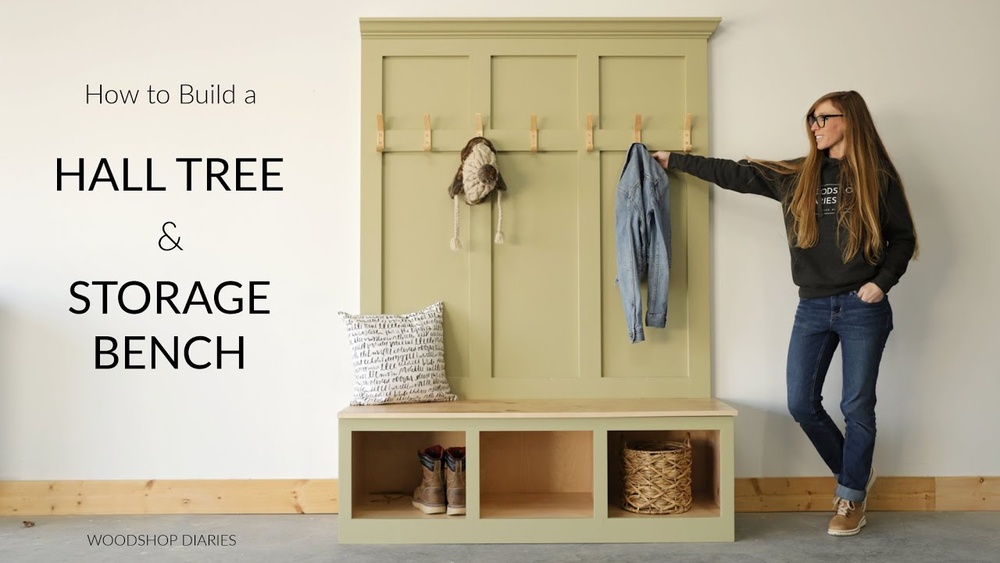
Furniture with more than one purpose fits hallways well. Benches with storage under the seat offer seating and space to hide items. Narrow console tables can hold keys and mail while providing a surface. Foldable or stackable furniture can be stored away when not needed. Multi-functional pieces reduce clutter and improve hallway flow.
Custom Shelving And Built-ins
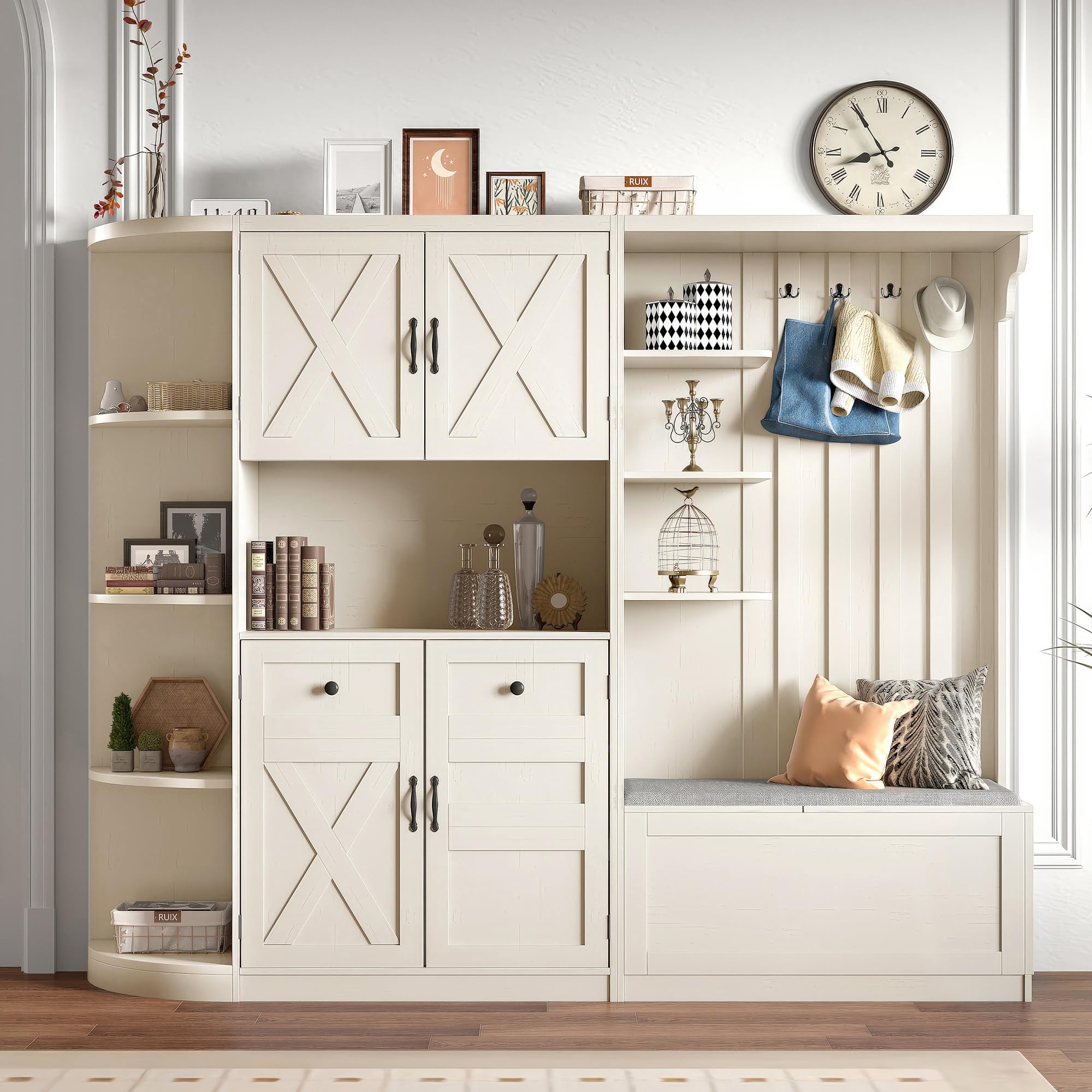
Custom shelves fit hallway spaces perfectly. Built-in storage uses every inch without blocking pathways. Tailor shelves to hold shoes, books, or decorative items. Built-ins create a clean, organized look that blends with walls. This solution maximizes storage while keeping hallways attractive and tidy.
Credit: www.amazon.com
Maximizing Hallway Functionality
Maximizing hallway functionality transforms this often overlooked space. Hallways can serve many purposes beyond just passageways. Thoughtful furniture placement adds style and utility without clutter.
Choosing the right pieces helps create an inviting, practical area. Clever design makes hallways feel larger and more welcoming. Use furniture that fits the space and your lifestyle.
Creating Stylish Entryways
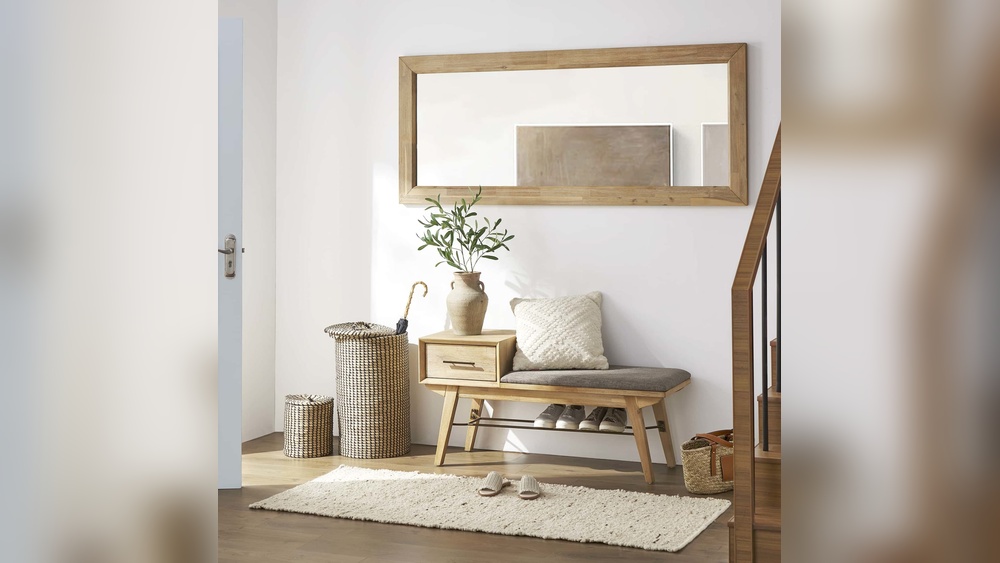
Entryways set the tone for your home’s style. A narrow console table offers a spot for keys and mail. Mirrors above the table reflect light and open the space. Choose sleek designs that don’t block movement. Add a small rug to define the area and add warmth.
Incorporating Seating And Storage
Seating in hallways provides a place to sit and remove shoes. Benches with built-in storage keep the space tidy. Use baskets or drawers to hide clutter. A compact chair or stool works well in wider halls. Select multi-functional furniture to save space and add comfort.
Lighting And Decorative Touches
Good lighting brightens hallways and highlights furniture. Wall sconces or slim floor lamps add soft light without taking up space. Use decorative items like plants or artwork to add personality. Keep decorations minimal to avoid a crowded look. Simple touches make hallways feel cozy and inviting.
Dealing With Unwanted Furniture
Unwanted furniture left in hallways creates clutter and safety hazards. It blocks emergency exits and annoys neighbors. Clearing these items fast is important for a clean, safe space.
Here are simple ways to handle unwanted furniture properly.
Coordinating With Property Management
Contact your property manager before moving or discarding furniture. They may have rules about hallway storage and disposal. Getting approval avoids fines or disputes. The management might also arrange removal services for large items. Clear communication keeps the building safe and tidy.
Arranging Charity Pickups
Donate usable furniture to local charities. Many organizations offer free pickup services. This helps people in need and reduces waste. Schedule a pickup by calling or visiting charity websites. Ensure the furniture is clean and in good condition for donation.
Proper Disposal Methods
Dispose of broken or unusable furniture responsibly. Check local waste disposal rules for bulky items. Some cities provide special collection days or drop-off centers. Avoid leaving furniture in hallways or public areas. Proper disposal keeps the environment clean and the community safe.

Credit: www.amazon.com
Preventing Future Clutter
Preventing future clutter in hallways is essential for safe, clean, and welcoming spaces. Cluttered hallways block pathways and create hazards. Simple steps help keep these areas clear and pleasant for all residents. Clear guidelines and cooperation make a big difference. Regular checks ensure the rules are followed and clutter stays away.
Establishing Clear Rules And Boundaries
Set clear rules about what can stay in hallways. Specify no furniture or personal items in common areas. Post these rules where everyone can see them. Explain why keeping hallways free is important for safety and comfort. Clear rules reduce confusion and prevent disputes.
Encouraging Community Cooperation
Ask neighbors to respect the shared spaces. Create a sense of teamwork among residents. Encourage everyone to remind each other politely about hallway rules. Cooperation leads to a cleaner, safer building. A friendly community feels proud of their living space.
Regular Maintenance And Check-ins
Schedule regular hallway inspections to catch clutter early. Property managers or volunteers can do quick checks weekly or monthly. Remove any furniture or items left behind promptly. Regular maintenance keeps hallways tidy and reduces risks. Consistent effort prevents clutter from becoming a long-term problem.
Frequently Asked Questions
What Happens If You Move Out And Leave Furniture?
Leaving furniture behind after moving out may lead to disposal by the landlord. Charges for cleaning or removal can apply. Contact your landlord quickly if you leave items accidentally. Neglecting this risks losing your furniture permanently and possible lease violations.
Is It Illegal To Leave Stuff Behind When You Move?
Leaving belongings behind when you move can violate lease terms and may lead to disposal or cleaning fees. It’s not usually illegal but can cause financial consequences. Always check your lease and notify your landlord to avoid issues.
What Happens If You Leave Stuff When You Move?
Leaving stuff behind when you move may lead landlords to discard items and charge cleaning fees. Contact them quickly to retrieve belongings.
Can You Put Furniture In A Hallway?
Yes, you can place furniture in a hallway if it fits without blocking pathways. Choose slim, functional pieces to maximize space. Ensure clear access for safety and ease of movement. Avoid clutter to keep the hallway tidy and visually appealing.
Conclusion
Leaving furniture in hallways can cause safety and legal issues. Hallways must stay clear for emergencies and smooth movement. Tenants should avoid using shared spaces for storage. Communicate with neighbors or landlords to resolve furniture problems quickly. Proper disposal or donation keeps hallways neat and accessible.
Respecting common areas helps everyone live comfortably and safely. Remember, clear hallways create a better home environment for all.