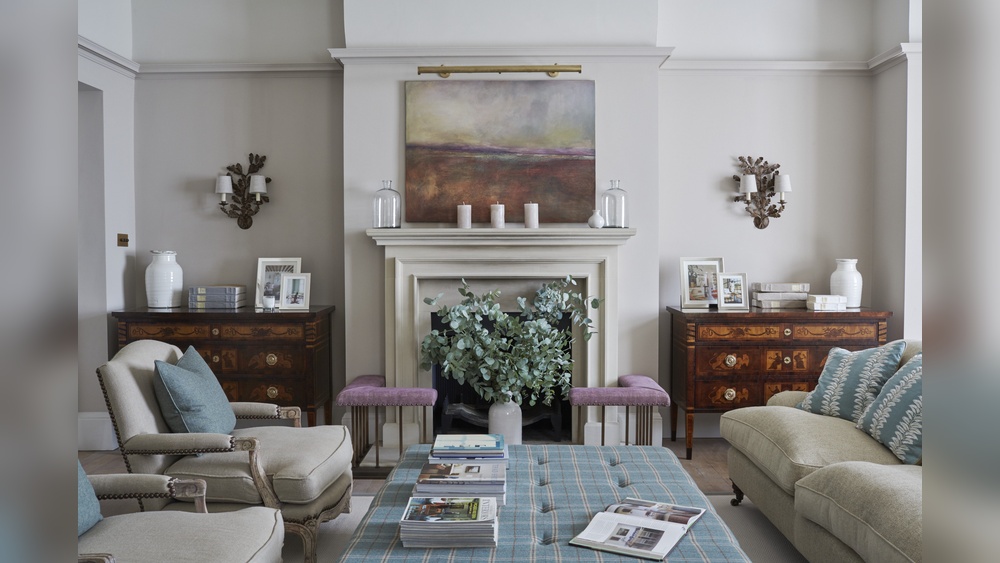
Are you wondering if your living room furniture should match your dining room furniture? It’s a common question that can make decorating feel overwhelming.
You want your home to look stylish and put-together, but you also want it to feel personal and inviting. Matching every piece perfectly might seem like the easiest path, but it can sometimes make your space feel dull or too uniform.
What if there’s a smarter way to create harmony without everything being identical? Keep reading, and you’ll discover simple tips to balance style and personality across your living and dining rooms—making your home both beautiful and uniquely yours.
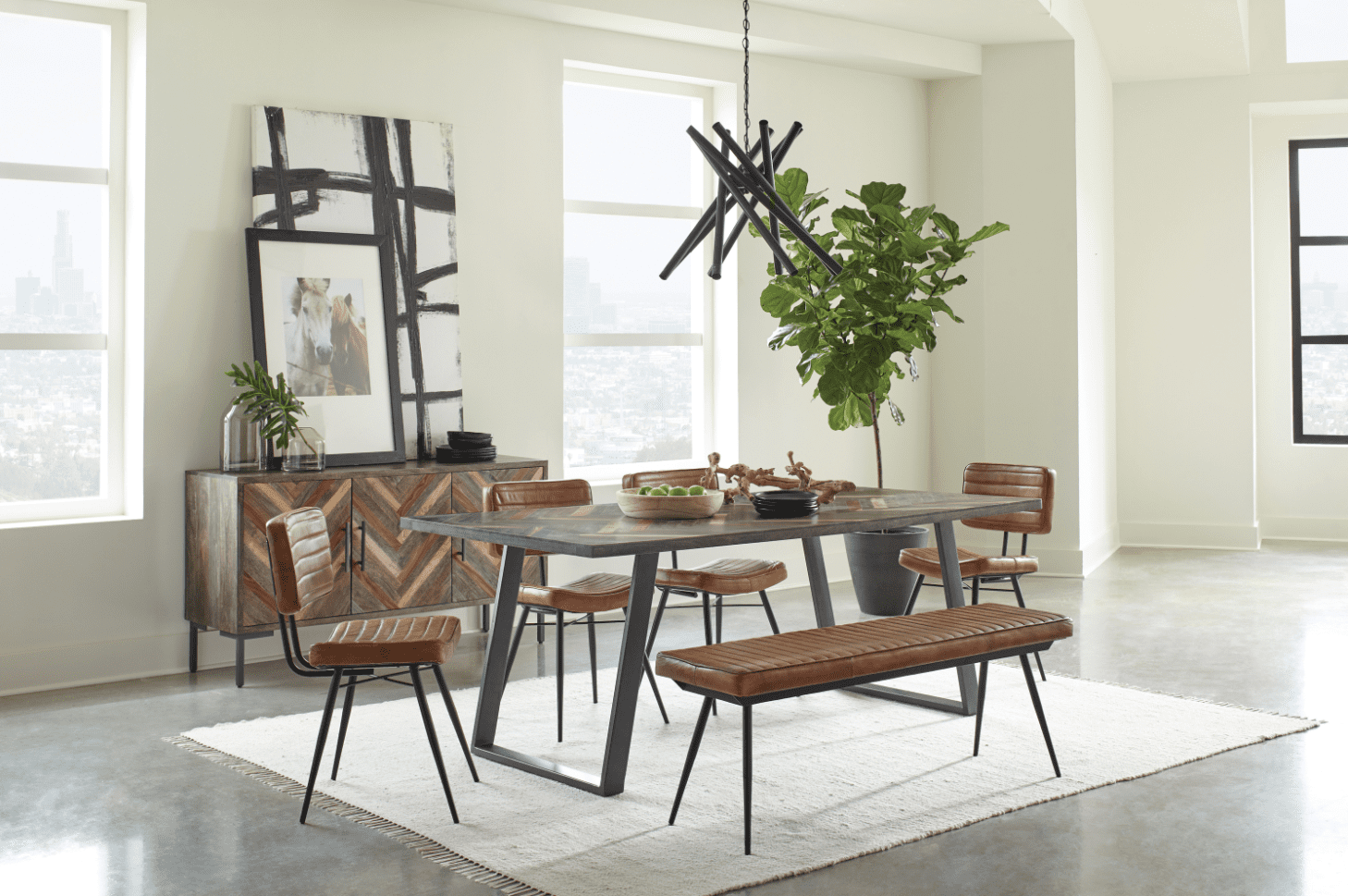
Credit: www.coasterfurniture.com
Matching Sets And Trends
Matching sets for living room and dining room furniture have been popular for decades. They offer a simple way to create a uniform look. Today, trends are shifting. More people prefer mixing styles to add character and warmth. Understanding these changes helps in designing a home that feels both fresh and inviting.
Why Matching Sets Feel Outdated
Matching furniture sets can feel too perfect. They often lack personality and make rooms look like showrooms. Uniformity can cause visual boredom and a flat atmosphere. Such sets limit creativity and make future changes harder. The style may seem old-fashioned to many homeowners. A room full of matching pieces can feel impersonal and sterile.
Modern Mixing And Matching
Mixing furniture styles is popular in modern homes. It allows for more personality and creativity. Using a shared color or material helps link different pieces. This approach creates a layered, curated look that feels unique. Mixing soft and hard textures adds interest and depth. It also offers flexibility to change or add items later without clashing.

Credit: www.castlery.com
Creating Cohesion
Creating cohesion between your living room and dining room furniture helps spaces feel connected. This connection brings balance and comfort to your home. It makes moving from one room to another smooth and pleasing to the eye.
Achieving this does not mean every piece must match exactly. Instead, use design tricks that link the two areas while keeping each room unique. This approach adds interest and flow to your home’s layout.
Using Color To Connect Spaces
Color is a powerful tool for creating harmony between rooms. Choose a color palette that repeats in both the living and dining areas. This does not mean painting walls the same color in both rooms. Use accents such as pillows, rugs, or wall art in matching or complementary shades.
For example, if your living room has blue cushions, add blue dining chair cushions or a table centerpiece. This subtle color link ties the spaces together without forcing them to be identical.
Balancing Styles With Common Elements
Different furniture styles can still work well together when united by common design elements. Materials like wood, metal, or fabric can appear in both rooms to create balance. For example, a wooden dining table pairs nicely with a wooden coffee table or side chairs in the living room.
Shapes and patterns also help bridge styles. A rounded dining chair echoes the curves of a sofa. Matching patterns in curtains or cushions add visual interest and connect the rooms. These shared elements create a thoughtful, cohesive look.
Mix And Match Strategies
Mix and match strategies bring life and personality to your home’s shared spaces. They allow freedom to blend styles and create a unique look. Using these strategies, you can design a living room and dining room that feel connected but not identical. This approach invites creativity and makes your home inviting and stylish.
Combining Different Furniture Styles
Mixing furniture styles adds depth to your rooms. Pair modern chairs with a vintage dining table for a fresh twist. Blend rustic wood pieces with sleek metal accents to create contrast. Focus on balancing shapes and textures to keep harmony. This method keeps your space interesting and dynamic.
Incorporating Unique Statement Pieces
Statement pieces catch the eye and define your space. Use a bold chandelier or colorful rug to link rooms visually. A unique coffee table or artistic chair can anchor your living room. These pieces add character and make your design memorable. They give your rooms a personal touch without needing full matching sets.
Practical Tips For Buyers
Choosing furniture for your living and dining areas can feel tricky. You want the spaces to look good together but not too matchy-matchy. Practical tips help buyers pick pieces that flow well and feel inviting. These tips focus on balance and style, so your home feels comfortable and stylish.
Choosing Complementary Dining And Living Pieces
Select furniture that shares common colors or materials. For example, wood tones in both rooms create a natural link. You can mix different styles but keep a similar finish or color palette. This way, the rooms look connected without being identical. Choose fabrics or textures that complement each other. Soft cushions in the living room can match the dining chair upholstery. This creates harmony across the spaces while keeping each area unique.
Avoiding The ‘showroom’ Look
A fully matching set can make your home feel like a store display. Avoid buying all pieces from one collection. Instead, blend styles or add personal items. Mix modern chairs with a classic dining table or use an area rug to add warmth. Include decorative items like plants or artwork to soften the look. This approach adds personality and prevents the rooms from feeling cold or dull. Your space will feel lived-in and welcoming, not staged.
Design Mistakes To Avoid
Choosing furniture for your living and dining rooms requires careful thought. Avoiding common design mistakes helps create a balanced and inviting space. These errors often disrupt harmony and reduce comfort. Keep these key points in mind to design rooms that feel connected yet functional.
Over-matching Furniture Sets
Using identical furniture in both rooms can make your home feel dull. Over-matching creates a sterile, showroom-like look. It removes personality and warmth from your space. Instead, try mixing styles while keeping a common color or material. This approach adds interest and makes each room unique.
Ignoring Room Function And Flow
Each room has a specific purpose that affects furniture choice. Placing heavy or oversized pieces in a dining room can block movement. In the living room, furniture should invite conversation and relaxation. Consider how people move between spaces. Avoid cluttering paths or creating awkward angles that hinder flow.

Credit: www.castlery.com
Frequently Asked Questions
Do Living Room And Dining Room Have To Match?
Living room and dining room furniture don’t have to match exactly. Use complementary colors or styles for a cohesive look. Mixing pieces adds personality and avoids a dull, uniform space. Create balance with a consistent color palette or design theme to connect both areas effectively.
What Is The 2/3 Rule Furniture?
The 2/3 rule in furniture suggests filling two-thirds of a space with furniture and leaving one-third open. This balance creates an inviting, functional, and spacious room layout. It helps avoid overcrowding while ensuring enough seating and surface areas for comfort and usability.
Are Matching Furniture Sets Out Of Style?
Matching furniture sets are often seen as outdated because they lack personality and appear generic. Modern styles favor mixing pieces with cohesive colors or themes. This approach creates a unique, layered look while maintaining harmony in your space.
Should Dining Chairs Match A Sofa?
Dining chairs do not need to match a sofa. Mixing styles adds personality while using a consistent color palette ties the space together.
Conclusion
Choosing whether living room and dining room furniture should match depends on your style. Matching sets can feel formal but sometimes dull. Mixing styles adds personality and makes spaces feel unique. Use colors or materials to create harmony between rooms.
This balance helps rooms connect without looking too similar. Ultimately, your home should reflect your taste and comfort. Trust your eye and enjoy arranging furniture that feels right to you.