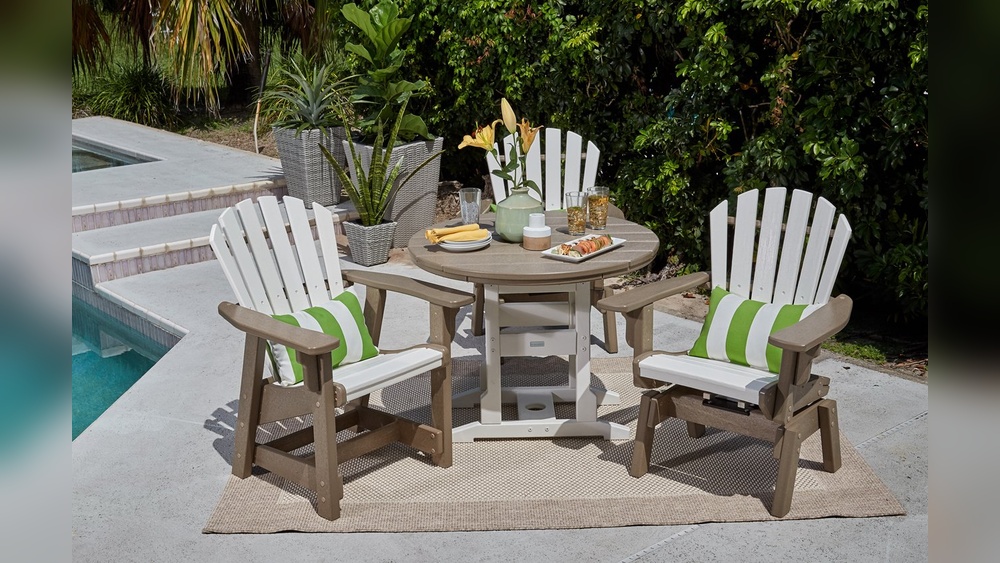
Your recycled plastic outdoor furniture adds style and sustainability to your outdoor space. But over time, dirt, dust, and weather can make it look dull and worn.
You want your furniture to shine like new without using harsh chemicals or complicated methods. The good news? Cleaning recycled plastic furniture is easier than you think. With a few simple steps and common household items, you can refresh your patio pieces and keep them looking great for years.
Ready to bring back that fresh, clean look to your outdoor furniture? Let’s dive into the best ways to clean and care for your recycled plastic furniture so it always feels inviting and comfortable.
Materials Needed
Gathering the right materials makes cleaning recycled plastic outdoor furniture easy and effective. Use simple, safe items that protect the plastic and keep it looking fresh. Prepare cleaning agents and tools before starting to save time and effort.
Cleaning Agents
Mild dish soap works well to remove dirt and grime without damaging the plastic. Mix it with warm water for gentle cleaning. White vinegar is a natural option to tackle stains and mildew. Baking soda paste helps scrub away tough spots without scratching. Avoid harsh chemicals that can fade or weaken recycled plastic.
Tools And Supplies
Soft cloths and sponges clean without scratching surfaces. Use a soft-bristle brush to reach crevices and textured areas. A garden hose or bucket provides water for rinsing soap and dirt away. Optional: a spray bottle for easy vinegar application. Have towels or rags ready to dry the furniture after washing.
:max_bytes(150000):strip_icc()/how-to-clean-white-plastic-chairs-5224349-hero-54b6cb0c107a47e595623544f15cdca6.JPG)
Credit: www.thespruce.com
Basic Cleaning Steps
Cleaning recycled plastic outdoor furniture is simple and helps keep it looking fresh. Regular basic cleaning removes dirt, dust, and grime that build up over time. Follow these easy steps to maintain your furniture’s appearance and extend its life.
Soap And Water Wash
Start by mixing mild dish soap with warm water in a bucket. Use a soft cloth or sponge to gently scrub the furniture. Focus on areas with visible dirt or stains. Avoid harsh cleaners that can damage the plastic surface. This gentle wash removes most dirt and debris effectively.
Rinsing And Drying
After washing, rinse the furniture thoroughly with clean water. This step removes any soap residue that can attract more dirt. Use a garden hose or a bucket of water for rinsing. Let the furniture air dry completely before use. Drying prevents water spots and helps maintain the furniture’s look.
Removing Stubborn Stains
Stubborn stains on recycled plastic outdoor furniture can spoil its look. Dirt, mold, and tough spots need special care. Simple soap and water may not remove these marks. Use effective methods to clean deeply and restore shine. Try these three easy ways to tackle hard stains safely.
Baking Soda Paste Method
Make a paste with baking soda and water. Apply it directly to the stain. Let it sit for 10 to 15 minutes. Use a soft brush to scrub gently. Rinse the area with clean water. Baking soda breaks down grime without harming plastic. Repeat if needed for tough spots.
Vinegar Solution Spray
Mix equal parts white vinegar and water in a spray bottle. Spray the solution on stained areas. Let it sit for 5 to 10 minutes. Wipe with a clean cloth or sponge. Vinegar removes mold and mildew effectively. Rinse with water to clear residue and dry well.
Bleach-based Cleaners
Use a mild bleach cleaner for very stubborn stains. Dilute bleach with water according to label instructions. Apply carefully with a sponge or cloth. Let it work for a few minutes only. Rinse thoroughly with water afterward. Avoid strong bleach to protect the furniture’s color and material.
Dealing With Oxidation
Oxidation causes recycled plastic outdoor furniture to look dull and faded. This happens when sunlight and air slowly break down the plastic surface. Oxidation can make your furniture appear old and worn. Removing it restores the furniture’s bright, fresh look. Simple home remedies and gentle scrubbing can reverse the damage. Here are easy ways to deal with oxidation effectively.
Petroleum Jelly Treatment
Petroleum jelly works well to soften oxidized plastic. Apply a thin layer on the affected areas. Let it sit for about 10 minutes under the sun. The warmth helps the jelly penetrate the surface. Afterward, wipe it off with a clean cloth. This method brightens the plastic and adds a slight shine. It also protects the surface from further damage.
Scrubbing With Scouring Pads
Use a fine plastic scouring pad for scrubbing stubborn oxidation. Avoid metal scrubbers that can scratch the plastic. Moisten the scouring pad with water and gently rub the oxidized spots. Work in small circles to lift dirt and oxidation. Rinse the furniture with clean water to remove residue. Repeat if needed, but do not scrub too hard. This method cleans deeply without harming the plastic’s surface.
Restoring Cloudy Plastic
Cloudy plastic on recycled outdoor furniture makes it look old and dull. Restoring its clear, fresh appearance can brighten your patio space. The cloudiness often comes from dirt, oxidation, or tiny scratches on the surface. Cleaning methods depend on how severe the cloudiness is. Simple cleaning can remove light cloudiness, while sanding and polishing help restore heavily fogged plastic.
Light Cloudiness Solutions
Start with a gentle cleaning solution to clear mild cloudiness. Mix baking soda with water to form a thick paste. Apply the paste on the plastic and scrub softly with a sponge. Rinse well with clean water and dry with a soft cloth. White vinegar also works well to remove mineral deposits. Spray vinegar on the furniture, let it sit for 10 minutes, then wipe clean. Repeat as needed to improve clarity. Avoid harsh chemicals that can damage the plastic surface.
Sanding And Polishing Techniques
For deeper cloudiness or surface scratches, sanding is effective. Use fine-grit sandpaper, starting with 400 grit and moving to 600 or 800 grit. Sand gently in circular motions to avoid creating new scratches. After sanding, clean off all dust with a damp cloth. Apply a plastic polish or a mild rubbing compound to restore shine. Buff the area with a soft cloth until smooth and glossy. This method helps bring back the plastic’s original look and protects it from future damage.
:max_bytes(150000):strip_icc()/how-to-clean-white-plastic-chairs-5224349-hero-54b6cb0c107a47e595623544f15cdca6.JPG)
Credit: www.thespruce.com
Using Specialized Cleaners
Using specialized cleaners helps keep recycled plastic outdoor furniture looking fresh. These products target dirt, stains, and oxidation without harming the material. They are designed to clean deeply while protecting the plastic’s color and texture. Choosing the right cleaner ensures your furniture stays durable and attractive for years.
Plastic Furniture Cleaners
Plastic furniture cleaners are made specifically for outdoor plastic surfaces. They remove dirt, grime, and mildew effectively. Most cleaners come in spray or liquid forms for easy use. Apply the cleaner with a soft cloth or sponge and wipe gently. Rinse thoroughly to avoid residue that can attract more dirt. These cleaners often contain UV protectants to prevent fading.
Automotive Plastic Polishes
Automotive plastic polishes work well on recycled plastic furniture too. They restore shine and remove light scratches or oxidation. Use a small amount on a soft cloth and rub in circular motions. These polishes help revive dull surfaces, making furniture look new again. Always test on a small area first to check for any reaction. Finish by wiping off excess polish for a smooth finish.
Preventive Care Tips
Preventive care keeps recycled plastic outdoor furniture looking fresh and lasting longer. Simple habits protect your furniture from dirt, stains, and damage. A little effort now saves time and money later. Follow these tips to maintain your furniture’s appearance and strength.
Regular Cleaning Schedule
Clean your furniture often to prevent buildup of dirt and grime. Use mild soap and warm water with a soft cloth or sponge. Avoid harsh cleaners that can damage the plastic. Rinse well to remove soap residue. Dry the furniture completely to stop mold and mildew growth. Set a weekly or biweekly cleaning routine based on how much you use the furniture. Regular cleaning keeps the surface smooth and bright.
Protective Measures
Place furniture in shaded areas to reduce sun damage. UV rays can fade and weaken plastic over time. Use covers when furniture is not in use. Covers block dust and moisture. Avoid dragging furniture on rough surfaces to prevent scratches. Lift pieces when moving them. Store cushions indoors during rain or snow. These simple steps guard your furniture against weather and wear.
Credit: www.homedepot.com
Frequently Asked Questions
How To Clean Recycled Plastic Furniture?
Mix mild dish soap with warm water. Wipe furniture using a soft cloth or sponge. Rinse thoroughly to remove soap. Let air dry fully before use. Repeat as needed to maintain cleanliness and appearance.
How Do You Make Plastic Outdoor Furniture Look New?
Clean plastic furniture with mild soap and warm water using a soft cloth. Rinse well and air dry. Remove stains with a baking soda paste or white vinegar spray. For deep stains or oxidation, gently scrub with a fine plastic scouring pad or use a plastic cleaner.
How Do You Clean Oxidized Plastic Patio Furniture?
Clean oxidized plastic patio furniture by applying petroleum jelly, letting it sit in sunlight, then buffing with a paper towel. Lightly scrub crusty areas with a fine plastic scouring pad before wiping off the jelly. Rinse and air dry for best results.
How To Get Cloudy Plastic Clear Again?
To clear cloudy plastic, scrub with a baking soda paste or soak in vinegar to remove deposits. For scratches, wet sand with fine-grit paper, then polish with a plastic compound for shine. Rinse and dry thoroughly after each step.
Conclusion
Cleaning recycled plastic outdoor furniture keeps it looking fresh and inviting. Use mild soap and water to remove dirt gently. Rinse well to avoid soap residue that attracts grime. Let the furniture dry completely before use. Regular cleaning prevents stains and prolongs the furniture’s life.
Simple care helps maintain its color and texture over time. Follow these easy steps to enjoy your outdoor space comfortably. Clean furniture invites relaxation and enhances your garden’s appeal. Keep your recycled plastic furniture neat with little effort.