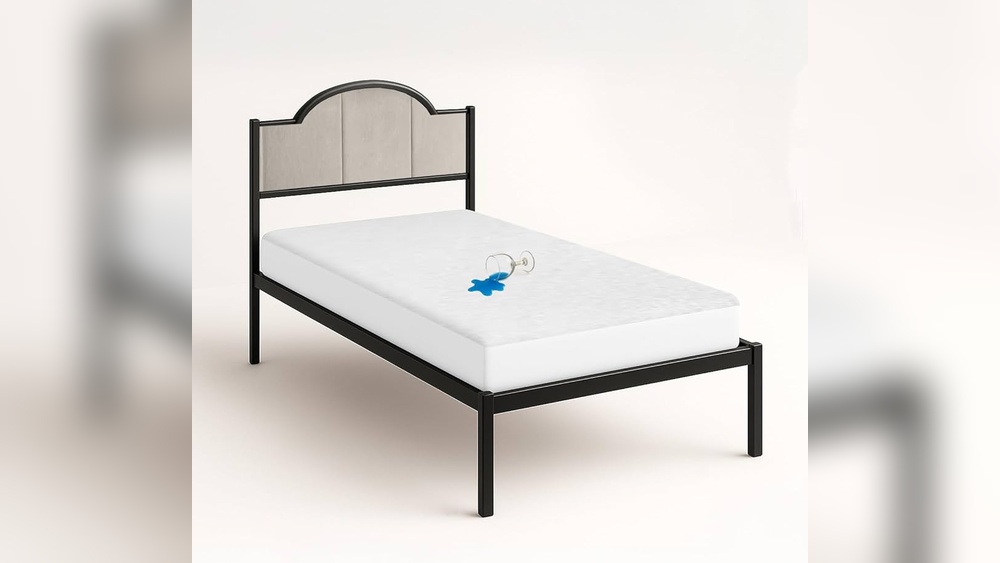
Are you wondering how deep a bunk bed mattress should be? Choosing the right mattress depth can make a big difference in comfort and safety.
If your mattress is too thin, it might not provide enough support. Too thick, and it could be unsafe or not fit properly. You’ll discover exactly what depth works best for bunk beds. Keep reading to find the perfect mattress depth that keeps you comfortable and secure every night.

Credit: www.walmart.com
Bunk Bed Mattress Basics
Bunk bed mattresses differ from regular mattresses in size and depth. Choosing the right mattress depth is key for safety and comfort. The mattress must fit the bunk frame well to avoid gaps. A mattress that is too thick can cause falls from the top bunk. A mattress that is too thin may not provide enough comfort or support.
Understanding mattress depth helps find the best fit for any bunk bed. This section explains the common mattress depths and material options available. These factors affect both safety and sleep quality on a bunk bed.
Standard Mattress Depths
Most bunk bed mattresses range from 6 to 8 inches deep. The typical depth is around 6 to 7 inches. Some bunk beds require thinner mattresses, about 5 inches deep, to fit safety rails. Thicker mattresses of 8 inches or more may not be safe on the top bunk. Always check the bunk bed manufacturer’s recommendations before buying.
Materials And Thickness Options
Bunk bed mattresses come in various materials such as foam, innerspring, and hybrid. Foam mattresses are lightweight and often thinner, around 6 inches. Innerspring mattresses provide more support but can be heavier. Hybrid mattresses combine foam and springs for comfort and durability. Choose a mattress thickness that fits the bunk bed frame and supports the sleeper’s weight. A balanced mattress is important for both safety and comfort.

Credit: casper.com
Safety Considerations
Safety is the top priority for bunk bed mattresses. The mattress depth affects how secure the bed feels. Choosing the right mattress size helps prevent accidents. It also ensures a comfortable sleep without risks. Below are key safety points to consider for a bunk bed mattress.
Guardrails And Mattress Height
Guardrails protect sleepers from rolling off the bed. The mattress should not be too thick. A thick mattress can reduce guardrail height. This makes falls more likely. Measure mattress depth to keep guardrails effective. A mattress that fits well helps maintain safety standards.
Preventing Falls And Injuries
Falls are common with bunk beds. Proper mattress depth lowers this risk. A mattress that is too thin may cause gaps. Gaps can trap limbs or cause slipping. Secure mattress depth fills the frame fully. This keeps sleepers stable and reduces injury chances.
Comfort Factors
Comfort matters a lot in a bunk bed mattress. A mattress that feels good helps you sleep better. It stops aches and pains. Choosing the right mattress depth is important for comfort. But other factors also affect how you feel on the bed.
These comfort factors include firmness, breathability, and support. Each one plays a role in making the mattress cozy and safe. Let’s explore these to find the best fit for a bunk bed.
Choosing The Right Firmness
Firmness affects how your body rests on the mattress. Too soft can cause you to sink too deep. Too hard can make the bed uncomfortable. A medium-firm mattress often works best for bunk beds. It supports your body and feels gentle.
Kids and adults may prefer different firmness. Think about who will use the bed most. A mattress with balanced firmness helps avoid back pain. It also keeps you stable while sleeping in a smaller space.
Breathability And Support
Breathability lets air flow through the mattress. This stops heat buildup and keeps you cool. A mattress with good airflow feels fresh all night. Look for materials like foam with air channels or innersprings.
Support means the mattress holds your body well. It keeps your spine in a natural position. Proper support reduces pressure points and improves sleep quality. Together, breathability and support make a mattress comfortable for any bunk bed.
Measuring Your Bunk Bed
Measuring your bunk bed is the first step to choosing the right mattress. A proper fit ensures safety and comfort. It also helps avoid mattress damage or frame problems. Taking accurate measurements saves time and money.
Checking Frame Specifications
Start by checking the bunk bed frame’s size and design. Look for the width, length, and height of each sleeping area. Note any side rails or guardrails that affect mattress space. Some frames have slats or solid platforms that influence mattress depth. Write down these details clearly for reference.
Matching Mattress To Bed Dimensions
Use the frame’s measurements to find a mattress that fits well. The mattress should fill the bed frame without gaps. Too thick a mattress can block guardrails and cause safety issues. Too thin a mattress may feel uncomfortable and reduce support. Choose a mattress with the right depth to balance comfort and safety.
Mattress Types For Bunk Beds
Bunk beds need special mattresses that fit well and feel good. Choosing the right mattress type matters for comfort and safety. Some mattresses work better for bunk beds than others. The depth of the mattress affects how much space is left in the bed. Below are common mattress types used for bunk beds.
Foam Mattresses
Foam mattresses are light and easy to handle. They come in different thicknesses, usually 6 to 8 inches deep. Foam molds to the body, giving good support. These mattresses are quiet and do not make noise when moving. Foam is also good for bunk beds because it is less heavy.
Innerspring Mattresses
Innerspring mattresses have coils inside for support. They tend to be thicker, often 8 to 10 inches deep. These mattresses are firm and last a long time. They can be heavier, which may be harder for bunk bed frames. Some innerspring mattresses have a pillow top for extra softness.
Hybrid Options
Hybrid mattresses combine foam and innerspring layers. They balance comfort and support well. Hybrids usually range from 7 to 9 inches in depth. These mattresses offer good airflow to keep sleepers cool. They are a strong choice for bunk beds if the frame supports the weight.
Common Mistakes To Avoid
Choosing the right mattress depth for a bunk bed is very important. Many people make mistakes that cause discomfort or safety problems. Avoiding these errors helps keep the bunk bed safe and comfortable for everyone.
Too Thick Or Too Thin Mattresses
A mattress that is too thick can make the guardrails less effective. This increases the risk of falling from the top bunk. A mattress that is too thin may not provide enough support. It can cause discomfort and poor sleep quality. Always choose a mattress with the right depth for your bunk bed.
Ignoring Safety Guidelines
Safety rules exist for a reason. Ignoring these guidelines can lead to accidents. Make sure the mattress fits well within the bed frame. Check that the mattress does not go above the guardrails. Follow weight limits recommended by the manufacturer. These steps protect the sleeper and prevent injuries.
Maintenance Tips
Maintaining your bunk bed mattress is important for comfort and hygiene. Regular care keeps it fresh and lasts longer. Follow simple steps to keep the mattress in good shape.
Cleaning And Care
Remove bedding and vacuum the mattress weekly. This removes dust and allergens. Spot clean stains with mild soap and water. Avoid soaking the mattress to prevent mold. Use a mattress protector to block spills and dirt.
Extending Mattress Life
Rotate the mattress every few months. This prevents uneven wear and sagging. Avoid jumping on the bunk bed to protect the mattress. Ensure good air circulation around the mattress to reduce moisture. Replace the mattress after 7 to 10 years for best support.

Credit: www.amazon.com
Frequently Asked Questions
How Deep Should A Bunk Bed Mattress Be?
A bunk bed mattress typically ranges from 6 to 8 inches deep. This depth ensures comfort and safety, fitting well within bunk bed frames without compromising guardrails or height clearance.
Can A Thick Mattress Fit On A Bunk Bed?
Thicker mattresses, over 8 inches, may not fit safely on bunk beds. They can reduce guardrail effectiveness and increase fall risk, so it’s best to choose thinner mattresses designed for bunk beds.
Why Is Mattress Depth Important For Bunk Beds?
Mattress depth affects safety and comfort. Proper depth ensures the mattress fits securely without reducing guardrail height, preventing falls while providing a comfortable sleeping surface.
Are Standard Mattress Depths Suitable For Bunk Beds?
Standard mattresses (8-12 inches) are often too thick for bunk beds. Opt for thinner mattresses (6-8 inches) to maintain safety and appropriate bunk bed clearance.
Conclusion
Choosing the right bunk bed mattress depth matters for safety and comfort. A mattress that fits well helps prevent falls and ensures a good night’s sleep. Most bunk bed mattresses range between 6 to 8 inches deep. Thicker mattresses may not fit properly or affect guardrails.
Thin mattresses might feel less cozy and supportive. Keep these points in mind when selecting your mattress. Sleep safely and comfortably every night.