Are you wondering how deep your entryway bench should be to fit perfectly in your space? Choosing the right depth can make a huge difference in comfort, style, and functionality.
Too shallow, and it won’t be comfortable to sit on. Too deep, and it might take up more space than you have. You’ll discover the ideal bench depth that suits your needs and transforms your entryway into a welcoming, practical spot.
Keep reading to find the perfect balance for your home!

Credit: georgefurniture.com
Ideal Entryway Bench Depth
The ideal depth of an entryway bench affects both comfort and space. Choosing the right size helps the bench fit well in your entryway. It also makes sitting and storing items easier. The depth should balance between functionality and room size.
Standard Depth Measurements
Most entryway benches have a depth between 14 and 18 inches. This size is enough for comfortable seating without taking too much space. A bench about 16 inches deep suits most people for sitting and putting on shoes. Shallower benches under 14 inches save space but may feel less comfortable. Deeper benches over 18 inches offer more sitting room but need more space in the entryway.
Factors Influencing Depth Choice
The size of your entryway affects how deep the bench should be. Small spaces need shallower benches to avoid crowding the area. Consider what you will use the bench for. If you want extra storage or to sit for longer, go deeper. The height and width of the bench also matter for overall comfort. Think about the style and how much space you want to leave for walking.
Space Considerations
Space is a key factor when choosing the depth of an entryway bench. It must fit well without crowding the area. A bench too deep can block pathways. A bench too shallow may feel uncomfortable to sit on. Careful measurement and planning help find the right balance.
Measuring Your Entryway
Start by measuring the width and depth of your entryway. Note any doors that swing open nearby. Check how much floor space remains after placing other items. Measure from the wall to the edge of the walkway. Record these numbers to guide your bench choice.
Balancing Bench Size With Walkway Space
Leave enough space for people to walk freely. Aim for at least 30 inches of clear walkway. Choose a bench depth that fits without shrinking this space. A depth between 14 and 18 inches works well in most entryways. This size gives comfort and keeps paths clear.
Bench Functionality
Choosing the right depth for an entryway bench depends largely on its purpose. A bench serves many roles beyond just a place to sit. It can offer comfort, storage, or both. Understanding these functions helps pick the perfect size.
Seating Comfort And Depth
Seating comfort is key for an entryway bench. A bench too shallow feels tight and uncomfortable. A depth between 15 to 18 inches usually fits most people well. This size allows you to sit and put on shoes without strain. Too deep a bench can make sitting awkward without back support. A comfortable depth supports natural posture and ease.
Storage Options And Depth Impact
Storage needs affect bench depth too. Benches with built-in storage require more depth. A deeper bench can hold baskets, shoes, or other items neatly. Depths of 18 to 24 inches work well for storage benches. This size balances space for sitting and enough room for items. Shallow benches offer less storage but save space. Decide on storage first, then choose the bench depth.
Material And Style Effects
The material and style of an entryway bench greatly affect its depth. Different materials have unique thicknesses. These thicknesses impact the bench’s overall size and comfort. Style choices also change how deep a bench should be. Both material and design work together to create the best fit for your space.
Material Thickness And Depth
Wood benches often have thicker seats and sides. This makes them feel sturdy but adds to the depth. Metal benches usually have thinner parts. They appear lighter and take up less space. Upholstered benches add extra depth with cushions. The cushion thickness can vary from firm to plush. This changes how deep the bench feels when you sit.
Choosing a thicker material means a deeper bench. Thin materials keep the depth minimal. Consider the room size and how much space you want the bench to fill.
Design Styles And Depth Variations
Traditional benches tend to be deeper. They often include storage or thick cushions. Modern styles usually have cleaner lines and less depth. Minimalist benches focus on slim profiles and simple shapes. Rustic benches can be bulky with raw wood textures. These add visual weight and require more depth.
Some benches have backs and armrests, adding to the depth. Backless benches save space and feel lighter. Choose a style that matches your entryway size and decor. This helps balance look and function perfectly.
Custom Vs. Pre-made Benches
Choosing the right depth for an entryway bench depends on whether you want a custom or pre-made option. Both have benefits and limits. Custom benches allow unique sizes. Pre-made benches offer standard dimensions and quick availability. Understanding these differences helps pick the best bench for your space and needs.
Benefits Of Custom Depths
Custom benches fit your entryway perfectly. You control the depth to match your space. This helps if your hallway is narrow or wide. You can make the bench deeper for extra seating comfort. Or choose a shallow depth to save space. Custom benches also match your style and color choices. They can include storage features tailored to your needs. Custom options offer flexibility that pre-made benches cannot.
Common Pre-made Bench Sizes
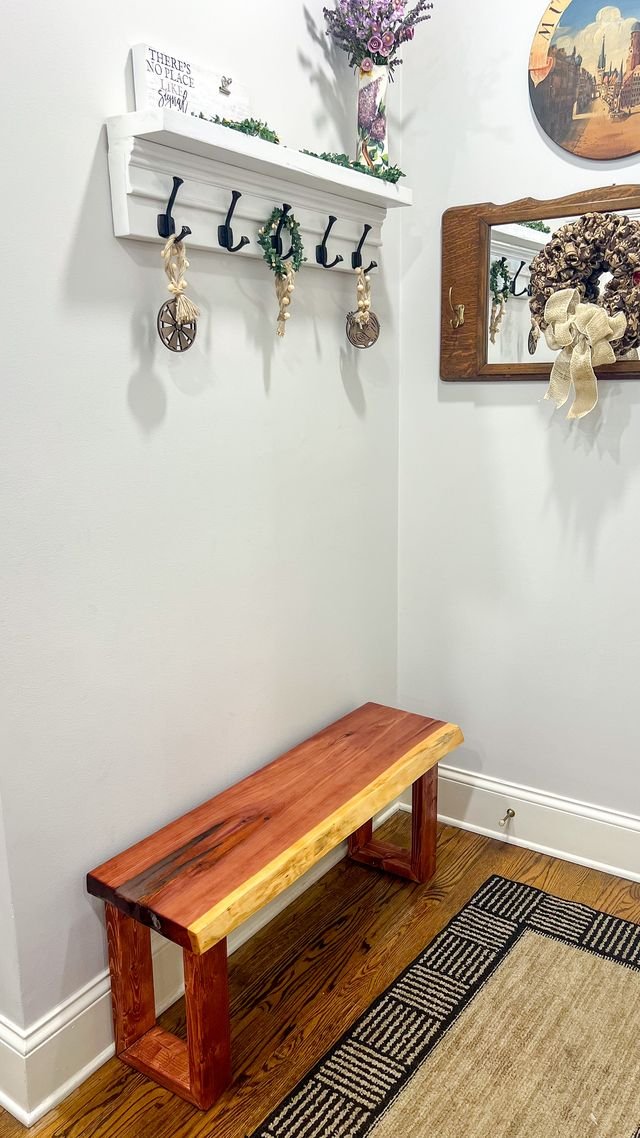
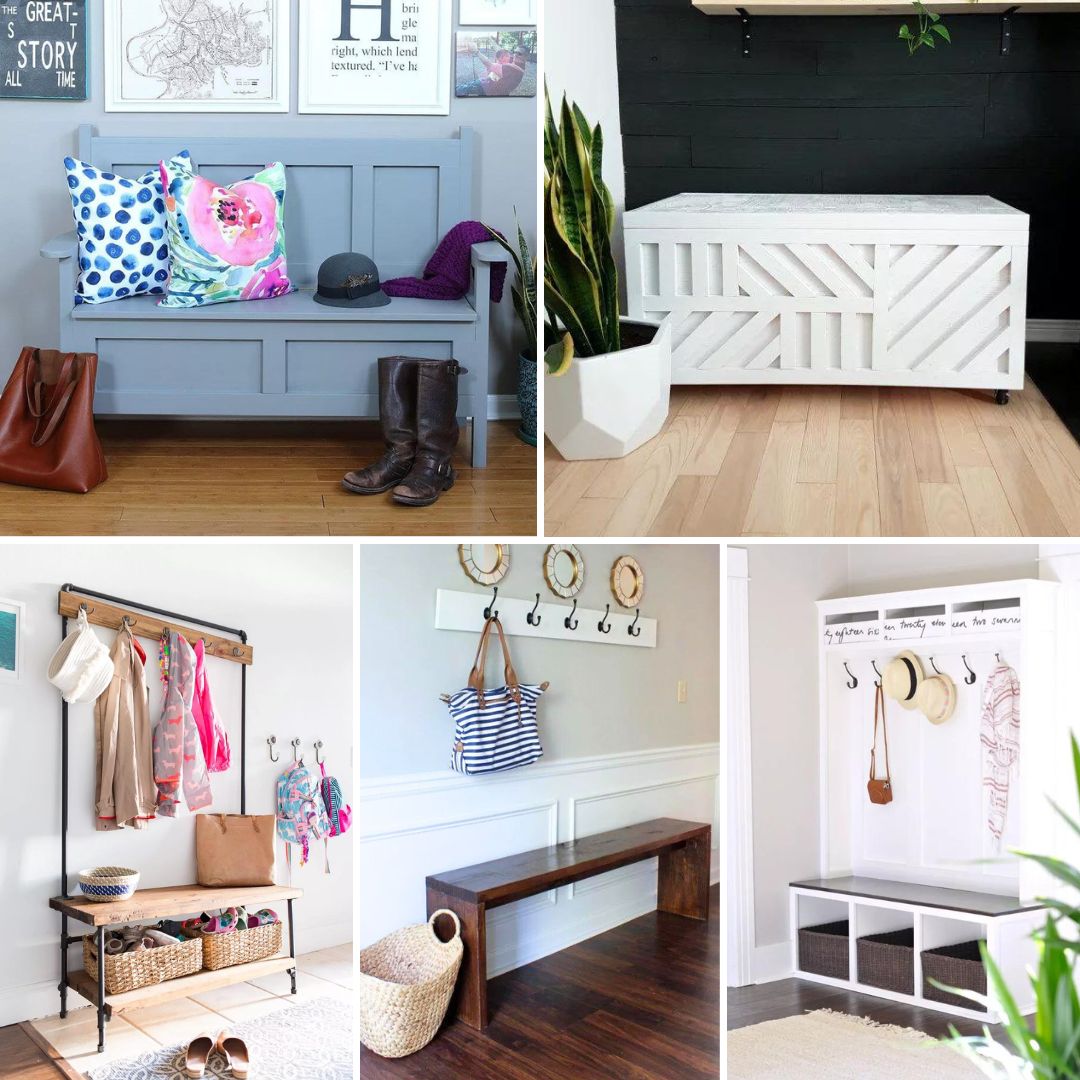
Pre-made benches usually have depths between 14 to 18 inches. This size fits most entryways and halls. It allows enough space to sit comfortably. Many come with built-in storage like shelves or drawers. Pre-made benches are easier to find in stores or online. They cost less and arrive faster than custom benches. Standard sizes work well for typical home layouts. But they may feel too big or small for some spaces.
Credit: breezingthrough.com
Measuring Tips For Perfect Fit
Measuring the entryway bench depth is key for a good fit. The right size makes the space look neat and feel comfortable. Take accurate measurements to avoid buying a bench that is too big or too small. This section shares easy tips to get measurements right for your entryway bench.
Tools To Use
A tape measure works best for measuring bench depth. It is flexible and shows precise numbers. A pencil and paper help note down measurements. A level can check if your floor and walls are straight. This ensures the bench sits evenly without rocking.
Avoiding Common Measurement Mistakes
Do not guess measurements. Always measure twice to confirm. Measure from the wall to the edge of the space. Check for obstacles like door swings or baseboards. Do not forget to measure the bench height too. This ensures it fits well and is easy to sit on.
Credit: designertrapped.com
Frequently Asked Questions
What Is The Ideal Depth For An Entryway Bench?
The ideal depth for an entryway bench is typically 14 to 18 inches. This size allows comfortable seating without crowding your entryway. It also provides enough space to sit and put on shoes easily.
How Does Bench Depth Affect Entryway Space?
A deeper bench takes more floor space, which can make small entryways feel cramped. Choosing a bench depth between 14 to 18 inches balances comfort and space efficiency.
Should Entryway Bench Depth Vary By Use?
Yes, if the bench is mainly for seating, a depth of 16 to 18 inches is best. For storage purposes, a shallower bench around 14 inches may work better.
Can A Deeper Bench Improve Comfort?
A deeper bench offers more seating comfort but may reduce walking space. Aim for a balance between comfort and entryway size to keep the area functional.
Conclusion
Choosing the right depth for an entryway bench matters a lot. It should fit your space and needs comfortably. Too deep, and it may block the walkway. Too shallow, and it won’t be comfortable to sit on. Think about how you will use it every day.
Measure your space before buying or building. A well-sized bench makes your entryway look neat and inviting. Keep these simple tips in mind for a practical and stylish bench. Your home’s first impression will thank you.