Are you struggling to find the perfect depth for your bookshelf? Choosing the right size isn’t just about fitting your books—it affects how organized and attractive your space looks.
If your shelves are too shallow, your books might stick out or fall over. Too deep, and you could waste space or make your room feel cluttered. You’ll discover simple tips to help you decide exactly how deep your bookshelf should be.
Keep reading to make sure your shelves fit your needs perfectly and keep your favorite books looking their best.
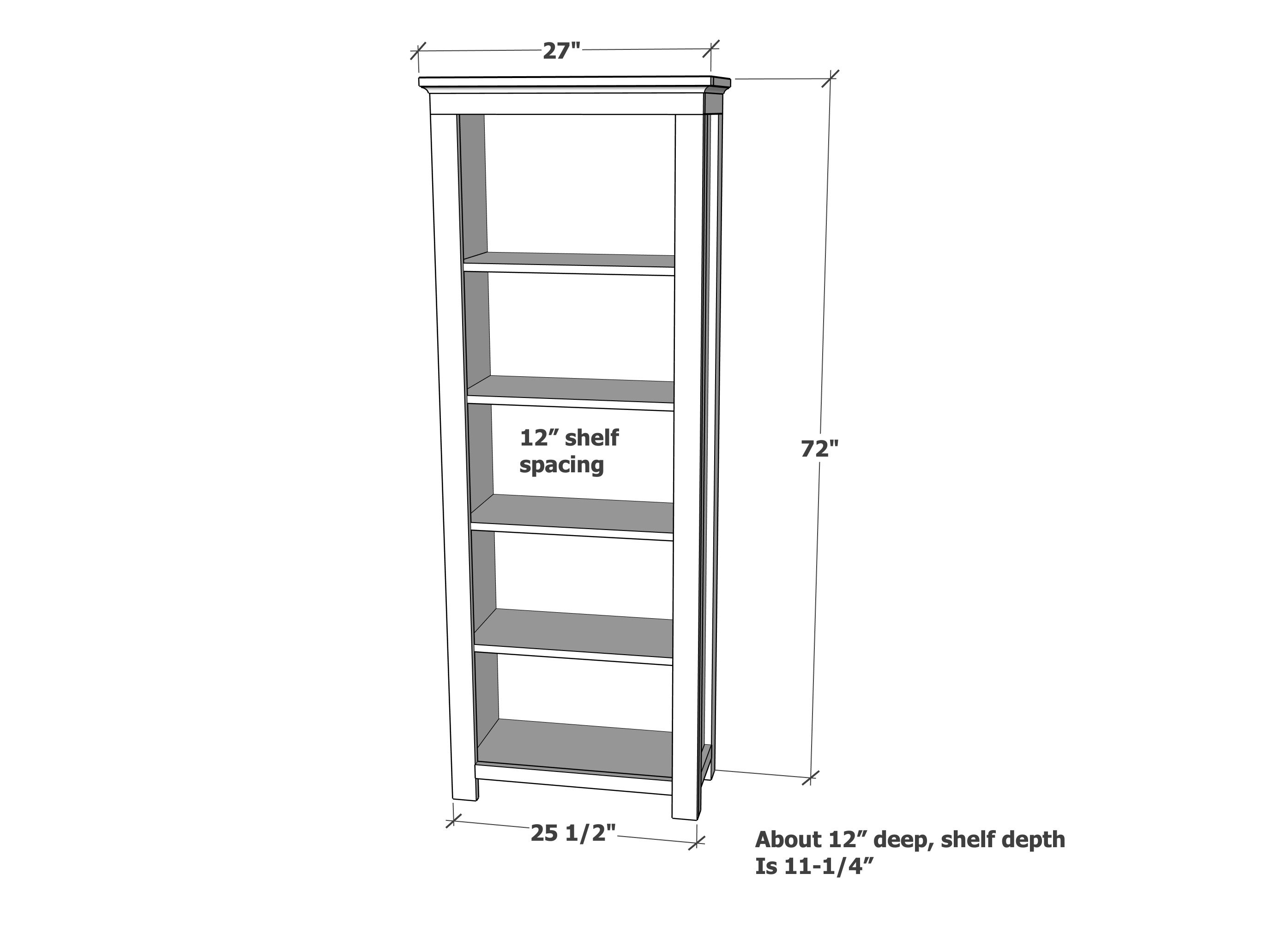
Credit: www.ana-white.com
Ideal Bookshelf Depth
Choosing the right depth for your bookshelf is important. The depth affects how your books fit and how the shelf looks in your room. A shelf too shallow won’t hold your books well. A shelf too deep can waste space and make books hard to reach. The ideal depth balances function and style.
Standard Depths For Bookshelves
Most bookshelves come in standard depths. The common depth is about 10 to 12 inches. This size fits most books comfortably. It also works well in most rooms, not taking too much space. Some shelves are shallower, around 6 to 8 inches. These are good for small books or decorative items.
Depths For Different Book Sizes
Book sizes vary a lot. Paperbacks usually need about 5 to 6 inches of depth. Hardcovers need more space, around 8 to 10 inches. Large art books or coffee table books may require 12 inches or more. Measure your books before choosing a shelf depth. This helps avoid buying a shelf that is too deep or too shallow.

Credit: eatmovemake.com
Measuring Your Books
Knowing how deep your bookshelf should be starts with measuring your books. Measuring helps you choose the right shelf size. It also keeps your books safe and neat. Take your time to measure carefully.
Measure the width, height, and thickness of your books. These numbers tell you how much space you need on your shelf.
Measuring Book Width And Height
First, measure the width of your books. Place your book flat and measure from one edge to the other. Write down the widest book size. This helps set the shelf depth.
Next, measure the height. Stand your book up and measure from the bottom to the top. Note the tallest book. Shelves need to be tall enough to fit all books without bending.
Considering Book Thickness
Measure the thickness of each book by checking the spine width. Add up the thickness of all books you plan to store. This total shows how long your shelf should be. Leave a little extra space for easier access and future books.
Bookshelf Depth For Various Items
Choosing the right bookshelf depth depends on what you want to store. Different items need different shelf sizes. This helps keep your space tidy and makes items easy to reach.
Bookshelves come in many depths. Picking the right one helps protect your books and other items. It also makes your shelf look balanced and neat.
Books And Novels
Standard books usually fit well on shelves about 10 to 12 inches deep. This depth holds most novels and paperbacks comfortably. It leaves enough space to pull books out easily. Larger coffee table books may need deeper shelves.
Magazines And Journals
Magazines and journals are thinner than books. Shelves 8 to 10 inches deep work best for these. They keep magazines upright and prevent them from bending. Using shallower shelves saves room and looks tidy.
Decorative Items And Storage Boxes
Decorative items need more space to stand out. Shelves 12 to 16 inches deep give enough room. Storage boxes vary in size, so deeper shelves help fit them well. Proper depth keeps your display neat and organized.
Customizing Depth For Space
Choosing the right bookshelf depth shapes both function and style in your room. Bookshelves should fit the space without crowding it. Adjusting depth helps match your storage needs and room size. It also affects how your books and items look on display.
Custom depths make your bookshelf fit perfectly. They help you use space smartly and keep your items safe and neat. Different depths suit different purposes and spaces.
Narrow Bookshelves For Small Spaces
Narrow bookshelves save space and keep rooms open. They usually range from 8 to 10 inches deep. This size fits most paperbacks and small books. Perfect for tight corners or narrow walls.
These shelves keep your room airy. They prevent a heavy, crowded look. Narrow shelves work well in apartments, offices, or hallways. Use them to store books without losing walking space.
Deep Shelves For Display Purposes
Deep shelves offer space for large books and decorations. Shelves 12 to 16 inches deep hold art, photos, and collectibles. They create a visual focal point in the room.
Use deep shelves to showcase favorite items. They allow stacking and layering for a stylish look. These shelves suit living rooms and offices with extra space.
Material And Design Impact
The material and design of your bookshelf play a big role in deciding its depth. Different materials have different strengths and thicknesses. These affect how deep the shelves can be without bending or breaking. The design also sets limits on shelf depth to keep the bookshelf stable and looking good.
Shelf Thickness And Strength
Thicker shelves are stronger and can hold more weight. Wood, metal, and MDF all have different thickness options. Solid wood shelves usually need to be thicker to avoid sagging. Metal shelves can be thinner but still strong. MDF shelves need extra thickness to support heavy books. Choosing the right thickness helps the shelf last longer and hold everything safely.
Design Choices Affecting Depth
The style of your bookshelf affects how deep the shelves should be. Open designs with thin sides need shallower shelves for balance. Boxy or built-in designs allow for deeper shelves. Adjustable shelves give more flexibility in depth. Shelves with back panels can be deeper without losing strength. Think about how you want your bookshelf to look and work before choosing depth.
Adjustable Shelves And Flexibility
Adjustable shelves bring great flexibility to your bookshelf design. They let you change shelf height and depth. This feature helps you fit books and other items of different sizes. Adjustable shelves make your bookshelf useful for many purposes. They also help you save space by avoiding wasted room on shelves that are too deep or too shallow.
Benefits Of Adjustable Depth Shelves
Adjustable depth shelves allow you to customize the space for each item. You can store thick books on deeper shelves. Thin magazines or decor pieces fit better on shallower shelves. This adaptability prevents clutter and keeps your bookshelf neat. Changing shelf depth also makes the bookshelf last longer. As your collection grows or changes, your shelves can change too. It means you do not need a new bookshelf often. Adjustable shelves also help in organizing items by size or type. This ease of organization saves time and effort.
Diy Vs Pre-made Options
Building your own adjustable shelves gives full control over size and style. You choose materials and shelf mechanisms that suit your needs. DIY shelves can be cheaper but require time and skills. Pre-made adjustable shelves offer convenience and quick setup. They come with standard sizes and easy-to-use adjustments. Pre-made options suit those who want a fast solution. Both choices provide flexibility, but DIY lets you customize deeply. Pre-made shelves fit well in common spaces and styles. Consider your budget, time, and skills before deciding.
Common Mistakes To Avoid
Choosing the right bookshelf depth is not easy. Many make simple mistakes that cause problems later. Avoiding these common errors saves time and money. It also makes your bookshelf look better and fit your space well.
Too Shallow Or Too Deep
Bookshelves that are too shallow can’t hold many books. Thin shelves may cause books to stick out or fall off. Too deep shelves waste space and make books hard to reach. They also look bulky and unbalanced in small rooms. Find a depth that fits most books without extra space.
Ignoring Book Sizes
Books come in many sizes. Ignoring their height and width causes trouble. Tall books may not fit on low shelves. Wide books need more depth to sit properly. Measure your biggest books before buying or building shelves. Custom shelves work best for unique collections.
Credit: www.reddit.com
Tools And Tips For Measuring
Measuring your bookshelf correctly starts with having the right tools. Simple tools and clear steps help you get accurate measurements. This makes sure your shelf fits well and holds your books safely.
Using Measuring Tape Effectively
Choose a sturdy measuring tape for better control. Keep the tape straight and tight to avoid errors. Measure the depth from the front edge to the back wall. Take note of the smallest depth in case the wall is uneven. Write down the numbers immediately to avoid forgetting.
Planning Shelf Layout
Think about the size of your books before measuring. Arrange books by height to decide shelf spacing. Leave extra space for larger books or future additions. Mark your planned shelf depths on paper for a clear view. This helps avoid mistakes and wasted space.
Frequently Asked Questions
How Deep Should A Bookshelf Be For Standard Books?
A bookshelf should be 10 to 12 inches deep for standard books. This depth comfortably fits most book sizes without wasted space. It ensures books stand upright and are easy to access, making it an ideal choice for typical home or office use.
What Bookshelf Depth Suits Large Coffee Table Books?
For large coffee table books, a depth of 14 to 16 inches is best. This extra space accommodates oversized books without overhang. It also allows for displaying books flat or stacked, enhancing both storage and visual appeal.
Can Bookshelf Depth Affect Room Space And Design?
Yes, bookshelf depth impacts room space and aesthetics. Deeper shelves hold more items but take up more room. Choosing the right depth balances storage needs with room flow and design harmony, keeping the area functional and visually pleasing.
Is There A Standard Bookshelf Depth For Children’s Books?
Children’s bookshelves typically range from 8 to 10 inches deep. This size fits small and medium books perfectly and keeps shelves child-friendly. It also helps maintain organized and accessible storage for young readers.
Conclusion
Choosing the right bookshelf depth makes a big difference. It keeps your books safe and your space neat. Most books fit well on shelves 10 to 12 inches deep. Larger books need deeper shelves, around 14 inches. Think about your book sizes before buying or building.
A well-sized shelf looks good and works better. Take your time to measure and plan carefully. Your books and room will thank you. Simple choices lead to a tidy, happy home library.