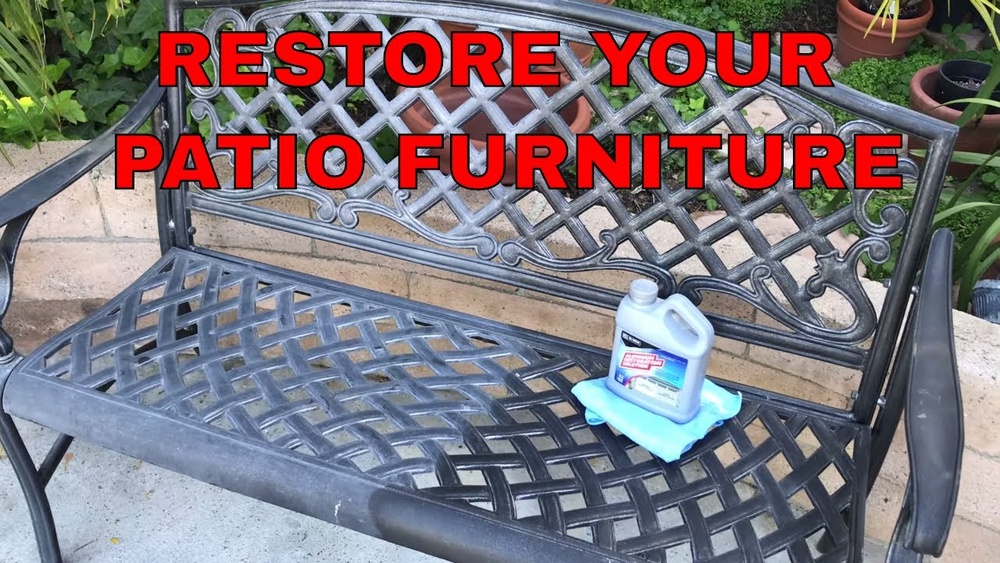
Is your outdoor furniture looking dull or rusty? You don’t have to replace it just yet.
Rejuvenating the metal on your outdoor furniture can bring back its shine and make your space inviting again. Imagine relaxing on a chair that looks brand new, without spending a fortune. You’ll discover simple and effective ways to restore your metal furniture, protect it from future damage, and enjoy it for many seasons to come.
Ready to give your outdoor space a fresh, vibrant feel? Let’s dive in!
Assessing Metal Condition
Assessing the metal condition of your outdoor furniture is the first step to bring it back to life. This process helps you understand the damage level and plan the right fix. A careful check can save you time and money. It also ensures the furniture remains safe and strong for use.
Identifying Rust And Corrosion
Rust shows up as orange or brown patches on metal surfaces. It forms when metal meets water and air for a long time. Corrosion may look like flaky or rough spots. Check all parts, especially joints and corners. These areas are more likely to collect moisture and rust faster. Use a wire brush or sandpaper to see how deep the rust goes. Light rust is easier to clean than heavy corrosion.
Checking For Structural Damage
Look for cracks, bends, or loose parts in the metal frame. Tap the metal gently and listen for hollow or weak sounds. These signs show the metal might be weak inside. Pay attention to screws, bolts, and welds. They can become loose or break over time. Bent legs or frames can affect stability. Fixing structural damage early keeps the furniture safe and usable longer.

Credit: www.reddit.com
Cleaning The Metal Surface
Cleaning the metal surface of outdoor furniture is the first step to bring it back to life. Dirt, dust, and grime build up over time. These block the metal’s shine and can cause damage. Regular cleaning helps keep the metal strong and looking good. It also prepares the surface for any further treatment or painting.
Removing Dirt And Debris
Start by brushing off loose dirt and debris. Use a soft brush or cloth to avoid scratching. For tougher spots, rinse with water to loosen dirt. Avoid using harsh tools that can damage the metal. Dirt trapped in corners needs extra attention. Clear it gently to prevent buildup and corrosion.
Using Mild Cleaners Safely
Choose mild soap or detergent mixed with water. Avoid strong chemicals that can harm the metal finish. Apply the solution with a soft cloth or sponge. Rub gently to remove stains and grease. Rinse thoroughly with clean water to remove soap. Dry the surface completely to stop rust from forming.
Rust Removal Techniques
Rust can damage the metal on your outdoor furniture. Removing rust helps protect and improve its look. Several simple methods work well to get rid of rust. These methods prepare the metal for painting or sealing. Proper rust removal extends your furniture’s life and keeps it strong.
Sanding And Scraping
Sanding and scraping remove rust from metal surfaces. Use a wire brush or sandpaper for this task. Scrape off loose rust flakes carefully. Sand the metal until you see clean, shiny metal. This method is good for small rust spots. It also smooths rough edges caused by rust. Always wear gloves and a mask for safety.
Applying Rust Removers
Rust removers are chemicals that dissolve rust quickly. Apply the remover with a brush or cloth. Let it sit for the time stated on the label. Rinse the furniture with water after treatment. Some rust removers need multiple applications. Always follow safety instructions on the product. Rust removers work well for hard-to-reach areas. They prepare the metal for the next step of repainting.
Repairing Damaged Areas
Repairing damaged areas is a key step in rejuvenating metal outdoor furniture. Fixing dents, scratches, and broken parts brings back the beauty and strength. It also helps protect the metal from rust and decay. Taking time to repair makes the furniture last longer and look fresh.
Filling And Smoothing Imperfections
Start by cleaning the damaged area to remove dirt and rust. Use metal filler to fill dents and deep scratches. Apply the filler with a putty knife and press it firmly into the damage. Let it dry completely according to the product instructions.
After drying, sand the filled area with fine-grit sandpaper. Sand until the surface feels smooth and even. This step hides imperfections and prepares the metal for painting or sealing. Smooth surfaces prevent moisture from gathering and causing rust.
Replacing Broken Parts
Broken parts reduce furniture stability and safety. Identify pieces that cannot be repaired, such as cracked legs or loose screws. Remove damaged parts carefully without harming the surrounding metal.
Buy replacement parts made for your furniture model. Attach new parts using the correct tools and hardware. Tighten screws and bolts firmly to avoid wobbling. Proper replacements restore the original function and look of the furniture.
Protecting And Painting Metal
Protecting and painting metal outdoor furniture keeps it strong and looking new. Metal faces weather, rust, and wear over time. Proper care stops damage and extends furniture life. Painting also adds color and style to your outdoor space.
Choosing The Right Primer
Start with a primer made for metal surfaces. It helps paint stick better and stops rust from spreading. Use a rust-inhibiting primer for extra protection. Make sure the metal is clean and dry before applying primer. A smooth, even layer works best for long-lasting results.
Selecting Durable Paints
Pick paint designed for outdoor metal use. These paints resist fading, chipping, and peeling. Acrylic or oil-based paints work well on metal. Choose a paint with UV protection to prevent sun damage. Bright or neutral colors keep furniture fresh and inviting.
Applying Protective Coatings
After painting, add a clear protective coat. This layer guards against scratches and moisture. Use a polyurethane or clear enamel spray for easy use. Apply thin, even coats and let each dry fully. Protective coatings keep paint looking great through seasons.
Maintaining Metal Furniture Year-round
Metal outdoor furniture adds charm and durability to any space. Keeping it in good shape needs care all year long. Dirt, rain, and sun can damage metal surfaces over time. Regular maintenance keeps the metal looking fresh and strong. A small effort each season prevents rust and wear. Follow simple steps to protect your investment.
Regular Cleaning Tips
Clean metal furniture often to stop dirt build-up. Use a soft cloth or sponge with mild soap and water. Avoid harsh chemicals that can damage the finish. Rinse with clean water and dry well to prevent water spots. Check for any rust spots and treat them quickly. A gentle scrub with a brush helps remove tough grime. Regular cleaning keeps metal bright and smooth.
Seasonal Care Advice
Prepare metal furniture before harsh weather arrives. In winter, cover or store furniture to avoid moisture damage. Use rust-proof sprays to protect exposed metal parts. During summer, place furniture in shaded areas to reduce sun damage. Inspect joints and screws, tighten if loose. Apply a fresh coat of paint or sealant yearly. Seasonal care extends the life of your metal furniture.
Preventing Future Damage
Keeping your outdoor metal furniture looking new takes effort after cleaning and fixing it. Preventing future damage protects your work and saves money. Small steps help stop rust, fading, and other wear from sun and rain. Use these tips to keep your furniture strong and shiny for many seasons.
Using Covers And Shelters
Covers block rain, dust, and dirt from reaching metal surfaces. Choose waterproof and breathable covers for best results. Shelters like patios or awnings reduce sun and rain exposure. Move furniture under roofed areas when not in use. This simple act lowers rust risk and fading. Keep covers clean and dry to avoid mold growth.
Applying Rust Inhibitors
Rust inhibitors stop metal from corroding. Apply these products after cleaning and drying the furniture. Use spray or paint-on inhibitors made for outdoor metal. Follow the instructions carefully for full protection. Reapply inhibitors every year or after heavy rain. This creates a strong shield against moisture and air.

Credit: www.reddit.com

Credit: www.youtube.com
Frequently Asked Questions
How Do I Remove Rust From Outdoor Metal Furniture?
Use a wire brush or sandpaper to scrub off rust gently. Apply a rust remover solution for stubborn spots. Rinse and dry thoroughly before repainting or sealing the metal surface.
What Is The Best Paint For Metal Outdoor Furniture?
Choose a high-quality, rust-resistant spray or enamel paint. Look for outdoor or metal-specific formulas to ensure durability. Properly prep the surface by cleaning and priming before painting.
How Often Should I Maintain Metal Outdoor Furniture?
Inspect and clean your metal furniture every 3 to 6 months. Regularly remove dirt and rust to prevent damage. Reapply protective coatings or paint as needed to maintain appearance and durability.
Can I Use Household Items To Clean Metal Furniture?
Yes, mild soap and water work well for routine cleaning. Use vinegar or baking soda paste to tackle light rust or stains. Avoid harsh chemicals that can damage the metal finish.
Conclusion
Rejuvenating metal on outdoor furniture takes patience and care. Clean the metal gently and remove rust with simple tools. Use paint or sealant to protect it from weather damage. Regular upkeep keeps your furniture looking fresh longer. A little effort brings big improvements.
Enjoy your outdoor space with furniture that shines again. Keep these steps in mind for lasting results. Your metal pieces can look new with steady care.